Russian
 English
 German
 Japanese
 Korean
 Spanish
 French
 Italian
 Portuguese

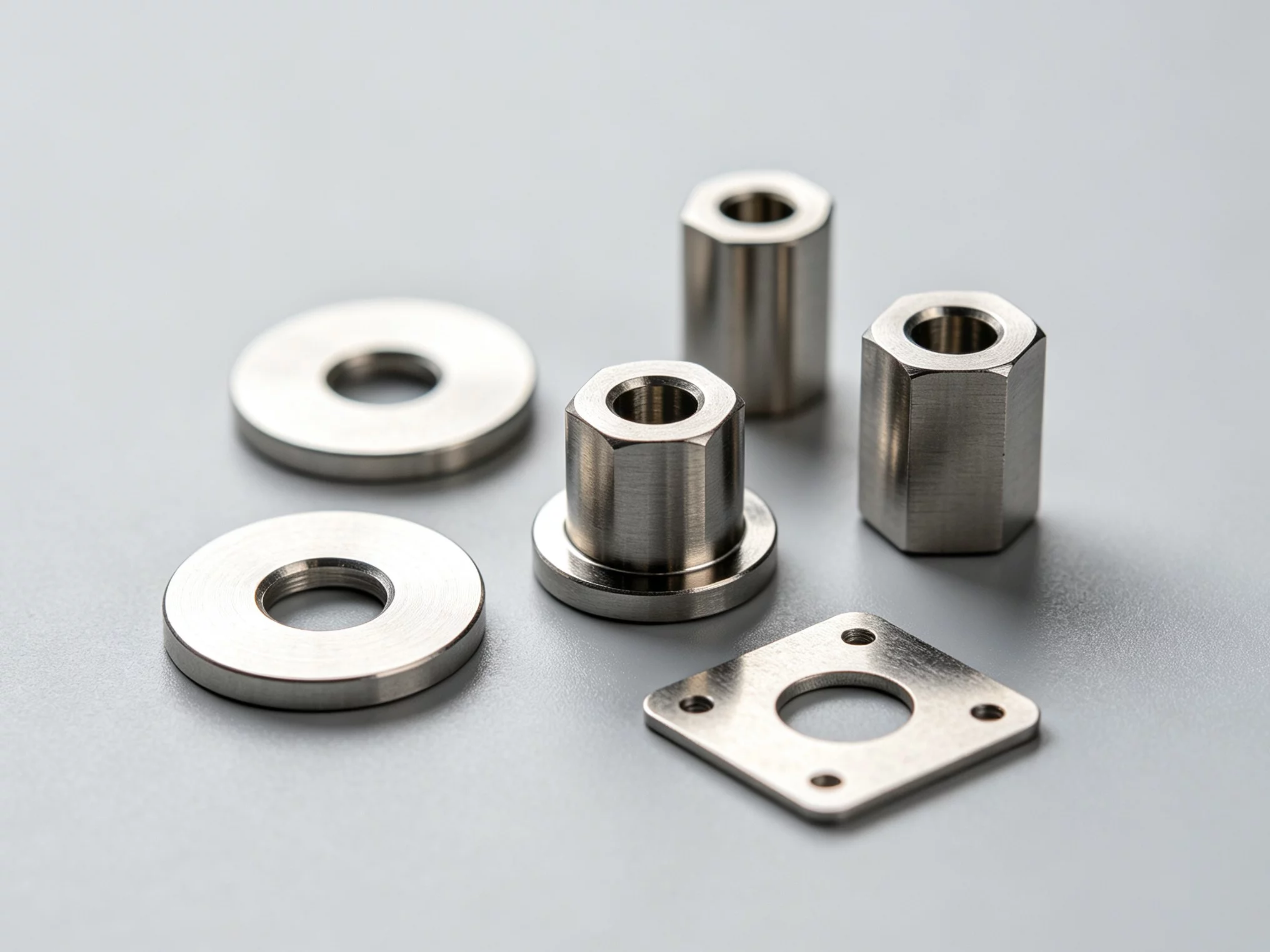
A Услуги по токарной обработке с ЧПУ is a contract manufacturing process in which cylindrical, rotationally symmetric parts are produced on a computer-controlled lathe. The machine removes material from a rotating bar to create shafts, bushings, connectors, and flanges. Cycle times range from seconds to several hours depending on geometry and material. Tolerances as tight as ±0.01 mm are standard on modern Токарные станки с ЧПУ, making this process a common choice for precision mechanical components in automotive, aerospace, and medical-device applications.
When sourcing turned parts, the most frequent issues are dimensional drift, material substitution, and vague lead-time commitments. A reliable provider should walk you through критерии отбора, material options, and inspection checkpoints before you commit to a production run. YPMFG can review your drawings and recommend setup strategies so you know what to expect before cutting metal.
What CNC Turning Actually Involves
CNC turning is not a single operation. A typical part may go through roughing, finishing, drilling, threading, and chamfering across one or multiple setups. Multi-axis lathes with live tooling handle features that a two-axis machine cannot. The choice between two-axis and four-axis turning changes tooling cost, setup time, and the number of operations needed.
Key parameters to confirm up front:
Material specification – grade, temper, and whether bar stock or forging is used
Tolerance class – IT7 through IT9 for general parts, IT6 or tighter for functional fits
Surface finish – Ra value, typically 0.8 to 3.2 µm for machined surfaces
Batch size – setup amortization shifts dramatically below 500 pieces
Parts that combine internal threading with multiple outside diameters often benefit from a single-setup strategy on a CNC turned components line with live tooling. Reducing setup changes directly cuts cycle time and the risk of accumulated positional error.
What Drives Cost and Quality in a Turning Order
Turned-part pricing is not set by a single number. Material grade, wall thickness, and feature count all interact. A buyer who only compares unit price per part often ends up paying more in rework or failed inspection.
After reviewing the table, the practical next step is to request an itemized quote that separates material, machining, and post-processing. YPMFG provides itemized quotes so buyers can see exactly where each cost sits.
How to Evaluate a Turning Service Provider
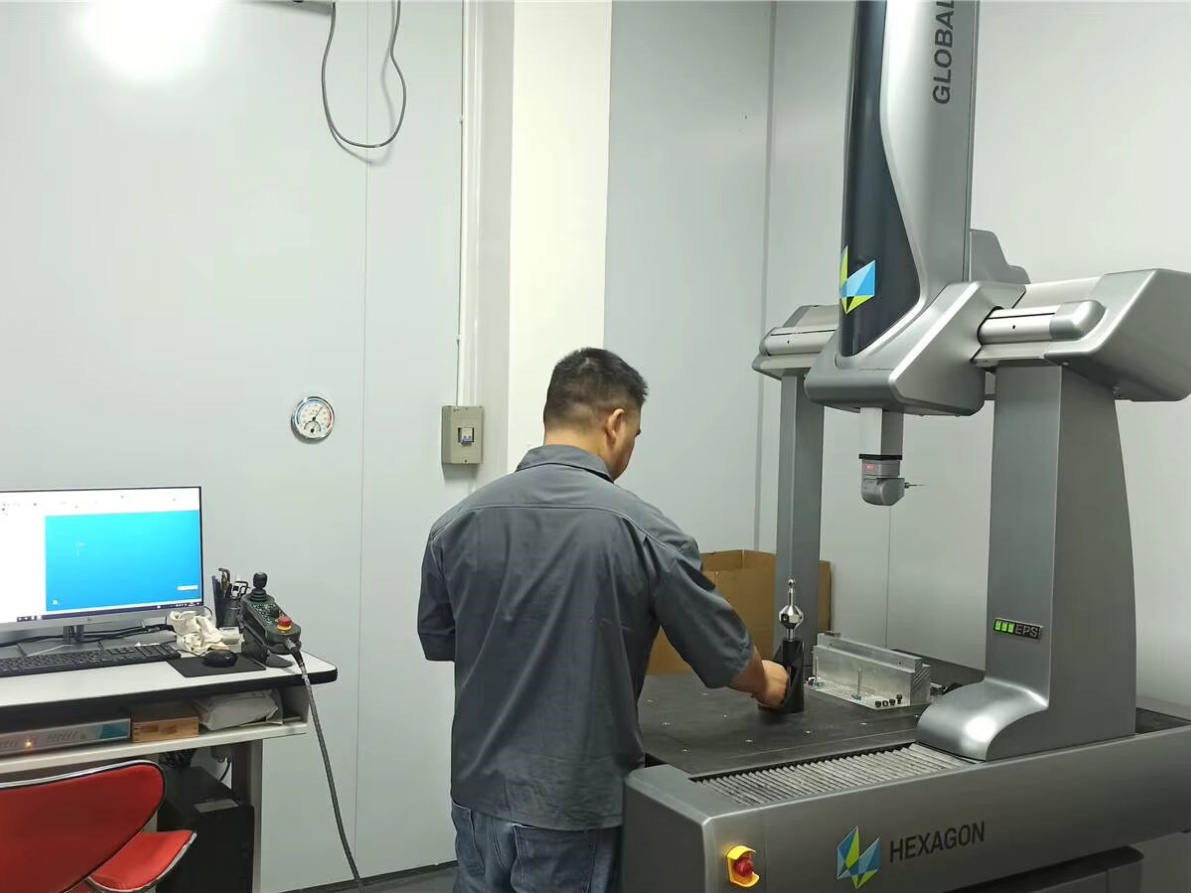
Before releasing an order, check three things. First, confirm whether the shop runs lathes with closed-loop feedback or relies on open-loop positioning. Second, ask about the inspection method: CMM, optical comparator, or go/no-go gauges. Third, request a first-article inspection report for trial parts.
If your drawing includes выноски GD&T, verify that operators program to those symbols rather than to nominal dimensions only. A provider that can show tool-path files, material traceability records, and dimensional reports carries significantly lower risk than one that only sends photos of finished parts.
Common Questions Before Placing a Turning Order
What is the minimum order quantity for CNC turned parts?
It depends on setup complexity. Simple bar-fed parts can start at 100 pieces. Multi-setup components with secondary operations often require 500 or more. Confirm MOQ with your provider and ask whether a small trial batch is available before full production.
Can one lathe handle my entire part, or will I need multiple machines?
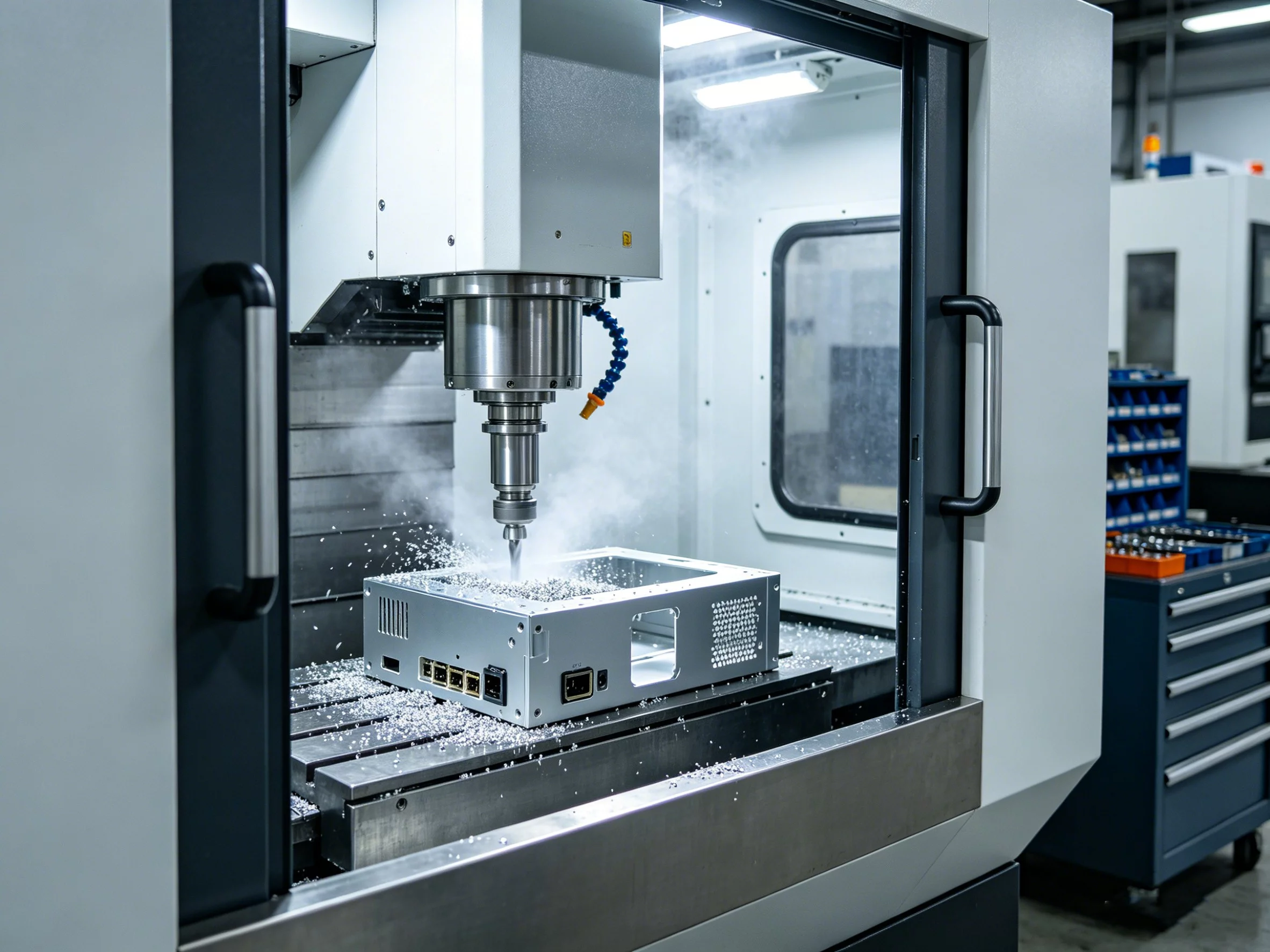
Most rotationally symmetric features are completed on one machine. If your part has milled pockets, cross-holes, or complex internal geometry, a токарно-фрезерный центр may be required. Send the 3D model and ask which setup the shop would use.
How do I verify material authenticity on received parts?
Request a heat-number traceability sheet and, if the spec calls for it, a material test report. For aerospace or medical applications, ask the provider to stamp or engrave the heat number on each part for traceability.
Какого срока изготовления следует ожидать?
A 500-piece batch of simple steel turned parts typically ships in two to four weeks. Complex titanium or Inconel parts with tight tolerances may take six to ten weeks. Build in one extra week for inspection and first-article approval.
Need Help Specifying Your Next Turning Project?
The right turning partner saves you from rework, missed deadlines, and surprise inspection rejections. If you have drawings, a 3D model, or even a rough sketch, send the files to YPMFG for an engineering review. The team will flag geometry risks, suggest material substitutions, and provide an itemized quote so you can compare options before committing to a full run.