Russian
 English
 German
 Japanese
 Korean
 Spanish
 French
 Italian
 Portuguese

TL;DR: A fixture holds your part in a fixed position; a jig additionally guides the cutting tool. For CNC batches above 200 units, a dedicated оснастка amortizes over the run. Below that threshold, modular clamping saves capital and setup complexity.
You spec a machined part and the workholding plan is still an open question. Pick wrong, and you inherit unplanned setup time, scrap, or a capital outlay your volume cannot recover. YPMFG sees this pattern weekly: a buyer orders a drill jig for a 50-part run, or a modular fixture that drifts 0.05 mm after 200 cycles. The fix is a match between part geometry, batch size, and размерная цепь. Get that match right and the workholding strategy pays for itself.
- Fixture vs. jig scope: A fixture locates and clamps; a jig adds tool-path guidance. For most CNC work, dedicated fixtures cover the need.
- Volume breakpoint: Below 200 units, мягкие губки or modular vises typically save more than a dedicated fixture costs in amortization.
- Tolerance budget: Pin locators hold to 0.01 mm; drill-jig guides add another 0.02 mm. Split the stack before you order.
The table below separates the two approaches on the dimensions that drive a purchase decision.
Если ваша размерная цепь stays within ±0.05 mm and the part family shifts quarterly, modular clamping wins. Cross both thresholds and a dedicated jig recovers the gap in setup and scrap.
What Is the Difference Between a Fixture and a Jig?
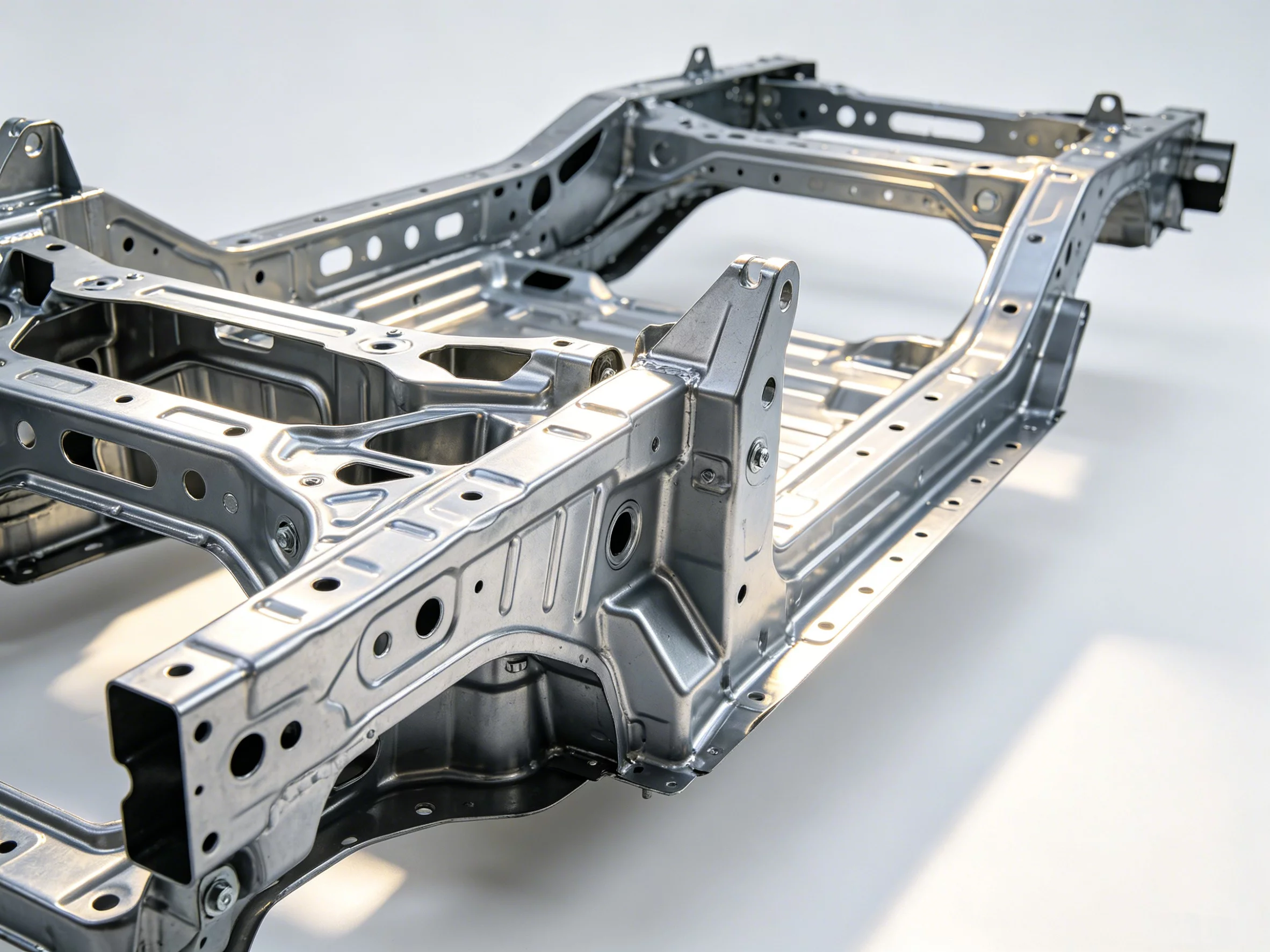
A fixture positions and clamps your part on a known datum; a jig adds a guide that directs the cutting tool to a fixed location. In a CNC environment, most workholding is fixture-based because the program controls tool path and feed. Jigs persist where manual or semi-automatic drilling, reaming, or tapping still runs the floor.
Where Jigs Still Outperform Fixtures
For high-count drilling on a fixed datum, a drill jig with carbide guide pins removes tool-center error entirely. A CNC program handles the same holes, but the jig cuts cycle time on simple, repeatable patterns. Specifying a jig when a fixture suffices, however, locks you into a single part and adds material cost.
The physical limit here is orientation. A jig cannot handle multi-axis operations; it is a single-orientation guide. Anything with 5-axis tool paths still needs a fixture, not a jig.
Which Workholding Method Fits Your Volume?
Below 200 units, modular soft jaws or hydraulic vises are the default. At 200 to 5,000 units, evaluate a dedicated fixture. Above 5,000, a pallet or nest fixture with quick-change hardware protects your throughput.
Modular vs. Dedicated at Volume Breakpoints
The breakpoint is not purely cost; it is setup frequency. If you change the part monthly, modular savings dominate because each dedicated build adds 3 to 7 days of lead time. At steady-state production, one fixture change per shift tips the math toward dedicated hardware.
The limit: no modular system eliminates the need for a part-specific soft jaw at very high repetition. After 1,000 cycles, a generic jaw will show measurable wear. Budget for jaw replacement at 800 to 1,000 cycles in a 24/7 shop.
How Do Tolerances and Materials Shape Fixture Design?
Pin-locator tolerances typically follow ISO 2768-mK; guide-pin bores in a jig run to H7. Material choice among tool steel, aluminum 6061, and brass sets wear life, weight, and thermal behavior for the specific clamp force you apply.
Pin and Vise Tolerance Budget
Split your total part tolerance between fixture error and machine error. A 0.02 mm pin runout on a 0.05 mm part spec consumes 40 percent of your usable размерная цепь. Verify the runout spec on the fixture drawing before release.
Heat Treatment and Hardening
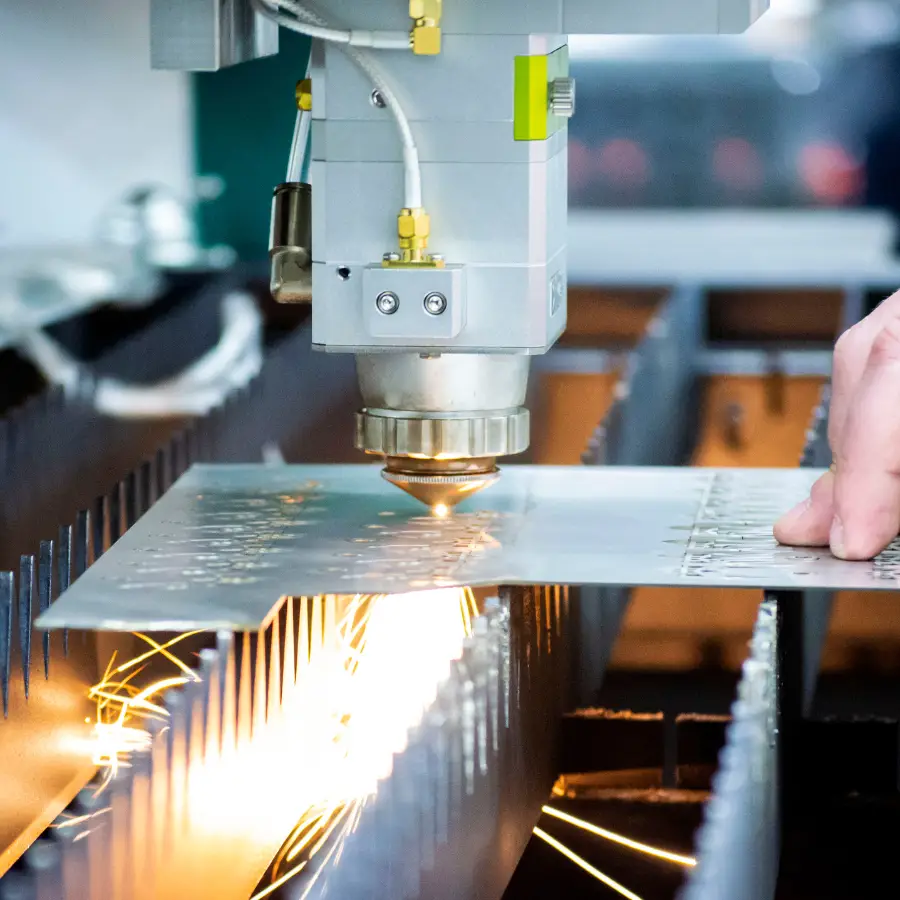
Carburized steel pins last longer than plain 1045 under cyclic loading. Aluminum 6061 bodies are lighter but creep under sustained clamp forces above 2 tons. Confirm the material grade and hardness on the quote; a silent downgrade to 6061 when you specified 304 will show up as drift after 500 cycles.
What to check next: the первичный контроль продукции report on the fixture itself, not just the part. A fixture that passes CMM but fails under thermal load will still produce scrap in summer shop conditions.
What Cost Factors Should You Verify Before Ordering?
Three cost layers matter: fixture build cost, amortization per part, and scrap from a bad first article. Check all three before comparing two quotes that look similar on sticker price.
Amortization and Lead-Time Trade-offs
A dedicated fixture at a 20-day lead time blocks a project that needs parts in 15 days. Modular clamping ships in 3 to 7 days. The time cost of waiting is often higher than the material cost of a modular jaw.
What to Verify in a Fixture Quote
Ask for the tolerance class, material grade, and whether the quote includes первичный контроль продукции documentation. YPMFG returns workholding recommendations with a tolerance split and a lead-time estimate within 24 hours of receiving your drawing. A quote without material spec hides a downgrade that will cost you in the 2nd op.
The limit: no supplier can guarantee zero first-article scrap. Plan a 10 percent margin on your initial run and build the первичный контроль продукции gate into the PO terms.
How a Drill Jig Handles a Flange Part: A Process Route
A typical flange part calls for 6 holes, 0.02 mm concentricity, and a 500-unit batch. The route runs four steps. Step 1: face-mill on a modular fixture, 15-minute setup. Step 2: drill on a dedicated jig with carbide guide pins, bore H7, part-to-pin clearance 0.005 mm. Step 3: ream on the same jig, 3-minute tool change. Step 4: CMM inspection on a 5-part sample.
The key control is the guide-pin bore. A 0.005 mm clearance at 0.02 mm concentricity leaves only 0.015 mm for machine runout and thermal growth. Common failure: pin wear after 2,000 cycles. Swap the pin set at 1,500 cycles to hold the 0.02 mm spec. If the part family includes a 0.01 mm concentricity variant, you need a second jig; a shared datum plate works, but the guide set is part-specific.
Process Route Reference: YPMFG process library, reviewed against published tooling data. Client-specific data withheld per NDA.
Common Questions About Fixtures and Jigs
- Can a jig replace a CNC program entirely? No. A jig guides the tool but does not control feed, speed, or multi-axis motion. It complements the program, not replaces it.
- What batch size makes a dedicated fixture economic? It depends on part geometry, but 200 units is the typical floor. Below that, amortization per part exceeds the setup savings.
- Do modular fixtures drift over time? They can. Soft jaws creep; hardened steel jaws hold. Check your clamp force spec at 500 cycles and re-datum if drift exceeds 0.03 mm.
- Can I use one jig for two part numbers? No. Guide pins are part-specific. A shared datum plate is possible, but the guide set must be swapped between part numbers.
- How do I verify a fixture holds tolerance? Run 5 consecutive parts, measure on a CMM, and compare to your ASME Y14.5 stack. Flag any 1-sigma drift before releasing the batch.
Need Help Selecting the Right Workholding?
The core decision comes down to three inputs: part geometry, batch size, and your tolerance stack. Match those correctly and the fixture or jig choice becomes a shortlist, not a guess. Send your drawing and batch quantity to YPMFG. The engineering team returns a workholding recommendation, a tolerance split between fixture and machine, and a lead-time estimate within 24 hours. No commitment, just a clear path from print to first article.