 Russian
  English
  German
  Japanese
  Korean
  Spanish
  French
  Italian
  Portuguese
 Краткий ответ: CNC usinage is a computer-controlled machining process in which software directs cutting tools to shape raw material into parts with precise dimensions and surface finishes. The term covers Токарная обработка с ЧПУ, Фрезерование с ЧПУ, drilling, and grinding operations. Buyers often search for this keyword when evaluating small-batch or prototype part manufacturing. Total cost depends on material type, допуски, geometry complexity, and production volume. Understanding these variables early helps you budget and specify parts correctly from the start.
If you are sourcing machined components and need clarity on what CNC usinage involves, how pricing is structured, and which choices affect your project, this guide breaks down the essentials. YPMFG works with engineering teams and procurement managers on exactly these decisions daily.
What Is CNC Usinage?
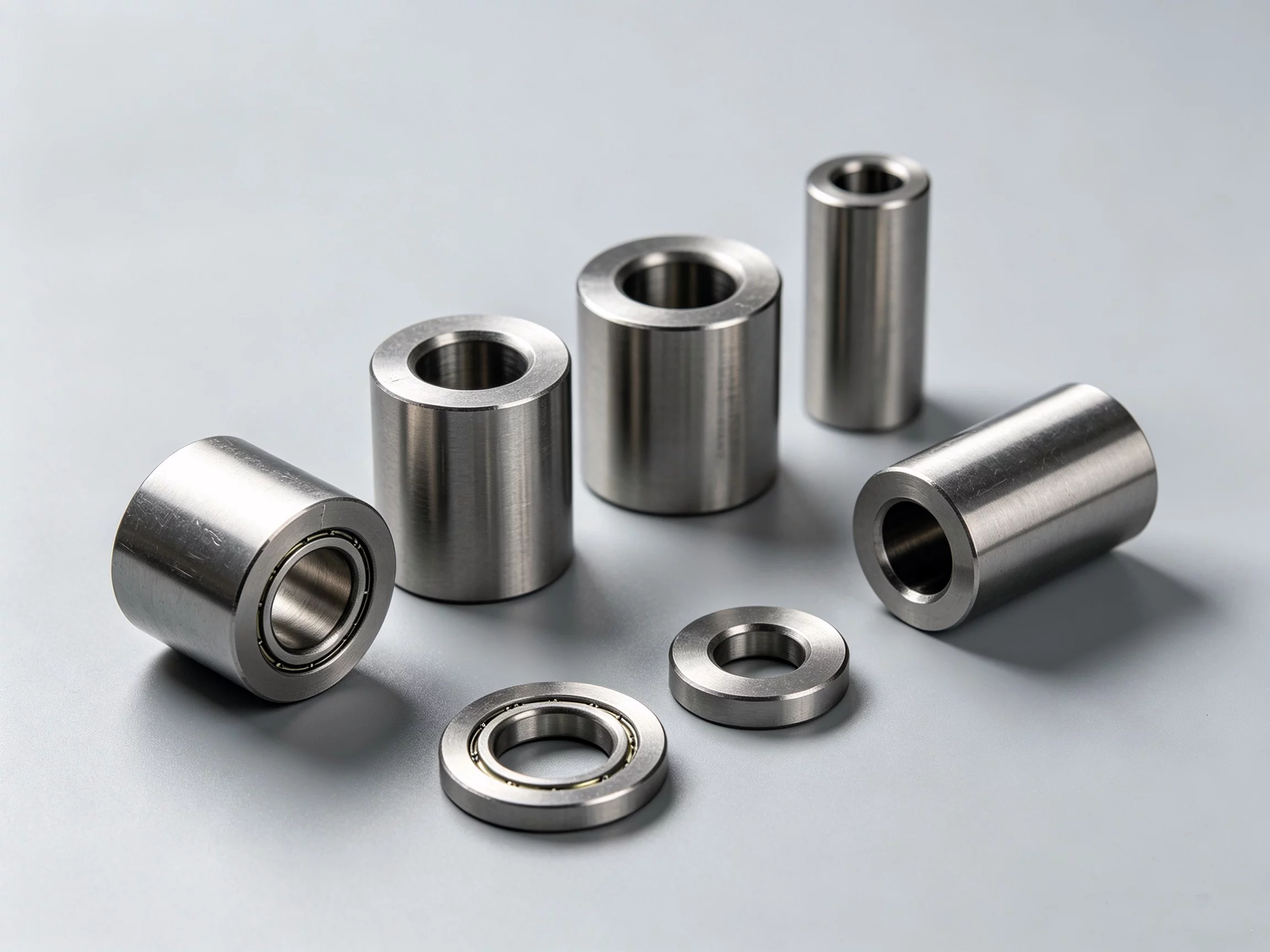
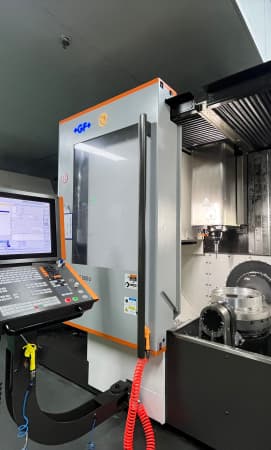
“Usinage” is the French word for machining, so “CNC usinage” simply means Обработка на станках с ЧПУ in a broader European or French-speaking context. The process uses G-code or CAD/CAM software to control tool paths on multi-axis machines. The result is parts with tight dimensional control that manual methods cannot consistently achieve.
How the CNC Usinage Process Works
The workflow follows a clear sequence:
Design and CAM programming – The part is modeled in CAD, then tool paths are generated for the machine.
Material preparation – Bar stock, plate, or billet is loaded and secured in the workholding fixture.
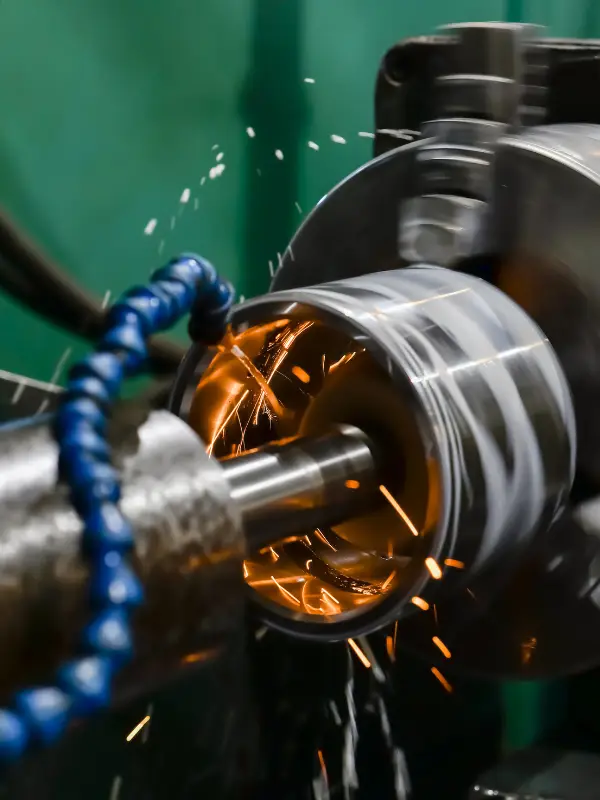
Cutting operations – The spindle drives tools at controlled feed rates to remove material.
Inspection and finishing – Parts are measured with CMM or optical systems; deburring, plating, or anodizing may follow.
Each step introduces variables that affect lead time and cost. A part with five machined faces and mixed materials takes longer to program and hold than a simple turned shaft.

CNC Usinage vs. Other Machining Methods
CNC usinage sits in the middle: more precise than castings, more material-efficient than additive, and faster to produce than forming. For functional parts that must meet требования к качеству поверхности and tight tolerances in small to medium batches, machining is often the most practical route.
What Drives CNC Usinage Cost?
Pricing is rarely a single number. The main cost drivers include:
Material and grade – Titanium and stainless steel cost significantly more per machine-hour than aluminum or mild steel.
Tolerance and finish – Tighter tolerances (e.g., ±0.005 mm) and mirror finishes add machining and inspection time.
Сложность геометрии – Internal pockets, thin walls, or multi-axis features increase setup and tooling.
Объём – Unit cost drops as batch size grows, but setup and tooling are spread differently.
Certifications and inspection – Aerospace or medical work may require traceable material certs and first-article inspection.
Ask any supplier to itemize these factors. A flat per-part quote without breakdowns makes it hard to compare offers or identify where savings are possible.
Material Selection for CNC Usinage

Choosing the right alloy or polymer is a выбор материала decision that affects machinability, strength, corrosion resistance,and final part performance. Before specifying:
Confirm the machinability rating for your target material.
Verify stock availability and material traceability through your supplier.
Match thermal and mechanical properties to the operating environment.
Check whether post-processing (heat treatment, plating, anodizing) is required and compatible with the base material.
Для детали, изготовленные на станках с ЧПУ по индивидуальному заказу with mixed performance requirements, a material engineer’s review can prevent costly rework or field failure.
Common Questions About CNC Usinage
What is the smallest practical batch size?
Machining works well for single prototypes. The economic sweet spot typically falls between 50 and 5,000 units, depending on part complexity. Below that, manual or rapid-prototyping methods may be cheaper.
How tight can CNC tolerances get?
Standard shop tolerances run around ±0.02 mm. Precision work can hold ±0.005 mm or better, but each increment adds machining time and inspection cost.
Do I need to provide a complete CAD file?
A 3D CAD model (STEP, IGES, or native format) is the minimum. Adding 2D drawings with critical dimensions and tolerance callouts helps the shop verify intent and reduce rework.
How do I verify quality before full production?
Request a first-article inspection report with dimensional data, material certifications, and surface-finish measurements before releasing the full batch.
Choosing the Right CNC Usinage Partner
The right partner reduces your risk across the entire процесс цитирования through final delivery. Look for:
Clear communication on tolerances, materials, and inspection methods before you commit.
Willingness to run an технический обзор on your drawings or CAD files to flag manufacturability issues.
Traceable documentation (material certs, FAI reports, dimensional records) for quality-sensitive applications.
Flexible support when a stock part or standard process will not meet your design.
YPMFG supports buyers at every stage: from early selection guidance on material and process, through rapid prototyping and small-batch Обработка на станках с ЧПУ, to ongoing production runs with full documentation. If you have a part drawing or specification in hand, sending it for a quick feasibility check is the fastest way to confirm whether your design is ready for the shop floor.