 Russian
  English
  German
  Japanese
  Korean
  Spanish
  French
  Italian
  Portuguese
 Краткий ответ:
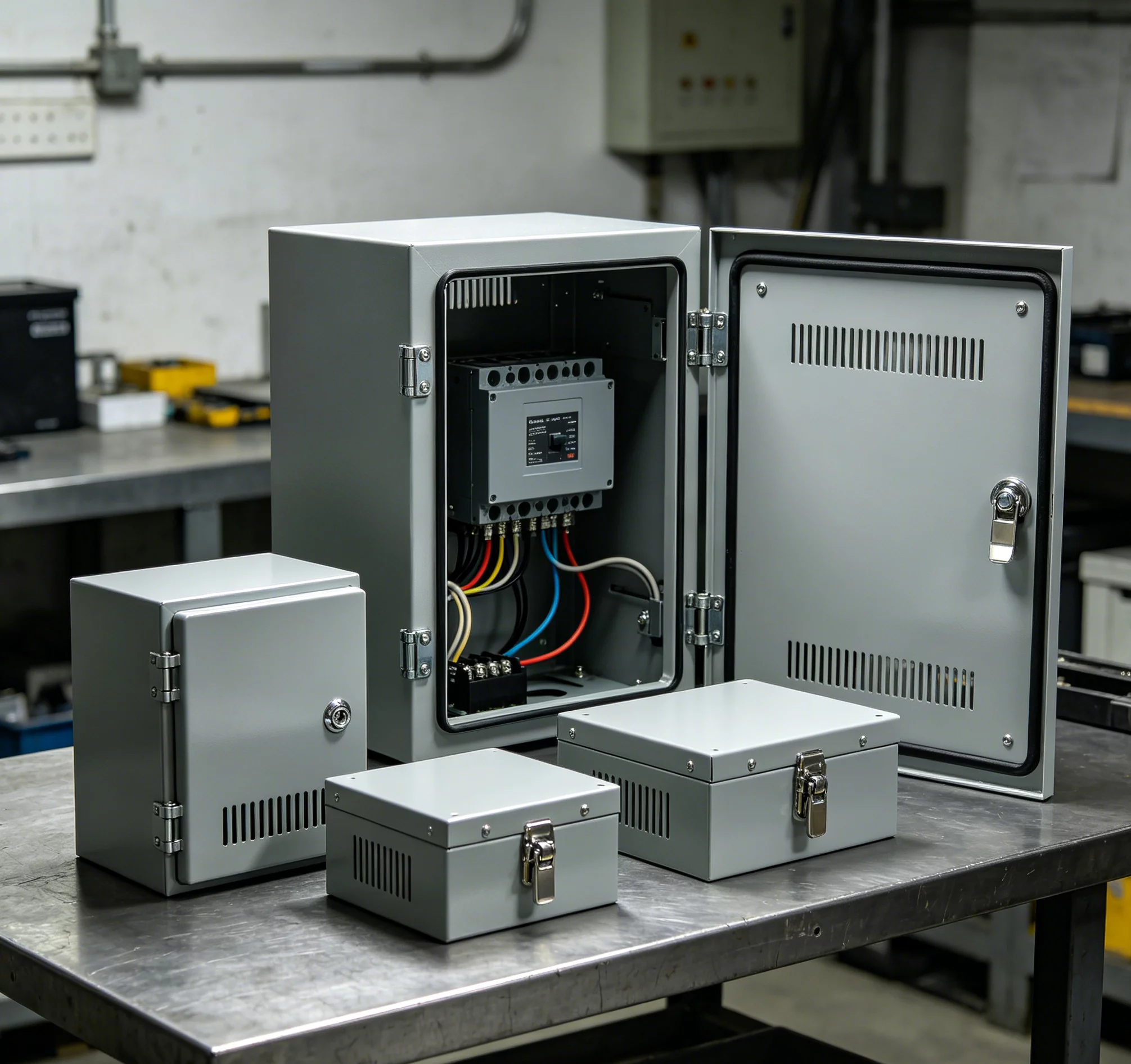
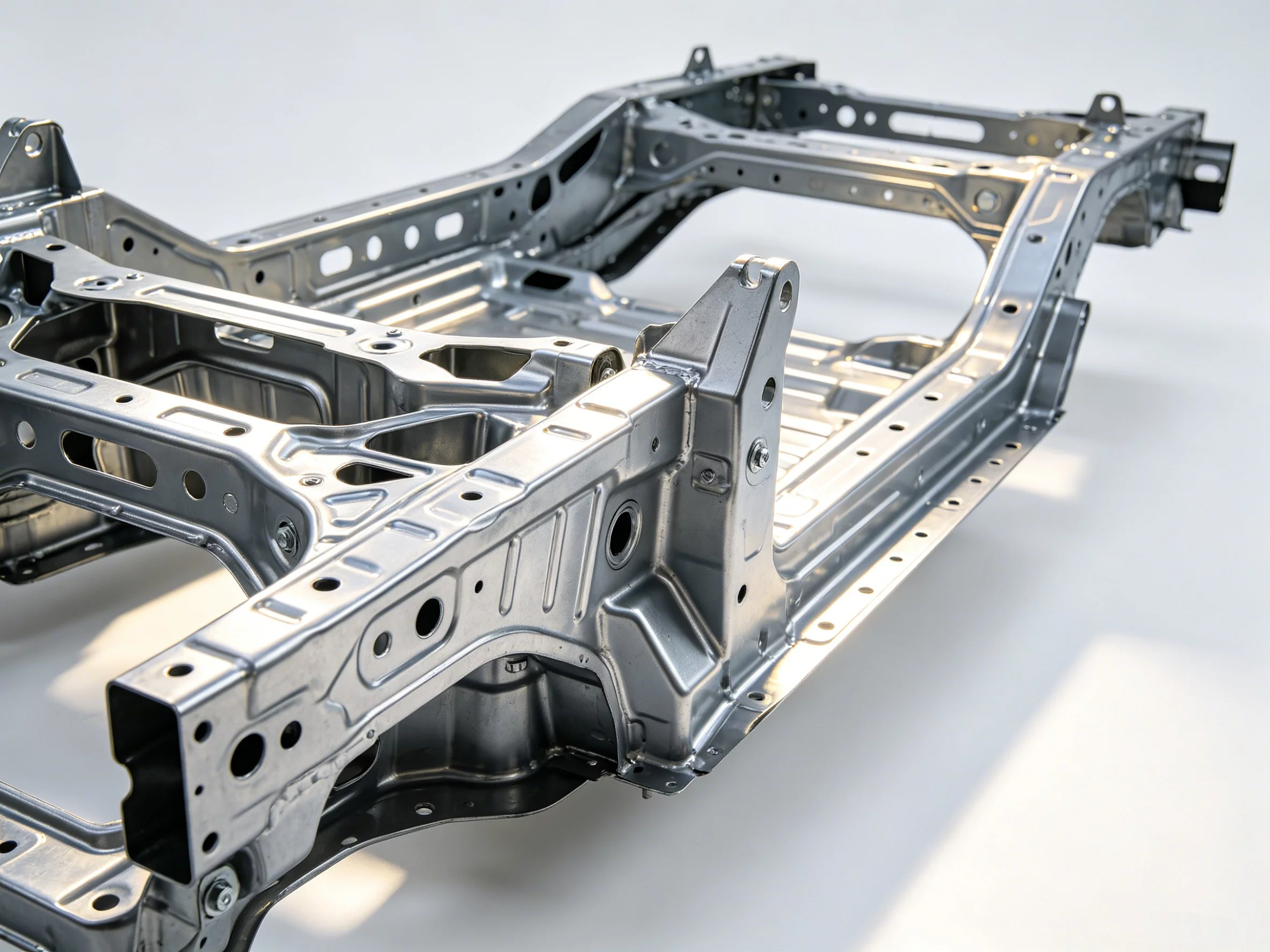
OEM custom stainless steel sheet metal fabrication means producing brackets, enclosures, panels, and housings to your exact CAD drawings in grades such as 304 or 316L. The variables that drive quality and cost are material grade, bend tolerance, surface finish, and batch-to-batch consistency. Most failed OEM programs trace back to vague specs handed to the shop floor. Define your stainless steel sheet metal requirements with GD&T tolerances, a specified finish standard, and documented inspection checkpoints. YPMFG supports изготовление листового металла на заказ programs where you send drawings and receive an engineering review before production begins.
The Real Problem Behind Most OEM Sheet Metal Projects
You’ve designed a product. The sheet metal component needs to mate with your Детали, изготовленные на станках с ЧПУ and survive years of field use. A vague RFQ phrased as “stainless steel, same as last time” leads to bend tolerances drifting, inconsistent finish across batches, and rework costs that quietly eat your margin.
Specifications That Actually Matter
Not all stainless steel is interchangeable. Grade, thickness, and finish determine fit, corrosion resistance, and appearance on the final assembly. Choosing the wrong combination creates visible defects or premature corrosion in service.
304 stainless steel suits general industrial and food-contact applications.
316L is the standard for marine, chemical, and medical equipment because of its molybdenum alloying.
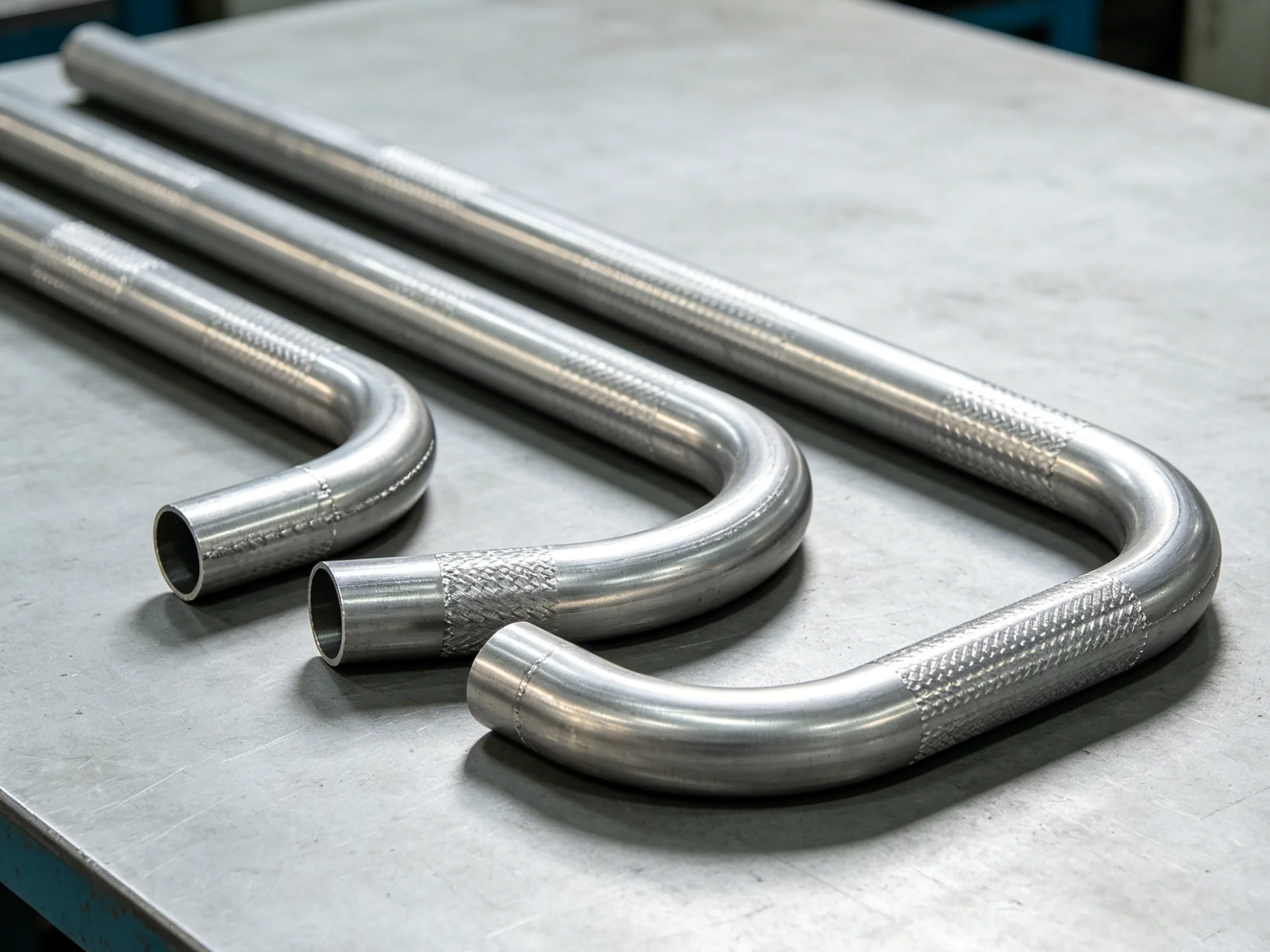
Minimum bend radius: 1× sheet thickness for 304; 1.5× for 316L to prevent cracking.
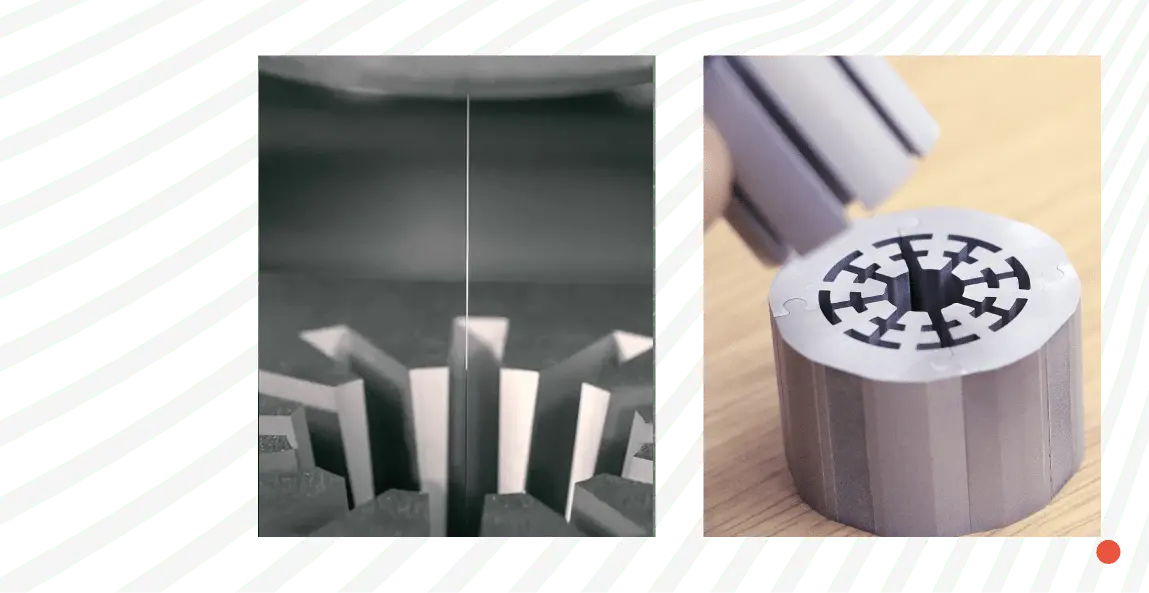
Flatness tolerance after bending: typically ±0.5 mm per 100 mm.
Surface finish: passivated for corrosion, No. 4 brushed for aesthetics, 2B mill finish for structural parts.
Before releasing a purchase order, confirm your fabricator lists the specific grade, maximum sheet length, and minimum flange length on their capability sheet. YPMFG can review your sheet metal drawings and flag bend-radius conflicts before any tooling or setup is committed.
Three Mistakes That Cost OEM Buyers the Most
1. No documented inspection criteria. “Acceptable” finish is subjective. Specify the Ra value, a color reference standard, and the passivation test method per ASTM A967.
2. Under-specified fastening interfaces. A hole position off by 0.3 mm shifts your CNC machined bracket alignment at the assembly stage. Call out positional tolerance with GD&T, not a generic “±0.5.”
3. Batch-to-batch variation ignored. A single passing sample proves nothing. Require сертификаты на материалы (EN 10204 3.1) with every shipment and request a second-batch comparison against your first accepted lot.
Each of these issues is cheaper to prevent on paper than to catch during incoming quality control.
Evaluating a Fabrication Partner for OEM Programs
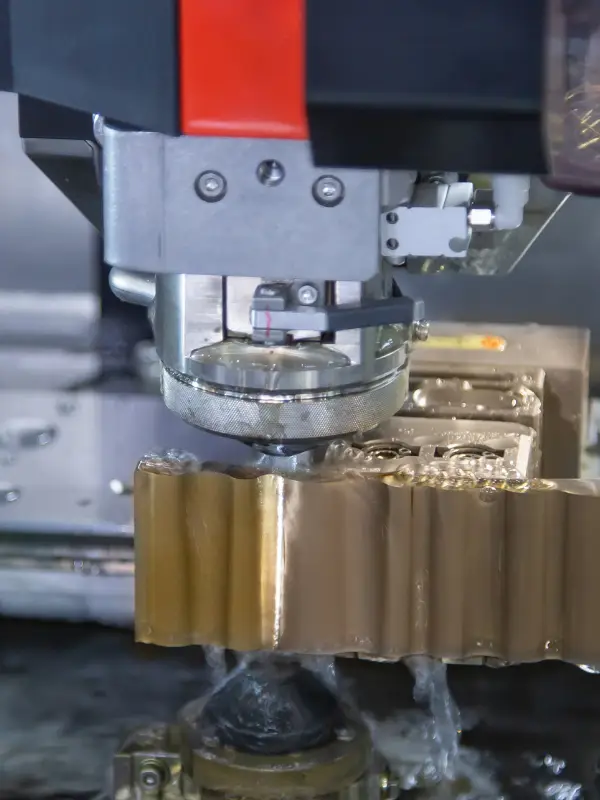
Look beyond unit price when comparing quotes.
Can the shop produce your custom stainless steel parts with the same finish lot-to-lot?
Do they provide протоколы испытаний материалов with every delivery?
What is the rework turnaround if a batch fails your incoming inspection?
Is every engineering change a new NRE charge, or is iteration included in the agreement?
A partner that offers техническая оценка on your drawings before quoting saves you from late-stage surprises and costly change orders.
Questions Buyers Often Ask About Stainless Sheet Metal Fabrication
What minimum order quantity should I plan for?
It depends on sheet size and bend complexity. Straight parts in 2 mm 304 can run in lots of 50. Complex multi-bend brackets often start at 100 to 200 units to spread the setup cost across the order.
Can I mix 304 and 316L in one program?
Yes, but specify which part number uses which grade directly on the drawing. Mixed-grade bins on the shop floor invite installation errors that surface only in the field.
How thick can sheet metal go for laser cutting?
Most shops cut up to 12 mm in 304. Beyond that, plasma or water-jet becomes more economical. Confirm your fabricator’s maximum thickness before finalizing your wall thickness specification.
Do I need to specify passivation, or is it automatic?
Not automatic. Both 304 and 316L need chemical passivation or electropolishing for full corrosion protection. Call it out explicitly in the finish column of your drawing.
What file format should I send for quoting?
DXF or DWG for flat patterns; STEP or IGES for 3D bracket assemblies. Include a title block with material, finish, quantity, and revision number.
Choosing the Right Fabrication Partner for Your OEM Program
The right partner turns your CAD files into repeatable, certified stainless steel sheet metal components without rework loops. Send your drawings, material spec,and quantity forecast to YPMFG. Their engineering team will review bend feasibility, suggest grade or thickness adjustments where cost or tolerability improve, and return a detailed quotation with inspection criteria built in. No commitment is needed to get that review.