 English
  German
  Russian
  Japanese
  Korean
  Spanish
  French
  Italian
  Portuguese
 Quick answer:
A steel fabrication workshop transforms raw steel into custom components through cutting, forming, welding, and finishing processes. The right workshop should have certified welders, modern CNC equipment, quality control documentation, and experience matching your tolerance and material requirements. Most buyers focus only on price, but choosing based on cost alone often leads to dimensional inaccuracies, delayed deliveries, and rework expenses that far exceed any initial savings.
Choosing a steel fabrication workshop is one of the most critical decisions for manufacturing teams, engineering procurement specialists, and project managers. The wrong partner can compromise product integrity, miss delivery timelines, and create compliance gaps. A reliable workshop delivers consistent quality, clear communication, and technical support throughout the production cycle.
YPMFG specializes in precision machining and CNC零部件制造服务 with extensive experience across industrial fabrication projects. Understanding what separates capable workshops from unreliable ones is essential for making informed sourcing decisions.
What Happens Inside a Steel Fabrication Workshop
A functional fabrication workshop handles the complete lifecycle of steel component production. Raw materials enter as plates, sheets, bars, or structural sections. Each piece undergoes measurement, cutting, forming, joining, and surface treatment before final inspection and shipment.
The workflow depends heavily on project specifications and volume requirements. High-volume production often utilizes automated CNC cutting and robotic welding systems. Low-volume or custom projects typically rely on manual fabrication with skilled operator intervention. Both approaches require strict quality control procedures.
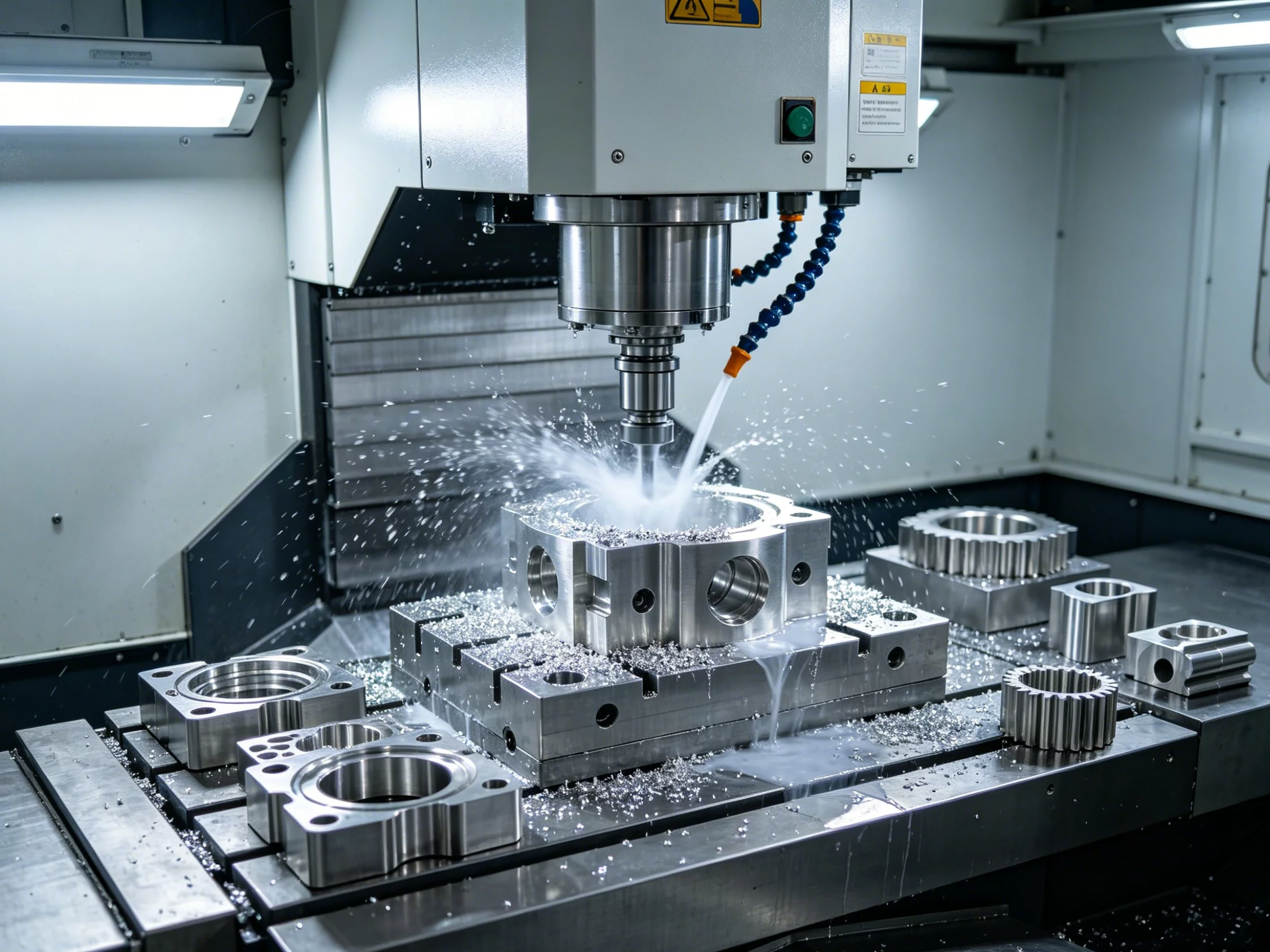
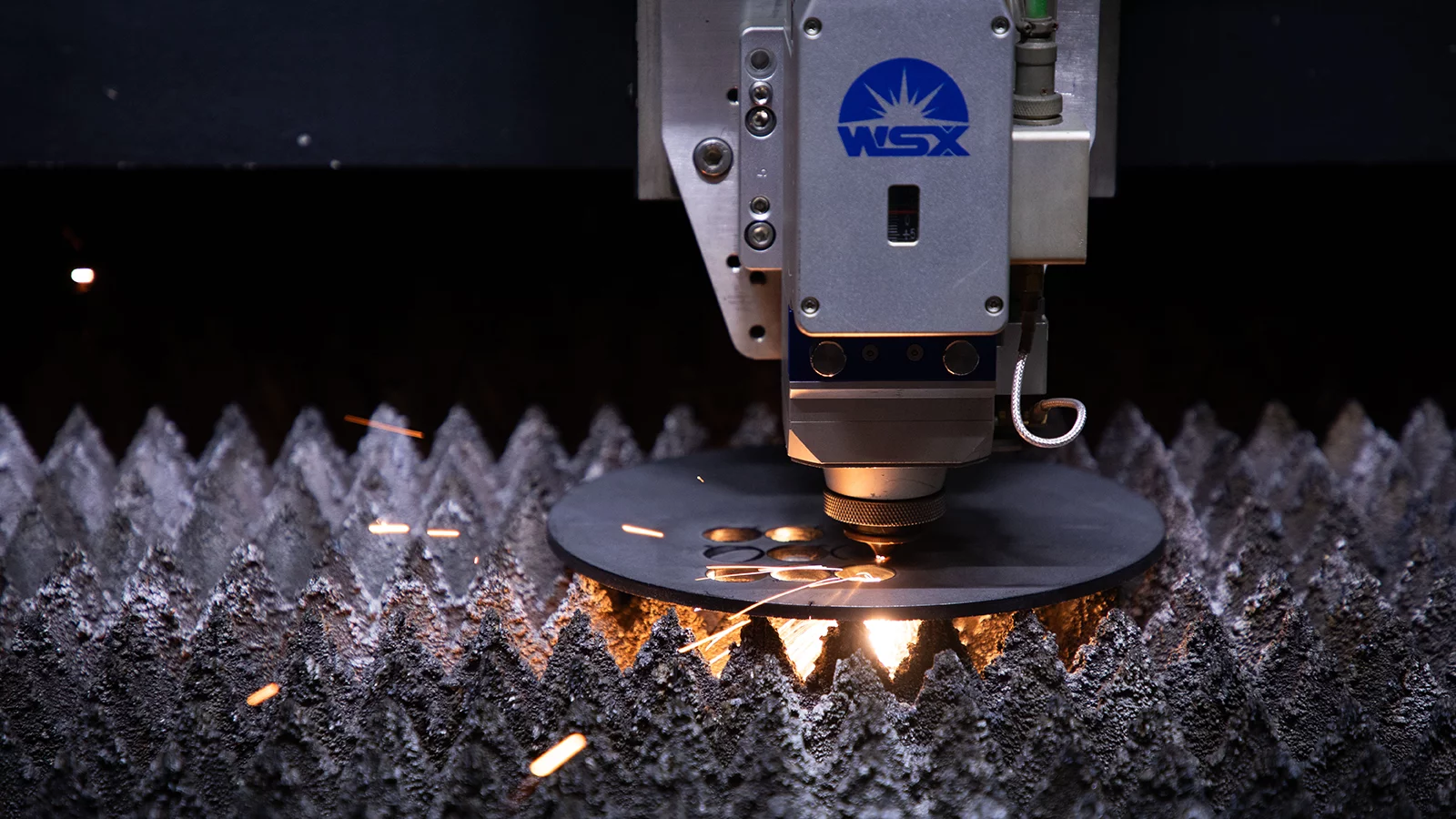
Key activities include CNC plasma cutting, laser cutting, waterjet cutting, press brake forming, MIG and TIG welding, grinding, drilling, and coating or painting. Each process has specific capabilities and limitations that affect final part quality.
Key Processes and Their Capabilities
Different fabrication methods serve different purposes. Understanding these distinctions helps buyers evaluate whether a workshop can meet their specific requirements.
CNC cutting provides high precision for complex geometries. Plasma cutting works well with thicker materials up to several inches. Laser cutting delivers tighter tolerances on thinner sheets. Waterjet cutting accommodates heat-sensitive materials without thermal distortion.
Forming and bending transform flat stock into three-dimensional shapes. Press brakes are the primary equipment for this work. Bend radius, springback compensation, and material thickness determine achievable angles and accuracy. Complex parts may require multiple forming operations.
Welding joins separated pieces into assemblies. Common processes include MIG, TIG, and arc welding. Weld quality depends on operator skill, joint design, material compatibility, and post-weld treatment. Quality control inspection should verify weld integrity through visual examination, dimensional checks, and non-destructive testing when specified.
How to Evaluate a Steel Fabrication Workshop
Evaluating a workshop requires examining multiple dimensions beyond surface-level capabilities. Buyers should assess technical capacity, quality systems, communication standards, and track record before committing to production.
Technical capability involves equipment age, maintenance standards, operator certification, and software integration. Modern workshops use CAD/CAM workflows with digital thread tracking from design to finished product. Outdated facilities may lack these capabilities, increasing risk of errors and miscommunication.
Quality management systems provide evidence of consistent production standards. ISO 9001 certification demonstrates formal quality management implementation. Traceability protocols ensure material certificates and process records are available for each batch. Inspection documentation should include first-article reports, in-process checks, and final acceptance records.
Communication effectiveness often determines project success more than technical ability. Responsive workshops provide clear quotes, realistic timelines, proactive updates, and accessible engineering support. Delayed responses and vague commitments signal potential problems ahead.
Critical Factors That Affect Fabrication Quality
Multiple variables influence the final outcome of any fabrication project. Understanding these factors helps buyers set realistic expectations and evaluate workshop proposals accurately.
Material selection directly affects machinability, weldability, and surface finish. Carbon steel, stainless steel, aluminum, and specialty alloys each present unique challenges. Workshop expertise with your specific material matters more than general capability claims.
Tolerance requirements dictate equipment selection and process planning. Standard shop tolerances typically range around ±0.5mm for cutting and ±1mm for welding assemblies. Tighter tolerances require specialized equipment and extended processing time, increasing unit cost.
Surface treatment and finishing requirements vary by application. Sandblasting, priming, powder coating, galvanizing, and painting each serve different purposes. Some workshops offer in-house finishing capabilities. Others outsource these steps, introducing additional coordination risk.
Common Mistakes Buyers Make When Selecting a Workshop
Many procurement teams repeat the same selection errors across multiple projects. Recognizing these patterns helps avoid costly mistakes before they occur.
Focusing exclusively on unit price ignores total project cost. A cheaper quote often reflects reduced quality controls, fewer inspection steps, or inflated delivery estimates. The lowest bid frequently becomes the most expensive option when rework, delays, and compliance issues are factored in.

Overlooking sample testing creates unnecessary risk. Requesting prototype or sample production before full commitment reveals actual capability levels. Workshops confident in their quality will accommodate sample requests reasonably. Reluctance to produce samples often indicates capability gaps.
Accepting vague timelines without milestone tracking leads to schedule surprises. Detailed production schedules with defined checkpoints enable proactive issue resolution. Workshops providing vague delivery estimates without interim progress reports lack structured project management.
Comparison of Workshop Types and Their Strengths
Each type serves different project profiles. Job shops excel at one-off and small-batch work with rapid turnaround. Production shops optimize efficiency for higher volumes with stable designs. Full-service facilities reduce coordination complexity but at increased cost.
YPMFG works across multiple project scales, offering both prototype validation and production support. Buyers can request an engineering evaluation to determine which approach fits their volume and specification needs.
What Documentation Should You Expect from a Fabrication Workshop
Proper documentation separates professional workshops from casual operations. Requesting complete records protects your project and simplifies downstream quality verification.
Material certifications should accompany every shipment. Mill test reports verify chemical composition and mechanical properties match specification requirements. These documents are essential for regulated industries and traceability audits.
Dimensional inspection reports provide evidence that parts meet drawing tolerances. First-article inspection reports are standard practice for new projects. In-process inspection records demonstrate ongoing quality monitoring during production runs.
Process documentation including welding procedure specifications and heat treatment records may be required for structural or pressure-containing applications. Workshops lacking these records cannot support compliance-heavy industries effectively.
Questions Buyers Often Ask About Steel Fabrication Workshops
How long does typical fabrication take?
Lead times vary significantly based on order complexity, material availability, and current workload. Simple parts may ship within one to two weeks. Complex assemblies requiring multiple operations often need three to six weeks. Always request a detailed schedule before placing orders.
What tolerances can a standard workshop achieve?
Standard machining and fabrication workshops typically hold tolerances around ±0.5mm for cutting and ±1mm for welded assemblies. Tighter tolerances require specialized equipment and processes, which increase cost and may extend lead time. Specify your requirements clearly in initial inquiries.
Can workshops handle material substitutions?
Most fabrication shops accept material substitutions when original stock is unavailable, but substitutions require engineering approval. Different materials affect welding procedures, finishing methods, and final mechanical properties. Never accept substitutions without documented verification.
What quality checks should be performed before shipment?
Standard quality checks include dimensional verification, visual inspection, weld examination, and surface finish assessment. Additional testing such as dye penetrant inspection, magnetic particle testing, or hardness testing may be required for critical applications. Confirm inspection requirements during the quotation phase.
How should drawings and specifications be provided?
Clear, complete drawings with tolerances, material grades, surface finish requirements, and welding symbols enable accurate quoting and production. PDF drawings with associated 3D models provide the best foundation. Incomplete specifications lead to clarification delays and potential errors.
Choosing the Right Partner for Long-Term Success
Selecting a steel fabrication workshop requires evaluating technical capability,quality systems, communication standards, and commercial terms as a complete package. Price alone rarely indicates value. The workshops delivering consistent quality on schedule typically invest in skilled operators, modern equipment, and structured quality processes.
YPMFG provides engineering consultation, sampling support, and production services for buyers seeking reliable CNC零部件制造服务. We offer project evaluation, documentation review, and transparent communication throughout production.
Send your specifications to YPMFG for a detailed assessment. Our team can review your drawings, suggest process optimizations, and provide comprehensive quotations with realistic timelines. Early engagement helps prevent costly mistakes and ensures your project receives appropriate technical attention from start to finish.