 English
  German
  Russian
  Japanese
  Korean
  Spanish
  French
  Italian
  Portuguese
 Quick answer:
The most common chemical for stainless steel etching is a mix of hydrofluoric acid, nitric acid, and water. This solution dissolves the oxide layer to create matte finishes or engraved patterns. However, it is highly corrosive and requires strict safety protocols. Many manufacturers avoid it due to environmental regulations and disposal challenges. Always verify local environmental laws before procuring these reagents. You can request specific chemical formulations from YPMFG based on your material grade.
Procurement teams often face a dilemma when specifying surface finishes for metal parts. You need a reliable method to remove the passivation layer or create texture. The metal etching process offers this solution but introduces significant complexity. It involves managing hazardous materials, wastewater treatment, and precise chemical ratios. A single error can ruin a batch of parts or cause costly production stops. This guide breaks down the core components of the etching process. It focuses on practical selection criteria and risk mitigation strategies for buyers. We will examine the chemistry, safety requirements,and quality control steps.
Understanding the Chemical Components
The core of the process is the etching chemical mixture. For stainless steel, this typically includes hydrofluoric acid (HF) and nitric acid (HNO3). Hydrofluoric acid is the active agent that attacks the chromium oxide layer. Nitric acid acts as a buffer and helps control the reaction speed. The ratio of these acids determines the final surface texture. Higher HF concentrations produce a deeper, rougher matte finish. Lower concentrations result in a finer, satin-like appearance. Water is used to dilute the mixture and manage heat generation.
The temperature of the bath is critical for consistency. Most processes occur between 20°C and 50°C. If the solution gets too hot, the etch becomes uneven and spotty. If it is too cold, the reaction slows down and may stall. You must monitor the specific gravity of the bath regularly. As the acids are consumed by the reaction, the etching power drops. You need to replenish the chemicals or replace the bath entirely. This maintenance schedule depends on the volume of parts processed.
Safety and Environmental Compliance

Handling stainless steel etching chemicals carries severe risks. Hydrofluoric acid is particularly dangerous. It penetrates skin easily and causes deep tissue damage that may not be felt immediately. Operators require specific personal protective equipment (PPE) including acid-resistant gloves and suits. A calcium gluconate gel kit must be available in the work area for emergency treatment. Inhalation of vapors can cause respiratory damage, so ventilation systems are essential. The workspace must have negative pressure extraction to remove fumes.
Environmental regulations govern the disposal of spent etching solutions. You cannot simply pour them down the drain. The wastewater contains heavy metals and corrosive acids. It must be neutralized and treated before discharge. Many regions require licensed vendors to handle hazardous waste. Failure to comply can result in heavy fines and project shutdowns. Buyers should verify that their manufacturing partners have valid environmental permits. YPMFG ensures all waste streams are treated according to local standards. We provide documentation for compliance audits. This protects your supply chain from legal risks.
Selection Criteria for Your Project
Choosing the right etching method depends on your part geometry and material grade. Solid stainless steel parts are easier to etch than thin-walled components. Thin parts may distort or warp during the chemical reaction. You must account for material removal rates when designing features. Engraving text or logos requires a different chemical concentration than full-surface matte etching. The depth of the etch also affects the surface texture. Deeper etching creates a rougher, more porous surface that holds paint better. Shallow etching preserves the part’s dimensional integrity more accurately.
Consider the total cost of ownership, not just the unit price. Chemical costs fluctuate based on market supply. Storage and disposal costs add up over time. If you are switching from mechanical grinding to chemical etching, evaluate the tooling savings. You no longer need to replace wear-prone grinding wheels. However, you do need to invest in containment systems and monitoring tools. This shift can improve consistency across large production runs. It reduces operator variability in surface finish results.
Comparison of Etching Methods
Different techniques offer varying levels of control and cost. Choose the method that matches your quality requirements.
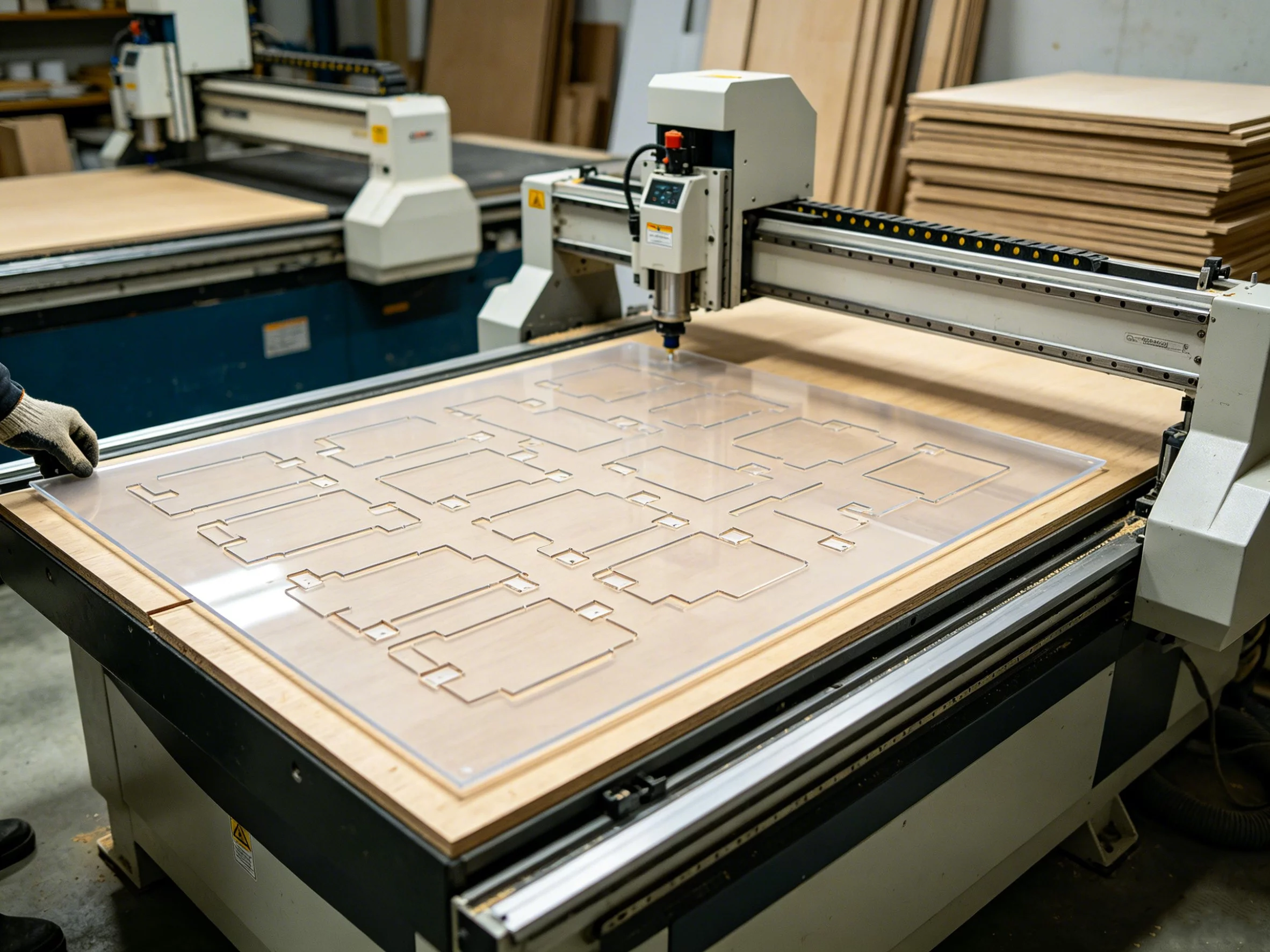
Immersion is the standard for general matte finishes. Masking allows for precise aesthetic features on components like knobs or panels. Spray etching suits large, complex geometries where immersion is difficult. Dry puff is a niche method using dry powder or gas for very small areas. Each method requires different chemical handling and safety measures.
Quality Control and Testing
You need clear metrics to define a “good” etch. Visual inspection is often insufficient for critical applications. You should measure surface roughness using a profilometer. The Ra value should fall within your specified tolerance. For cosmetic parts, check for uniform color and texture. White spots or streaks indicate uneven chemical flow. For functional parts, verify that the etching has not compromised wall thickness. This is critical for thin-walled tubes or sheets. Non-destructive testing can check for surface integrity. You should also check the passivation state after etching. Some applications require re-passivation to restore corrosion resistance. YPMFG can provide surface finish reports with your CNC machining services. We document the exact process parameters used for your batch.
Common Questions About Etching
Does etching affect the structural strength of stainless steel?
Typically, no. The depth of the etch is usually less than 100 microns. This removes a small fraction of the part’s total thickness. Structural integrity remains intact for most standard components. However, you must avoid etching areas under high mechanical stress.
Can you etch all grades of stainless steel?
No. Grades 304 and 316 are most common and etch well. Other grades like 316L may require different chemical ratios. The alloying elements affect how the oxide layer dissolves. Always send a coupon sample for testing before full production.
How long does the etching process take?
It depends on the bath temperature and acid concentration. Standard immersion times range from 30 to 90 minutes. Masked parts may require longer exposure times for unmasked areas. The total cycle time includes rinsing and passivation steps.
Is chemical etching more expensive than machining?
For large runs, chemical etching is often cheaper. It requires no tool wear and processes parts in bulk. For small, complex parts, it may be less efficient. CNC machining remains the primary method for forming the part geometry. Etching is a finishing step that adds value.
Choosing the Right Finish for Your Application
The goal is to balance aesthetic appeal, functional performance, and regulatory compliance. A matte etched finish can reduce glare and hide minor surface imperfections. It also improves paint adhesion for subsequent coatings. If your project involves intricate engraving, the masking process requires precise alignment. You need tight tolerances between the mask and the part surface. YPMFG supports projects that require complex surface finishing. We can integrate etching with CNC components manufacturing to save time. Send your drawings to us for an engineering review. We will assess the feasibility of the etching process and provide a quote. This ensures you have a clear path to production.