 English
  German
  Russian
  Japanese
  Korean
  Spanish
  French
  Italian
  Portuguese
 Quick answer:
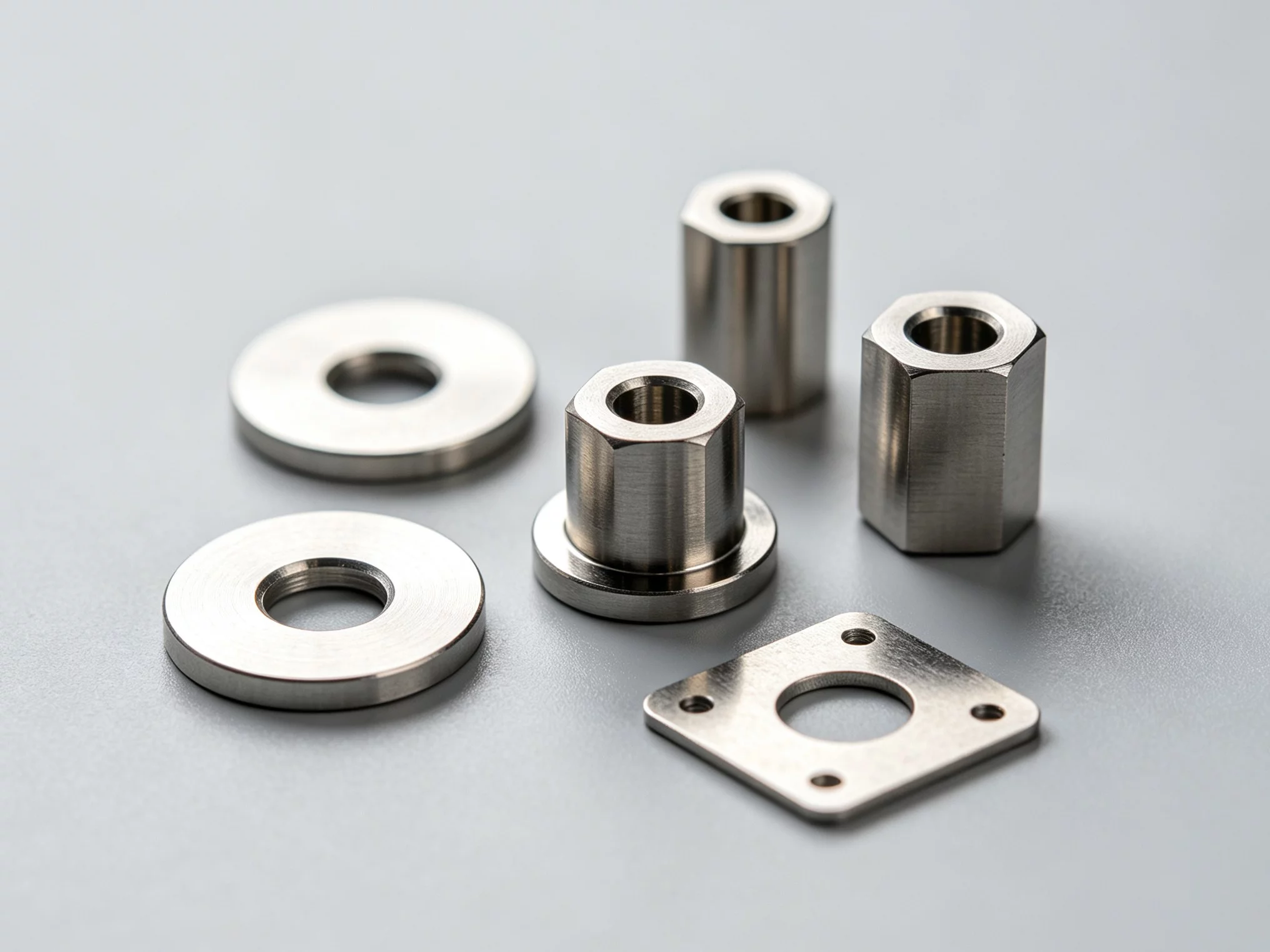
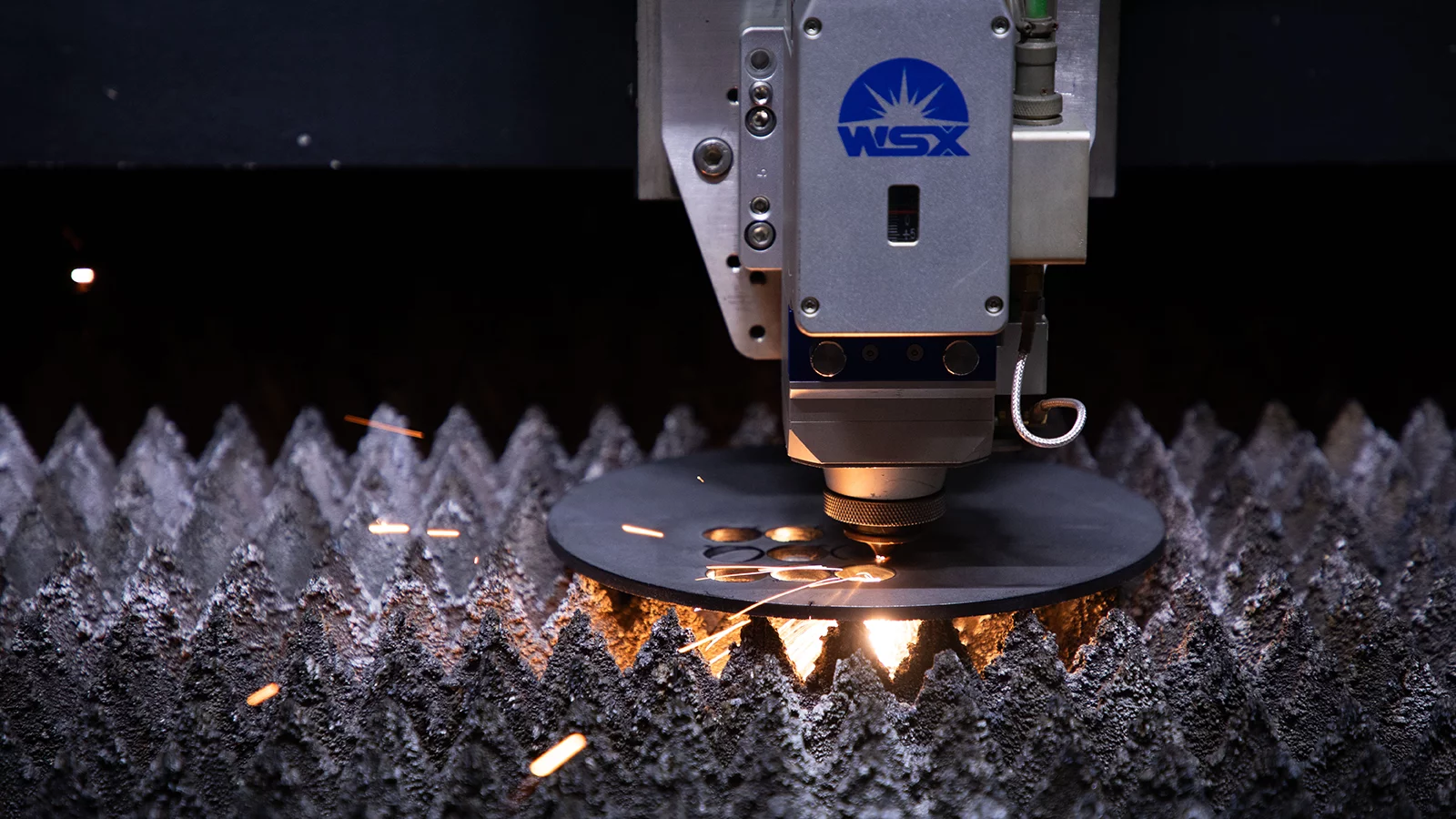
Brass stamping parts for electrical sockets are produced by feeding strip or coil brass (commonly C36000 or C26000 alloy) through progressive die sets that cut, bend, and form contact terminals, housing shells, and grounding clips in a single pass. At production volumes above 50,000 units, stamped components typically cost significantly less per piece than CNC-machined brass parts. The limitation is geometry: stamped parts work best for relatively flat or simple 3D profiles. Before tooling, confirm your material grade, plating specification, and dimensional tolerances to avoid costly rework.
Many socket and connector manufacturers weigh two paths for their brass components: progressive stamping or CNC machining. The right choice shifts your unit cost, lead time, and achievable tolerance by a wide margin. YPMFG supports buyers on both routes and can review your drawings to flag which approach holds your spec without over-engineering the part.
Why Brass Still Leads Socket Component Design
Brass is the default material for socket contacts, terminals, and grounding shells for three practical reasons. First, its electrical conductivity (roughly 15–20% IACS for C36000) meets the current-carrying demand of most household and light-industrial sockets. Second, brass resists corrosion far better than plain steel, which matters when a part sits inside a wall box exposed to humidity.
Third, brass offers excellent machinability and spring-recovery behavior after bending. Stamped contacts hold their preload without fatigue failure over thousands of insertion cycles. C36000 free-cutting brass is the most common grade; C26000 is chosen when higher conductivity or deeper drawing is required.
Stamping vs. CNC Machining for Socket Parts

The split between the two processes comes down to part geometry and run volume.
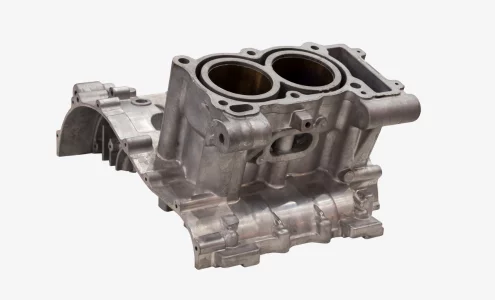
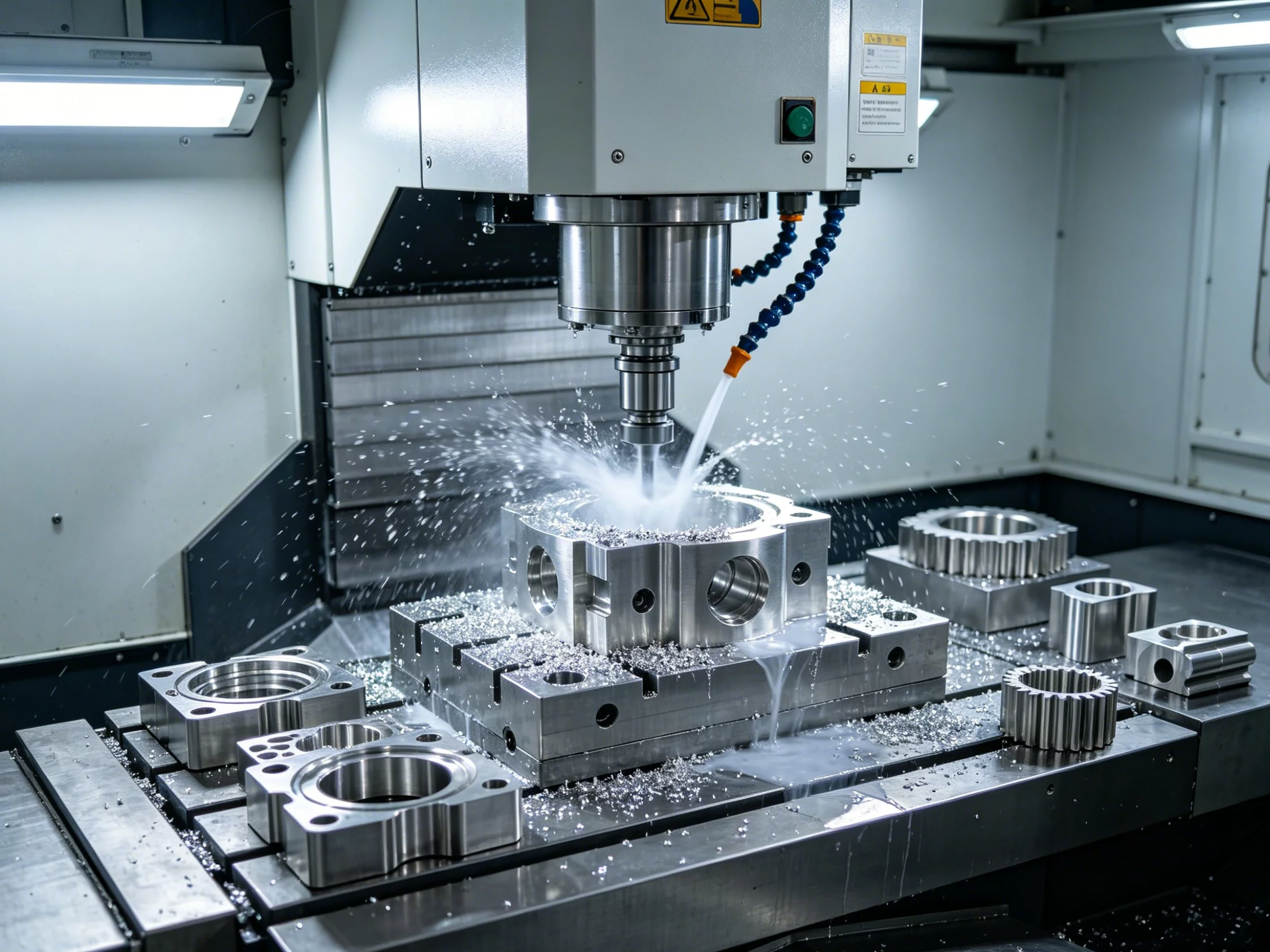
If your socket terminal is a simple L-shaped or U-shaped contact, progressive stamping will almost always win on cost. If the part carries multiple drilled holes, threaded features, or an irregular 3D contour, CNC brass parts are the safer route. YPMFG can cross-reference your 3D model against both process limits and recommend the lower-cost option that still meets your drawing.
Specs to Confirm Before You Place an Order
Treat the following as a pre-quote checklist. Sending a supplier this data set cuts revision cycles and avoids “sample-not-as-expected” disputes.
Material grade – state the exact ASTM or JIS designation (C36000, C26000, or a custom alloy).
Plating type and thickness – tin, nickel, or gold; specify minimum thickness in microns and the adhesion test method.
Dimensional tolerances – call out critical dimensions individually (e.g., contact spring width ±0.02 mm) rather than applying a blanket tolerance.

Surface finish – matte, polished, or as-stamped; note acceptable deburr or marking requirements.
Inspection and traceability – request a first-article inspection report (FAIR) and batch traceability by heat number.
With this packet in hand, YPMFG can return a firm quote and a process recommendation within a few working days.
Practical Questions Buyers Often Ask
Can stamped brass parts handle high-insertion-cycle applications?
Yes, provided the spring section is designed with adequate thickness and the material is annealed correctly. Fatigue life is typically verified through 10,000+ insertion test cycles. Confirm your target cycle count and ask the supplier for a spring-fatigue test report before release.
What tolerance can I realistically hold on a stamped contact?
Progressive dies commonly achieve ±0.05 mm on critical dimensions. If your drawing demands ±0.01 mm,that part likely needs CNC machining or a post-machining step on the stamped blank.
Do I need a second-source supplier for socket brass parts?
For safety-critical electrical components, running two qualified sources reduces single-point-of-failure risk on your production line. At minimum, qualify a backup die set or machining source.
How does plating affect contact resistance over time?
Tin and nickel plating resist oxidation and keep contact resistance stable across cycles. Gold plating is reserved for high-reliability or low-voltage signal contacts. Ask the plating vendor for a specific contact-resistance value at your rated current.
Matching Your Socket Spec to the Right Process
The right brass part depends on three variables: geometry complexity, production volume, and tolerance class. A simple stamped terminal at a million-unit run beats a machined part on cost by a wide margin. A complex, low-volume housing with threaded features goes the other direction.
If you have a drawing or 3D model in hand, send it to YPMFG for an engineering review. The team will confirm material suitability, flag tolerance risks, and propose a process path that keeps your BOM predictable. You get a clear answer on method, alloy grade, and rough cost before you commit tooling budget.