 English
  German
  Russian
  Japanese
  Korean
  Spanish
  French
  Italian
  Portuguese
 Quick answer:
CNC machining is the broad category of computer-controlled subtractive manufacturing. CNC turning is one specific operation within that category, where a workpiece rotates against a cutting tool to shape cylindrical parts. CNC milling, by contrast, uses a rotating cutter to carve flat or complex features from a stationary part. The right choice depends on part geometry, material, tolerance, and batch size. Picking the wrong process adds rework, extends lead time, and increases cost. Matching the correct operation to each feature is the first step in a clean, economical RFQ.
Many buyers use “machined” and “turned” interchangeably in their drawings. The distinction matters because a part that truly needs turning will cost more if routed through a milling center, and vice versa. YPMFG reviews incoming specifications to confirm the process route before quoting, so you don’t absorb unnecessary operations.
How CNC Turning Differs from General CNC Machining
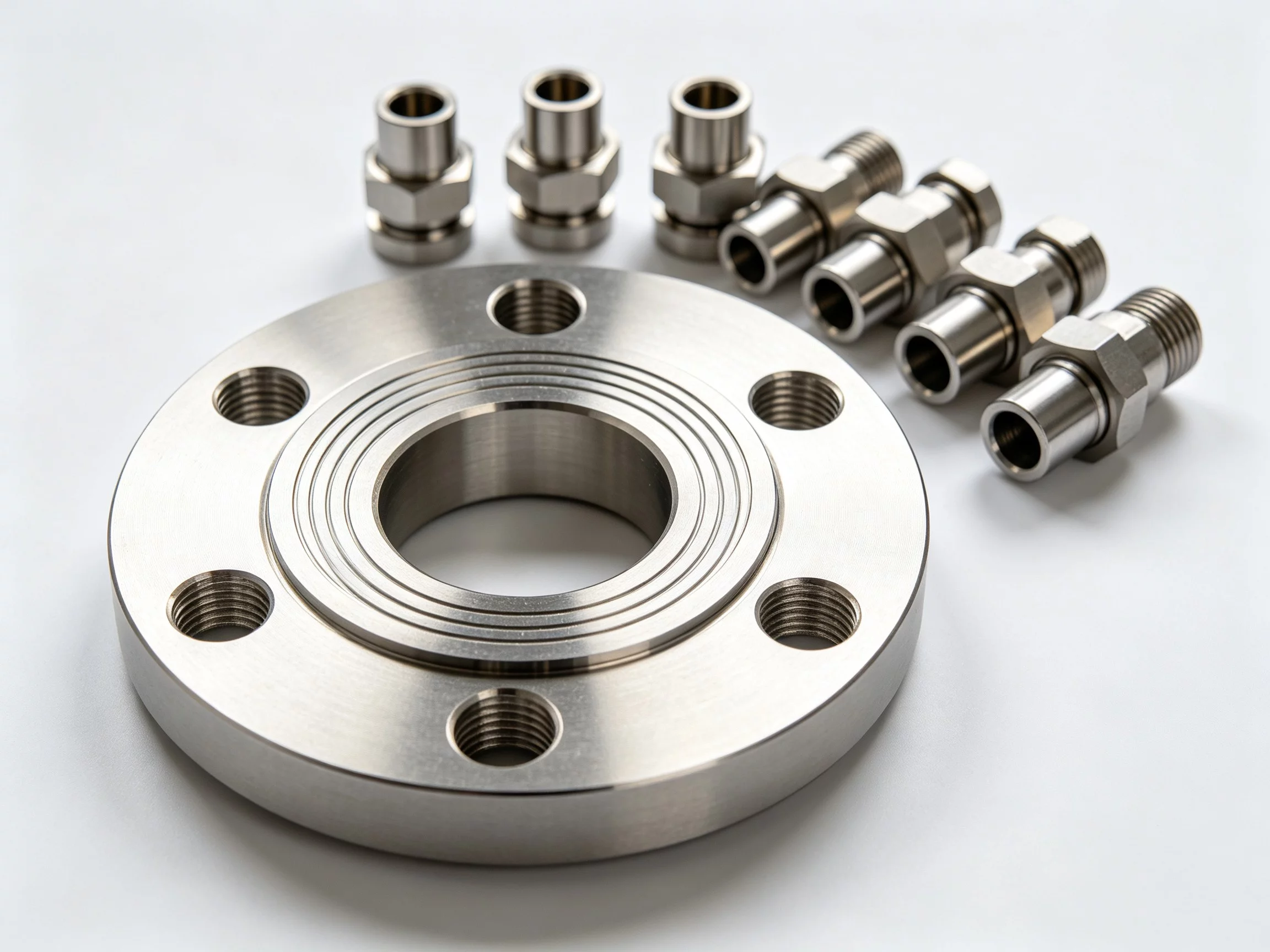
CNC turning is a subtractive manufacturing method in which the workpiece spins while a tool removes material. This makes it the natural fit for rotational components: shafts, bushings, flanges, couplings, and threaded fasteners.
Milling works the other way. A rotating multi-edge cutter moves along programmed paths to cut pockets, slots, flat surfaces, and non-cylindrical profiles. A lathe simply cannot reach those geometries.
In real production, a single part often combines both. A stepped shaft with a threaded end, a machined flat, and a bore would be turned and milled on a mill-turn or turret center. The sequence you select determines how many setups the part needs and where dimensional accuracy can drift.

Choosing the Right Process for Your Part
Before you send a drawing to a supplier, check three things on your own:
Part geometry. Is it primarily cylindrical, or does it have complex 3D features? Cylindrical shapes favor turning; irregular shapes favor milling.
Tolerance and finish. Turning delivers tight concentricity on axial dimensions. Milling controls flatness and positional features more effectively.
Material and volume. Hard alloys like titanium or Inconel behave differently on a lathe versus a 5-axis CNC machining center. Small batches may justify flexible multi-task machines over dedicated lines.
Choosing incorrectly means rework, scrapped stock,or a second operation that quietly adds 15–30 % to unit cost. YPMFG’s engineering team walks through your drawing and recommends the most efficient process route before you commit to a firm quote.
Turning vs Milling at a Glance
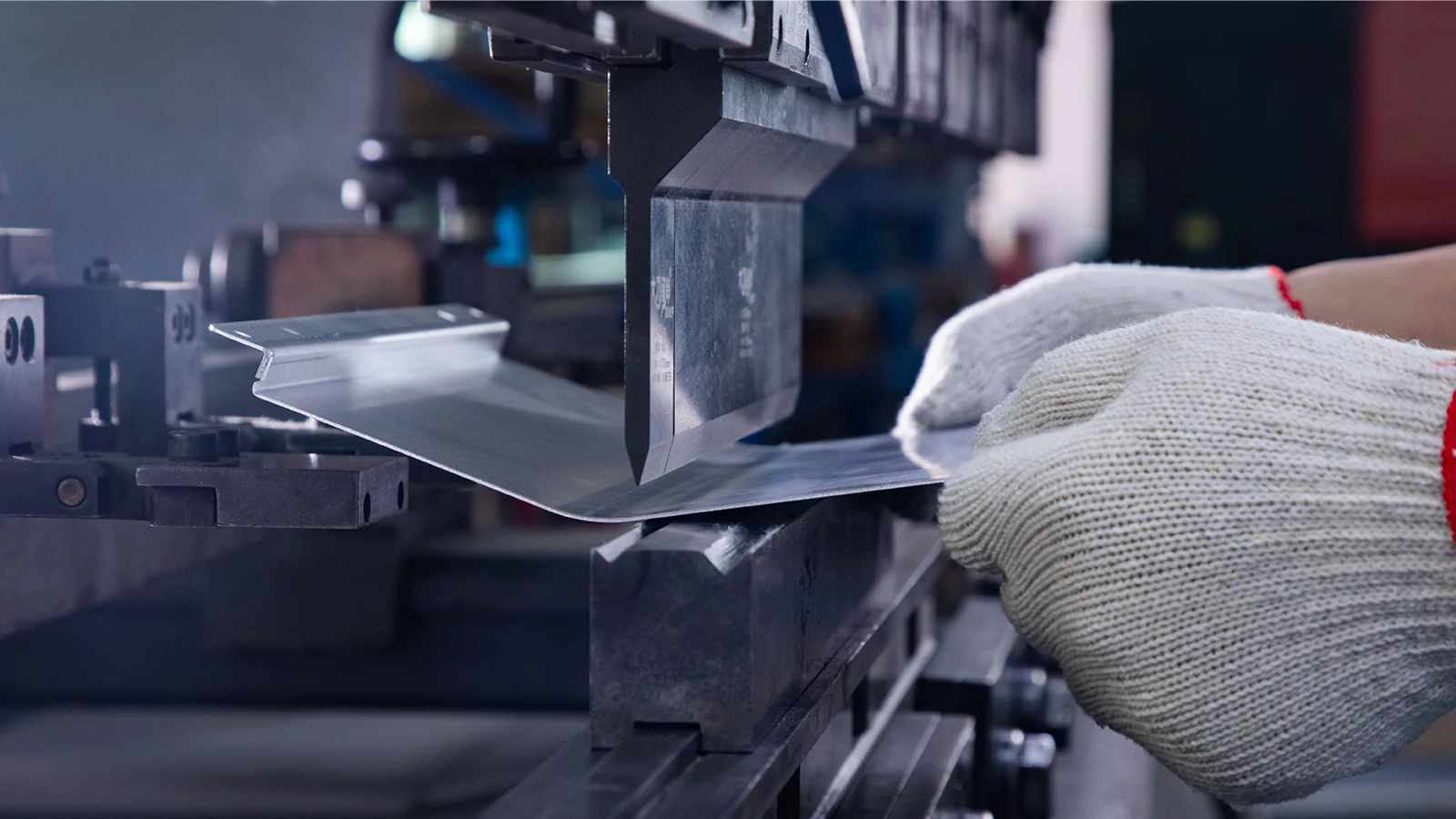
When a part falls in the overlap zone, a mill-turn center completes the job in one setup, reducing handling and keeping tolerances tighter. That single-step advantage often shortens the production schedule by a full shift.
Questions Buyers Often Ask
Do I need turning if my part has a small flat face?
Usually no. A single milling pass handles a 2 mm face without adding a lathe setup. Route the whole part through a mill unless the flat is critical to concentricity with an adjacent bore.
Can one supplier cover both turning and milling?
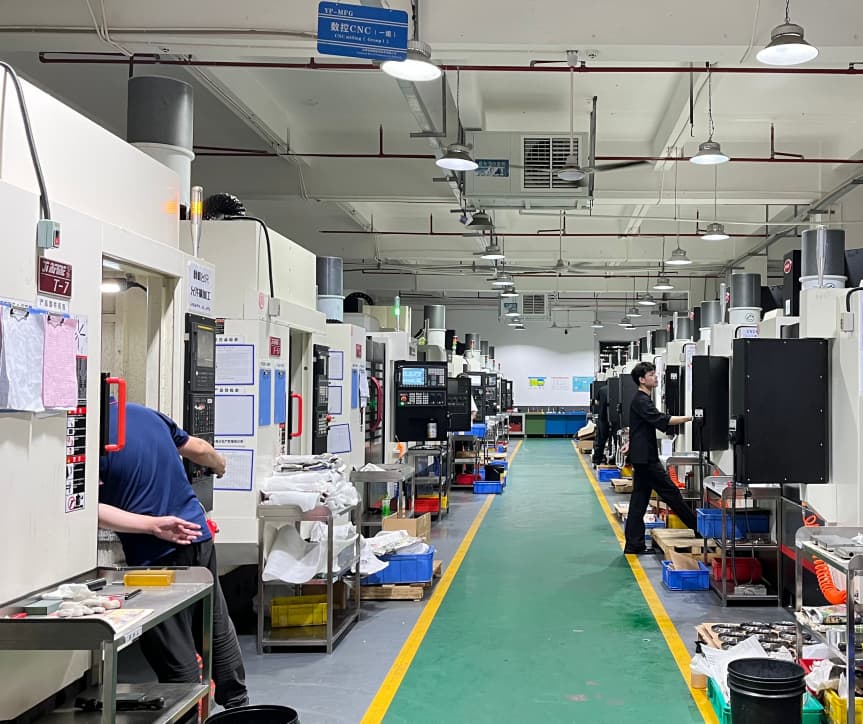
Yes. Shops that run turning and milling in-house cut outsourcing risk and keep lead times predictable. YPMFG operates both processes under one roof so your BOM stays on a single quality plan.
How does batch size change the process choice?
High-volume production favors dedicated CNC turning or milling lines for throughput. Prototype and low-volume work benefits from flexible multi-task machines that accept a mixed part list.
What should I include in my RFQ?
Send material grade, tolerance callouts, surface-finish requirements, and quantity. A marked-up drawing with notes eliminates guesswork and speeds up the first quote.
Need Help Matching Process to Part?
If your component list mixes turned, milled, and milled-and-turned parts, send the full BOM to YPMFG for a one-time process review. You can request a custom CNC solution, a firm quote with lead time, or engineering feedback on any feature that might work better on a different machine. Share your drawings or spec sheets and the team will flag anything before you lock in a purchase order.