English
 German
 Russian
 Japanese
 Korean
 Spanish
 French
 Italian
 Portuguese

Ordering forty custom parts feels odd in a world built around thousands. Factories like big runs and small jobs often get pushed to the back of the line. That is where On Demand Manufacturing helps. This is where On Demand Manufacturing comes into play. You only pay for what you want, you will have it quickly, and nothing will be stored on shelves gathering dust.
However, small batches also have their issues. The setup time stays constant whether you are producing five pieces or 500 pieces so each piece ends up costing more. Choosing the appropriate approach quickly is an economical solution. We will take a walk through what works for custom components and where they begin to slip.
Why Small Runs Cost More
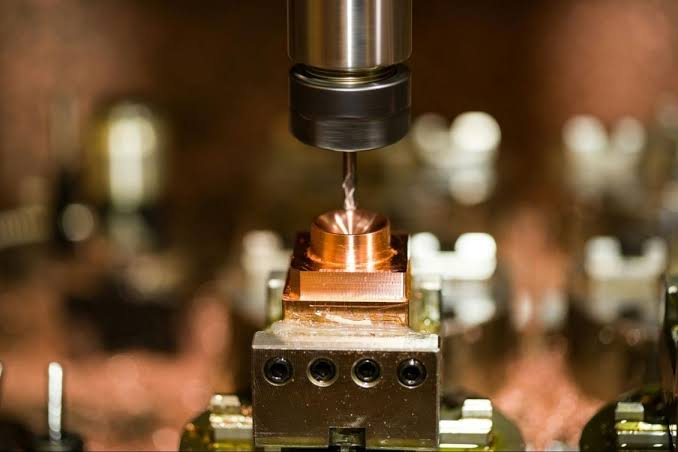
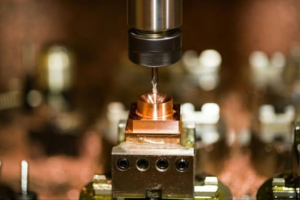
Every job begins with setup. Someone loads the program mounts the tooling and checks the first piece by hand. With CNC Turning round bar stock spins while a cutter shapes it and that setup cost gets split across fewer parts.
Round parts, such as pins, bushings and shafts, are still one of the cheaper options to turn. If a program has proved itself then request the shop to save it. Reorders then run smoother and cost less since the hard thinking is already done. It is like a recipe card in the recipe drawer.
Match Process to Part Shape
Shape decides a lot. Round parts belong on a lathe. Boxy or flat parts with pockets and slots usually go to a mill. Odd curves may need 3D printing. Forcing a bracket onto a lathe waste both time and metal and nobody enjoys that phone call.
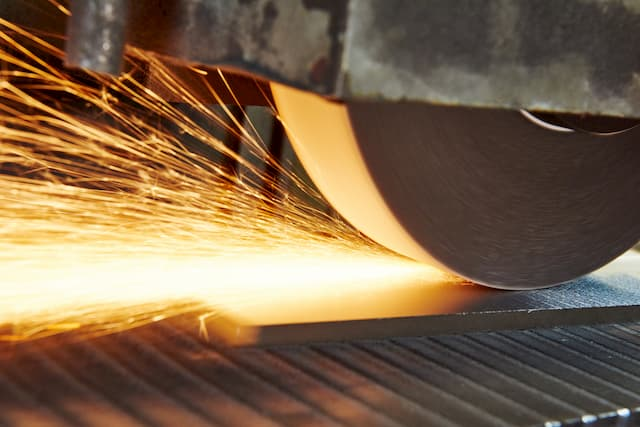
Aluminum is quick and cheap. Stainless steel is slow and tends to dull the cutting tools. Plastics can get warped by heat buildup. Send us your design and choice of materials early as we will advise you on how to reduce costs.
Fast Turnaround, Still Careful
Online quotes now come back in minutes often with design feedback attached. Easy parts take approximately three to five days to arrive. This is important when there is little time before a prototype deadline and the team is already exhausted. Rush jobs show weak spots quickly.
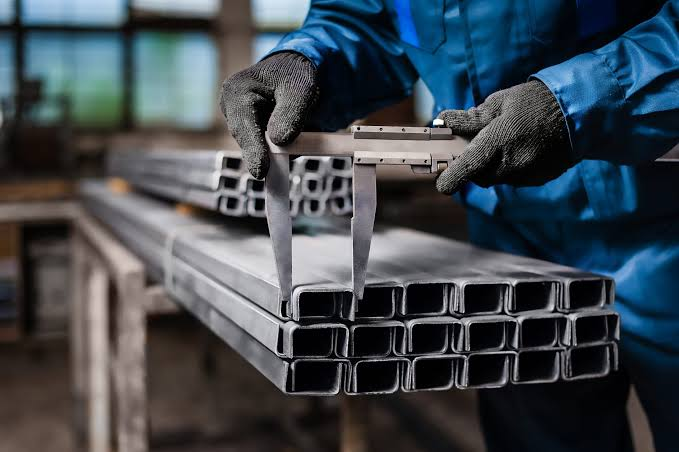
Quality checks still count though. Ask about first article reports material certificates and how parts get measured. A shop that answers quickly and clearly usually runs a tidy floor. One that dodges the question? Keep looking. Small details tell the story.
Keeping the Total Cost Low
Price per part tells only half the story. Count tooling, shipping scrap and the hours your own people spend chasing updates. A slightly higher quote with clear communication often beats a cheap one that shows up late. I have watched that go wrong more than once.
Design choices help a lot. Avoid tiny inside corners. Loosen tolerances where the part does not need them. Use standard hole sizes. Each change trims machine time and those minutes pile up across a batch of fifty. Cheap wins often hide in the drawing.
Prototype Before You Commit
Early designs change. Always. The first sample may have a hole in the wrong place or it may have a binding thread. It is a very expensive process to make ten pieces before testing one. Order one part holds it and assemble it to the other parts. Low-cost lessons are better than high-cost lessons.
On-demand manufacturing keeps that loop short because single-piece orders are fine. You test fix the file, and order again. After a couple of rounds a bigger run feels safer. Less waste fewer surprises.
Conclusion
Small batches cannot be a pain. Compare the process to the shape design keeping the machine in mind and test out one part before ordering a lot. CNC Turning is ideal for round parts and other techniques are ideal for boxes curves and odd shapes. Use the RIGHT tool for the RIGHT job. Effective custom work begins with transparent designs and open communication with your supplier. On-demand manufacturing has low risk and fast learning. Take it slow carefully begin with one part and order when ready. This gradual progression typically ends up being worthwhile.