English
 German
 Russian
 Japanese
 Korean
 Spanish
 French
 Italian
 Portuguese

CNC aluminium prototyping is a precision machining process that turns a 3D CAD model into a functional aluminium part using computer-controlled cutting tools. It is the fastest reliable path to small-batch metal components with tolerances of ±0.01 mm or better. The process fits design validation, iterative testing, and low-volume runs before you commit to production tooling. Material grade, part geometry, surface finish, and batch size all shift lead time and unit cost. Getting those parameters right early prevents rework and keeps the prototype usable on a real test bench.
Most buyers start a CNC aluminium prototyping project with a CAD file and a rough cost expectation. What they learn fast is that tolerance, wall thickness, and finish requirements can change the quote by several times. YPMFG works with engineering teams to close that gap before the first cut is made, so the part arrives ready to test rather than ready to scrap.
Key Specifications That Shape Your Prototype
Before any quote is valid, these five parameters need to be locked in:
A 6061 part at 0.05 mm tolerance with a 3.2 µm finish will cost far less than the same geometry in 7075 at 0.01 mm and 0.4 µm. You can send your drawing to YPMFG for a quick engineering review that flags which specs are driving cost up and where a slight relaxation saves money without hurting performance.
Cost Factors Behind the Quote
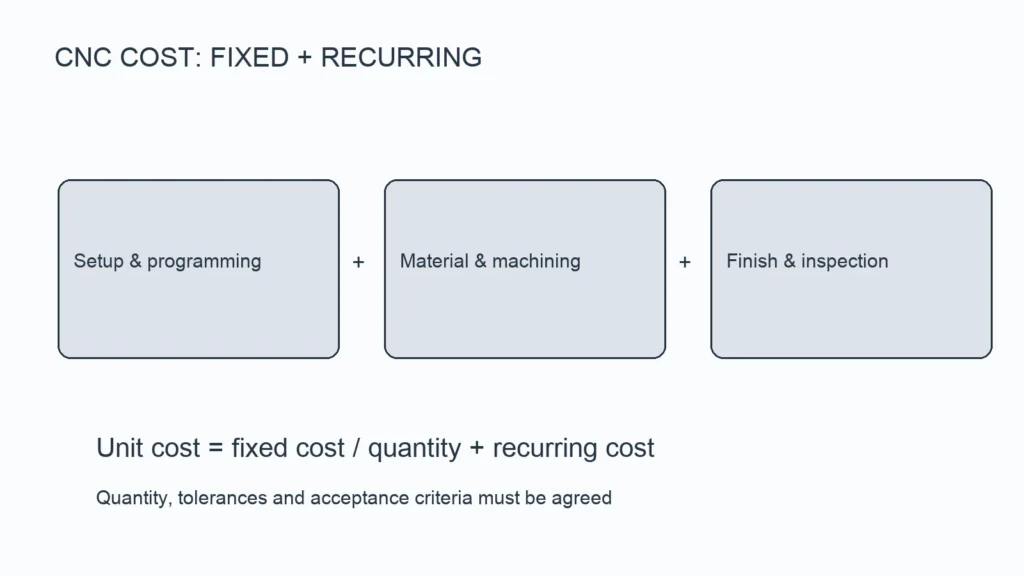
The unit price is rarely just “material times hours.” Several variables stack up fast.
Material grade: 7075 billet costs roughly 30–50 % more per kilogram than 6061; 5052 adds a further premium for corrosion resistance.
Machining complexity: Internal cavities, thin webs, and deep pockets require multi-setup or 5-axis operations, adding setup time.
Surface treatment: Anodising, powder coating, or post-machining polish are quoted as separate post-process steps.
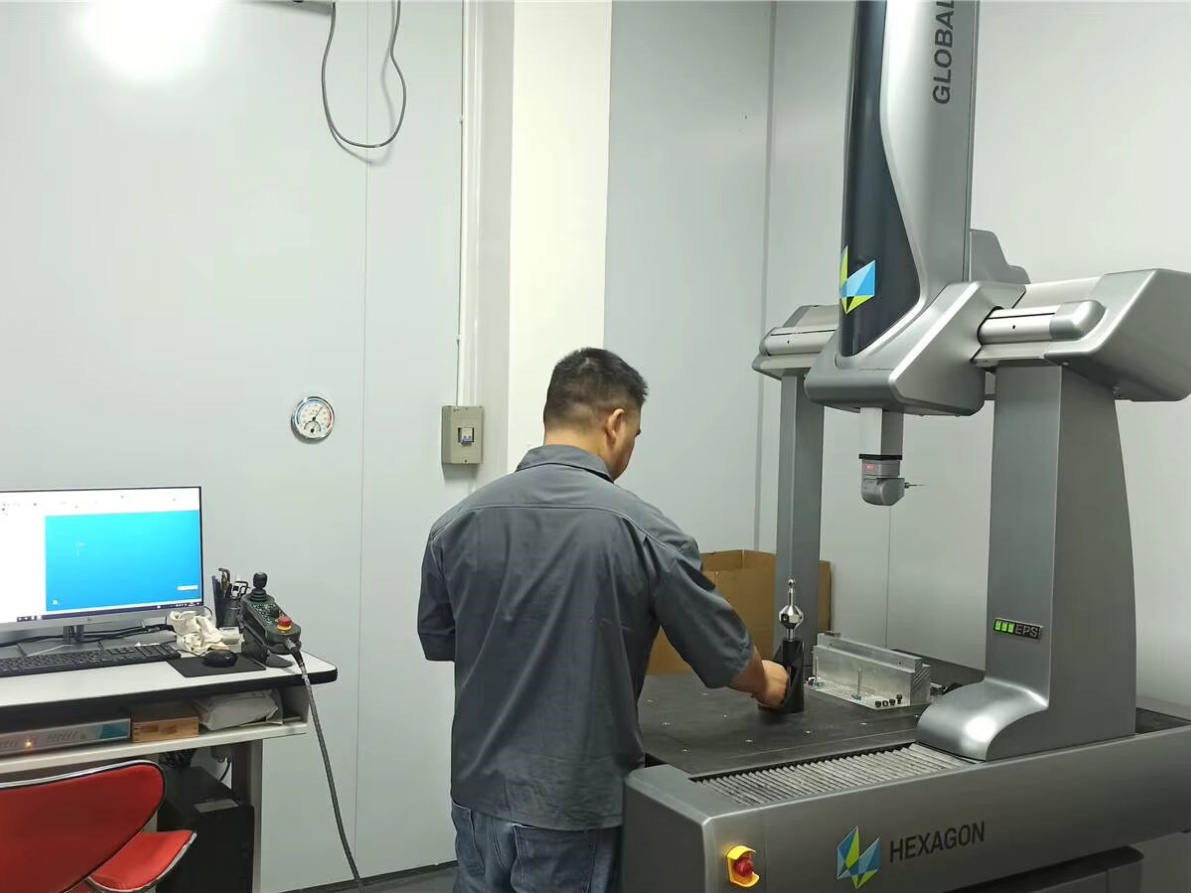
Inspection and documentation: CMM reports, material test certificates, and first-article inspections add 10–20 % to a small-batch quote.
Volume curve: Moving from 5 pcs to 500 pcs can cut per-unit cost by 40–60 %, but only if the design is stable.
Always request an itemised quote that breaks out material, machining, finishing, and inspection. A single bundled number hides where the savings come from and makes it hard to negotiate changes later.
Common Mistakes Before Placing an Order
These are the issues that cause rework, delay, or parts that fail on the test bench.

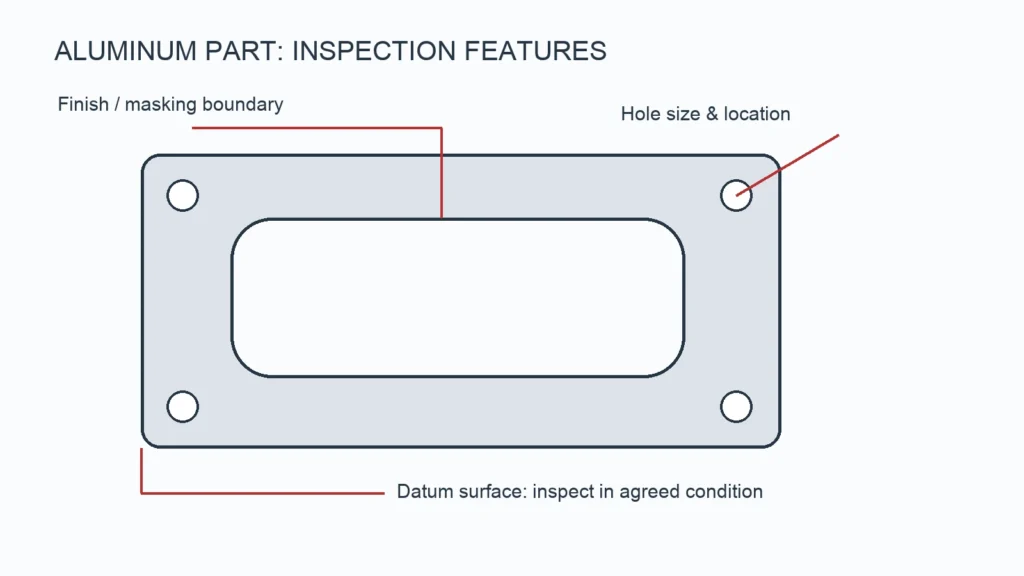
Unspecified tolerance on functional features: If the drawing says “general tolerance” on a mating surface, the machinist defaults to ±0.1 mm, which may not clear the assembly.
No datum scheme defined: Without clear primary, secondary, and tertiary datums, each part may sit in a different orientation, wrecking batch consistency.
Choosing alloy by habit: 6061 is the default for most buyers, but a high-stress joint may need 7075, and a marine part may need 5052 for corrosion resistance.
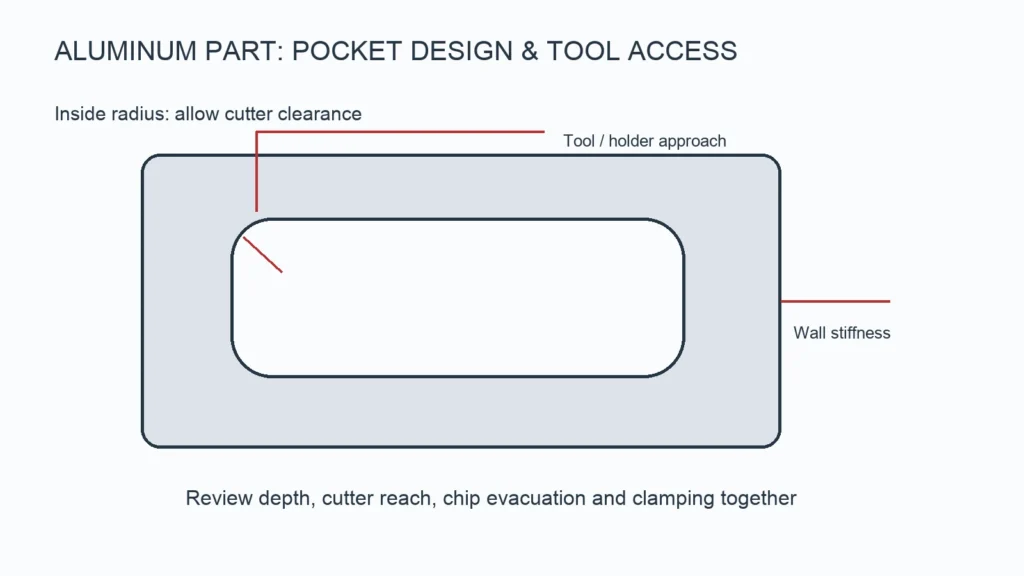
Skipping the DFM pass: Sharp internal corners, zero-radius edges, and features thinner than 1 mm are hard to machine and add cost.
A 15-minute design-for-manufacturability review catches most of these before the first cut. You can send your STEP or DWG file to YPMFG for that review before committing to a full quote.
Questions Buyers Often Ask
What file formats do I need to send for quoting?
STEP (.stp) or IGES (.igs) for 3D geometry. DXF or DWG for 2D profiles. Include your tolerance callout table and any GD&T notes directly on the file. PDFs help for context but are not used for CAM programming.
How fast can a single aluminium prototype be delivered?
For a straightforward part in 6061 with standard finish,lead time is often 3–7 working days from approved drawing to finished part. Complex 5-axis geometries or post-machining surface treatments can push this to 10–15 days.
Can I get material traceability on a prototype batch?
Yes. Most shops, including YPMFG, can attach a heat-number traceability sheet and a material test certificate to each part or batch on request.
What tolerance should I call out on a functional surface?
Start with ±0.02 mm for mating features and ±0.05 mm for general surfaces unless the assembly demands tighter control. Every micron of tolerance you add costs machining time, so go tighter only where the function truly requires it.
Choosing the Right Path for Your Prototype
The goal is a part that actually tests your design, not a decorative model. Lock your alloy, tolerances, and finish spec first, then compare quotes on an itemised basis. If you are unsure where a feature tolerance should sit or whether 6061 is the right alloy for your load case, send your drawing to YPMFG for an engineering review. They will flag manufacturability risks, suggest tolerance adjustments that save cost, and return a firm quote with a clear lead-time commitment. That review is the fastest way to turn a CAD file into a part you can put on a test bench.