English
 German
 Russian
 Japanese
 Korean
 Spanish
 French
 Italian
 Portuguese

Customized stainless steel sheet metal fabrication means cutting, bending, welding, and finishing flat sheets into a finished part or enclosure to your exact drawings. The process chain typically runs through laser or plasma cutting, CNC press-brake bending, TIG or MIG welding, and surface finishing such as passivation or brushing. Final cost is driven by material grade, sheet thickness, dimensional tolerance, batch volume, and post-processing steps. Before you send a spec, confirm the stainless steel grade, target tolerance, and whether your application requires corrosion resistance or food-contact compliance.
Most buyers request a quote with incomplete drawings, undefined material specs, or no clarity on how tolerance drives tooling and finishing cost. That gap leads to change orders, rework,or parts that fail to fit the assembly. YPMFG helps engineers and procurement teams close those gaps before production starts, so the first run is the right run.
Choosing the Right Stainless Grade
The grade you select determines cost, corrosion resistance, and whether the part can go into your target environment. 304 stainless steel is the default for general-purpose enclosures, brackets, and industrial hardware. 316 stainless steel adds molybdenum for better resistance to chlorides, making it the standard for marine, chemical, and food-processing applications. 430 stainless steel is magnetic and lower-cost, suited to indoor decorative or non-corrosive-use parts.
If your spec sheet only says “stainless” without a grade, the fabricator will default to 304. That saves money on the material line but may fail in a chloride-heavy or high-temperature environment. Always state the grade, the sheet thickness in millimeters, and the minimum bend radius for your material on the drawing.
Tolerance, Flatness, and Why They Drive Cost
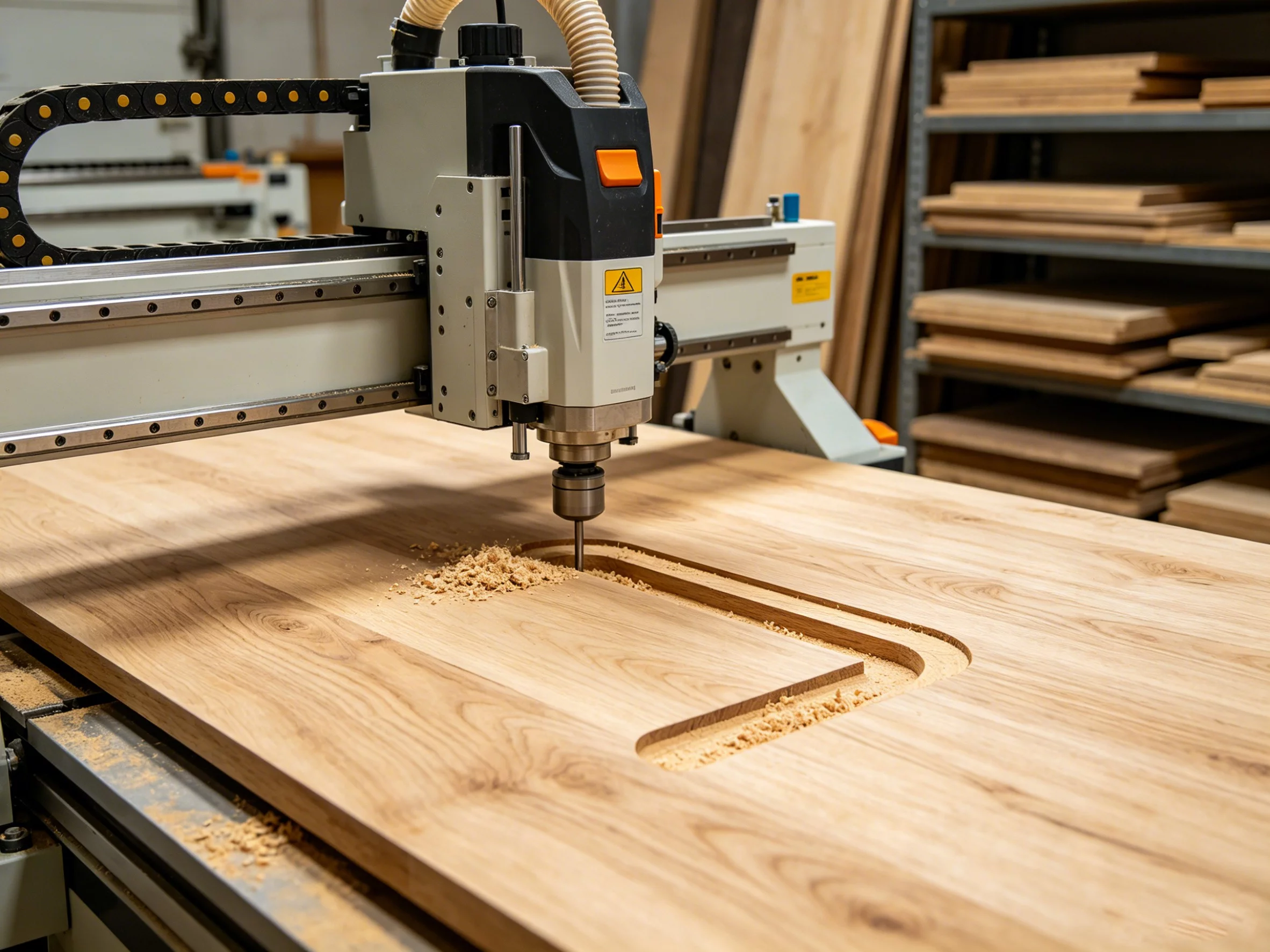
Tight tolerances on flat parts are the single biggest cost multiplier in sheet metal fabrication. A ±0.1 mm tolerance on a large panel requires additional fixturing, slower CNC cutting passes, and a post-bend inspection step that a ±0.5 mm part skips entirely. Flatness specification, such as 0.2 mm over a 300 mm span, adds another layer of quality-control labor and rework risk.
Before finalizing your drawing, check which dimensions actually need tight control. In many cases, only the mating or interface features require ±0.1 mm. Non-critical edges can tolerate ±0.5 mm without affecting function, which lowers cycle time and scrap rate. YPMFG’s engineering team will flag dimensions where a looser tolerance is sufficient and still protects your assembly fit.
A Practical Pre-Order Checklist
Use the table below to verify your package before sending it to a fabricator.
If any cell in that table is blank, your quote will carry assumptions you did not make. Filling in every row before the RFQ removes the most common source of pricing surprises and rework.
Common Questions Before Ordering

What is the minimum order quantity for custom stainless sheet parts?
It depends on part geometry and whether the fabricator uses shared or dedicated tooling. Many CNC shops will run single units for prototyping, but volume discounts typically kick in at 50 or 100 pieces. Confirm MOQ in writing before committing to a delivery window.
Can I use the same drawing for both 304 and 316?
Yes, the geometry stays the same. The difference is material cost and chemical resistance. If your application environment may shift, for example from indoor to coastal, re-evaluate the grade before placing a repeat order.
How does sheet thickness affect bend quality?
Thinner gauges below 0.8 mm need a larger minimum bend radius to avoid cracking or springback variation. Thicker sheets above 3 mm require higher-tonnage press brakes and may show visible bend-line marks. State your gauge and acceptable bend appearance on the drawing.
What finishing should I specify for outdoor use?
Brushed or passivated 316 is a common baseline. If the part sits in a high-salinity or industrial-emission zone, add a powder-coat or PVD layer and specify the minimum coating thickness. Verify the finish will not interfere with mating surfaces.
Do I need a certified mill test report with each batch?
For food-contact, medical, or aerospace applications, yes. For general industrial use, a material cert is often sufficient. Ask the fabricator which certification level they provide and whether it is included in the quoted price.
Need Help Specifying Your Part?
Send your current drawing or a rough sketch to YPMFG and request a stainless steel sheet metal fabrication engineering review. The team will check grade selection, tolerance feasibility, bend radii, and finishing options, then return a revised spec with a firm quote. No minimum commitment is required to get started.