 English
  German
  Russian
  Japanese
  Korean
  Spanish
  French
  Italian
  Portuguese
 Quick answer:
OEM custom precision sheet metal fabrication parts are manufactured to exact engineering drawings, using materials like stainless steel, aluminum, or mild steel. The process typically involves laser cutting, press braking, welding, and deburring. Tolerances commonly range from ±0.1 mm to ±0.05 mm depending on the application. Buyers should verify material certification, bend feasibility, and surface finish requirements before committing to a production run. YPMFG supports OEM projects that require tight tolerances and repeatable batch consistency across long-term supply agreements.
If you are sourcing OEM custom sheet metal fabrication components for an end product, the decision is not just about unit cost. It is about whether a manufacturer can hold tolerance, manage material variations, and deliver consistent quality across hundreds or thousands of units without rework.
What to Verify Before Placing an Order
Before sending a purchase request, confirm these engineering inputs:
Tolerance specifications on every critical dimension
Material grade and certification (mill test reports, material number)
Bend radius and minimum flange length relative to sheet thickness

Surface finish requirements (passivation, coating, powder coat, or bare metal)
Production volume and acceptable batch lead time
Skipping any of these details forces the manufacturer to make assumptions. That assumption gap is where rework, delays, and cost overruns start.
Key Factors That Affect Cost and Feasibility
The unit price of a precision sheet metal part shifts based on several interlocking variables:
A part that looks simple on a 2D drawing may require custom jig design or custom tooling to hit the specified bend sequence without springback errors. Always confirm whether the manufacturer handles tooling in-house or outsources it.
YPMFG reviews incoming drawings for bend feasibility, material availability, and process routing before quoting. This pre-check step helps buyers catch design conflicts early, when changes are still inexpensive.
Tolerances, Materials, and Process Selection
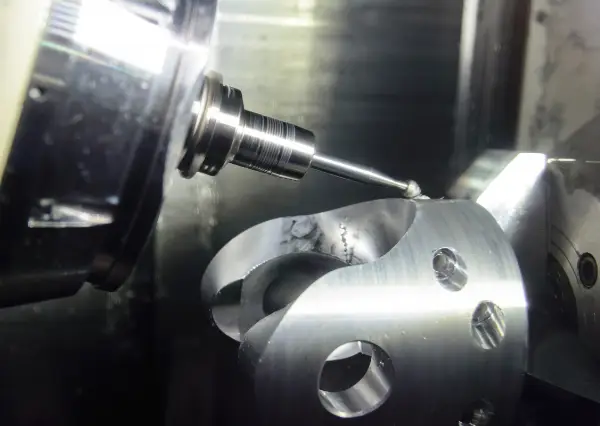
Not every application demands the same process. CNC sheet metal machining (laser, waterjet, or plasma) handles intricate profiles and thin-gauge work. Traditional press braking handles straight bends on flat patterns. A hybrid approach—laser-cut flat parts followed by multi-station pressing and selective welding—covers most mid-complexity OEM components.
Material choice drives corrosion resistance, weldability, and weight. Material selection between 304 and 316 stainless, for instance, depends on whether the part will see chloride exposure. Aluminum alloys offer weight savings but limited bend angles without cracking. Mild steel is cost-effective for structural brackets that will be painted or coated.
The right process-material pairing is confirmed through a trial bend and a dimensional check against the tolerance specifications before any full batch is released.
Common Questions From OEM Buyers
How tight can sheet metal tolerances realistically go?
Depends on thickness, material, and bend location. Pressed bends on 3 mm steel typically hold ±0.1 mm. Laser-cut edges on 1 mm aluminum can reach ±0.05 mm. Quality inspection methods (calipers, CMM, go/no-go gauges) should match the critical tolerance level.
Do I need to ship material, or can the manufacturer source it?
Most OEM sheet metal fabrication partners stock common grades (304,316, 5052, 1008) and handle procurement. You provide the material number and certification requirement. Specialty or certified materials may add 1-2 weeks to lead time.
What documents should I attach with a quote request?
Send the 3D CAD file (STEP or IGES), a 2D drawing with all critical dimensions and GD&T symbols, the material specification, surface finish callout, and target annual volume. YPMFG’s engineering team reviews these files and flags any manufacturability conflicts within one business day.
Can I get a sample before the production run?
Yes. Most custom sheet metal fabrication workflows include a paid prototype phase. The sample should be inspected against the same acceptance criteria you will use for the production batch, not just a visual check.
Choosing the Right Fabrication Partner
Long-term OEM supply depends on consistency, not a single good sample. Before committing, confirm that the manufacturer provides first-article inspection reports, material traceability records, and a defined corrective action process for out-of-spec batches.
If you are still comparing options, send your production volume target and drawing files to YPMFG for a feasibility review and engineering assessment. The team will outline process routing, identify tolerance risks, and return a detailed quotation with lead time and batch structure. No obligation—just a clear technical read on whether your part is ready for production.