 English
  German
  Russian
  Japanese
  Korean
  Spanish
  French
  Italian
  Portuguese
 Quick answer:
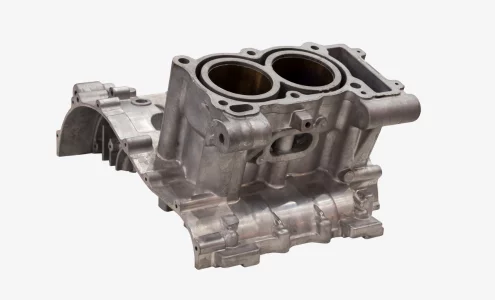
Sand casting parts are cost-effective for large, complex, or one-off metal components, but they have loose tolerances and rough surface finishes. Choose sand casting when part geometry is intricate, material volume is high, or production volume is low-to-medium. For critical dimensional accuracy, plan for machining or secondary operations. Verify foundry capabilities, material grades, and quality control protocols before ordering.
Understanding Sand Casting for Buyers
Buyers often face a dilemma between price and precision when selecting manufacturing methods. Sand casting offers the best balance for large structural components where extreme tolerance is not required. It supports various alloys including steel, aluminum, and bronze. However, initial surface roughness and dimensional variance are inherent characteristics.
YPMFG helps clients navigate these trade-offs by providing detailed process assessments. We align casting parameters with your engineering specifications to minimize post-processing costs. This approach ensures your sand casting parts meet structural requirements without unnecessary expenditure.
Cost Structure and Economic Factors
The primary advantage of sand casting is low tooling cost. Molds are expendable, making it ideal for prototypes and low-volume production. This differs significantly from investment casting or die casting, which require expensive permanent molds. Therefore, the break-even point for sand casting shifts based on part size and complexity.
Material cost remains the largest variable in total price. Steel castings cost more than aluminum due to raw material prices and energy-intensive melting. Complex geometries increase labor time for mold preparation and cleaning. Bulk production lowers the unit cost through material discounts and efficient machine utilization.
Typical Tolerances and Surface Finish
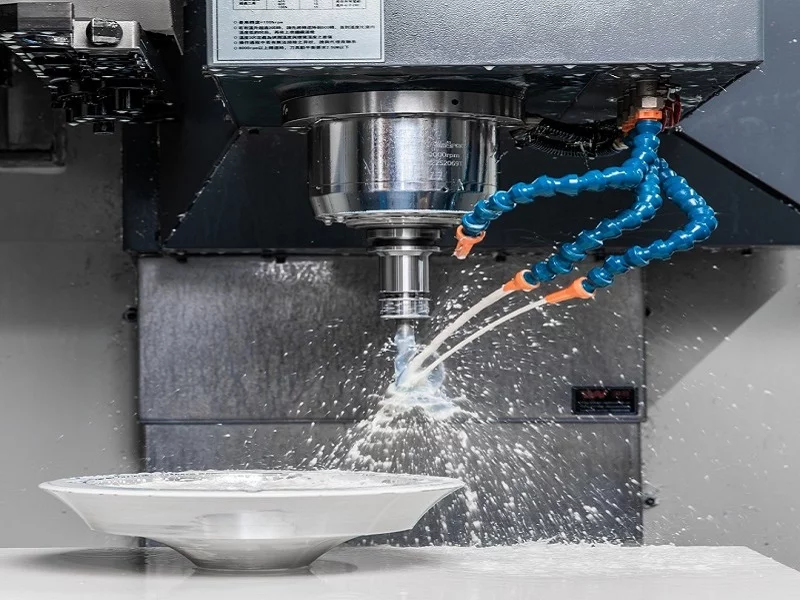
Buyers must understand that sand casting tolerances are significantly looser than CNC machined parts. Standard dimensional tolerance typically ranges from 0.8mm to 1.2mm depending on part size. Surface roughness usually falls between 125µm and 250µm Ra. These values may vary by alloy and foundry capabilities.
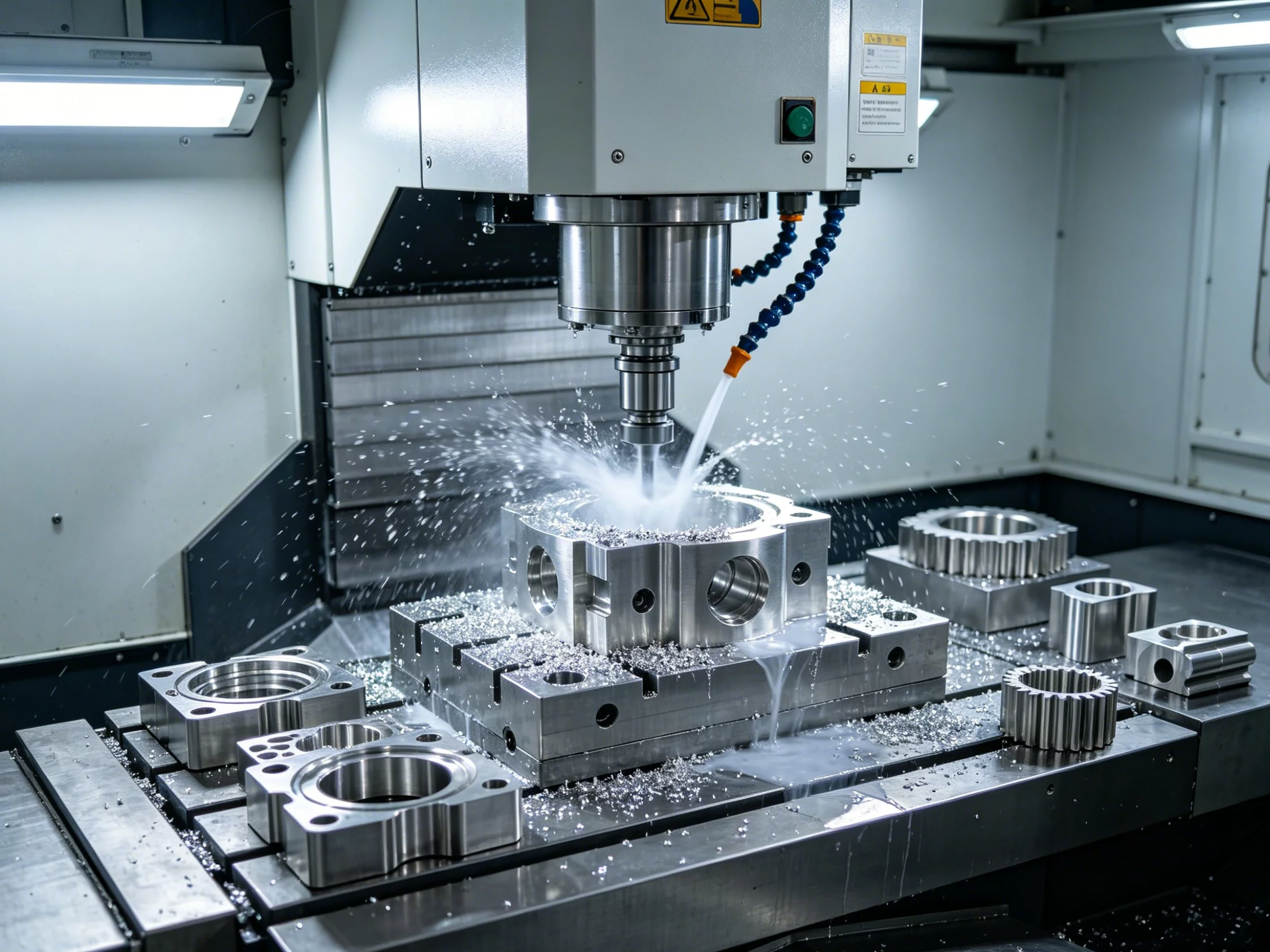
If your assembly requires tighter fits, you must budget for CNC machining services on cast components. This hybrid approach preserves the cost benefits of casting while achieving necessary precision. Always define critical dimensions in your drawings to prioritize machining efforts.
Material Selection and Application Scenarios
Ductile iron is popular for automotive and power transmission applications due to its strength and machinability. Gray iron is chosen for vibration damping in machine bases and engine blocks. Aluminum sand castings are used where weight savings and corrosion resistance are priority. Stainless steel sand casting supports high-temperature and corrosive environments.
Selecting the wrong material leads to functional failure or excessive weight. For instance, using gray iron where ductile iron is required may cause brittle fracture under load. Consult your foundry on material selection based on stress requirements and operating conditions.
Comparison of Manufacturing Methods
To make an informed decision, compare sand casting against other methods. The table below highlights key differences for common metal manufacturing processes.
This comparison shows that sand casting wins for large,complex, or low-volume parts. It is not suitable for high-volume small parts requiring tight tolerances. Match your production profile to the method that minimizes total cost of ownership.
Common Quality Risks and How to Mitigate Them
Sand casting is prone to specific defects that can compromise part integrity. Gas porosity occurs when trapped gases fail to escape during solidification. Hot tears happen if the metal contracts under stress during cooling. Shrinkage cavities form when internal feeding is insufficient.
To mitigate these risks, require your supplier to implement strict process controls. Ask for Non-Destructive Testing (NDT) results such as X-ray or ultrasonic inspection. Visual and dimensional inspection should be standard for every batch. YPMFG supports quality assurance by providing traceable documentation and defect analysis reports for critical metals processing projects.
Inspection and Testing Standards
Specify inspection standards in your Request for Quotation (RFQ). Common standards include ASTM A395 for ductile iron and A536 for gray iron. Radiographic testing (RT) is often required for critical load-bearing components. Magnetic particle testing (MT) detects surface cracks effectively.
Do not accept parts without material certifications and heat numbers. These documents link the part to the specific melt batch. This traceability is crucial for quality audits and warranty claims. Ensure your quality agreement clearly defines acceptance and rejection criteria for defects.
Questions Buyers Often Ask About Sand Casting
Can sand casting produce thin sections?
Yes, but there are limits. Minimum wall thickness depends on the alloy. Aluminum can cast thinner sections than steel. Thinner walls solidify faster but are more prone to porosity if not designed correctly.
What is the lead time for sand casting parts?
Lead time varies by complexity. Simple parts may take 4-6 weeks. Complex assemblies with machining can take 8-12 weeks. Prototyping usually takes longer due to mold modification.
Is sand casting suitable for high-pressure applications?
It is suitable if the correct alloy is selected. Ductile iron and certain aluminum alloys handle high pressure well. Gray iron is generally not recommended for high-pressure dynamic loads.
How do I reduce machining costs after casting?
Design your part with generous machining allowances. Avoid machining large surface areas. Place critical features away from shrinkage-prone areas. Use simulation tools to predict heat flow and solidification.
Choosing the Right Sand Casting Partner
Selecting a foundry is a strategic decision. You need a partner who understands material science and process engineering. Look for facilities with quality management systems and proven inspection capabilities. YPMFG offers engineering review for your designs to identify potential casting defects early. Send your specifications for a technical assessment and accurate quote. This ensures your sand casting part project starts on the right footing.