English
 German
 Russian
 Japanese
 Korean
 Spanish
 French
 Italian
 Portuguese

CNC machining technology uses computer-controlled tools to remove material from raw stock and produce precision parts. It covers CNC milling, CNC turning, drilling, and grinding, all driven by G-code programs generated from CAD models. The process delivers tight tolerance requirements — often within ±0.01 mm or better — making it the default choice for industrial, aerospace, and medical components. Unlike casting or 3D printing, machining removes material, which limits part geometry but ensures consistent mechanical properties.
If you’re evaluating whether to outsource parts or run them in-house, understanding how CNC machining actually works saves time and prevents costly miscommunication with suppliers. At YPMFG, we work with engineers and procurement teams daily to match part specs to the right process and material. This article breaks down the core concepts and the practical decision points that matter at the quoting stage.
How CNC Machining Technology Works
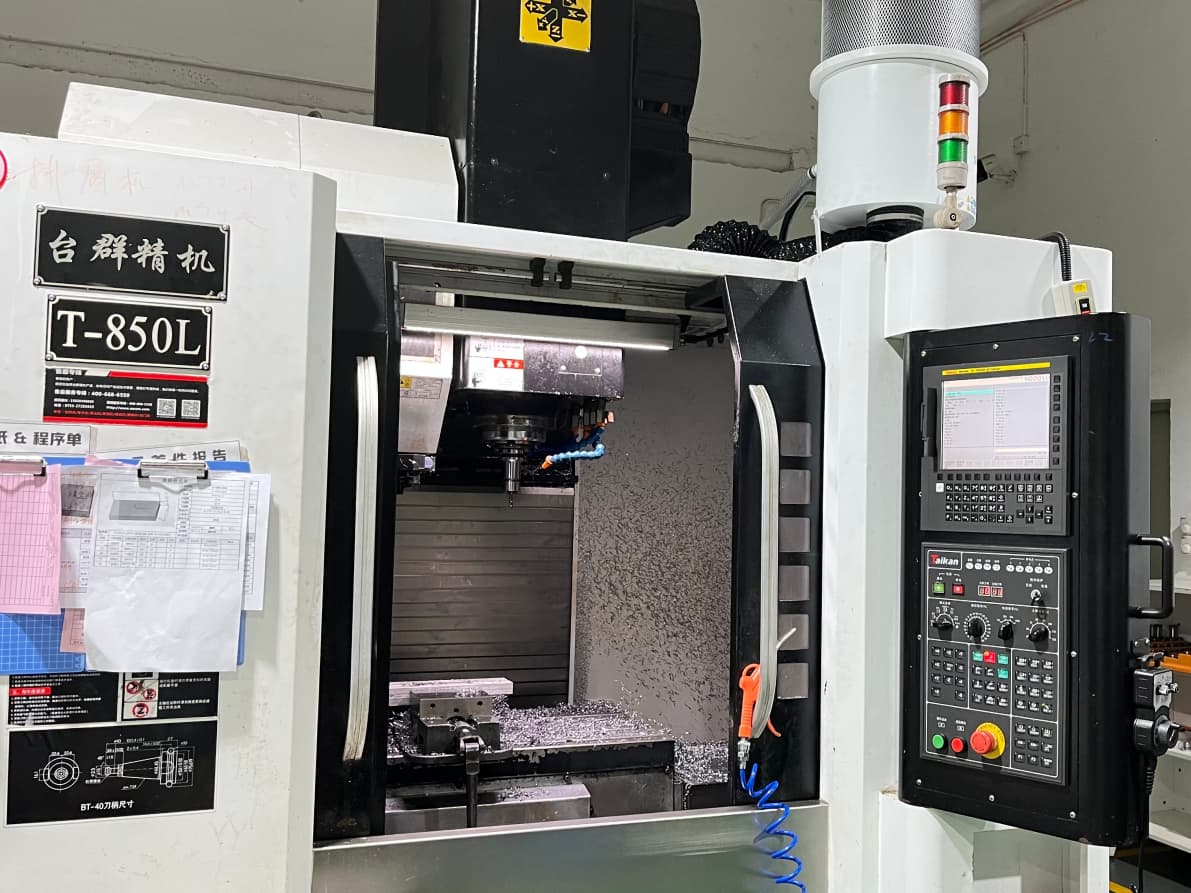
A CNC machine reads digital instructions and drives cutting tools along defined paths. The programmer converts a 3D CAD model into toolpaths using CAM software. Each axis movement corresponds to material removal at a controlled feed rate and spindle speed.
The main process categories include:
CNC milling – multi-axis removal for complex shapes, pockets, and contours
CNC turning – rotational cutting for cylindrical parts such as shafts and flanges
Drilling and tapping – hole-making for assembly and fastening features
Grinding – fine finishing to achieve surface roughness below 0.8 µm

Which combination you need depends on part geometry, material hardness, and batch size. A five-axis mill may be overkill for a simple flat plate, while a lathe alone cannot produce deep pockets.
## Key Factors Before Selecting a CNC Machining Partner
Three variables drive most purchasing decisions:
Material selection – aluminum, stainless steel, titanium, and engineering plastics each affect cycle time, tooling cost, and part strength differently
Tolerance and surface finish – tighter specs increase machining time and may require multiple setup operations
Production volume – prototypes, low-volume batches, and high-volume runs each favor different strategies, from 3-axis to 5-axis and from manual to automated loading
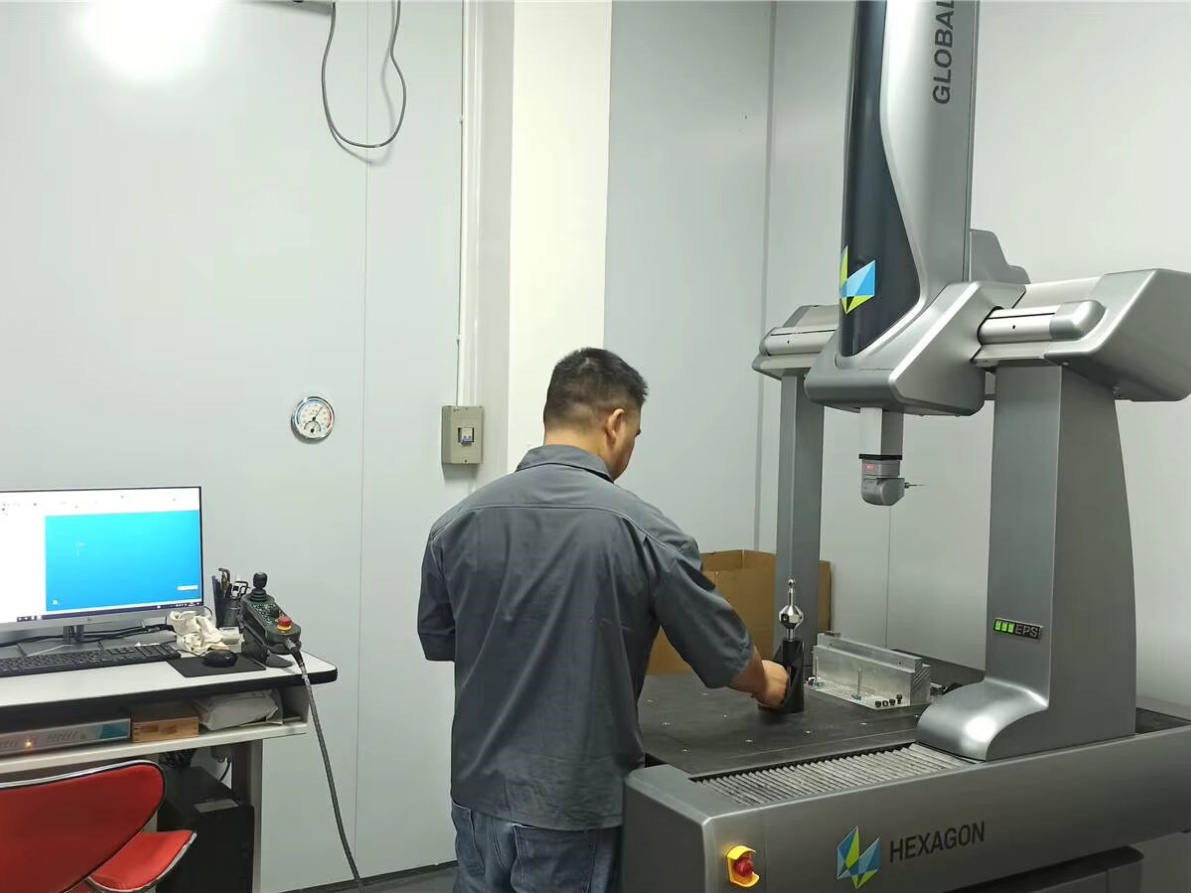
A qualified supplier should clearly state which axes they run, what tolerances they hold as standard, and which inspection methods (CMM, optical, laser) they apply. Quality inspection reports accompanying every shipment reduce downstream rework and rejection risk.
Materials and Typical Capabilities
The table below summarizes common material groups and the practical considerations for each.
Material choice interacts directly with tool-path strategy, coolant selection, and post-processing needs. YPMFG can review your drawing and flag if a selected alloy will create unexpected machining or finish issues before you commit to a quote.
What CNC Machining Really Costs
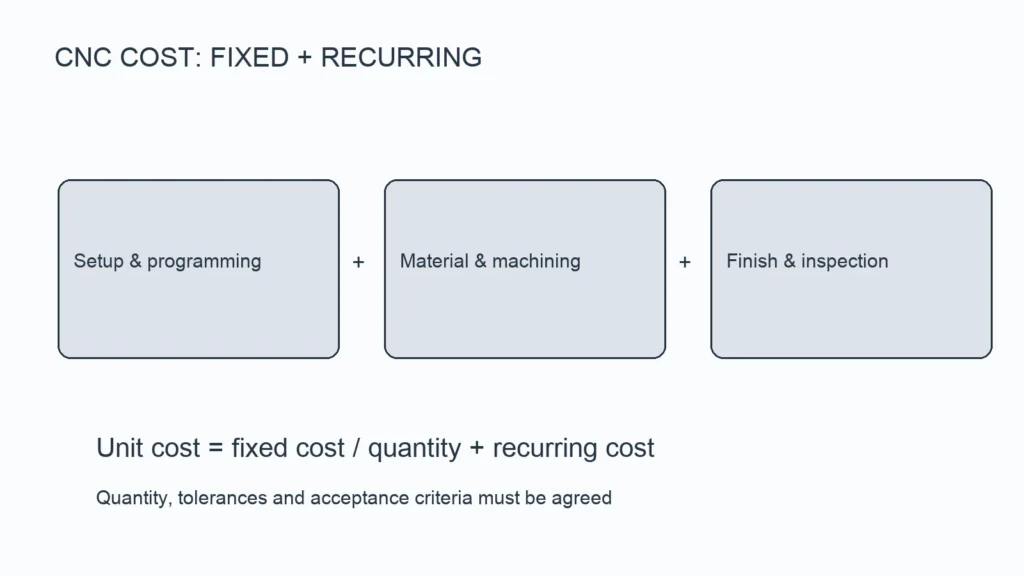
Unit price is rarely the only cost. The total ownership expense includes setup and programming time, material waste,tooling amortization, inspection documentation, and lead-time risk. A part that takes 30 minutes to machine may need 90 minutes of setup and tool changeover. For short runs, setup cost dominates the per-unit figure. For longer runs, cycle time and tool wear become the main drivers.
Requesting a cost breakdown by operation from your supplier gives you a realistic baseline for budgeting and for comparing competing quotes side by side.
Common Questions About CNC Machining Technology
What is the smallest part a CNC machine can reliably produce?
It depends on the machine and the feature. Most 3-axis mills handle parts down to roughly 2–3 mm in thickness, while 5-axis machines with finer tool holders can go smaller. Micro-machining centers push below 1 mm, but material springback and localized heat become limiting factors.
How do I know if my drawing is ready for quoting?
Include material, tolerance callouts, surface finish, thread specs, and any post-processing such as anodizing or heat treatment. Ambiguous tolerances or missing datum references are the most common cause of back-and-forth that delays schedules.
Can one supplier handle both prototyping and production runs?
Yes, in many cases. CNC machining services that bridge prototyping and batch production save you the cost of re-engineering toolpaths or re-qualifying materials. Confirm minimum order quantities and whether setup changes between runs.
What standards or certifications should I look for?
For aerospace and medical work, ask about AS9100D and ISO 13485 registrations. For general industrial parts, ISO 9001 plus documented quality inspection procedures is a reasonable baseline. Verify that the certificate scope covers the specific processes you need.
How does CNC compare to 3D printing for my part?
Machining wins on dimensional accuracy, surface finish, and material consistency for functional parts. Additive manufacturing is better for complex internal geometries or very low-volume, one-off designs. A custom part design review with a machining specialist can determine the optimal route before you invest in either path.
Making a Better Long-Term Decision
CNC machining is a mature, highly repeatable technology, but the right outcome still depends on how precisely you specify, how clearly you communicate, and how rigorously you verify each delivery. Before placing an order, confirm material certificates, first-article inspection data, and warranty terms in writing.
If your part specs, drawings, or BOMs are ready, send them to YPMFG for an engineering review. We’ll flag manufacturability issues, suggest alternative materials or geometry changes that cut cost without sacrificing performance, and provide a detailed production volume quote within a few business days. You can also request our material capability sheets and standard tolerance tables to align your next design iteration.