 English
  German
  Russian
  Japanese
  Korean
  Spanish
  French
  Italian
  Portuguese
 Quick answer:
A CNC turning prototype is a cylindrical or axisymmetric part produced on a CNC lathe to validate form, fit, and function before you commit to production tooling. It is made on single- or multi-operand turning centers using bar-fed or chuck-loaded material. The main risk for buyers is specifying tolerance, material grade, and surface finish loosely, which leads to rework or a part that fails in assembly. If your part has rotational symmetry and a diameter-to-length ratio above roughly 1:3, turning is usually the most economical path to a functional prototype.
If you are about to place your first turning order, or a previous vendor delivered a part that will not seat in the housing,the gap almost always traces back to the specification stage. YPMFG works with engineers and procurement teams on exactly this kind of pre-order review. Below is a practical breakdown of what to verify before your part leaves the shop.
What Makes a Turning Prototype Different
A CNC turning prototype differs from milled or cast prototypes in three key ways: material-removal direction, achievable tolerances on cylindrical features, and minimum part geometry. Turning suits parts where the primary axis of symmetry runs through the length—shafts, bushings, flanges, connectors, and short cylinders. If your part has a complex external surface that is not rotationally symmetric, turning alone will not work; you may need a CNC turning and milling hybrid setup on the same machine.
Wall thickness, minimum bore diameter, and maximum outer diameter all constrain what a single pass can achieve. Check these values against your design before sending the drawing to a shop.
Materials, Tolerances, and Surface Finish
Most turning prototypes use round bar stock: 304 or 316 stainless, 6061 or 7075 aluminum, 4140 steel, and 17-4PH precipitation-hardening alloy. The material grade on your drawing must match what the shop actually stocks, because lead time and tooling wear shift with each alloy. An axisymmetric part in titanium, for example, will take longer to machine than the same geometry in 6061.
For a first-run prototype, a general tolerance of ±0.1 mm is workable on most features. Tighter classes such as ±0.02 mm add inspection time and cost, and may require CMM inspection on every piece. Surface finish on critical seating faces—Ra 1.6 µm or below—should be called out explicitly on the drawing, not left to the shop default.
What Drives the Price of a Turning Prototype

Use this table as a discussion template when you request a prototype quote. Send your drawing, BOM, and functional test criteria to YPMFG and the shop will flag which factors will move your unit price before you commit to a number.
Common Mistakes That Delay a First Run
Omitting surface finish callouts on seating or mating faces, leaving the shop to guess.
Requesting a material the shop does not stock, adding a 2–3 week procurement delay.
Specifying tolerances tighter than the application actually needs, inflating inspection cost.
Sending a 2D drawing without a 3D reference, causing misreads on multi-operand geometry.
Skipping a go/no-go functional test plan, so the first batch cannot be verified against the assembly.
A material selection that matches your end-use environment but is not available in round bar form will stall the job. Confirm stock availability before finalizing the BOM.
When Turning Is the Right Method
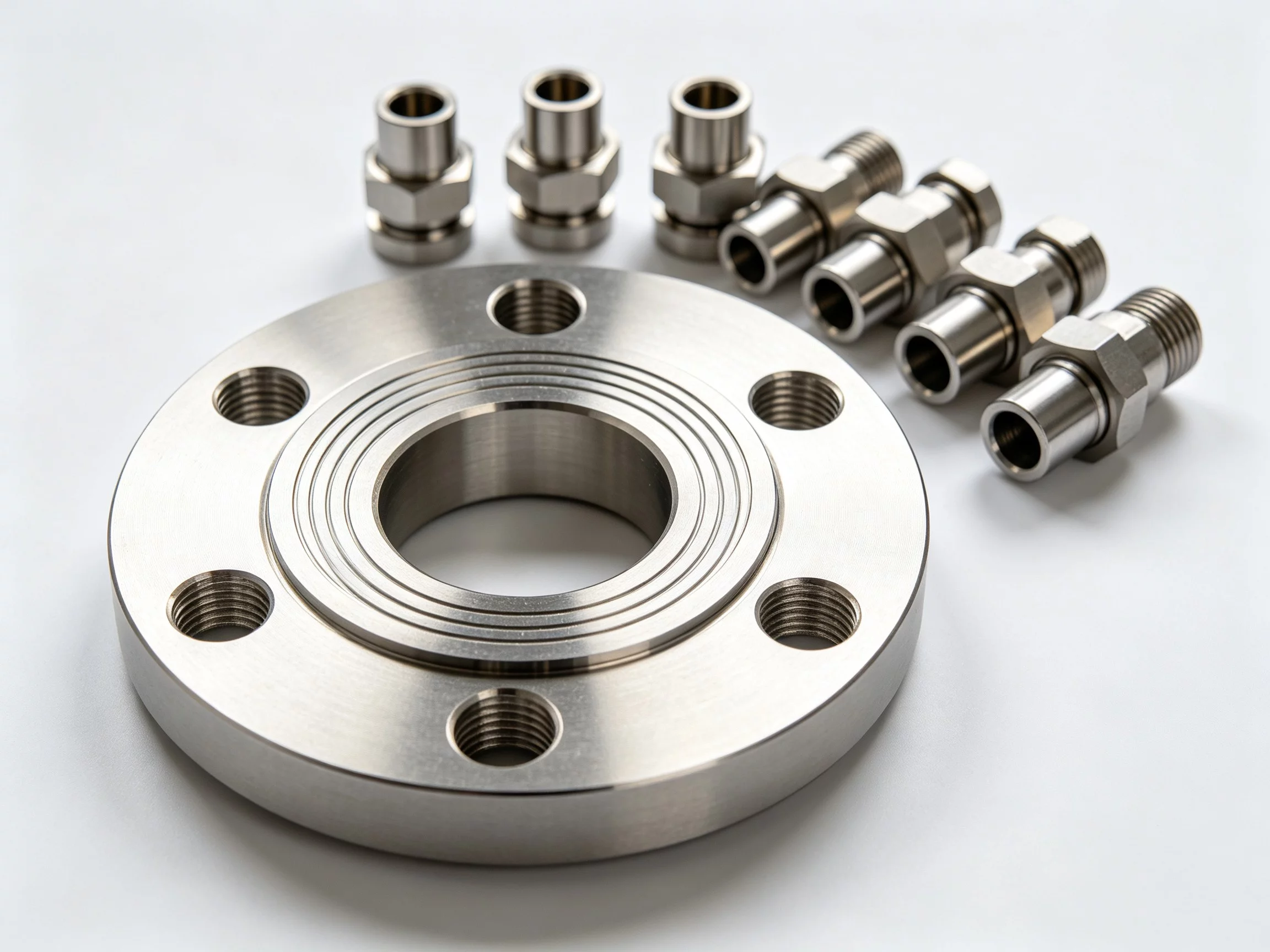
Choose a CNC lathe setup for your prototype when:
The part is axisymmetric: shaft, boss, flange, cap, or bushing.
You need 1–50 units quickly, without waiting for casting or injection tooling.
Your design is still iterating and you need a physical part within days, not weeks.
Material must match the end-use alloy so fatigue or corrosion behavior is realistic.
If the part has a deep cavity, multiple non-parallel axes, or thin walls under 1 mm, evaluate CNC milling or rapid tooling before committing. The wrong method costs you a full redesign cycle and a second prototype batch.
Common Questions Before Placing an Order
Can I get a turning prototype in under one week?
For simple shafts or flanges in stock material, most shops quote 3–5 business days. Complex multi-operand parts or exotic alloys may push delivery to two or three weeks. Confirm lead time against your specific material grade and total operation count.
Is a 2D drawing enough, or do I need a 3D file?
A 2D drawing with all critical dimensions, tolerances, and surface finish callouts is sufficient. A STEP or IGES file helps the shop verify geometry before cutting, especially for multi-operand setups. Send both when available.
How many units should I order for a first run?
Order enough to complete your assembly and functional test plan, plus a small spares margin. Ten to twenty units lets you split them between fit checks and load tests without waiting for a second batch.
What should I verify when the prototype arrives?
Check critical bore and OD dimensions with a micrometer or bore gauge. Confirm surface finish on seating faces and run a go/no-go gauge if one is available. Photograph any out-of-tolerance features and send images back to the shop before accepting the part.
Can I make design changes after the first batch is cut?
Yes. Send the revised drawing or a change request to the shop and ask for a manufacturability review. Minor changes to a bar-fed part are often handled within the same week; a new bore or thread pattern may require a setup revision.
Making a Better First-Run Decision
The single biggest cost in a CNC turning prototype program is not the part itself—it is the rework cycle when the first run does not seat, spin, or pass your functional test. Lock down your drawing, confirm material and tolerance expectations with your supplier, and request a short engineering review before the job is cut. YPMFG can review your file set, flag manufacturability issues, and return a revised quote with suggested adjustments. Send your specifications today and get a clear timeline before your next design freeze.