 German
  English
  Russian
  Japanese
  Korean
  Spanish
  French
  Italian
  Portuguese
 Kurze Antwort: Alloy CNC parts are precision-machined components produced from engineered metal alloys such as aluminum, stainless steel, titanium, and nickel-based materials. Part performance hinges on Materialauswahl, machining tolerances, heat treatment, and surface finishing. Picking the wrong alloy grade or leaving finish callouts vague is the most common reason buyers face premature failure, rework, or schedule slip. Nailing the alloy, tolerance stack, and post-processing steps before the first cut is the single most effective way to control both quality and project cost.
Wenn Sie auf der Suche nach Lieferanten sind alloy cnc parts for a prototype or a production run, the questions you ask before sending a quote request matter more than the supplier you eventually pick. Get the material, tolerance, and finish wrong, and no amount of post-production correction will recover the time or budget you lose.
What Are Alloy CNC Parts?
Alloy CNC parts refer to machined components made from engineered metal alloys rather than pure, single-element metals. An alloy combines two or more metallic elements to hit a specific strength-to-weight ratio, corrosion behavior, or thermal stability. That makes alloys the default material for aerospace, medical, automotive, and energy applications.
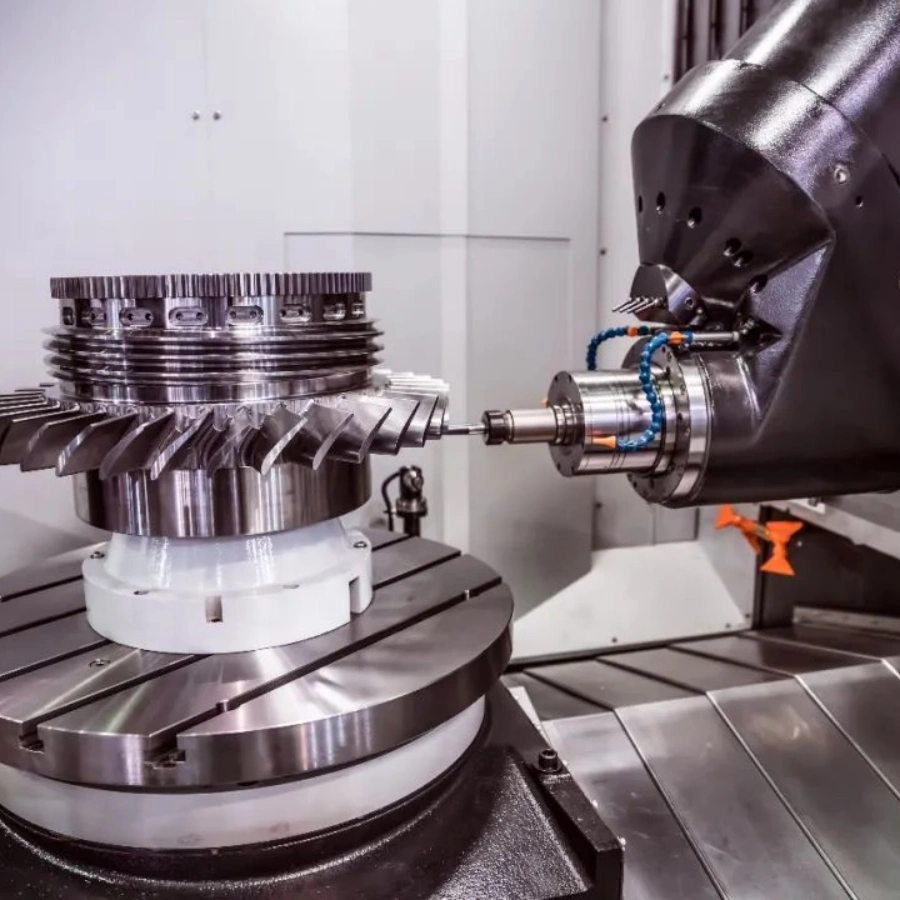
Common families include 6061 and 7075 aluminum, 304 and 316L stainless, Grade 5 and Grade 7 titanium, and Inconel 718. Each family responds differently to cutting tools, coolant, and post-processing. A titanium bracket, for example, needs slower spindle speeds and stiffer fixturing than a stainless part of the same geometry.
Choosing the Right Alloy Grade

The single biggest cost and performance lever is Materialauswahl. Before requesting a quote, confirm the alloy grade, temper condition, and whether the part must meet a specific ASTM or ISO specification. A mismatch here is the hardest issue to fix downstream.
YPMFG can help buyers cross-reference an alloy grade against the intended operating environment, load cycle, and service life target before committing to a full batch.
Tolerances, Finishing, and Hidden Costs
Eng Toleranzen bei der CNC-Bearbeitung below ±0.05 mm add machine time and raise scrap risk. If a drawing calls for ±0.01 mm on a titanium component, expect a meaningfully higher unit price than the same part at ±0.10 mm. Ask whether that tight tolerance is truly required or if a looser fit will still function in assembly.
Surface finishing adds its own layer of cost. Anodizing, passivation, PVD coating, and sandblasting each consume hours and consumables. Specify the exact finish callout on the drawing rather than leaving it to the machinist’s default. In many cases, an unnecessary extra coating step is where hidden budget gaps appear.

Häufig gestellte Fragen vor der Bestellung
Do you know the exact alloy grade and temper condition?
Confirm the grade, temper, and whether the supplier must provide material traceability records. A drawing that says “stainless” without specifying 304 or 316L leaves the decision to the shop and can cost you later.
What is the minimum batch size and acceptable lead time?
Small-lot custom CNC components often carry a setup surcharge. Knowing your minimum quantity and delivery window early lets the shop plan tooling, material cuts, and machine scheduling more efficiently.
Are material certifications required by your end customer?
Some aerospace and medical buyers demand mill test reports or MTRs with every lot. Confirm this requirement up front so the documentation is generated alongside the parts, not retrofitted after delivery.
What post-machining tests must the part pass before shipment?
Dimensional inspection, hardness verification, and dye-penetrant testing are common. Specify the acceptance criteria and the test report format your incoming inspection team expects.
Getting It Right the First Time
Selecting the correct alloy, defining the tolerance stack, and confirming finishing steps before the first cut is the most reliable way to avoid rework and schedule overruns. If you are still comparing material options or unsure whether your current spec will hold up under load, you can send your drawings and procurement specifications to YPMFG for an engineering evaluation. The team will flag issues with tool path, fixturing, material availability, or finish sequence before you commit budget to a production run.