German
  English
  Russian
  Japanese
  Korean
  Spanish
  French
  Italian
  Portuguese
The core answer to “cnc auto parts” is straightforward. Before requesting a quote, you need to define Werkstoffgüte, Toleranzklasse, surface finish, and thread specification. These four parameters determine whether the part passes functional testing on the first batch.
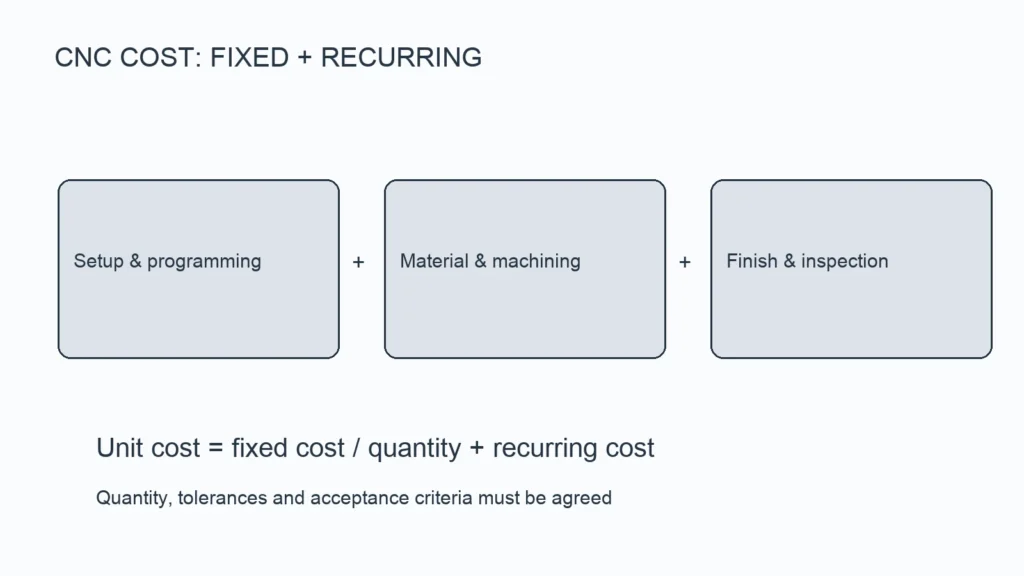
A vague request like “CNC-machined part, 6061, standard finish” is rarely sufficient. Automotive CNC-Bearbeitung demands tighter fit-and-form requirements than general industrial work. The gap between a ±0.025 mm and a ±0.005 mm tolerance can shift unit cost by 30 to 60 percent and change the entire post-machining workflow.
Wenn Sie auf der Suche nach Lieferanten sind CNC auto parts for OE or aftermarket use, the most common procurement problem is not price. It is missing specification detail. That missing detail leads to rework, failed inspection, or schedule slippage. The sections below break down exactly what to define and where errors typically hide.
What CNC Auto Parts Actually Cover
CNC auto parts range from engine brackets and transmission housings to machined brackets for sensor mounts, fuel-system fittings, and suspension arms.
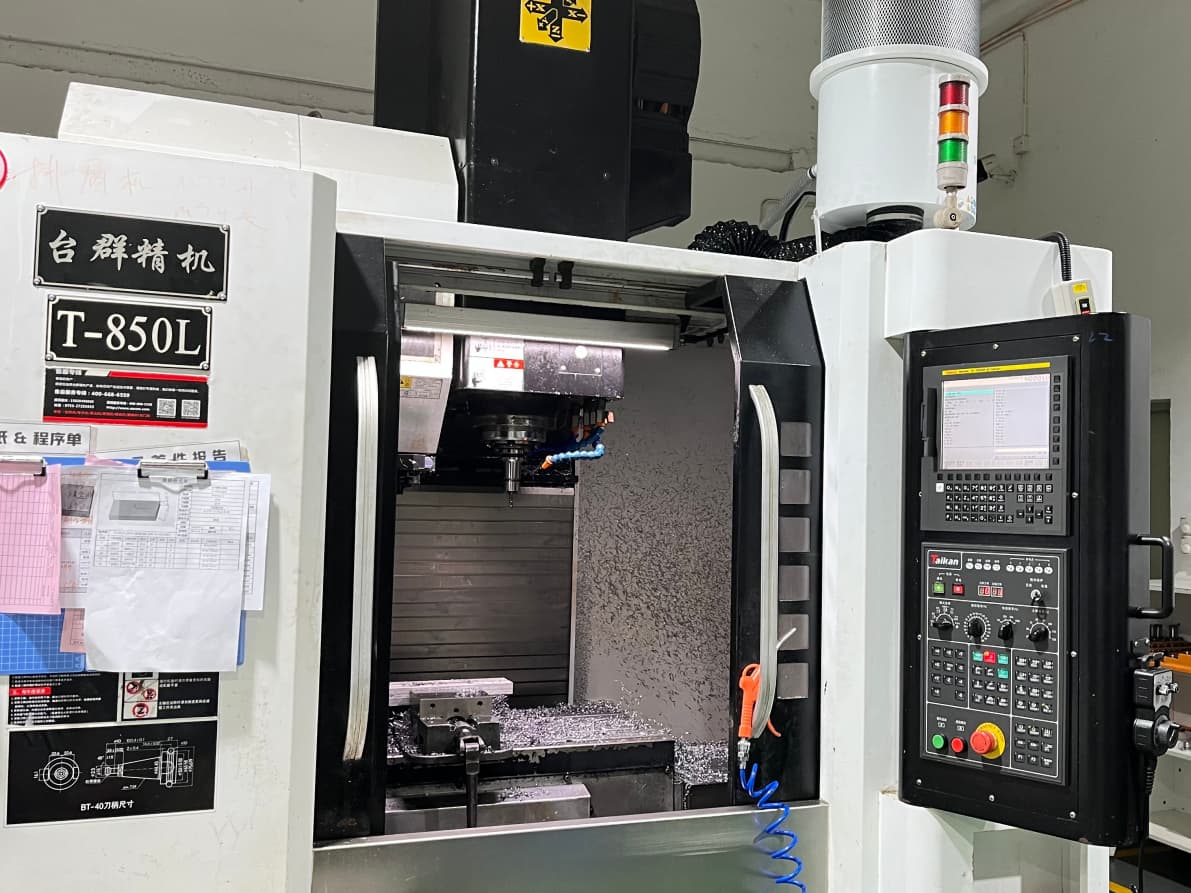
The common factor is precision turning or milling on 3-axis or 5-axis machines. Each part carries a unique combination of alloy, geometry, heat-treatment, and surface requirement. No two orders follow the same recipe.
Wichtige Spezifikationen, die vor der Bestellung festgelegt werden müssen
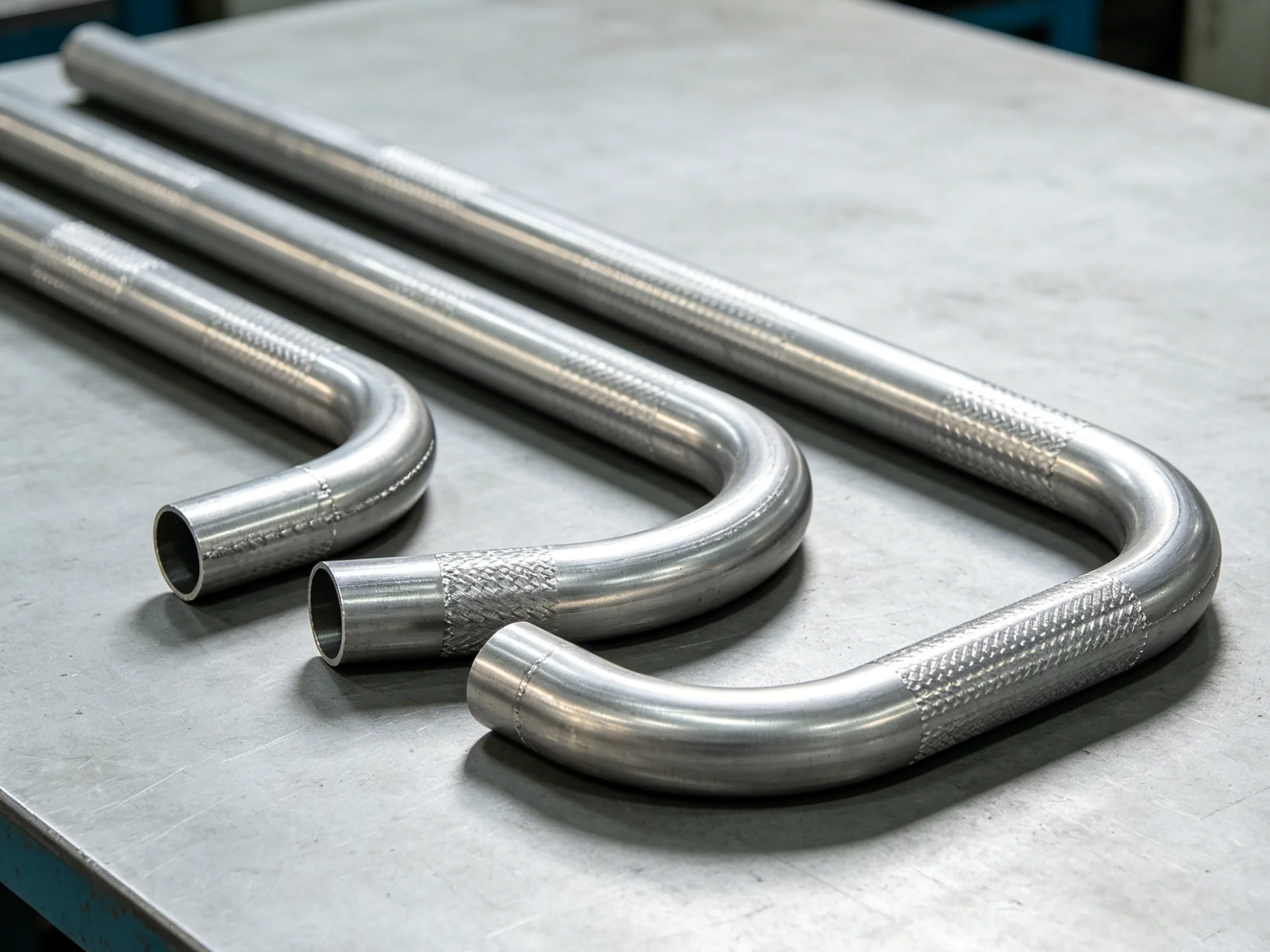
The five fields below form the minimum data set for a viable RFQ. Missing any one of them forces the supplier to assume defaults, and that is where disputes start.
Review this table against your drawing before sending it to a machining shop. The more cells you fill in, the fewer back-and-forth clarification cycles you will face.
Where Errors Typically Hide
Chamfer and deburr notes are often left to the machinist. For Autoteile that seat against a gasket or O-ring, an undefined chamfer radius can cause leakage that no amount of assembly torque will fix.
GD&T-Angaben are frequently simplified to “per print” in an RFQ. If your drawing uses true-position or profile tolerance, state the datum scheme and the material condition explicitly.
Batch size drives process selection. A run of 200 and a run of 20 000 of the same CNC auto part will use different fixtures, cutting strategies, and QC plans. State the quantity range up front.

Fragen, die Käufer häufig stellen
Can CNC auto parts be mixed-material assemblies?
Yes. Separate components in different alloys are machined individually, then joined by weld, rivet, or fastener. Specify the joint type and Materialverträglichkeit requirements before the first cut so the supplier can sequence the workflow correctly.
What lead time should I expect for a first-article sample?
For a standard machined component, first-article turnaround typically runs five to fifteen business days. Multi-feature 5-axis geometry and long-lead specialty alloys push the timeline toward the longer end.
How do I verify dimensional quality before full production?
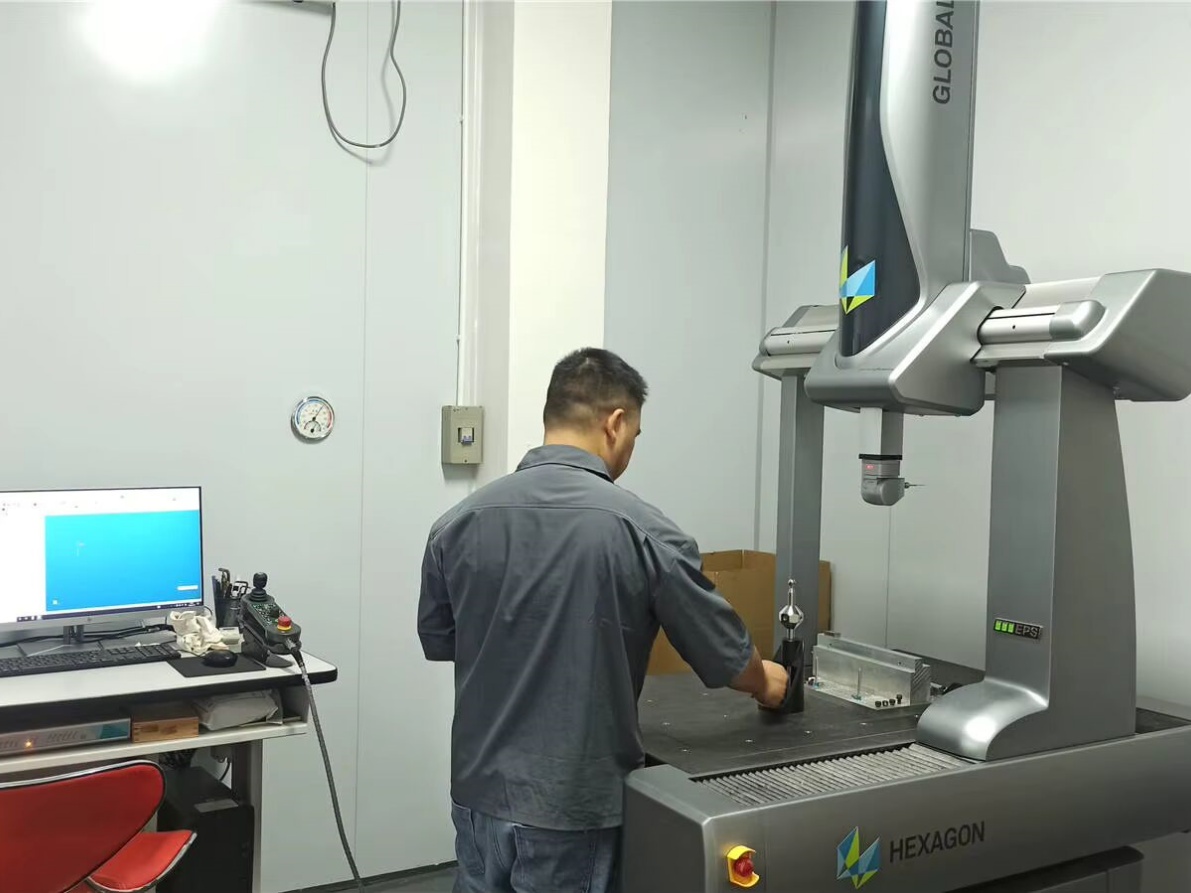
Require a full first-article inspection report against the specified Toleranzklasse. Cross-check critical features with a calibrated CMM traceability sheet. For safety-relevant parts,ask for a PPAP or equivalent first-lot data package.
Does YPMFG support custom auto part development?
Yes. Send your CAD files, material requirements, and tolerance stack-up to YPMFG. The engineering team reviews geometry for Zerspanbarkeit, flags fixture risks, suggests material alternatives where performance allows, and returns a quotation with a defined inspection plan.
Bessere Beschaffungsentscheidungen treffen
The single biggest cost driver in CNC auto parts procurement is ambiguity. Every unspecified feature becomes an assumption, and assumptions get expensive in revision cycles.
Before you send an RFQ, fill in the five specification fields from the table above, attach a clear batch-size and timeline, and flag any safety-critical functions. An early Technische Überprüfung on a complex or multi-material part prevents downstream rework that costs far more than the machining itself.
If your part has tight tolerances, a mixed-material assembly, or a strict inspection protocol, send your drawings and specs to YPMFG. The team will walk through tool-path feasibility, material selection, and the inspection sequence, then issue a detailed quote you can act on.