German
 English
 Russian
 Japanese
 Korean
 Spanish
 French
 Italian
 Portuguese

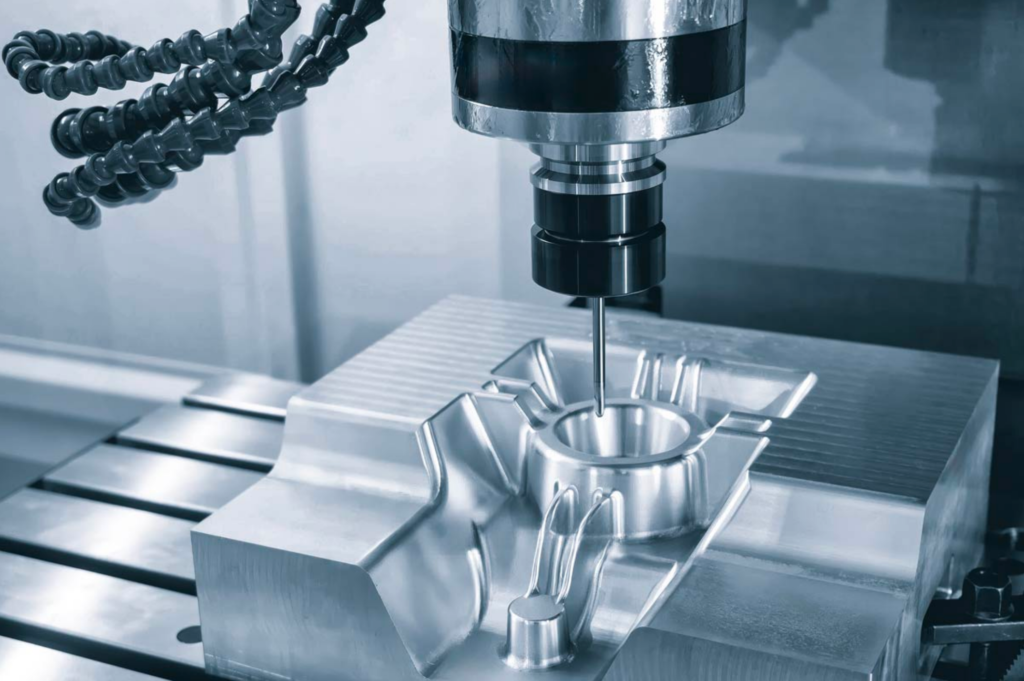
The first part came off the machine and everyone liked it. Then the order changed to forty pieces, and the schedule stopped making sense. Many engineers hit this wall. Good CNC-Bearbeitung gets one part out fast but a small batch asks different questions about file setups and checks. Lead time is rarely one big delay. It is a string of little ones, such as quote replies material orders fixture setup and final measuring. Remove them one at a time and weeks come off the calendar. Here are six habits teams use with real numbers where they help.
Where Lead Time Really Hides
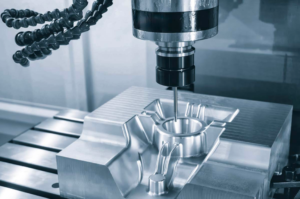
Most of a part’s life is spent waiting. The cutting process may take two hours, but the work order stays in the queue for days. With a flexible 5 Axis CNC Machining system, there is no such queue because the orders begin when the files are ready. No minimum order is common so even a single piece can go first. The help of typical timelines. CNC prototypes for simple designs are typically delivered in 3-5 days and for small production runs the time is typically 2-4 weeks. If you know which side your job is on you can purchase your material sooner.
Design Changes Cost the Most
Late edits hurt batches more than single samples. One changed hole can reset programming, tooling and inspection plans for every part. Hold a short design review with machining assembly and test people. Sign off on a date. Ten minutes spent arguing now is better than a week of reprogramming later. Check the tolerances when you are at it. Sometimes the prototype may have very stringent tolerances that are unnecessary in the finished piece. DFM check will reveal thin walls, deep pockets and tough threading even before the work starts. Changing one tolerance from 0.01mm to 0.05mm saves machine time significantly.
Matching CNC Process to Quantity
Pick the process by quantity. Since no mold is required CNC milling and turning suit a handful of parts to about 100 or so. Complex shapes can be completed in fewer setups with five-axis machines. Vacuum casting handles small plastic runs often around twenty copies. Injection molds can wait until demand is proven. Fixtures deserve more credit. A simple jig holds every part the same way so setup between pieces stays short and repeatable. Teams often build these during sample work almost as an afterthought. That afterthought pays off when part thirty goes on the machine and nobody has to rethink the grip.
Materials and Finishes Matter Early
Select materials for stock. Aluminum 6061 is readily available and can be machined in days as compared to some alloys. If plastic is needed, then mention this in the notes. Material on the shelf is better than that in the boat. Finishes also take time. Anodizing, bead blasting, or powder coating adds to the process time. Pick one finish for the batch if looks allow it. Mention color standards early, because matching shades across fifty parts is harder than matching two. A short finish list means a shorter schedule.
Inspection Built into the Run
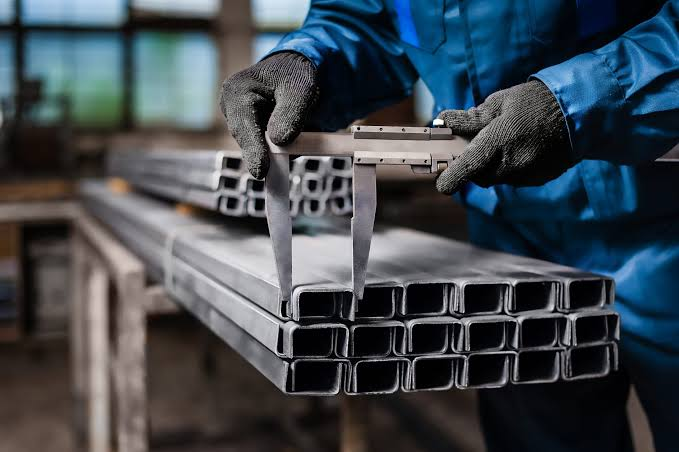
Quality checks work best when planned. Agree on five or six critical dimensions before cutting. Have the first piece measured against the drawing which is first article inspection. If it passes the run continues with confidence. If it fails you lose one part not fifty. That trade is easy to like. Ask for a short inspection report with each shipment. One page with measured values saves your team from remeasuring everything. It also leaves a record if someone later asks why part twelve looks odd. Keep paperwork light though. Nobody enjoys a thick binder.
Planning Pilot Runs Ahead
Think in stages. Many teams move from design check to prototype then a trial batch then a bigger run. Each stage should answer one question. Does it fit does it work can we repeat it. Skipping a stage rarely saves time. It usually moves the surprise to a more expensive day. Share forecasts as ranges like 50 now and 200 later. A shop can then reserve machine hours and buy material in bulk. Also make sure to have another option like a backup raw material available. The flexibility of orders through on-demand manufacturing allows volumes to fluctuate without committing to long-term contracts.
Fazit
Shorter lead times come from removing waits not rushing machines. Lock the design match the process to the quantity choose stocked materials, plan inspection early, and share a rough forecast. None of it is hard. Together these steps can turn a month into two weeks with fewer late-night emails. When a sample works enjoys it briefly. Then ask what the batch will need and fix those things while the design is fresh. Good rapid prototyping is step one of that plan not the whole plan. Small batches are where ideas either grow up or stall.