German
 English
 Russian
 Japanese
 Korean
 Spanish
 French
 Italian
 Portuguese

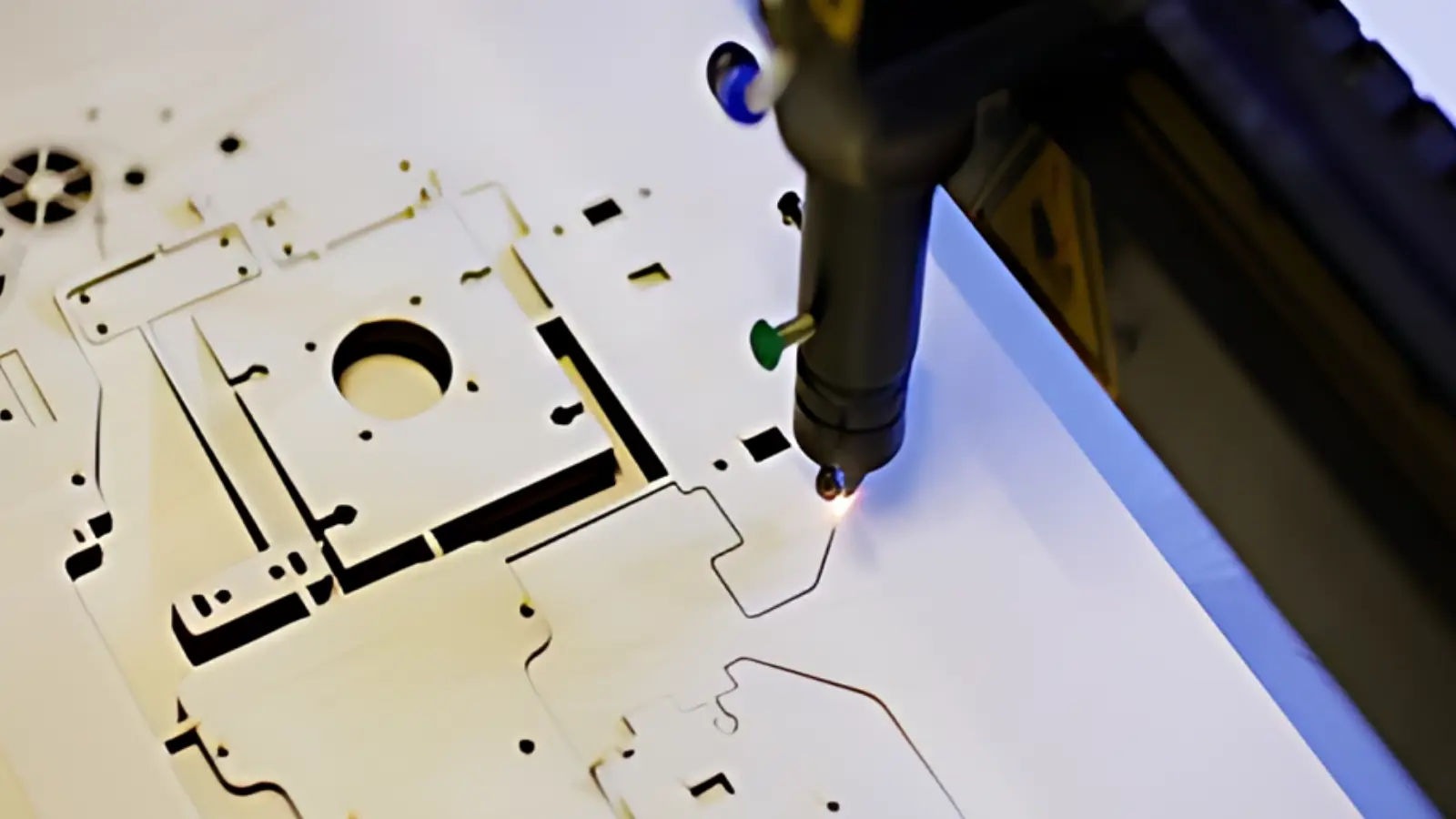
Motor spare parts that involve Blechbearbeitung typically include end bells,terminal boxes, fan shrouds, mounting brackets, and housing panels. The critical factor is not just material thickness but the combination of Toleranz, bend allowance, and surface finish that determines whether a part will seal properly, withstand vibration, and pass electrical safety inspection. Before selecting a fabrication partner, verify their ability to work with the specific alloy grade and dimensional requirements your motor platform demands.
Most buyers discover the problem late in the procurement cycle. A part that fits on the drawing fails in assembly because the bend radius was calculated incorrectly, or the gauge was one size off. YPMFG works with motor manufacturers on these exact issues, reviewing part geometry and process constraints before production begins.
Specifications That Determine Fit and Function
The wrong spec sheet leads to parts that look correct but fail in service. Below is a baseline checklist for motor-related sheet metal components.
If your application involves electrical motors operating in high-vibration or wet environments, confirm that the fabrication partner can meet the tighter tolerance and finish rows above. A 0.3 mm deviation on a terminal box lid may cause a grounding fault that a visual inspection would miss.
Material Selection and Tolerance Requirements
Steel versus aluminum is not just a cost decision. For motor housings and end shields, low-carbon steel such as SPCC or DC01 offers strength at a lower price point. Aluminum 5052 or 6061 is chosen when weight reduction or EMI shielding is the priority.
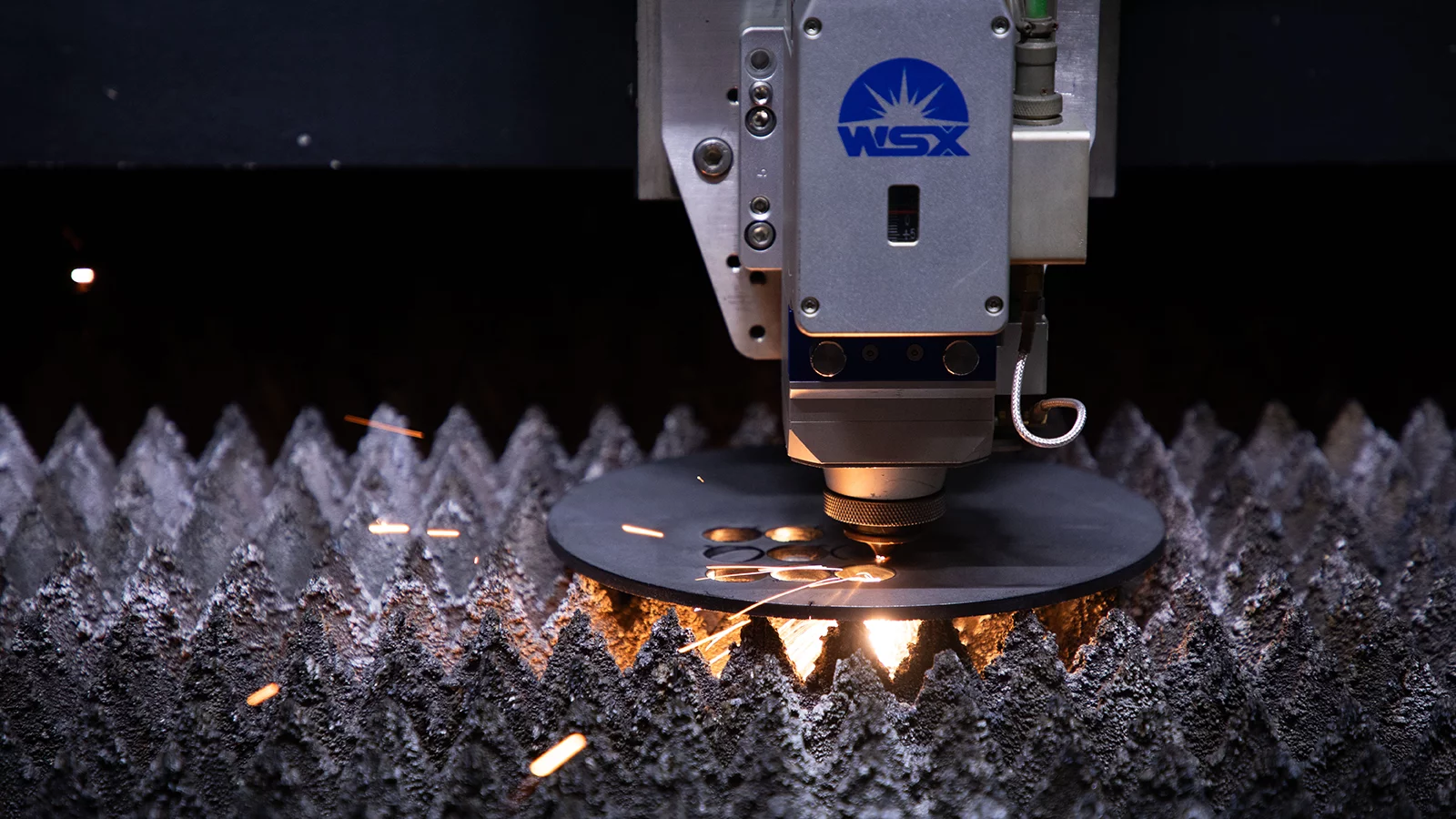
The choice shifts when the motor will sit in a corrosive environment. Edelstahl 304 becomes the default in that scenario, though it adds 30 to 50 percent to material cost depending on the region and volume.
Tolerance expectations vary by component. A fan shroud may tolerate ±0.5 mm because it sits loosely on the shaft. A terminal box lid that must seal against an IP65 rating often needs ±0.1 mm or tighter. Specify the critical dimensions on the drawing and flag which faces are functional versus cosmetic. This reduces unnecessary cost on non-critical axes.
In many cases, the bend-allowance calculation is where discrepancies appear. If your engineering team and the fabrication shop use different K-factor values, the flat pattern will be off by 0.2 to 0.4 mm per bend. Agree on the K-factor early, or provide a pre-approved flat pattern to eliminate guesswork.
Häufige Beschaffungsfehler
Omitting bend radius on the drawing. Without it, the shop selects a default value and the part’s outside dimension shifts.
Specifying material without a finish. A bare steel bracket will corrode within months in a typical workshop environment.
Requesting a single 100-piece run with no prototype. For a new motor platform, a 3-to-5-piece trial batch catches fit issues before committing to volume.
Assuming all shops handle the same gauges. Thin-gauge work under 0.5 mm requires different tooling and experienced operators. Many CNC-Bearbeitung shops focus on solid-stock parts and lack adequate press-brake capacity.

YPMFG reviews incoming drawings for these gaps and flags them before cutting begins. That single step saves a rework cycle that can otherwise add two to three weeks to a project timeline.
Questions to Ask Before Placing an Order
What minimum bend radius can you achieve at my material thickness?
Ask for the specific press-brake tooling range in writing. A shop that only runs large radii will not produce the tight fillet your motor end bell requires.
Do you include a bend-deduction table with the quotation?
A transparent deduction table shows exactly how they calculated the flat pattern. If they decline to share it, request a first-article inspection report before approving the batch.
Can you provide material certificates (EN 10204 3.1) with each batch?
For motors that must pass CE or UL review, traceable material documentation is not optional. Confirm the certificate grade before the order is released to production.
What is your rework policy if a panel misses tolerance on the critical face?
A clear policy covering replacement, credit, or joint correction prevents a billing dispute after the part has already been painted and shipped to your line.
Do you support small-batch prototypes, or is the minimum 500 pieces?
New motor designs often need five to ten units to validate the assembly. Shops that cannot run small batches will delay your NPI schedule significantly.
Eine bessere langfristige Entscheidung treffen
Die Rechte Blechbearbeitung partner for motor spare parts is the one who reads your drawing the way your assembly line will. They flag a missing bend radius, suggest a realistic tolerance for a secondary face, and include material certificates without you asking twice.
If you are evaluating options or want a second opinion on a drawing before committing to a volume run, send your part specifications to YPMFG. The engineering team will review geometry, suggest suitable tooling, and return a process assessment with lead-time estimates. No minimum order is required for the initial review.