German
 English
 Russian
 Japanese
 Korean
 Spanish
 French
 Italian
 Portuguese

Ein zuverlässiger CNC-Bearbeitung Shop is defined by three things: verified machine capability, documented quality control, and clear communication on tolerances and materials. Before sending a drawing to any shop, confirm which machines they actually run, what inspection methods they use, and how they handle deviations from spec. Skipping these checks is the most common cause of late revisions and cost overruns in CNC-Bearbeitungsdienstleistungen procurement.
Most buyers get a quote within a day. What they get less often is clarity on whether the shop can hold your exact tolerances, material grade, and finish in a single setup. The sections below focus on the checks that protect your schedule and budget.
## What a CNC Machining Shop Should Prove Before You Order
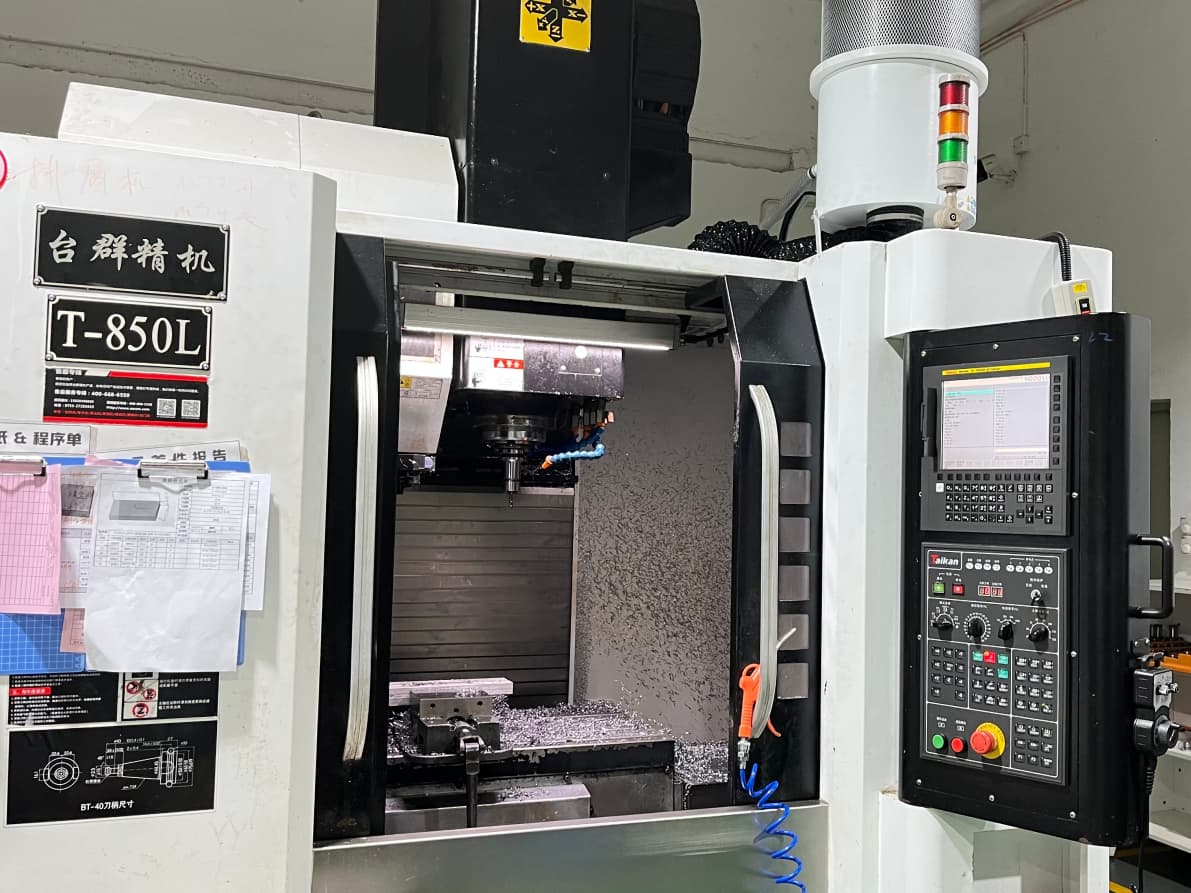
The first question is not “how much?” It is “can you run this on the machine that matches this part?” A shop that only offers CNC-Fräsen may struggle with internal geometry that requires CNC-Drehen or true 5-axis capability. The right machine determines cycle time, achievable tolerance, and minimum wall thickness your part can survive.
Vague answers like “we have multi-axis capability” are a signal to push for detail. Ask for the specific machine model, spindle size, and whether the part runs on a dedicated fixture or a general-purpose setup.
If the shop cannot name a specific machine and inspection method for your part, the risk of a missed tolerance or material mix-up increases sharply.
Key Capabilities to Verify on Paper

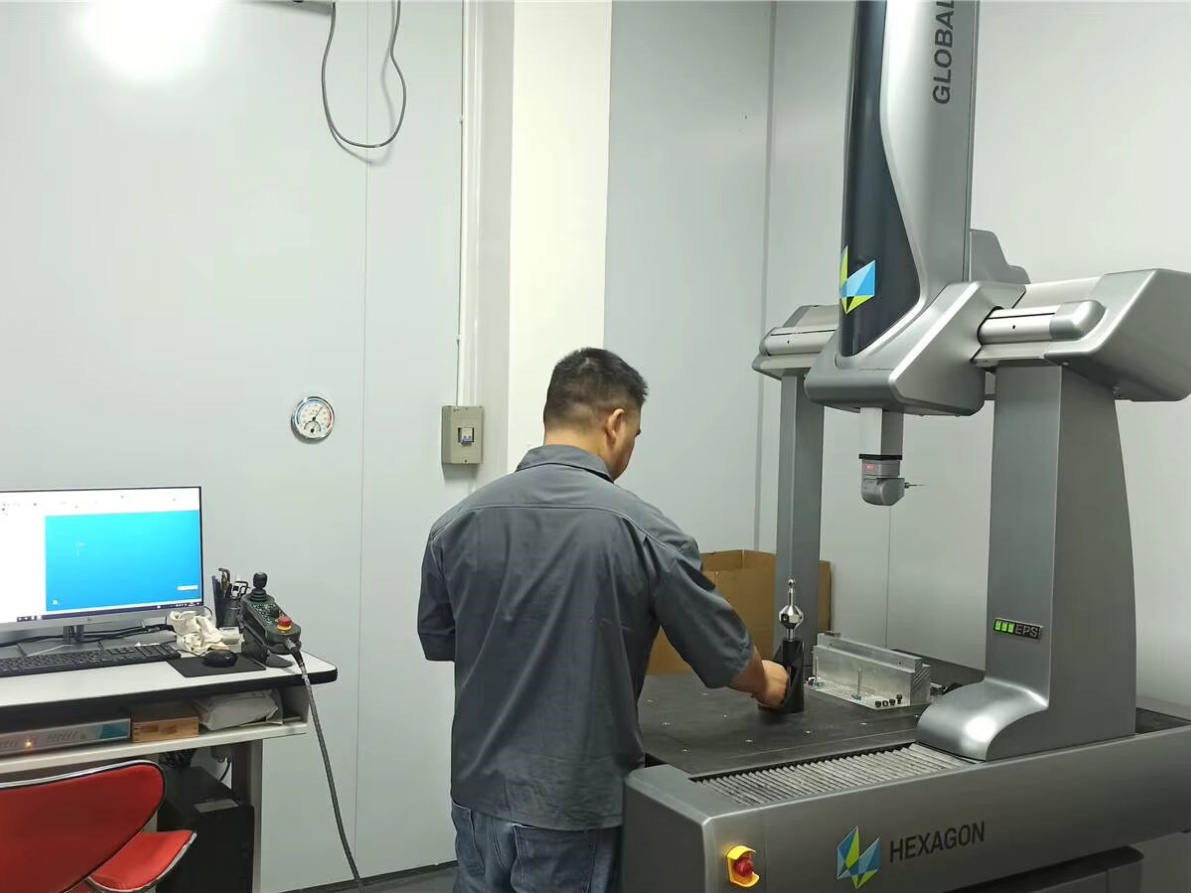
Before a production run, request the shop’s Erstmusterprüfung report or a sample trace from a similar part. This document shows how they measure, record, and flag deviations. A shop that keeps this file organized across lots demonstrates a quality system, not just a one-off check.
Material specification handling matters just as much. Confirm whether they machine from verified stock with heat-lot traceability or accept unverified bar. The difference is significant for aerospace, medical, or safety-critical applications where material certs are part of the delivery package.
Oberflächenbeschaffenheit requirements should be tied to a specific process, not just an Ra number. Finish achieved through milling differs from grinding or polishing in cost, repeatability, and the tools required. Ask which process will hit your target and what the typical Ra band looks like on their equipment.
Cost Factors That Actually Move the Number
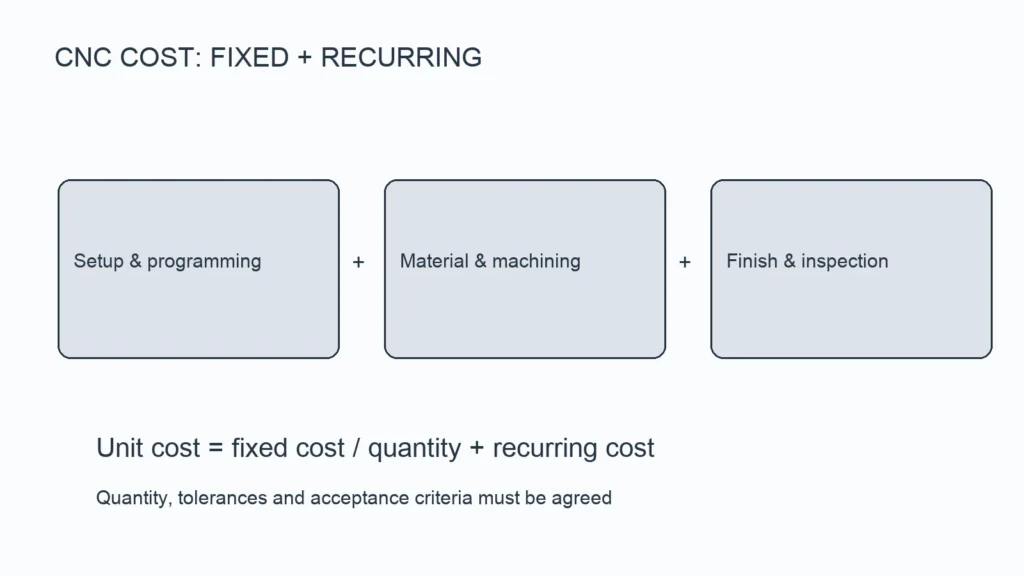
Unit price is driven more by setup complexity than by material cost. A part that requires multiple fixtures, secondary operations, or tight Toleranzanforderungen will cost significantly more per piece than a simpler geometry in the same material. The material itself is often under 15 percent of total cost on machined parts.
Volume tiering changes the math. The jump from 100 to 1,000 units often shifts the fixture strategy and can reduce per-unit cost by 20 to 40 percent. Prototype to production transition pricing should be agreed in writing to avoid surprise markups at scale.
Hidden costs to watch before signing off: deburring, surface treatment, packaging, and rework loops caused by ambiguous drawings. Each of these adds a line item that was not in the original quote.
Four Mistakes That Cost Buyers the Most
Sending a 2D drawing without a 3D model and expecting the shop to infer design intent
Specifying a tolerance without stating the measurement method or accept/reject criteria
Choosing the lowest quote without verifying that the quoted machine can actually hold the geometry
Not requesting a Erstmusterprüfung report before releasing the production lot
Each of these creates a gap that surfaces late in the project, when rework is the only fix.
Questions to Ask Before Placing an Order
Which machine will run this part, and why that one?
A capable shop will name the specific machine, axis count, and whether the part uses a dedicated fixture or a general-purpose setup. If the answer is generic, ask for the model and spindle size in writing.
How do you handle a tolerance that falls outside your normal range?
The answer should reference a specific process change, such as secondary grinding or a different tooling strategy. A “we will try” response is a risk flag. Ask for the process plan documented.
What does your inspection report include?
Expect dimensional trace, material cert, and surface-finish measurement data. If the shop only provides a pass/fail note, you lose the ability to trend quality across lots or file a claim.
What is your revision or rework policy if a part fails on receipt?
Clarify who bears rework cost, turnaround for corrected units, and whether the shop issues a root-cause summary. These terms protect you from open-ended rework loops.
Getting a Clear Technical Answer on Your Part
Every part carries a different mix of geometry, material, and finish constraints. YPMFG reviews your CAD to manufacturing data and flags feasibility issues before you commit to a production schedule. Send your drawing, material spec, and target quantity for a written engineering assessment. You will receive a summary of machine selection, achievable tolerances, and a cost breakdown before any order is placed.
If your team is still weighing options between an in-house shop and an external CNC-Bearbeitungsbetrieb, a side-by-side capability comparison against your specific part data makes the decision much faster than a generic price list.