Spanish
 English
 German
 Russian
 Japanese
 Korean
 French
 Italian
 Portuguese

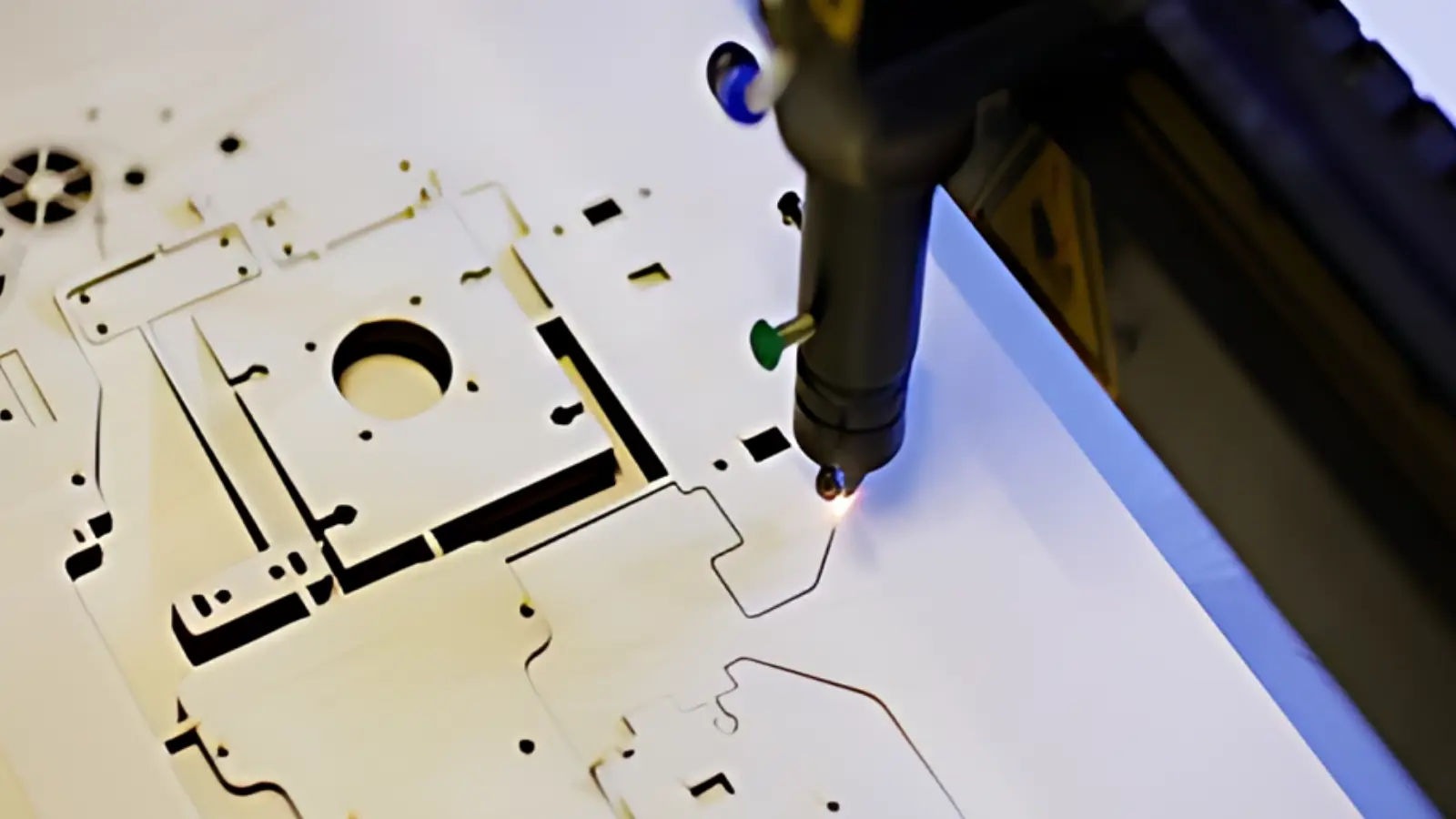
Sheet metal laser welding joins thin metal panels using a focused laser beam, producing a clean, precise weld with minimal heat-affected zone. It is widely used for components requiring tight tolerances, low warpage, and consistent joint strength. Compared to traditional TIG or MIG welding, laser welding holds an edge on weld depth-to-width ratio, which matters for thin gauges under 6 mm where excess heat distorts the part.
Si está evaluando un sheet metal laser welding service for a production part, the real question is not just whether the shop has a laser machine. It is whether their process parameters,fixturing, and inspection method will hold your part flat and strong over the full run.
## What Actually Sets Laser Welding Apart for Thin Gauges
Laser welding concentrates energy in a small spot, typically 0.1 to 0.5 mm in diameter. That concentration means the material melts faster and solidifies quickly. The result is less overall heat input into the surrounding sheet.
For panels in the 0.5 mm to 3 mm range, this matters. Conventional arc welding often pushes enough heat into the joint that the panel warps or the nearby coating peels. Laser welding keeps the thermal gradient tight, so dimensional stability holds better across longer production runs.
The trade-off is material preparation. Surfaces must be clean and free of heavy oxide or paint. Even a light film of grease can cause laser spatter or porosity at the joint.
Factors to Verify Before You Place an Order

Before sending your drawing to a shop, check these parameters:
A shop that cannot speak to laser welding parameters for your specific material thickness is likely to run a generic setup. Ask them to share a previous test-weld report that matches your gauge and alloy.
YPMFG reviews joint geometry and material stack-ups before quoting. If your part mixes two alloys or includes a bonded coating, they will flag the risk early and suggest an alternative joint configuration where needed.
Where Sheet Metal Laser Welding Fits Best
Laser welding is the go-to process for thin-gauge sheet metal fabrication in three common scenarios:
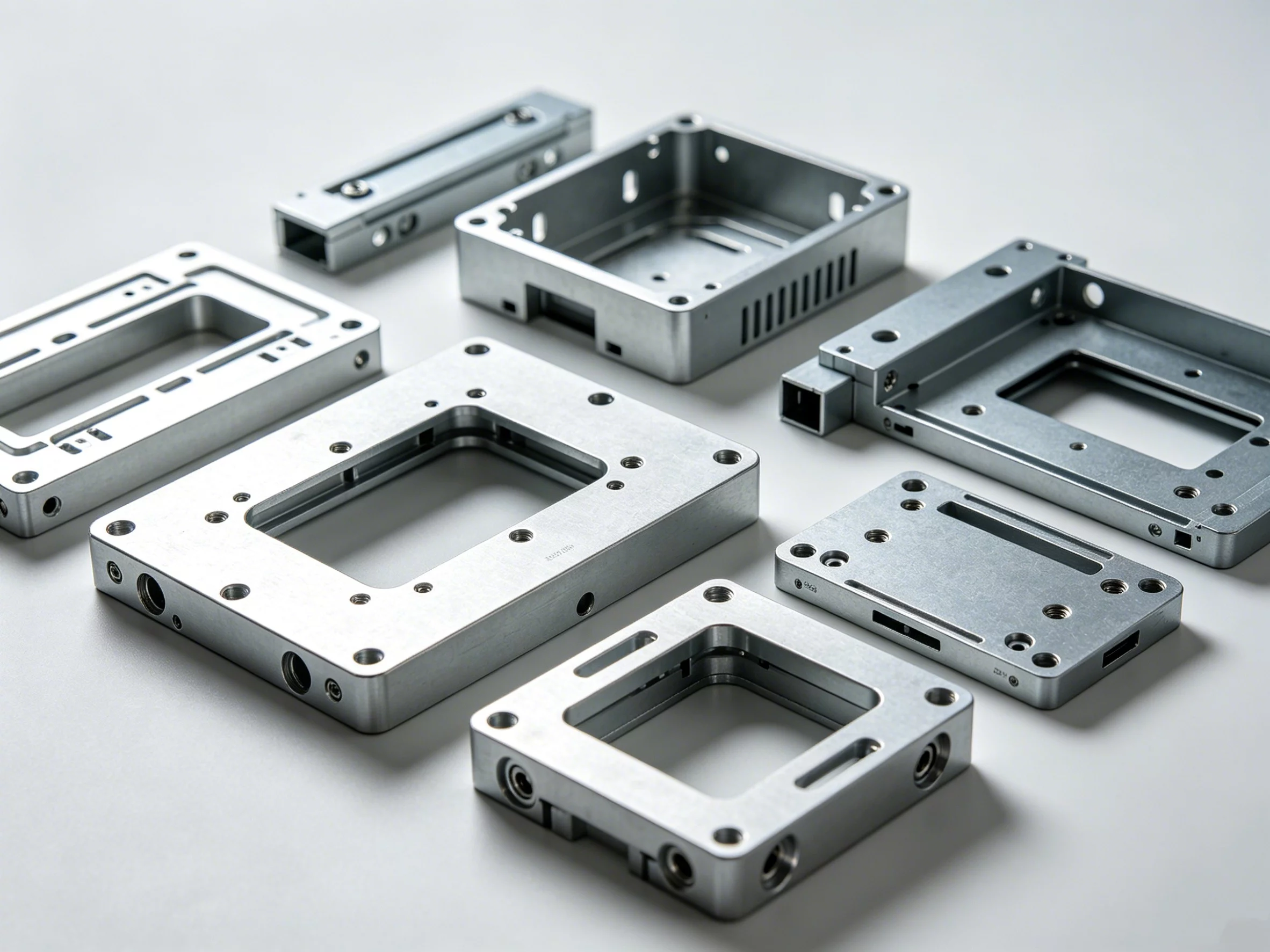
Enclosure and housing production – flat panels, corner seams, and flange joints that must stay square
Heat exchanger and battery tray modules – high-integrity joints on aluminum or stainless where leak resistance is critical

Aerospace and medical sub-assemblies – parts that require traceable weld records and minimal residual stress
If your panel exceeds 6 mm thickness or involves heavy section changes, Mecanizado CNC or a hybrid weld approach may be more cost-effective. That is a question worth raising during the initial engineering review.
Common Questions From Buyers
Will laser welding handle coated or painted sheet metal?
Not directly. Most shops require the joint area to be stripped of paint and corrosion inhibitor before welding. If your part is fully assembled with finish, ask whether the shop can do a selective strip. The cost and risk differ by coating type.
How does weld strength compare to TIG on the same material?
A properly set laser weld on the same alloy and thickness typically meets or exceeds the base-metal tensile strength. The advantage is consistency. TIG strength can vary more with operator skill and travel speed. Always request a weld strength test on your exact material before committing to volume.
Can I use 316L stainless and 6061 aluminum in the same joint?
Mixing those two materials in a single laser weld is not standard. The thermal expansion mismatch and intermetallic formation create a weak joint. If your design calls for a steel-to-aluminum transition, a laser-brazed or mechanically fastened interface is usually more reliable.
What is the realistic lead time for a small batch, say 200 parts?
Lead time depends on fixturing and first-article approval. A simple butt seam on a standard panel can go from drawing to shipped parts in 2 to 4 weeks. Complex lap joints with multi-pass welding may add a week. Confirm the schedule in writing before you release the PO.
Choosing the Right Service for Your Part
The core value of a laser welding service is not just the weld itself. It is the combination of fixturing, parameter control, and post-weld inspection that keeps your part on spec over hundreds of cycles.
If you have a drawing, a material spec sheet, or even a rough sketch of the joint, send it to YPMFG for an engineering review. They will check wall thickness, alloy compatibility, and whether the joint design is practical for laser access. You will get a short assessment and a realistic process recommendation before you commit to a quote. That one step usually saves a round of rework down the line.