Spanish
 English
 German
 Russian
 Japanese
 Korean
 French
 Italian
 Portuguese

An aluminum enclosure protects sensitive electronics from heat, vibration, and environmental exposure. The first specification you need to lock down is the aluminum alloy grade, because it drives strength, weight, and corrosion resistance. Most CNC-machined enclosures use 6061 or 5052 alloy, depending on whether your priority is machinability or surface durability. Getting this right before tooling starts avoids costly redesign cycles.
The real problem buyers face is balancing protection level against part weight, thermal performance, and total cost. A sealed enclosure for an outdoor controller behaves very differently from a vented panel for an indoor power supply. The wrong alloy or wall thickness can push your total ownership cost well above budget, especially at volume.
En YPMFG, we work with engineers and procurement teams who need CNC-machined aluminum enclosures that meet exact dimensional and thermal specs. This guide covers the decisions that matter before you send drawings for a quote.
Choosing the Right Alloy
The alloy selection drives nearly every downstream decision: machinability, finish options, weldability, and long-term corrosion behavior. 6061-T6 is the default for most Mecanizado CNC work because it machines cleanly, accepts anodizing well, and offers a balanced strength-to-weight ratio. 5052 is softer, more corrosion-resistant, and preferred when the enclosure will sit in a humid or marine environment.
6061-T6: Good general-purpose strength, easy to machine, anodizes to a consistent finish
5052: Higher corrosion resistance, softer, better for sheet-formed or lightly machined enclosures
7075: Highest strength, harder to machine, used in aerospace or high-load bracket applications
5083: Marine-grade, resists saltwater corrosion, carries a premium price
If your enclosure sees UV exposure, chemical vapors, or coastal salt spray, verify the alloy’s corrosion data with your material supplier before finalizing the design. YPMFG can review your environment specs and flag alloy risks during the engineering evaluation stage, so you catch mismatches before cutting a single part.
Tolerances, Wall Thickness, and Finishing
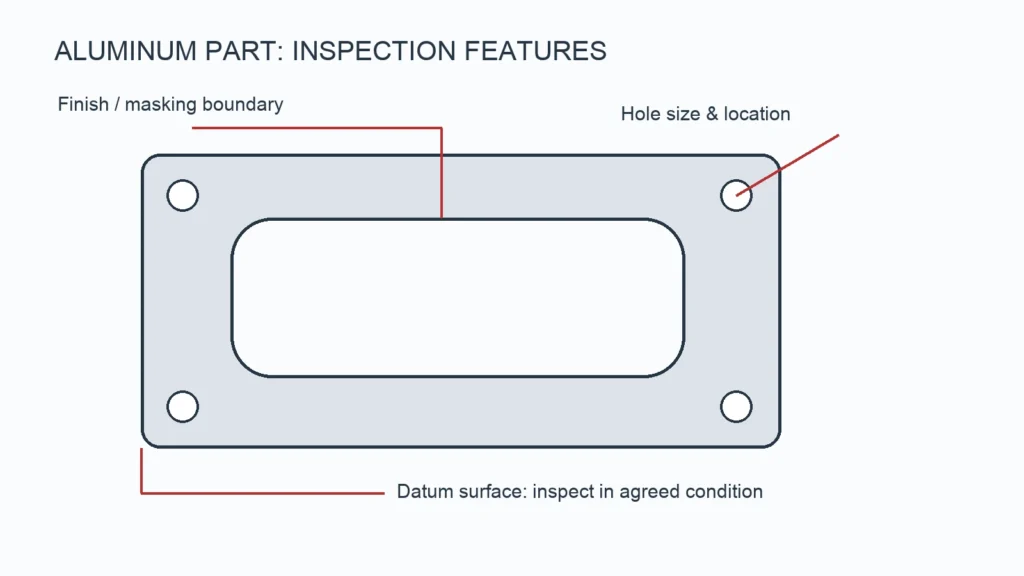
Ajustado tolerancias CNC keep mating surfaces, cable glands, and fastener holes aligned across the enclosure and its base plate. For most enclosure applications,holding ±0.1 mm on critical dimensions is practical without driving costs sharply higher. If you need ±0.05 mm or tighter on multiple features, expect slower feed rates, additional fixtureing, and extra inspection steps in the quote.
After machining, the finish determines both appearance and protection. Standard anodizing is the baseline for indoor units; hard anodizing or powder coating is needed for high-wear or chemically aggressive environments. Confirm the finish spec against your IP rating requirement, especially if the enclosure must seal against dust or water ingress at the gasket line.
Preguntas comunes antes de hacer su pedido
What alloy do I choose for an indoor versus outdoor enclosure?
Indoor units usually work fine in 6061-T6 with standard anodizing. For outdoor or coastal use, move to 5052 or 5083 and verify the anodize thickness against your salt-spray test data.
Can CNC-machined enclosures be welded to frame structures?
Yes, but 6061-T6 loses strength in the heat-affected zone. If welding is part of your assembly plan, specify 6061-T4 or schedule a post-weld reheat cycle to restore hardness.
How do I control thermal buildup inside a sealed enclosure?
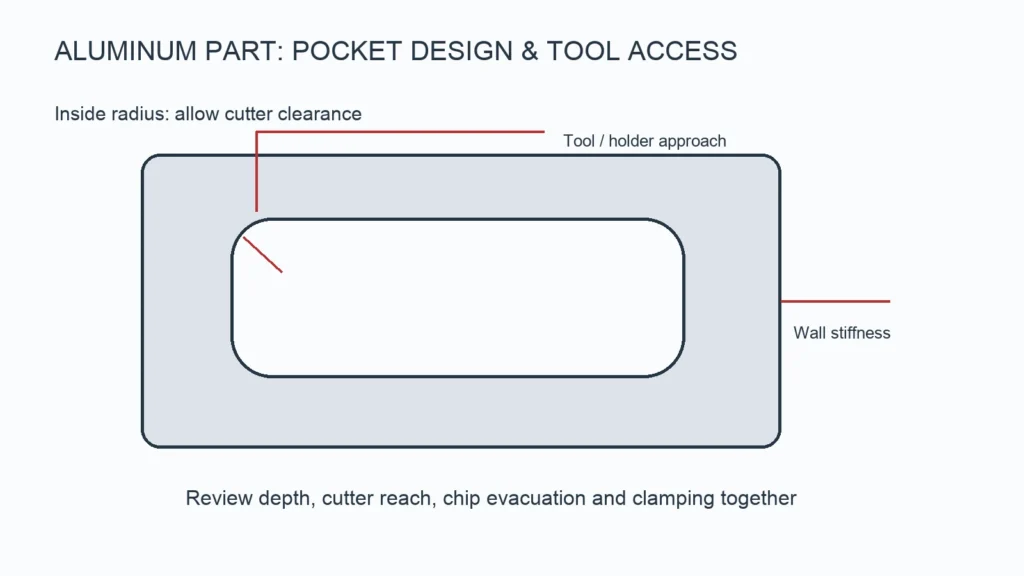
Increase wall thickness to 4–6 mm on the bottom panel and add internal fins or heat-sink tabs during the Mecanizado CNC step. Run a thermal simulation before finalizing the drawing so the enclosure does not act as a heat trap.
What documentation should I send when requesting a quote?
Include 3D CAD files, material grade, finish spec, quantity, and any IP rating o UL compliance requirements. The YPMFG engineering team can flag missing specs within one business day of receiving your files.
Is aluminum cheaper than steel for enclosures at volume?
Per unit, aluminum parts often cost more in material but weigh 60–70% less. For high-volume production where shipping, handling, and end-user installation add up, the total lifecycle cost of aluminum can come out lower.
Tomar la decisión correcta a largo plazo
The goal is straightforward: match alloy, wall thickness, tolerance, and finish to the real operating environment. A well-specified carcasa de aluminio reduces field failures, cuts warranty calls, and keeps your assembly line running without rework loops.
Send your CAD files, environment specs, and quantity to YPMFG for an engineering review. You will receive a feasibility check, a recommended alloy and finish, and a clear quote breakdown before committing to a production run.