 Italian
  English
  German
  Russian
  Japanese
  Korean
  Spanish
  French
  Portuguese
 Quick answer:
Hot-sale machining services for CNC turning parts typically refer to high-demand, cost-effective precision manufacturing solutions that balance speed, quality, and price. Buyers looking for these services usually need consistent output for high-volume production runs, quick turnaround times, and competitive pricing without sacrificing dimensional accuracy. The most commonly requested components include shafts, bushings, sleeves, and threaded inserts. Reputable suppliers offer free engineering reviews, sample testing, and detailed documentation to support procurement decisions.
YPMFG specializes in CNC lathe machining for industrial components, providing tailored solutions across metals and engineering plastics. This article explains what buyers should evaluate when sourcing these parts, how costs are structured, and which factors influence long-term performance.
Understanding what makes certain machining services stand out in the market helps buyers avoid common procurement mistakes. Many purchasers focus primarily on unit price but overlook hidden costs related to tolerance failures, material waste, or delayed delivery. The following sections break down the core elements of CNC turning part manufacturing, material considerations, quality indicators, and practical selection criteria.
What Defines High-Demand CNC Turning Components
CNC turning produces rotational symmetrical parts through material removal on a lathe. The process remains one of the most efficient methods for manufacturing precision cylinders, cones, and complex profiles. Parts produced via this method serve applications across automotive, aerospace, medical, and industrial equipment sectors.
The term hot-sale machining services describes offerings that combine proven reliability with fast production cycles. These services typically operate from established facilities with multiple CNC lathe lines, calibrated inspection equipment, and documented quality management processes. Buyers benefit from standardized workflows that reduce variability between orders.
Several component categories dominate current market demand. Precision turned shafts remain the most frequently ordered items. Threaded rods, piston pins, hydraulic cylinders, and valve stems also appear consistently across supplier catalogs. Each category carries distinct tolerancing requirements and surface finish expectations.
Material Selection and Its Impact on Performance
Material choice directly influences machinability, final part strength, corrosion resistance, and overall lifecycle cost. Suppliers offering comprehensive service portfolios can guide buyers through selection trade-offs rather than simply cutting to print.
Common materials used in CNC lathe machining include stainless steel grades such as 303, 304, 316, and 416. Alloy steels like 4140 and 4340 provide higher tensile strength for load-bearing applications. Aluminum alloys including 6061 and 7075 deliver lightweight solutions with excellent thermal conductivity. Brass and bronze variants suit bearing surfaces and electrical connectors requiring low friction.
Engineering thermoplastics have gained traction for specific use cases. Nylon, PEEK, and acetal deliver chemical resistance and dielectric properties where metal would fail. Each material behaves differently during cutting, affecting tool wear rates and required feed parameters.

The selection table above provides a baseline reference. Actual suitability depends on operational temperature, load conditions, and environmental exposure. YPMFG supports material evaluation during the quoting phase, helping engineers match specifications to real-world conditions before production begins.
Tolerance Standards and Surface Finish Requirements
Dimensional accuracy and surface quality determine whether turned parts function correctly within assemblies. Tolerance bands dictate allowable deviation from nominal dimensions, while surface finish measurements indicate roughness amplitude on machined faces.
Standard commercial tolerances for CNC turning parts typically range from ±0.005 inches to ±0.010 inches. tighter tolerances between ±0.001 and ±0.003 inches require secondary operations such as grinding or honing. Surface finishes measured in microinch Ra values between 32 and 125 qualify for general mechanical use. Finishes below 16 Ra often serve sealing surfaces or bearing interfaces.
Several factors influence achievable tolerance and finish levels. Machine rigidity, spindle runout, tool geometry, and coolant delivery all contribute to consistency. Environmental temperature control within the machining facility also affects thermal expansion during extended production runs. Buyers should verify that quoted tolerances include proper statistical process control documentation.
When tight tolerances intersect with hard materials, tool deflection becomes a limiting factor. Skilled programmers adjust cutting sequences to minimize stress on thin-walled sections. Custom CNC turning solutions from experienced providers incorporate these adjustments into standard workflows rather than treating them as exceptions.
Cost Structure and Pricing Variables
Understanding how CNC turning costs form allows buyers to evaluate quotes accurately rather than comparing unit prices in isolation. Multiple variables interact throughout the manufacturing process to determine final pricing.
Setup charges reflect machine programming time, fixture preparation, and first-article inspection. Larger production quantities amortize setup costs across more units, reducing per-piece expense. Material waste accounts for chipping, swarf generation,and off-cuts that cannot be reused. Complex geometries increase cycle time compared to simple cylindrical forms.
Secondary operations add separate line items to most quotes. Threading, knurling, drilling cross-holes, and parting off each require additional machine time or tooling changes. Heat treatment processes such as annealing, quenching, or case hardening introduce external processing steps beyond standard machining.
Buyers requesting machining services cnc turning parts should expect transparent cost breakdowns that distinguish material, processing, and finishing charges. Vague lump-sum pricing often hides expensive rework or inadequate quality controls. A reputable provider will explain which operations drive cost and where efficiencies exist.
Choosing Between Different Manufacturing Processes
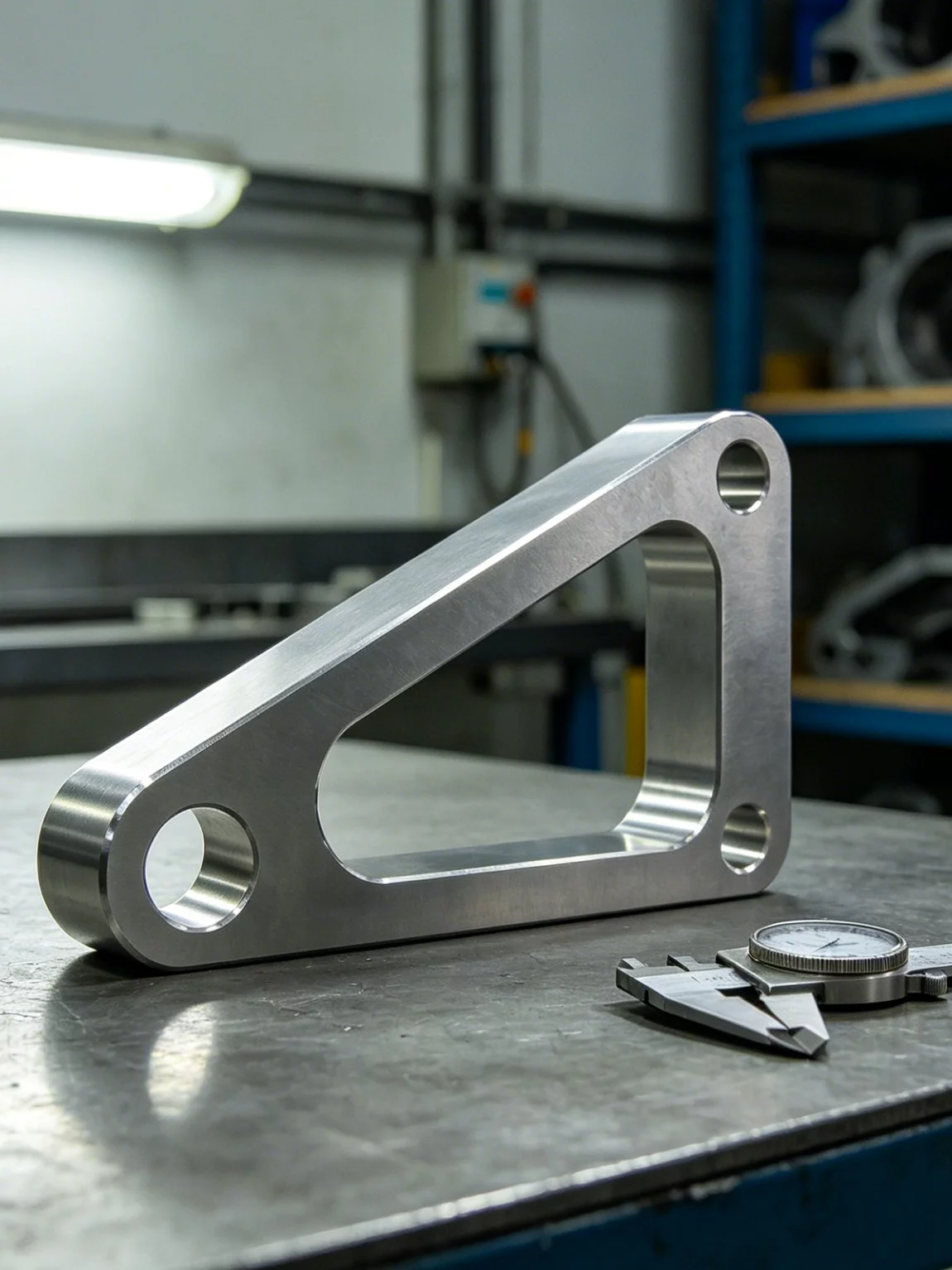
Not every rotational component requires CNC turning as its primary fabrication method. Understanding alternative processes helps buyers select the most appropriate approach for their application.
CNC milling excels at producing features that lack radial symmetry, such as flats, slots, and irregular pocket geometries. Casting creates complex shapes from molten metal but typically requires secondary machining to achieve tight tolerances. Extrusion produces long continuous profiles that can be cut to length, ideal for uniform bar stock applications. Forging improves grain structure and mechanical properties through controlled deformation.
Turning remains the optimal choice when the part geometry revolves around a central axis. If the design includes significant non-symmetrical features, a combined milling-and-turning approach may prove more efficient. Hybrid machines that integrate both capabilities on a single platform offer flexibility for complex multi-feature components.
The decision between processes also involves volume considerations. High-volume runs favor automated bar-feed lathes capable of uninterrupted production. Lower volumes may justify manual lathe operation or multi-tasking centers that reduce setups. YPMFG evaluates each project specification to recommend the most suitable manufacturing route.
Quality Documentation and Traceability Requirements
Procurement teams increasingly require formal documentation to support compliance audits and supply chain verification. Quality records demonstrate that parts meet specified requirements and enable traceability throughout the product lifecycle.
Key documents typically include first article inspection reports, material certifications, and dimension certificates. CNC turning services providers should supply these records alongside shipped components. Inspection reports detail measurement results against drawing callouts, often including photographic evidence of critical features.
Material certifications verify chemical composition and mechanical properties match the specified grade. These documents originate from the mill and pass through the machine shop before reaching the end customer. Traceability chains link raw material heat numbers to finished serial numbers for recalled components or field failure investigations.
Some industries mandate additional quality systems. ISO 9001 certification indicates a documented quality management framework. AS9100 requirements apply to aerospace supply chains with enhanced traceability rules. Medical device manufacturers often require ISO 13485 compliance for regulated product categories.
Common Questions Buyers Ask About CNC Turning
What lead times can I expect for CNC turned components?
Standard production runs typically complete within five to fifteen business days depending on quantity and complexity. Rush scheduling is often available for urgent projects at a premium rate.
Can I submit my own CAD drawings for quoting?
Most machining providers accept STEP, IGES, or SolidWorks files alongside PDF dimensioned drawings. Providing complete geometric dimensioning and tolerancing data speeds the review process significantly.
What happens if parts fail inspection?
Reputable suppliers replace non-conforming components at no charge and investigate root causes. Clear communication channels prevent production delays from compounding into schedule disruptions.
Do you offer sample parts before full production runs?
Prototyping and trial production samples allow validation of fit, form, and function before committing to volume orders. This practice reduces risk for new part introductions.
How do you handle sensitive intellectual property?
Confidentiality agreements protect proprietary designs shared during the quotation phase. Secure file transfer and restricted access protocols safeguard proprietary geometry data.
Making a Better Long-Term Decision
Sourcing hot-sale machining services cnc turning parts requires balancing multiple variables beyond simple price comparison. Dimensional consistency, material authenticity, documentation completeness, and delivery reliability all contribute to total value. Buyers who evaluate suppliers through a structured lens rather than chasing lowest unit costs tend to experience fewer production disruptions downstream.
Established machining providers like YPMFG offer comprehensive evaluation services before production begins. Engineers review drawings for manufacturability, suggest material alternatives when appropriate, and identify potential tolerance conflicts early. These preventative measures save time and resources compared to discovering issues after parts reach the assembly line.
When ready to proceed, buyers should prepare complete technical packages including drawing files, material specifications, required certifications, and anticipated volumes. Sending these details to a qualified CNC lathe machining partner enables accurate comparison and realistic timeline estimation. Requesting an engineering review before placing orders ensures alignment between design intent and production capability.