 Korean
  English
  German
  Russian
  Japanese
  Spanish
  French
  Italian
  Portuguese
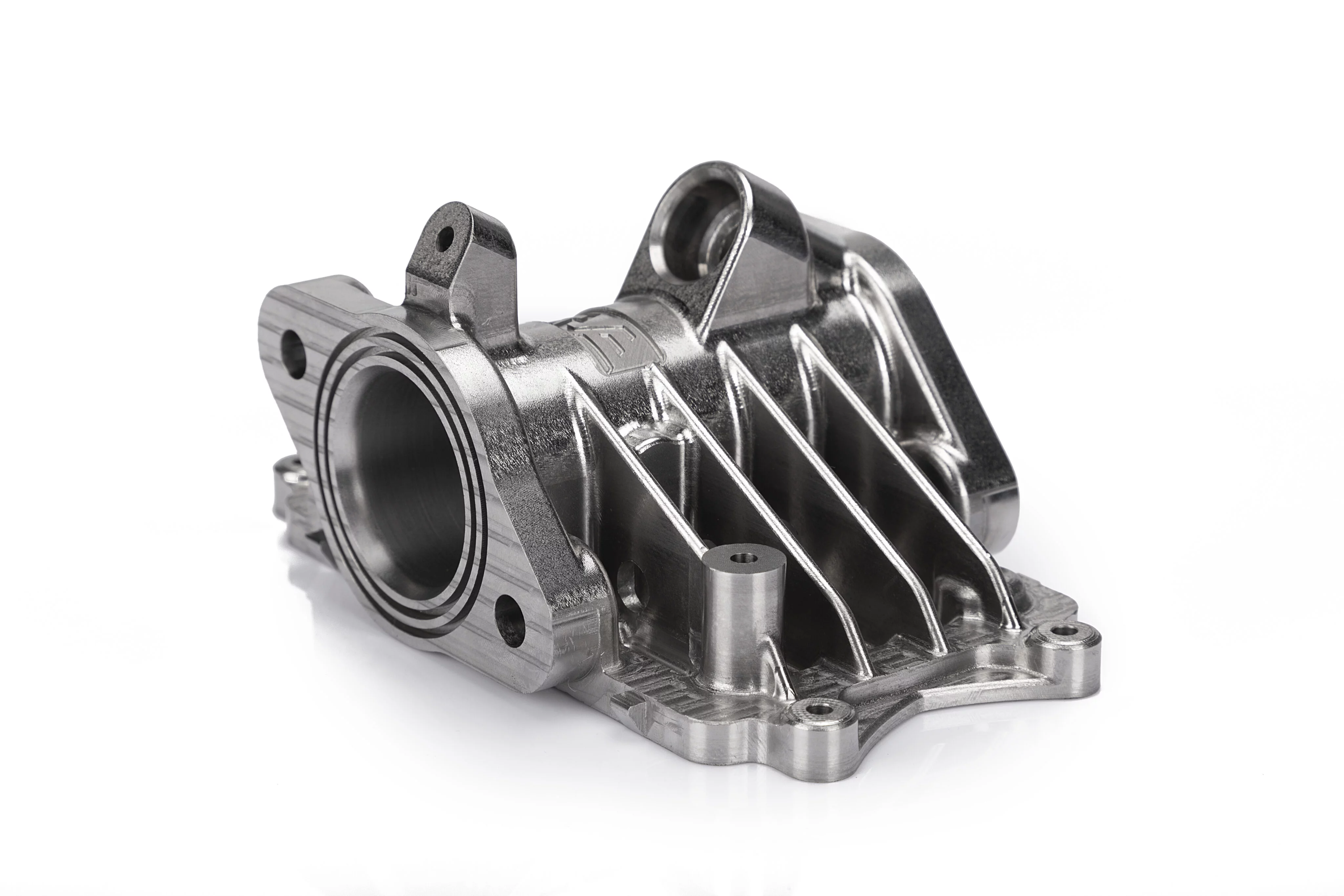
 간단한 답변: CNC 가공 is best suited for producing high-precision metal and plastic parts in low to medium volumes, where tight tolerances, superior surface finishes, and material flexibility are critical. It is widely used across aerospace, automotive, medical, electronics, and industrial equipment sectors, particularly when complex geometries, tight tolerances, or specialized materials are required.
CNC 가공 is one of the most versatile manufacturing processes available today, capable of handling a wide range of materials, part geometries, and production volumes. The core strength lies in its ability to deliver consistent, repeatable precision — something that few other manufacturing methods can match without expensive tooling investments.
When evaluating whether CNC machining is the right choice for your project, the key factors to consider are part complexity, material selection, batch size, and the required surface finish. Understanding these parameters upfront will help you avoid costly redesigns, unnecessary costs, or unsuitable manufacturing routes.
Understanding CNC Machining Capabilities
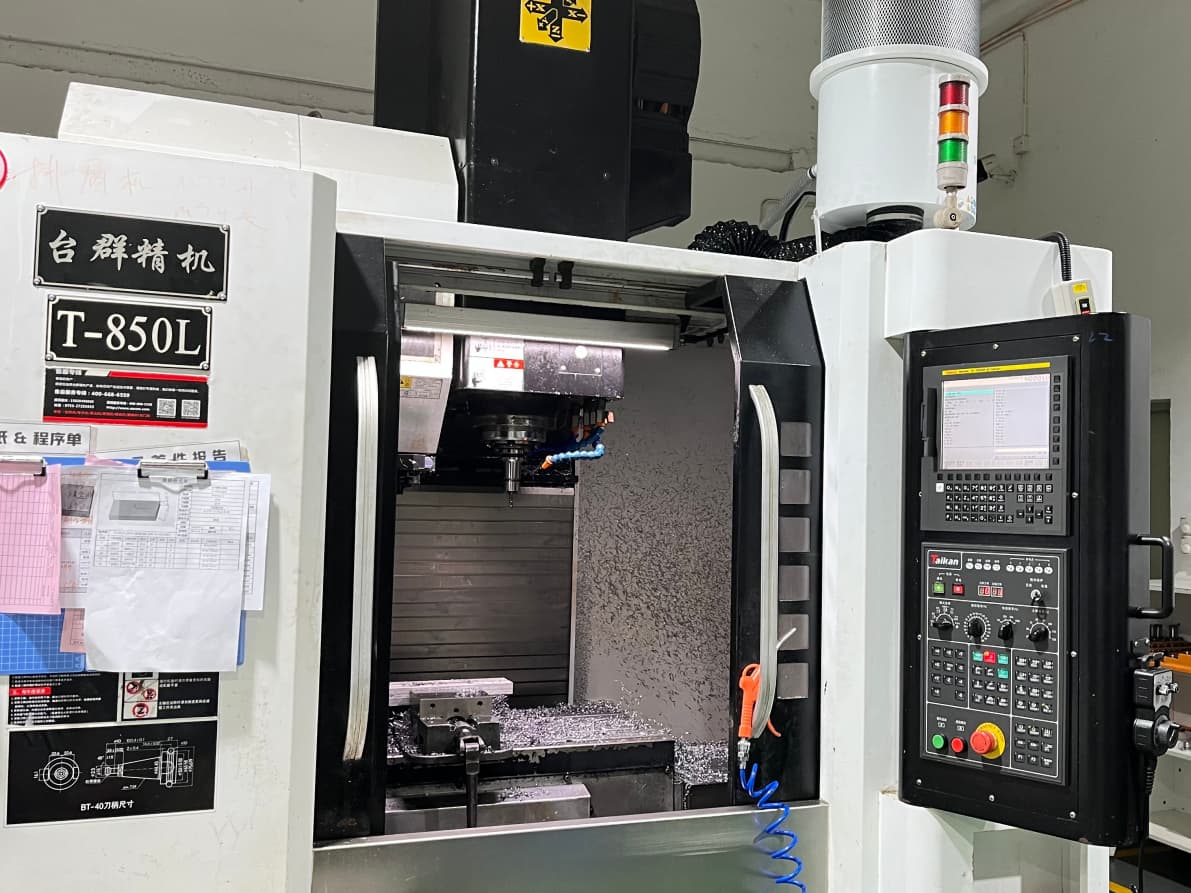
CNC 가공 covers two primary processes: CNC 밀링 and CNC 선반 가공. Milling removes material from a stationary workpiece using rotating cutting tools, while turning rotates the workpiece against a fixed cutting tool. Both processes can be performed on multi-axis machines that enable the production of highly complex 3D features, including pockets, slots, threads, holes, and contours.
Modern CNC machines typically offer 3 to 5 axes of movement, allowing a single setup to complete multiple operations. This reduces handling time, improves dimensional accuracy, and supports the production of intricate parts that would be difficult or impossible to manufacture with conventional methods.
At YPMFG, our CNC machining capabilities span both milling and turning centers, supporting parts with tolerances down to ±0.01mm and a wide range of standard and exotic materials. We also provide additional finishing options including anodizing, powder coating, and passivation to meet diverse application requirements.
Materials Commonly Used in CNC Machining
The choice of material significantly affects part performance, machinability, and cost. Selecting the right material requires balancing mechanical properties, thermal resistance, weight,corrosion resistance, and budget constraints.
Commonly machined materials include aluminum, stainless steel, brass, titanium, copper, and a variety of engineering plastics. Each material offers distinct advantages depending on the intended application.

Material selection should be driven by functional requirements rather than cost alone. A part that fails prematurely due to an underspecified material will cost far more than the savings gained from choosing a cheaper option upfront.
Critical Tolerances and Surface Finish Requirements
공차 are one of the most important factors when determining whether CNC machining is suitable for a given application. Standard CNC machining can reliably achieve tolerances in the range of ±0.025mm to ±0.1mm, depending on part size, material, and feature complexity. For tighter requirements, YPMFG supports tolerances down to ±0.01mm on select features, often requiring secondary operations or optimized toolpaths to maintain consistency across the batch.
Surface finish is equally important, especially for parts that interface with other components, require sealing, or are subject to wear. Standard CNC machined surfaces typically fall in the range of Ra 1.6 to Ra 3.2 micrometers. When smoother finishes are required, additional processes such as bead blasting, grinding, or polishing can bring the surface down to Ra 0.4 micrometers or better.
Before finalizing your design, you should clearly define your tolerance and surface finish requirements. This information directly impacts toolpath planning, cycle time, and ultimately, the cost per part.
Key Industries That Rely on CNC Machining
CNC 가공 serves a broad spectrum of industries, each with its own set of performance, regulatory, and quality requirements. Understanding these applications helps buyers evaluate whether their specific part falls within the capability range of this manufacturing process.
Aerospace and defense parts demand high-strength materials, strict tolerances, and traceable material certifications. Medical and surgical instruments require biocompatible materials and ultra-fine surface finishes. Automotive manufacturers use CNC machined components for engine parts, transmission housings, and sensor brackets where reliability under extreme conditions is non-negotiable.
Industrial equipment producers rely on CNC machining for custom brackets, housings, mounts, and structural frames that must meet precise dimensional specifications. Electronics enclosures and semiconductor components also benefit from the dimensional stability and clean surface qualities that CNC machining provides.
Design for Machinability: What You Should Know
Design choices have a direct impact on manufacturability, lead time, and part cost. A well-optimized design can reduce cycle time, minimize tool wear, and improve yield rates across the entire production run.
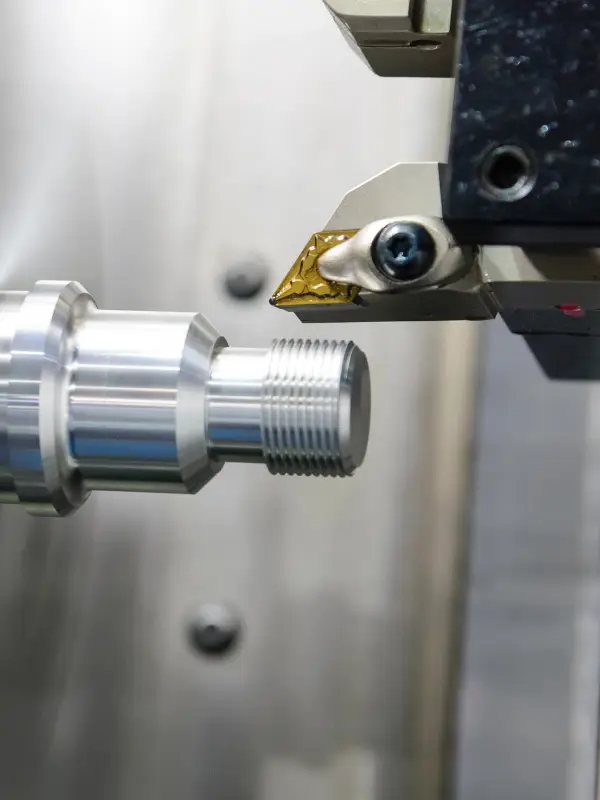
Several design principles should guide your part development process. Internal corners should always include a reasonable fillet radius, since sharp internal corners create tool stress points and increase machining time. Hole diameters should align with standard drill bit sizes to avoid non-standard tooling and additional setup costs. Wall thickness should be sufficient to maintain rigidity during machining while avoiding excessive material removal that drives up cost.
Thread features are another area where design decisions matter. Internal threads require tap or thread milling operations, which add to cycle time. Where possible, specifying standard thread sizes and avoiding unnecessary depth can streamline production.
YPMFG offers engineering review support at no additional cost. You can send your drawings or CAD files for a manufacturability assessment before committing to a full production run.
How CNC Machining Compares to Alternative Processes
Selecting the right manufacturing process depends on volume, part complexity, material, and cost targets. CNC machining is not always the optimal choice, but it remains the most flexible option for precision parts across varying batch sizes.
For buyers evaluating multiple manufacturing routes, the decision should be based on total cost of ownership, not just unit price. CNC machining often delivers better long-term value for parts that require tight specifications, material performance, or design iteration.
Cost Drivers in CNC Machining
Several factors determine the final cost of a CNC machined part. Understanding these drivers allows buyers to make informed design and sourcing decisions without relying on guesswork or incomplete quotes.
Material cost varies significantly across metals and plastics. Exotic materials such as titanium and Inconel carry a premium compared to aluminum or Delrin. Stock size and waste percentage also influence material cost, as larger bar or plate stock generates more scrap.
Geometry complexity affects cycle time and toolpath planning. Parts with deep cavities, thin walls, or multiple setups require longer machining time and additional fixturing. Similarly, tight tolerances and fine surface finish requirements may necessitate secondary operations, increasing both time and cost.
Batch size plays a major role as well. CNC machining has a relatively high setup cost but a lower marginal cost per additional part. This makes it economical for small to medium batches, while large-volume production may be better served by casting or molding.
Common Questions Buyers Ask About CNC Machining Applications
What is the minimum order quantity for CNC machined parts? Most shops, including YPMFG, accept single parts and prototypes with no minimum order requirement. This makes CNC machining ideal for one-off custom parts and low-volume production runs.
How long does it typically take to receive CNC machined parts? Standard lead times range from 5 to 15 business days depending on part complexity, material availability, and quantity. Rush service is often available for urgent projects.
Can I request a design review before placing an order? Yes. Sending your CAD files or drawings for an engineering review is a recommended step. YPMFG provides free design feedback to help optimize your part for manufacturability.
What documentation is provided with CNC machined parts? Standard documentation includes a dimensional inspection report, material certificate, and a first-article inspection package. Additional quality records can be provided upon request.
Which industries find CNC machining most valuable? Aerospace, medical devices, automotive, semiconductor, and industrial equipment manufacturers are among the primary users of precision CNC machined components.
Choosing the Right CNC Machining Partner for Your Project
Selecting a manufacturing partner should be based on technical capability, communication clarity, and quality consistency rather than price alone. A partner who understands your application can help you avoid costly redesigns, material mismatches, and production delays.
YPMFG supports buyers throughout the entire process, from initial 엔지니어링 평가 and custom solution development to final after-sales support. You can send your specifications for a detailed quote or request a technical consultation to discuss your project requirements in detail.
If you have a part that requires tight tolerances, specialized material, or a custom surface finish, the most effective next step is to share your drawings or CAD model with our engineering team. We will provide a feasibility assessment and a competitive quotation tailored to your application needs.