 Korean
  English
  German
  Russian
  Japanese
  Spanish
  French
  Italian
  Portuguese
 간단한 답변:
CNC turning and milling are both subtractive machining processes, but they serve different part geometries. Turning creates rotational symmetrical parts using a single-point cutting tool, while milling uses rotating multi-point cutters to produce complex shapes, slots, and flat surfaces. For cylindrical components like shafts and bushings, turning is the most efficient choice. For brackets, housings, and prismatic parts, milling delivers the required complexity. Many production runs combine both processes on a single CNC machine center.
Turned and milled components form the backbone of modern manufacturing. Whether you are sourcing replacement parts for industrial equipment or prototyping a new product, understanding which process suits your design is critical to controlling cost and lead time. At YPMFG, we evaluate each project against geometry, tolerance, material, and volume before recommending a process path.
This guide breaks down what each process does, where they overlap, and what factors matter most when you are making a procurement decision.
What Is CNC Turning?
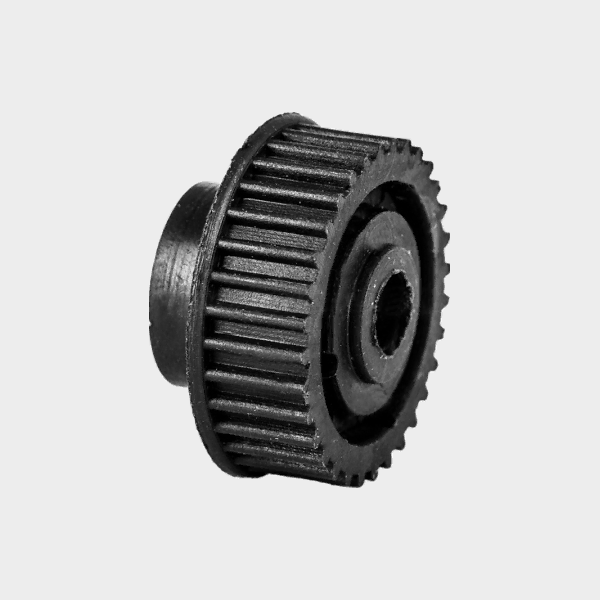
CNC turning uses a stationary cutting tool on a rotating workpiece to remove material. The lathe or turning center spins the bar stock while the tool moves along the Z and X axes to cut diameters, tapers, threads, and grooves.
The result is a round or rotationally symmetric part. Common turned components include shafts, pins, bushes, nozzles, and fasteners. Turning excels at high removal rates on cylindrical geometry and can hold tight tolerances on diameters and surface finishes.
Key characteristics of CNC turning:
Workpiece rotates; tool remains fixed or moves linearly
Ideal for cylindrical and conical profiles
Efficient for high-volume production runs
Can integrate secondary operations like drilling and threading
What Is CNC Milling?
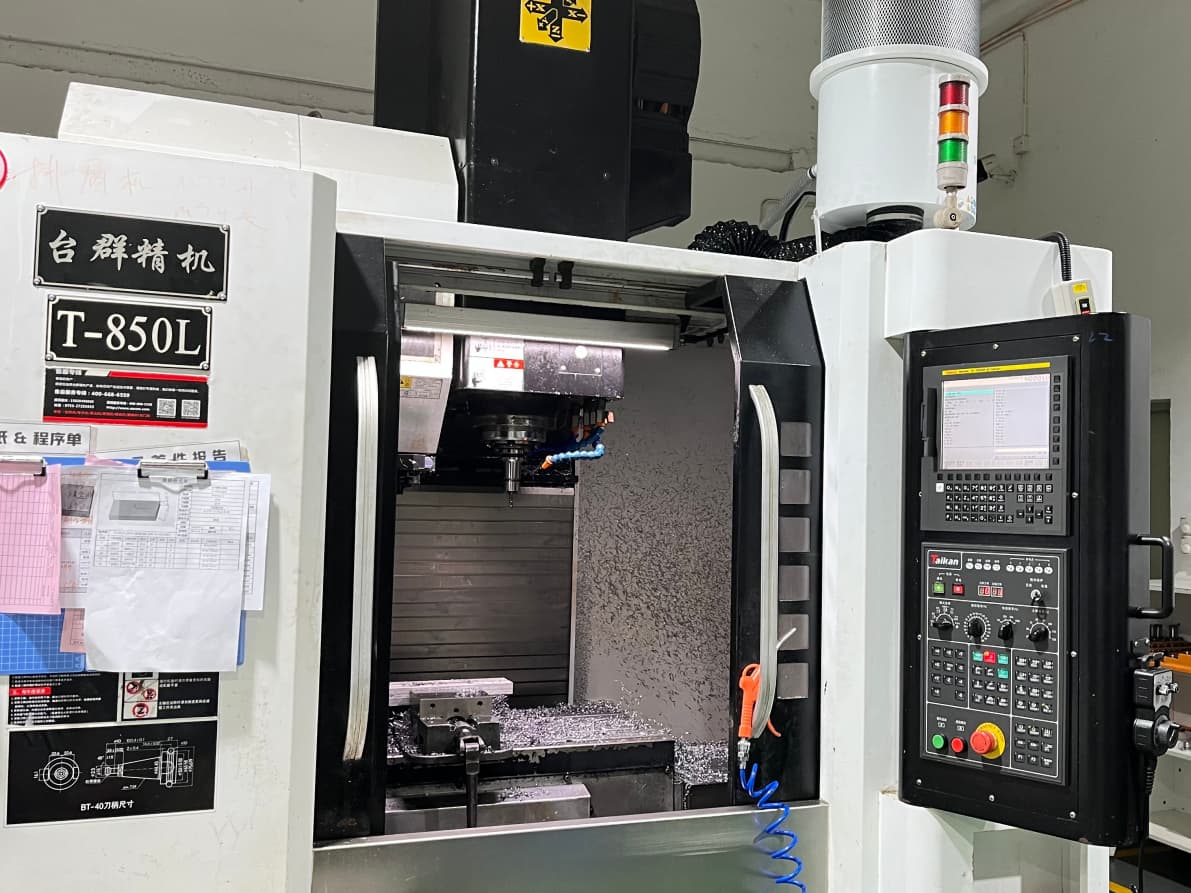
CNC milling removes material using a rotating multi-point cutting tool. The workpiece stays stationary while the cutter moves across multiple axes to shape the part. Modern milling centers operate on three, four, or five axes, enabling complex 3D contours, pockets, slots, and holes.
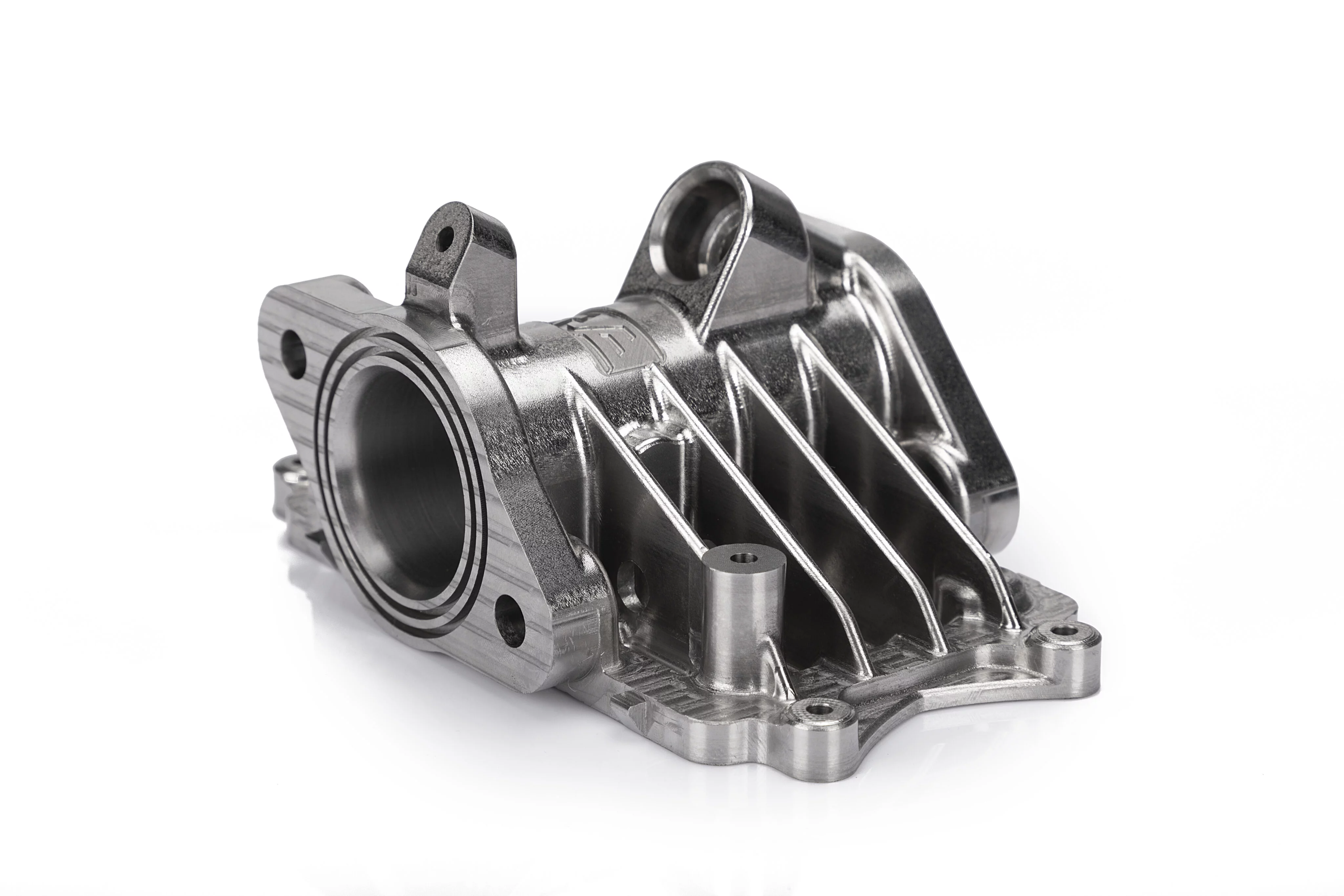
Milled parts include brackets, plates, housings, frames, and模具 components. Milling is the go-to process when your design requires non-symmetric geometry, flat surfaces, or precision features that turning cannot produce.
Key characteristics of CNC milling:
Cutting tool rotates; workpiece moves on a table
Capable of complex 3D shapes and features
Supports a wide range of materials including metals, plastics, and composites
5-axis machines can machine five sides in a single setup
Key Differences Between CNC Turning and Milling
The fundamental difference lies in how material is removed and what shapes each process can produce efficiently. Turning rotates the part; milling rotates the tool. This single distinction drives everything from equipment selection to per-part cost.
Understanding this difference helps you specify the right process upfront and avoid unnecessary rework or over-engineering during manufacturing.
Choosing between these processes depends on your part geometry first, then on volume and tolerance requirements. A turned part with milled flats can be produced on a turning center with live tooling. A milled part with centered holes may only need a drill operation added to the milling cycle.
When to Choose CNC Turning
You should select CNC turning when your part has a primary cylindrical or conical form. If the design calls for consistent outer diameters, internal bores, threads, or tapers, turning is usually the fastest and most cost-effective path.
Turning is particularly efficient for high volumes because bar feeders allow unattended production across long runs. Materials like aluminum, steel, brass, and titanium all machine well on lathes.
Consider turning if your part meets any of these conditions:

The main features are concentric circles or linear profiles along the axis
You need external or internal threads
The part length-to-diameter ratio favors lathe machining
Volume justifies setup time amortization across many units
When to Choose CNC Milling
You should choose CNC milling when your design includes pockets, slots, irregular contours, or features that require multiple non-rotational faces. Milling provides the flexibility to produce nearly any shape that a 3D model defines.
Complex aerospace brackets, medical device housings, and automotive mounting plates are typical milling applications. These parts often combine drilled holes, milled pockets, and machined surfaces in a single operation.
Consider milling if your part meets any of these conditions:
The geometry is prismatic or irregular rather than rotational
You need multiple faces machined with precise angular relationships
The design includes slots, keyways, or cross-drilled features
You require tight positional tolerances between unrelated features
Multi-Process Solutions: Turn-Mill Centers
Modern CNC turn-mill centers combine both processes in a single machine. These hybrid systems can turn a part to diameter and then use live milling tools to add flats, holes, and slots without a second setup.
A turn-mill approach reduces handling, improves feature location accuracy, and often shortens total lead time compared to separate turning and milling operations. However, these machines carry higher capital costs and require more skilled programming.
When a combined approach makes sense:
The part has both rotational and prismatic features
Tight co-axiality between turned and milled features is critical
Reducing setup changes outweighs the higher hourly rate
Prototype or low-volume production benefits from single-setup accuracy
Factors That Affect Cost and Lead Time
Several variables influence the final cost and delivery timeline for both turning and milling projects. Understanding these factors helps you prepare accurate requests for quotation and set realistic expectations.
Material choice is one of the largest cost drivers. Hardened steels and titanium cut slower than aluminum or brass. Stock size also matters. Large diameter bars or thick plates increase material cost and machine time.
Additional cost factors include:
Part complexity and number of features
Tolerance and surface finish requirements
Quantity and batch size
Secondary operations such as heat treatment, coating, or inspection
Machine accessibility and fixture requirements
Lead time follows a similar pattern. Standard materials in common sizes ship faster than exotic alloys or special stock. Simple geometric parts move through production quicker than multi-axis programs requiring optimized tool paths.
Material Selection for CNC Parts
Material selection impacts machinability, final properties, and cost. YPMFG routinely works with aluminum alloys, stainless steels, carbon steels, tool steels, brass, bronze, titanium, and engineering plastics.
Common material choices and their typical applications:
The right material depends on your functional requirements. A bracket that only needs rigidity may use 6061 aluminum. A load-bearing shaft in a corrosive environment may require 4140 steel with heat treatment.
Tolerance and Surface Finish Considerations
Tight tolerances and fine surface finishes increase machining time and cost. Standard CNC turning and milling can typically hold ±0.025 mm on most features. Achieving ±0.01 mm or better often requires second operations, specialized tooling, or controlled environmental conditions.
Surface finish ratings follow standard NORSK or Ra scales. A standard mill finish typically reads around 3.2 µm Ra. Ground or polished operations can reach 0.4 µm Ra or lower. Specify finish requirements only where function demands them to avoid unnecessary cost.
Important considerations for precision specs:
Verify which features truly need tight tolerance
Consider whether a looser tolerance still meets assembly function
Account for material expansion and thermal effects during machining
Request a DFM review before locking final specifications
Quality Control and Inspection Practices
Reputable machining suppliers implement inspection protocols at multiple stages. First article inspection verifies that the initial parts match engineering drawings. In-process checks catch deviations early. Final inspection confirms dimensional compliance and surface quality.
Typical inspection methods include:
Coordinate measuring machine (CMM) for complex geometries
Micrometers, calipers, and gauges for routine checks
Visual inspection for surface defects and burrs
Hardness testing when material properties are specified
Thread gauging for threaded features
Documentation such as material certificates, inspection reports, and first article records should be available on request. These documents support traceability and compliance audits in regulated industries.
Preparing Your Design for Manufacturing
Good design for manufacturability saves time and money. Small adjustments to feature placement, corner radii, and wall thickness can dramatically reduce machining difficulty without affecting function.
Sharp internal corners are impossible to machine directly. A minimum fillet radius of one-third the slot depth is a widely accepted guideline. Deep narrow slots increase tool deflection and breakage risk. Through holes are simpler and cheaper than blind holes of the same diameter.
Design recommendations before sending your files:
Add fillets to internal corners wherever possible
Avoid unnecessarily deep features that require long tools
Specify thread standards and depths clearly
Define datum surfaces for consistent fixturing
Provide 3D CAD models alongside 2D drawings
At YPMFG, we review submitted designs for manufacturability and flag potential issues before production begins. This step often prevents costly delays downstream.
Why Process Choice Matters for Your Project
Selecting the wrong machining process for your part geometry creates avoidable problems. An overly complex milling program for a simple bushing inflates cost. A turning-only approach for a multi-face bracket may require additional operations that add lead time and tolerance stack-up.
The right process choice aligns geometry, volume, tolerance, and material into a manufacturable plan. It also influences which equipment, tooling, and operators are needed, which in turn affects pricing and scheduling.
Making an informed decision early in the sourcing process reduces surprises during production and helps you negotiate from a position of clarity.
Questions Buyers Often Ask
What is the main difference between CNC turning and CNC milling?
Turning rotates the workpiece against a stationary tool to create round parts. Milling rotates the cutting tool against a stationary workpiece to create complex shapes and flat surfaces.
Can one machine do both turning and milling?
Yes. Turn-mill centers combine both processes in a single setup. They are ideal for parts that require both rotational and prismatic features without transferring between machines.
Which process is cheaper, turning or milling?
Turning is generally less expensive for cylindrical parts because it removes material faster and requires simpler setups. Milling costs rise with part complexity and the number of axes needed.
What tolerances can CNC machining achieve?
Standard CNC machining typically holds ±0.025 mm. Tighter tolerances down to ±0.005 mm are possible but increase cost and require careful process control.
Do you offer material certificates and inspection reports?
Yes. We provide material test certificates, first article inspection reports, and dimension verification records upon request for every production run.
How long does a typical CNC turn or mill order take?
Lead time depends on part complexity,quantity, and material availability. Simple turned parts may ship within days. Complex milled assemblies often require one to three weeks.
What files do I need to submit for a quote?
Send us your 2D drawings in PDF or DXF format and your 3D model in STEP or IGES format. Include material, quantity, tolerance notes, and any surface finish requirements.
Can you help if my design is not optimized for machining?
Yes. We review every submission for manufacturability and suggest practical changes that maintain function while reducing cost and lead time.
더 나은 장기적 결정을 내리기
The right choice between CNC turning and milling starts with a clear understanding of your part geometry, functional requirements, and production volume. Getting this decision right the first time prevents cost overruns, delays, and quality issues later in the program.
A disciplined evaluation of process fit, material suitability, and tolerance strategy pays dividends across every stage of manufacturing. It also gives you a stronger basis for supplier conversations and more accurate quoting.
You can send your specifications to YPMFG for a free engineering review. Our team will assess your design, recommend the most suitable process, and provide a competitive quote with lead time estimates. Sharing your CAD files and drawing details is the fastest way to get actionable feedback on your next production run.