 Korean
  English
  German
  Russian
  Japanese
  Spanish
  French
  Italian
  Portuguese
 간단한 답변:
Metal parts and castings require careful material selection and strict dimensional tolerances to ensure reliable production performance. Buyers should prioritize suppliers who provide detailed engineering evaluations and certified material test reports before placing bulk orders. Proper surface treatment and systematic post-machining inspections directly impact component lifespan and final assembly accuracy. Choosing verified manufacturers significantly reduces rejection rates and prevents costly production delays. Always request physical prototypes and verify compliance with your specific industry standards first.
Production teams frequently face unexpected downtime when incoming components fail basic stress tests or exceed tolerance limits. These quality gaps usually stem from unclear specifications or rushed supplier vetting processes. Manufacturers must balance upfront material costs with long-term reliability metrics. This guide outlines the essential verification steps for sourcing durable industrial components. You will learn how to evaluate manufacturing capabilities and avoid common procurement pitfalls.
Evaluating Core Manufacturing Capabilities
Different production methods yield distinct mechanical properties and surface finishes. Engineers must match the fabrication technique to the functional demands of each assembly. Understanding these differences helps you filter out vendors who lack specialized equipment.
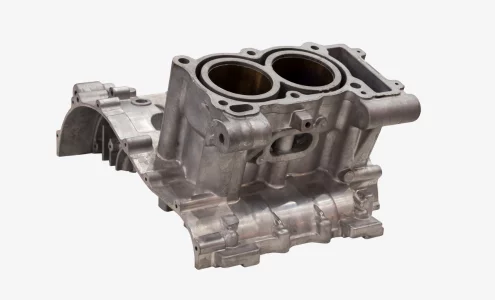
Casting processes excel at producing complex geometries with minimal waste. However, they often require secondary machining to achieve tight dimensional requirements. Buyers should verify that foundries maintain consistent grain structure control and proper heat treatment cycles.
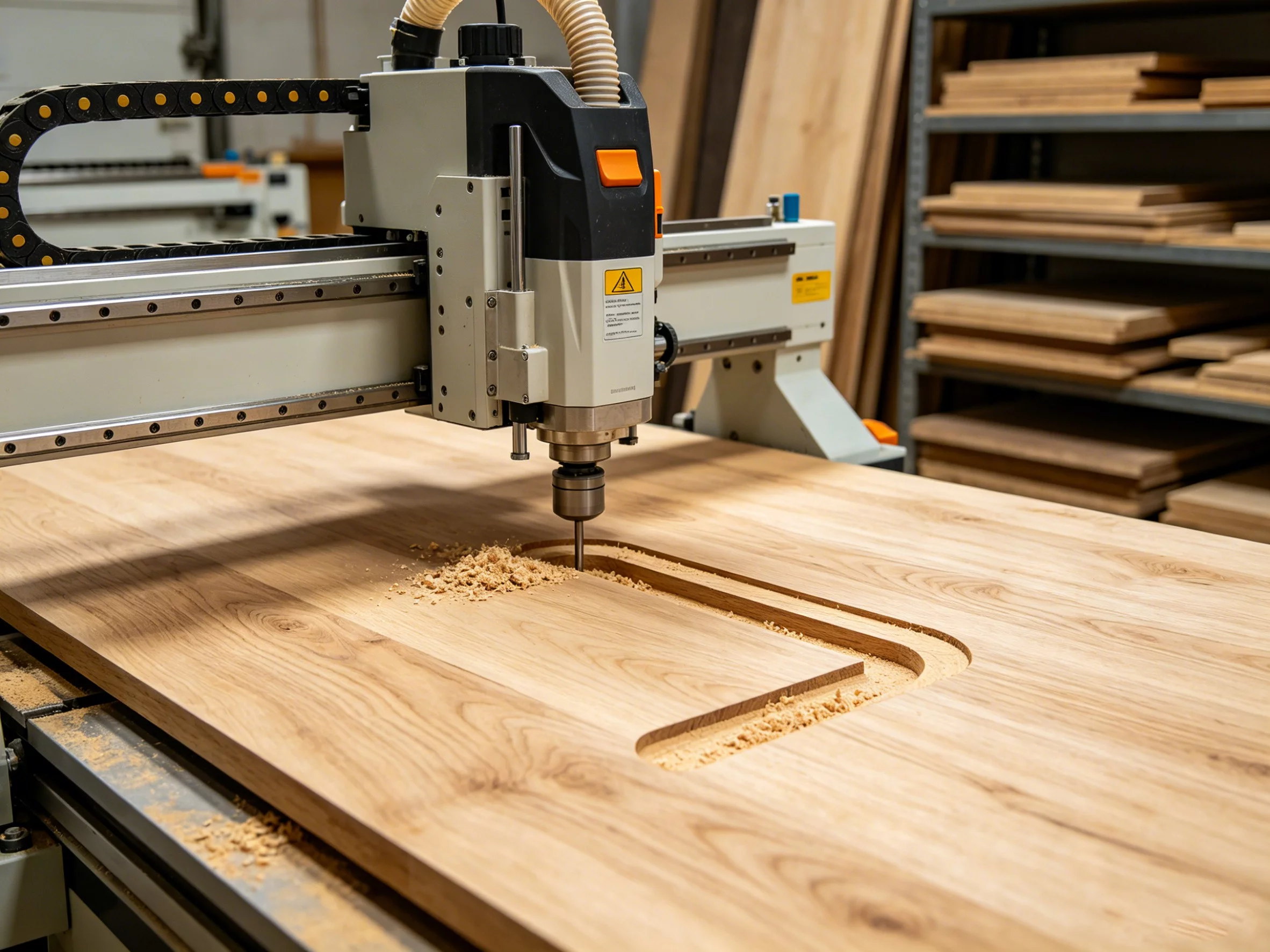
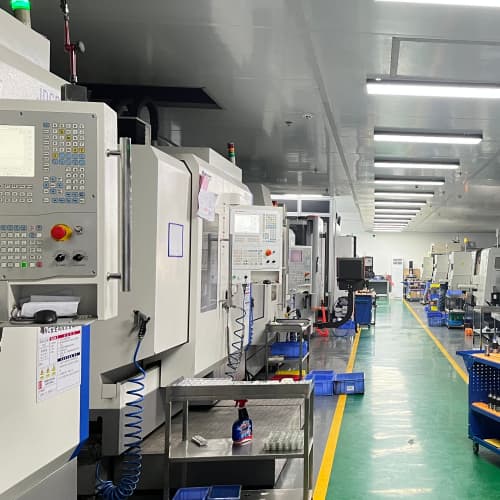
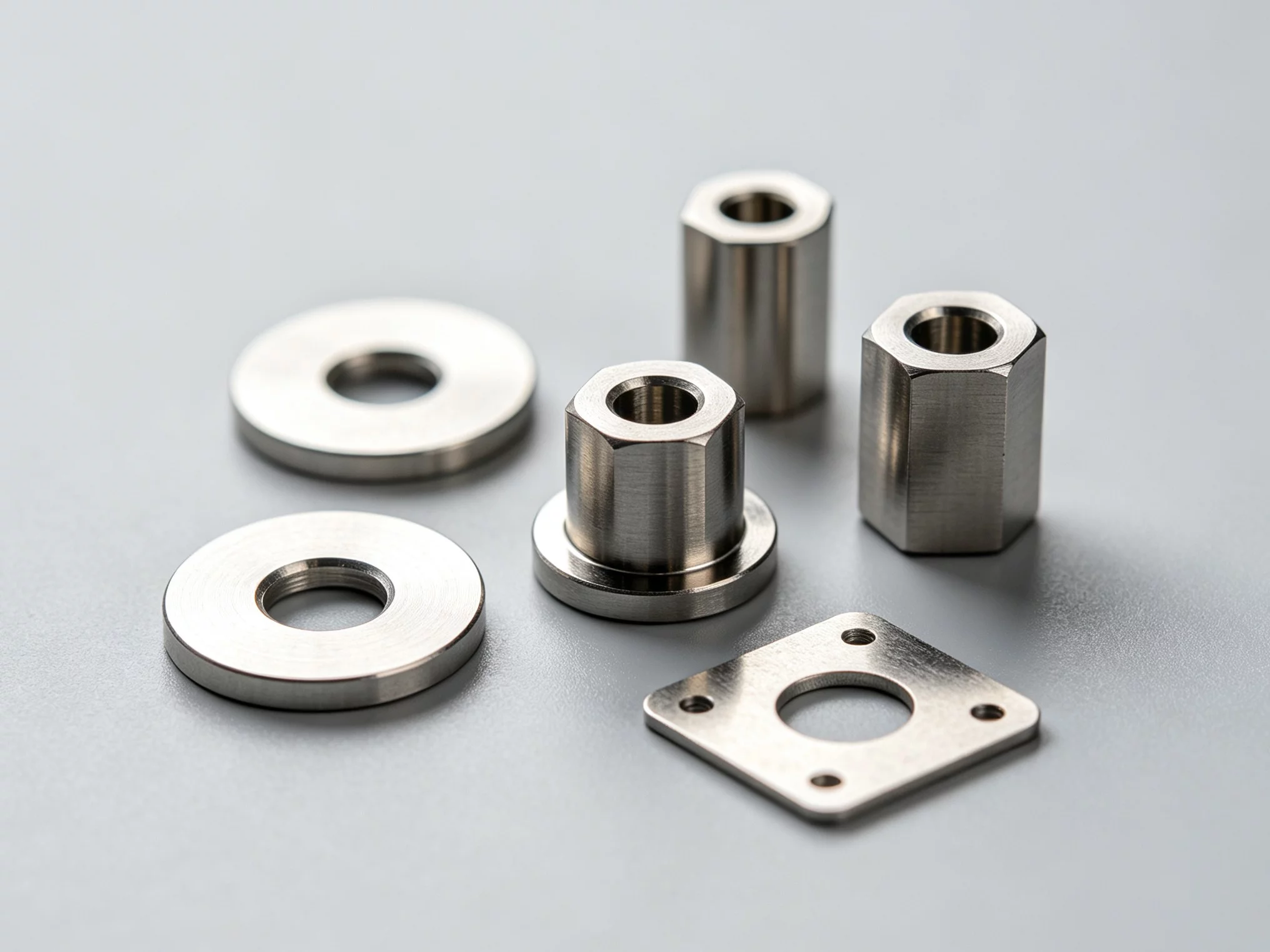
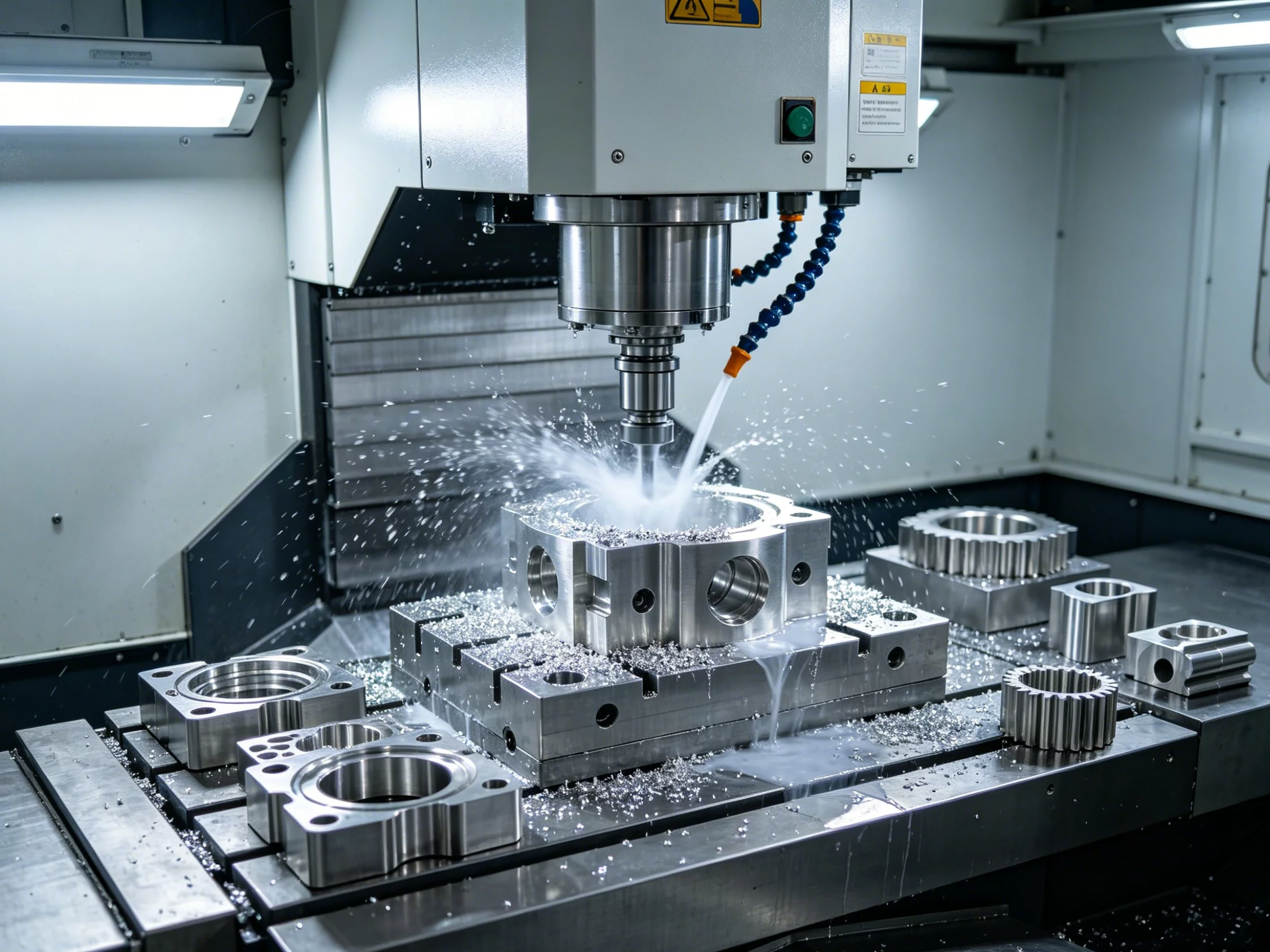
CNC milling and turning operations deliver superior precision for high-volume runs. These subtractive techniques remove excess material to meet exact geometric dimensioning standards. Suppliers must demonstrate calibrated tool paths and regular spindle maintenance records.
Hybrid approaches combine casting rough shapes with precision finishing stages. This strategy balances initial material savings with final performance guarantees. Always confirm whether the vendor handles both phases under one quality management system.
## Essential Inspection Criteria for Structural Integrity
Incoming quality checks prevent defective batches from entering your assembly line. Standard visual examinations rarely catch internal micro-cracks or hidden porosity issues. Implementing structured verification protocols saves significant rework expenses later.
Dimensional verification requires calibrated 좌표 측정기 or optical scanners. Tolerance stacks must align precisely with your original design drawings. Any deviation exceeding standard allowances should trigger immediate supplier notification.
Mechanical property testing validates hardness levels and tensile strength ratings. Samples should undergo standardized pull tests and impact resistance evaluations. Documented results prove that raw materials meet specified load-bearing requirements.
Surface finish measurements determine friction coefficients and corrosion resistance potential. Roughness averages must fall within acceptable ranges for moving components. Improper finishing often leads to premature wear or seal failures.
Understanding True Cost Drivers and Budget Risks
Initial unit prices rarely reflect the complete financial commitment required for production. Hidden expenses typically emerge during tooling setup, scrap handling,and expedited shipping phases. Accurate budget forecasting depends on transparent vendor pricing structures.
Material grade fluctuations directly influence baseline procurement expenditures. Alloy composition changes can alter machinability and tool wear rates substantially. Purchasing teams should lock in raw material surcharges before committing to volume contracts.
Secondary operation add-ons quickly inflate final invoice totals. Electropolishing, anodizing, and specialized coating applications carry separate processing fees. Request itemized breakdowns to identify optional versus mandatory finishing steps.
Logistics and packaging requirements vary significantly across regional supply chains. Heavy components demand reinforced crating and specialized freight arrangements. Unplanned transit damage often forces emergency replacement orders and halts assembly schedules.
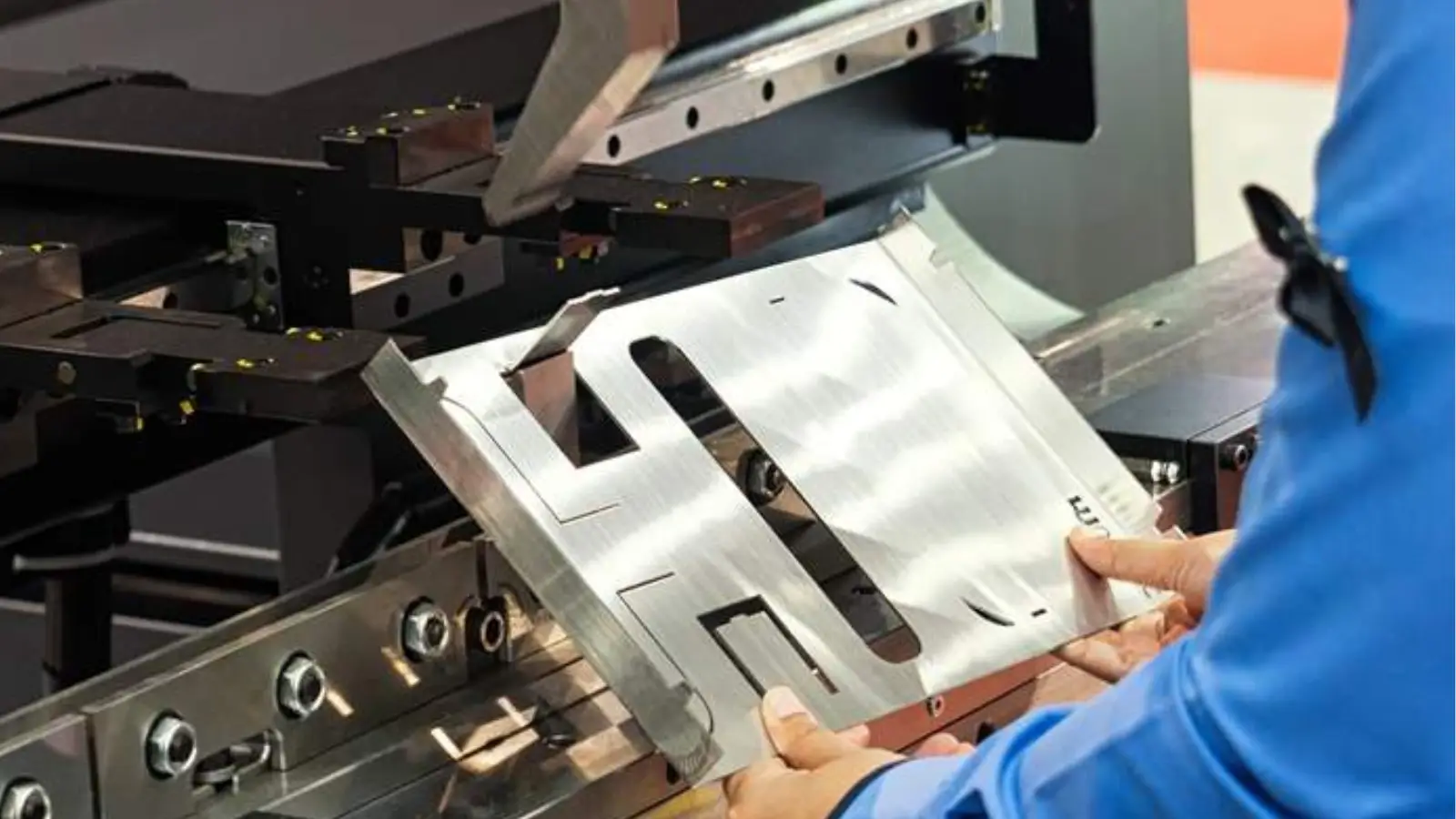
The comparison above highlights how geometric complexity directly dictates manufacturing economics. High-tolerance subtractive methods command premium rates due to extended machine hours. Formative casting techniques reduce per-unit expenses but require higher initial volumes. Procurement specialists should align order quantities with the most economical fabrication route available.
Leveraging Technical Support for Custom Projects
Standard catalog items rarely satisfy unique operational requirements without modification. Engaging engineering teams early clarifies design feasibility and material compatibility concerns. Collaborative reviews prevent costly redesign loops during prototype validation.
Draft for manufacturability assessments identify problematic wall thicknesses and sharp internal corners. Suppliers should flag areas requiring draft angles or uniform cooling channels. Early feedback streamlines the transition from digital models to physical production.
Prototype sampling allows functional testing under actual operating conditions. Bench trials reveal thermal expansion mismatches and vibration sensitivity issues. Validated samples accelerate full-scale rollout while minimizing field failure risks.
Documentation packages must include traceable heat numbers and calibration certificates. Complete paper trails simplify regulatory audits and warranty claim processing. Missing records often delay customs clearance and warehouse inventory updates.
## Common Questions Before Sourcing Industrial Components
What distinguishes investment casting from sand casting for precision needs? Investment casting produces smoother surfaces and tighter tolerances using ceramic molds. Sand casting relies on reusable granular patterns suited for larger rough shapes. Choose investment methods when fine detail matters most.
How do surface treatments affect long-term component durability? Protective coatings shield against moisture exposure and chemical degradation. Hardening processes increase resistance to abrasive contact and fatigue stress. Select finishes based on your environmental operating conditions.
Can suppliers guarantee consistent batch-to-batch dimensional accuracy? Consistent accuracy depends on calibrated machinery and strict process controls. Regular gauge certifications and statistical sampling maintain predictable output variance. Verify quality manuals before approving new production runs.
What documentation proves material compliance for regulated industries? Mill test reports list chemical compositions and mechanical property results. Third-party lab certificates confirm independent verification of critical parameters. Request updated files whenever switching alloy grades or suppliers.
## Making Informed Decisions for Long-Term Supply Needs
Reliable component sourcing demands systematic evaluation beyond simple price comparisons. Technical capability, quality documentation, and responsive engineering support drive sustainable partnerships. Aligning procurement strategies with manufacturing realities prevents recurring operational bottlenecks.
YPMFG provides comprehensive engineering reviews tailored to complex fabrication requirements. Our team evaluates your drawings for optimal material selection and efficient machining strategies. Send your technical specifications to YPMFG for a detailed feasibility assessment and competitive pricing timeline. We also offer rapid sample testing to verify performance before mass production begins.