 Korean
  English
  German
  Russian
  Japanese
  Spanish
  French
  Italian
  Portuguese
 간단한 답변: A CNC machine is a type of milling machine controlled by computer software. The core difference is automation. A manual milling machine requires the operator to adjust each cut, feed rate, and tool path by hand. A CNC 밀링 머신 runs pre-programmed G-code, repeating the same operation thousands of times with minimal human input. In short, every CNC mill is a milling machine, but not every milling machine is a CNC. The choice between the two depends on part volume, tolerance requirements, geometry complexity,and production timeline.
If you are comparing CNC 가공 against a traditional milling machine for a new project, the decision affects cost, lead time, repeatability, and part quality. YPMFG works with engineering teams that face this exact question before placing a production run. The answer is rarely “one is always better.” It depends on what you need from the part.
What the Comparison Actually Means
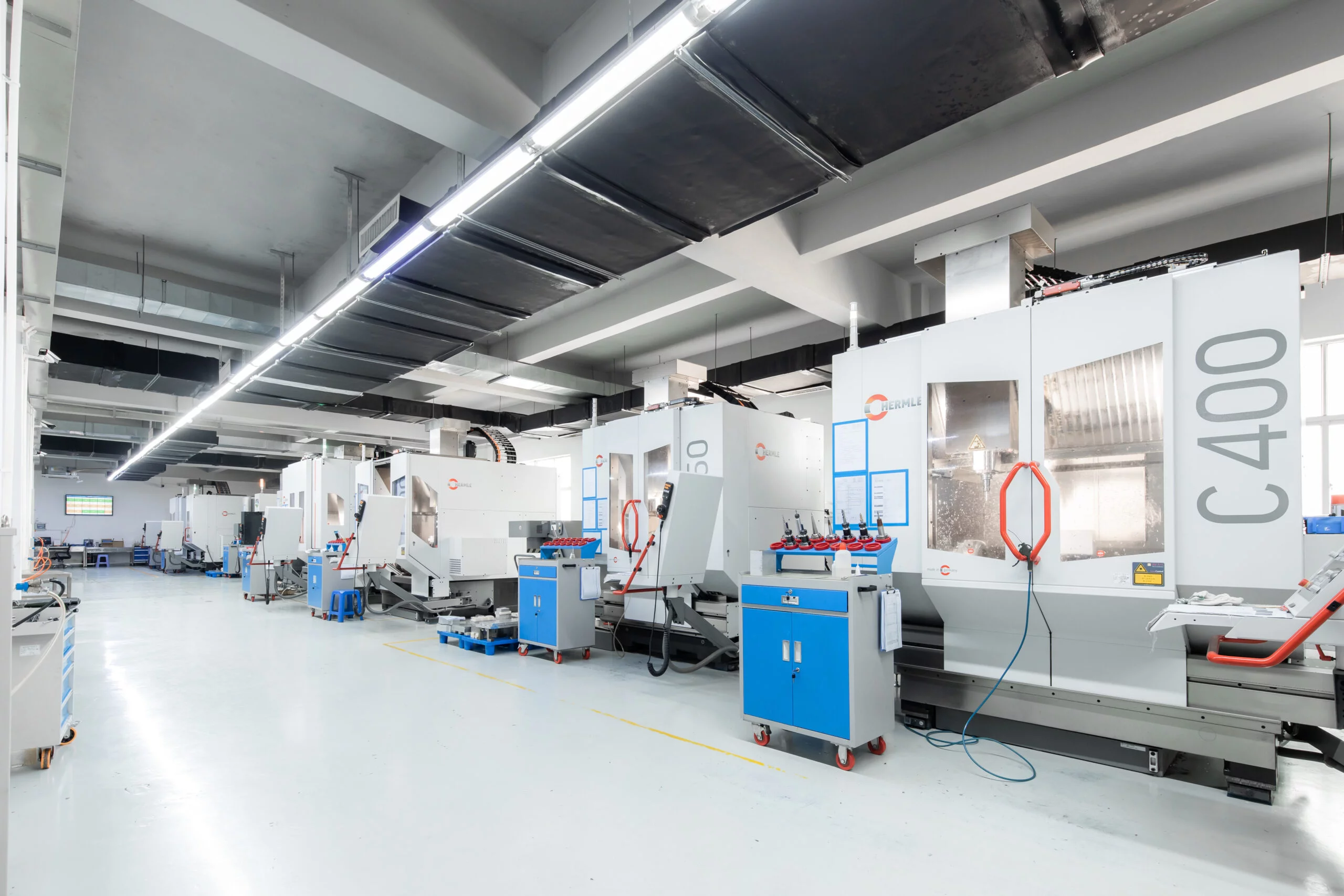
Many people use “CNC” and “milling machine” as if they are two separate categories. They are not. Milling is the machining process: cutting, drilling, and shaping metal with rotating tools. CNC is the control method that drives that process. A manual milling machine uses dials and levers operated by a skilled machinist. A CNC mill uses a computer to move the table, spindle, and tool changers along programmed paths. The real question is manual versus computer-controlled, not one machine type versus another.
CNC vs Manual Milling: Side-by-Side
Tolerance values in the table reflect typical conditions and vary by machine state, tooling, and workholding. A well-maintained manual mill in experienced hands can match a basic CNC job for a simple part. Once geometry gets complex, CNC wins on consistency.
When CNC Makes Sense (and When It Doesn’t)
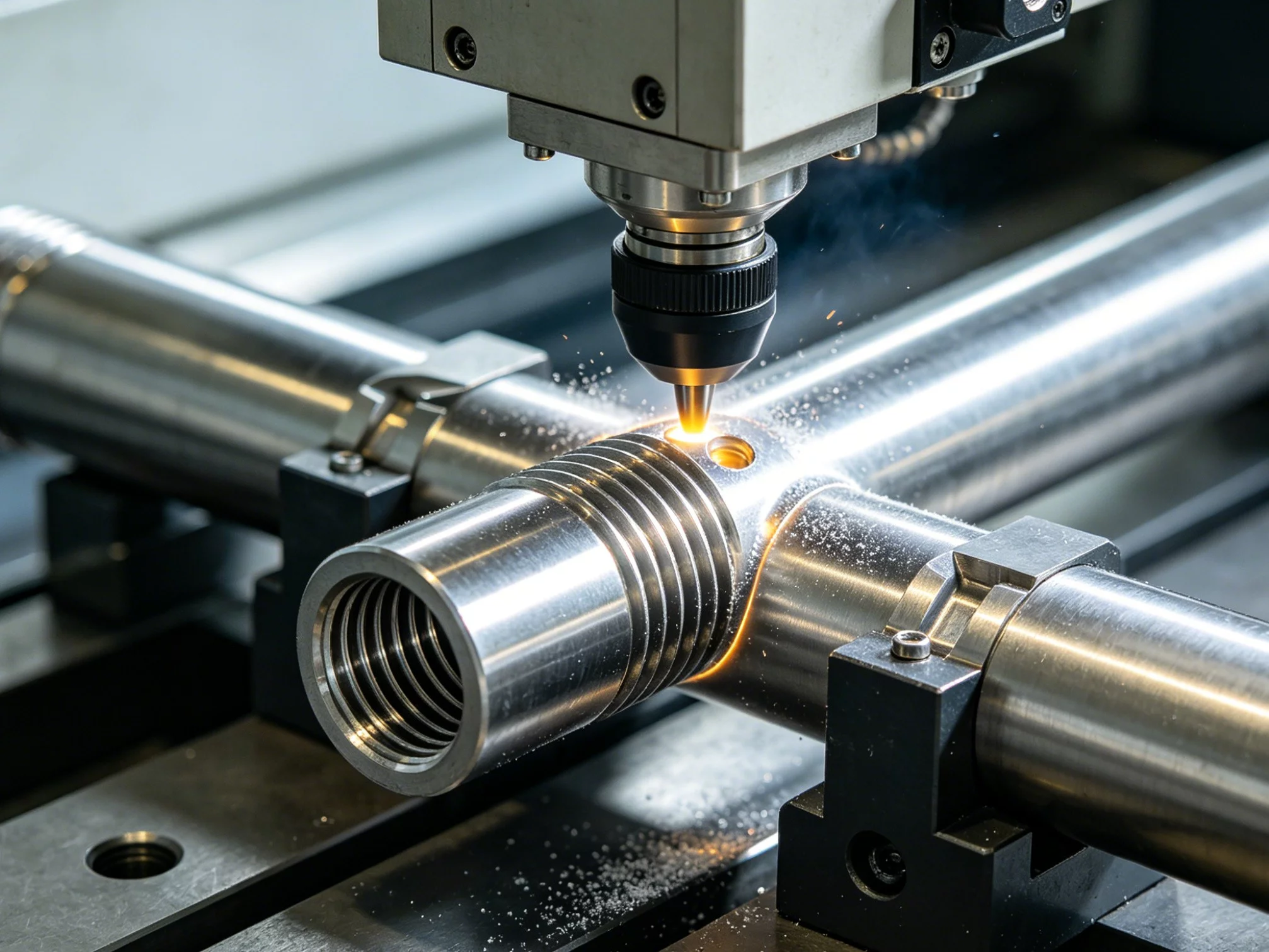
Choose CNC when:
You need identical parts in batches of 50 or more
공차 are tighter than ±0.001 inch
Geometry includes 3-axis, 4-axis, or 5-axis features
You need full traceability and repeatable setup documentation
Manual milling may suffice when:
You are producing a single prototype or test part
Operations are simple 2-axis face milling or slotting

Budget is tight and batch consistency is not critical
You need a rapid fix or modification to existing tooling
YPMFG can help you evaluate which approach fits your part count, tolerance stack-up, and material. Sending your CAD files for an 엔지니어링 검토 removes guesswork before you commit to a production method.
Cost, Tolerances, and Lead Time
CNC setup involves programming, tooling, and dedicated machine time. For a single part, that upfront cost can exceed what a manual operator charges. At 200 units, the per-part CNC cost typically drops well below manual labor. A CNC turning and milling job holding ±0.0005 inch often costs 30–60% more than a ±0.002 inch job, depending on material and feature complexity. Lead time follows a similar pattern. A manual one-off might take a day. A 5,000-part CNC batch may take two to four weeks including programming and quality checks.
Common Questions About CNC vs Milling
Can a CNC machine do everything a manual mill does?
Yes, and more. A CNC controller executes every manual operation plus multi-axis moves, automated tool changes, and in-process probing. Manual tasks that rely on operator feel, like a light chamfer, are still easier by hand but can be programmed.
Does “CNC milling” include turning?
Not always. Some machines are CNC lathe and mill combos. Pure CNC mills handle milling, drilling, and tapping. If your part needs both turning and milling features, confirm the machine type before requesting a quote.
What file formats do CNC shops need?
Standard inputs include STEP, IGES, DXF, and native CAD files. Most shops also accept PDF drawings with full dimension and tolerance callouts for reference.
How does material affect the decision?
Harder materials like Inconel or titanium increase tool wear on both setups. CNC advantages in repeatability grow larger when tool changes are frequent, which is typical in CNC 부품 제조 for aerospace or medical applications.
Finding the Right Fit for Your Parts
The right answer depends on your part count, tolerance spec, material, and timeline. There is no universal “CNC is always better” rule. If you are sourcing CNC 가공 부품 at volume, computer-controlled milling removes operator variability and scales more predictably. YPMFG supports projects from prototype to production, offering 맞춤형 CNC 가공 솔루션, material selection guidance, and documentation for quality audits. Send your drawings or CAD models for a no-obligation engineering assessment. The team will flag feasibility issues, suggest tooling approaches, and provide a detailed quote within a few business days.