Portuguese
  English
  German
  Russian
  Japanese
  Korean
  Spanish
  French
  Italian
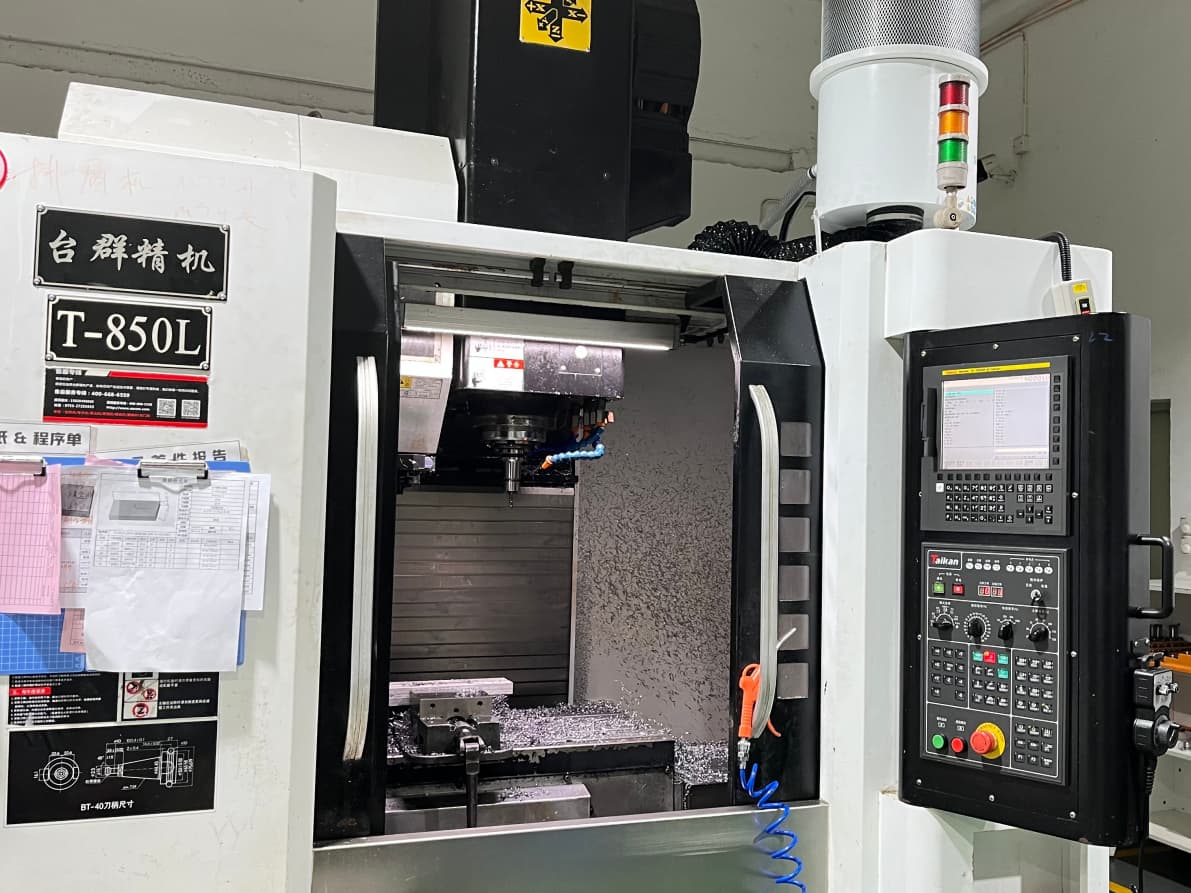
 Prototype CNC milling is the process of using computer-controlled milling machines to produce small-batch or single peças usinadas for design validation, fit testing, or pre-production verification. Unlike injection molding or casting, this method removes material from solid blocks, which makes it ideal when you need precise dimensions, complex internal geometries, or a specific material grade. It is the most common approach when your part carries a tight tolerance requirement, typically ±0.05 mm or better,and a short lead time. The main risk is overspending on design changes that are still unresolved—getting the geometry locked before cutting metal saves significant cost.
Most engineering teams face the same problem: you need a physical part fast, but production tooling is expensive and locked to one design. CNC milled prototypes solve this by letting you iterate on form, fit, and function without committing to a full production run. Here is what to check before you send your files to a shop.
## Why Prototype CNC Milling Differs from Production Runs
Production milling optimizes for cycle time and repeat quality across thousands of units. Prototype milling optimizes for flexibility: you change the part, the material, or the surface finish between revisions. A typical prototype order runs 1 to 50 pieces. That small batch means setup time dominates cost, not per-unit machining time. Choosing the wrong fixture or leaving secondary operations to the end can add days to your schedule.
What to Check Before Sending Your Files
The table below lists the fields that most shops need to quote and machine accurately.
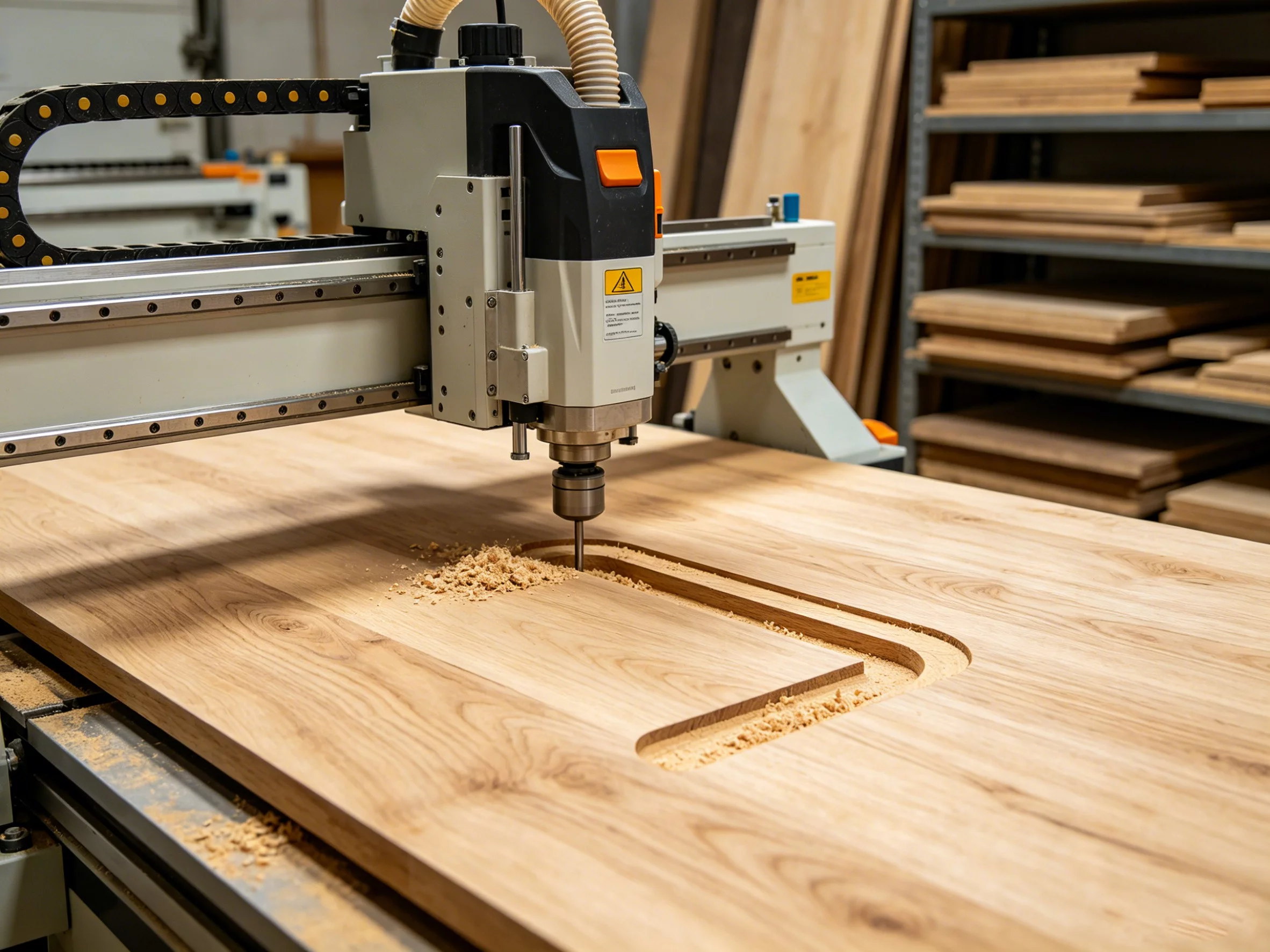
If your drawings miss any of these fields, the shop has to make assumptions. Seleção de materiais alone can shift a part’s weight by 40 percent and change its fatigue behavior. Confirming every parameter up front avoids a revision loop that costs more than the original job.
Common Mistakes That Add Time and Cost
Two mistakes show up in most prototype orders. First, engineers request a five-axis operation when a three-axis setup plus a flip fixture would do the same job at lower cost. Second, they send a 3D model without a full tolerance stack-up, so the machinist has to guess which surfaces are critical. YPMFG offers an revisão de engenharia on incoming files to flag exactly these issues before any material is cut. A short review often saves a two-day rework cycle.
## Practical Questions Before Ordering CNC Milled Prototypes
What is the minimum order quantity?
There is no hard minimum. Many shops will run a single part, but setup fees make 5 to 20 pieces the economic sweet spot for most prototipagem rápida projetos.
How fast can a part be delivered?
Depending on complexity and material, typical lead time ranges from 3 to 10 working days. Simple two-axis parts in 6061 aluminum often ship in under a week.
Should I specify the material or let the shop decide?
If your part has a functional requirement such as load, temperature, or corrosion exposure, specify the grade. For pure form-factor prototypes, the shop can recommend a lower-cost material that still represents the geometry accurately.
How many design iterations should I plan for?
Budget for two to three revision rounds. Each iteration changes fixture design, tool paths, and sometimes the base material. Locking the geometry before the second cut saves the most time and money.
What file format should I send?
STEP or IGES for geometry, plus a 2D drawing with all critical dimensions and tolerances. A PDF of the drawing set helps the shop verify intent without reinterpreting the 3D model.
Getting Your Next Prototype Right
Getting a prototype CNC milling job right comes down to three things: locking the geometry, choosing the right material, and stating every tolerance and finish explicitly. When those three are defined, the machining itself becomes a straightforward execution step. You can send your specifications to YPMFG for a solução personalizada review. The team will check your files, flag any missing parameters, and return a quotation with a realistic lead time so you can plan the next design revision without surprises.