Portuguese
 English
 German
 Russian
 Japanese
 Korean
 Spanish
 French
 Italian

A part can pass every check on the drawing and still refuse to fit. It occurs more frequently than people are willing to admit. It often results from an insignificant source such as a very thin layer that was never included or a sharp edge due to cutting. Acabamento de superfícies ensures that a component is positioned, slides, and survives well outside of the machinery. This article will take you through the process involved from the raw material to the final product. Nothing fancy. Just the details that decide whether two parts meet nicely or fight each other.
Burrs Stop Parts from Seating
Burrs are small but stubborn. A pin or a scratch can occur on a mating face during Montagem thanks to a single sharp ridge and then someone grabs a hammer. Forcing a part is how cracks begin. Most burrs come from cutting so deburr early. A small radius on each edge helps too. Hands are protected and seals do not tear as they sit on edges more often than you think. Bead blasting may cause soft metals to be dented and makes the edges of the metal soft and even while giving it a matte finish. It’s inexpensive and saves a lot of money later.
Texture Changes How Parts Grip
Not everything smooth is better. A bearing seat requires a smooth even surface which will hold the part true. A sliding piece can be interested in very small valleys which capture oil. Roughness is indicated in microns and the Ra number on the drawing speaks for itself. Too rough wears fast. Too polished and oil slips right off. A mirror-polished shaft can fail sooner than a dull one which surprises many people. Pick the texture for the job then check it with a gauge not just your eyes.
Coatings Add Hidden Thickness
Every coat takes up room. Type II anodizing adds roughly 8 to 12 microns while Type III reaches about 35 to 50. Powder coating can run from 35 up to 200 microns. On a loose fit nobody cares. On a tight one a coated pin may never enter its coated hole. Plan for it. Decide the size after coating then cut the raw part a bit smaller. Mask threads and bores that must stay bare. Skip the mask once and you will remember it for years usually while holding a bolt that refuses to turn.
Clean Parts Bond and Move Better
Oils, dust and small chips are hidden on finished products and move around. A few drops of cutting oil on a bond between two parts reduces its strength. Dust that goes into a bearing causes noise and then heat and finally there is a phone call about it. Powder coating requires a clean surface for bonding otherwise the coating will not adhere properly. All parts should be rinsed and dried. Make sure that you use clean gloves. Completed parts should be kept on their own trays to avoid any parts touching.
Tolerances Stack Up Fast
One part off by a hair is fine. Five parts off by a hair is a problem. Errors pile up like coins in a jar and a gap meant to be one millimeter ends up two, or zero. Even a tight tolerance like plus or minus 0.05 mm adds up across a stack. Designers can mark which surfaces matter most. Shop crews can keep each batch consistent. Over-tightened screws bend the thin covers and under-tightened screws will allow rattle. Use a torque driver and follow the number.
Test Fit Before You Ship
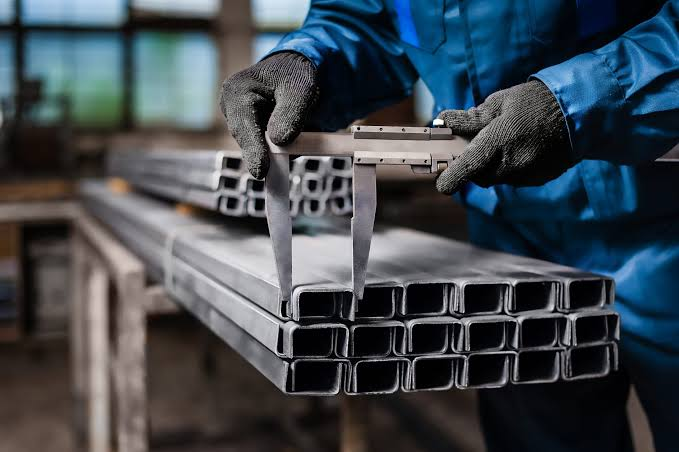
Before shipping try a few pieces together by hand. Does the lid close does the shaft turn does the screw start easily? A five-minute trial can save a whole pallet from coming back. It is dull work, yes but worth it. Use calipers for size, a profilometer for texture and a thickness gauge for coatings. A CMM assists with the difficult parts. Record the numbers down so that if something does drift off you will know where it started and no one will have to point fingers.
Conclusão
Fit rarely comes from one big thing. It comes from clean edges the right texture careful coatings and tidy hands working as a team. Skip one and the rest struggle to cover. Good Surface Finishing is the quiet part of manufacturing yet it decides a lot. Next time a part will not go together look at the surface before blaming the design. Check the coat the burr the speck of dust. Then plan Assembly with the same care you gave the cutting. Good parts want a good ending.