Portuguese
 English
 German
 Russian
 Japanese
 Korean
 Spanish
 French
 Italian

Personalizado aluminum sheet metal stamping shapes flat aluminum into precise part geometries using progressive die tooling and high-tonnage press equipment. It is widely specified when production runs exceed 1,000 units and tight tolerâncias dimensionais are required. The process excels for brackets, enclosures, housings, and structural components where weight savings and corrosion resistance are critical design goals.
Getting the part drawing right at the engineering stage prevents costly die revisions later. YPMFG supports buyers who need a custom stamping solution reviewed before committing to tooling.
Many buyers underestimate how tooling design, material grade, and surface finish drive both unit cost and long-term part performance. A small change in bend angle or sheet thickness can shift production yield by 15 to 20 percent. The framework below helps you evaluate your project before requesting a formal quote.
What Actually Goes Into a Custom Stamping Project
A custom stamping program typically spans five stages. First, your engineering team translates the part drawing into a stamping sequence that defines the order of punches and dies. Second, die tooling is machined from hardened steel, usually taking four to eight weeks depending on part complexity. Third, trial runs confirm bend tolerances, blank size, and surface quality.
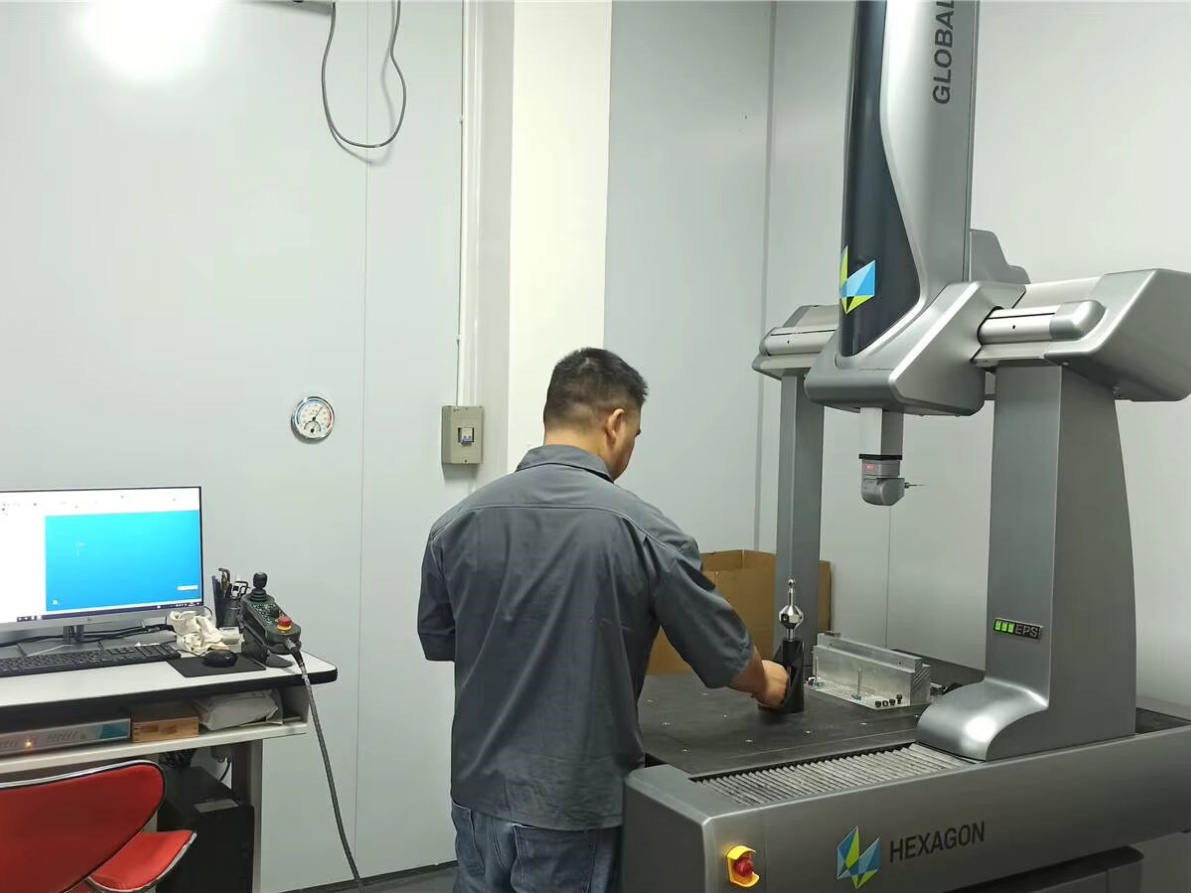
Fourth, first-article inspection locks in the process parameters for serial production. Fifth, in-line dimensional checks run at defined intervals throughout the run. Skipping any of these stages increases the risk of scrap, rework, or a part that fails in the assembled product. In many cases, a short design-for-manufacturability review before tooling can save weeks of adjustment on the press.
Material and Specification Choices
Aluminum alloy selection is one of the highest-impact decisions in a stamping project. The three most common grades are 5052, 6061, and 3003, each with different formability and strength profiles. Choosing the wrong alloy can force you to redo the die or compromise part strength in the final assembly.

5052 – Good formability and moderate strength. Widely used in general-purpose brackets and panels.
6061 – Higher strength-to-weight ratio. Common in structural and aerospace-adjacent applications.
3003 – Excellent corrosion resistance. Often specified for outdoor or marine-exposed components.
Sheet thickness for stamping typically ranges from 0.4 mm to 3.0 mm. Thinner gauges allow faster press cycles but reduce rigidity, while thicker gauges require higher tonnage and can limit formability. You should verify the aluminum sheet thickness against your part’s load requirements before finalizing the drawing.
Surface finish also affects both appearance and downstream processes. A mill finish is standard for functional parts, but anodizing or powder coating adds protection at the cost of cycle time and unit price. YPMFG can review your finish requirements alongside the stamping sequence to flag conflicts before tooling is cut.
Cost Drivers and a Practical Checklist
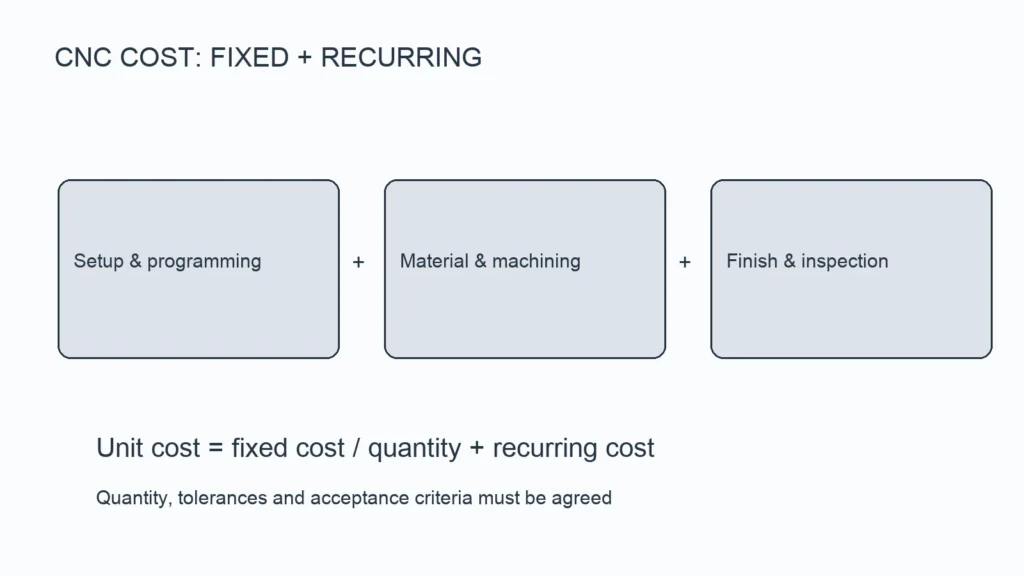
The variables below move your per-unit stamping cost the most. Review them before sending a blanket request for quotation.

The more specific your drawing, material call-out, and volume forecast are, the tighter and more comparable the quote you will receive.
Perguntas práticas antes de fazer um pedido
What minimum order quantity does a stamping run require?
It depends on die complexity and material. Simple single-station dies can be economical at a few hundred parts. Multi-station progressive dies usually need several thousand units to spread the tooling cost.
Can I mix different aluminum alloys on one BOM?
Yes, but each alloy needs its own stamping parameters and sometimes a separate die station. Confirm whether mixing alloys adds tooling cost before finalizing the parts list.
How long does die tooling take from drawing release to first article?
For a straightforward two-to-three operation progressive die, expect four to six weeks of machining plus one to two weeks for trial and sign-off. Complex nested or multi-cavity dies can add two to four more weeks.
What documentation should I prepare before requesting a quote?
Provide a 2D or 3D drawing with critical dimensions, material grade, thickness, finish, and target annual volume. If you have an existing part,include a CMM report or a physical sample for reference.
Does stamped aluminum hold up to thermal cycling better than die-cast aluminum?
Stamped parts are thinner-walled and flex under thermal load, which can help or hurt depending on the application. For high-thermal-stress environments, verify with your design engineer whether the stamped part meets the fatigue requirement.
Tomando uma decisão melhor a longo prazo
The right supplier reduces your total cost of ownership by catching design issues early, not just by cutting the per-unit price. Look for a partner that offers avaliação de engenharia before tooling, clear material traceability documentation, and a defined stamping tolerance standard you can audit on incoming parts. YPMFG works with buyers who need a structured review of their part drawings, a realistic tooling timeline, and ongoing support through serial production. Send your specifications for an engineering assessment and a quote that breaks down die cost, material, and per-unit pricing at your target volume.