Portuguese
 English
 German
 Russian
 Japanese
 Korean
 Spanish
 French
 Italian

When you need brass CNC machining para OEM bending machine parts, the core decision comes down to alloy grade, tolerance band, and finish specification. Brass offers natural anti-seize properties, good machinability, and corrosion resistance that suit die sets, bushings, and guide pins in bending applications. The right supplier should handle everything from material selection to first-article inspection under your OEM drawing. Before requesting a quote, define your CNC bending machine model, target volume, and acceptance criteria so the engineering team can flag risks early.
Most OEM buyers stall at the same point: they know the part function but haven’t locked down the spec package that drives cost and quality. YPMFG works with buyers at this exact stage, helping translate a bending machine drawing into a manufacturable, inspectable specification before production runs begin.
What Specs to Lock In Before You Order
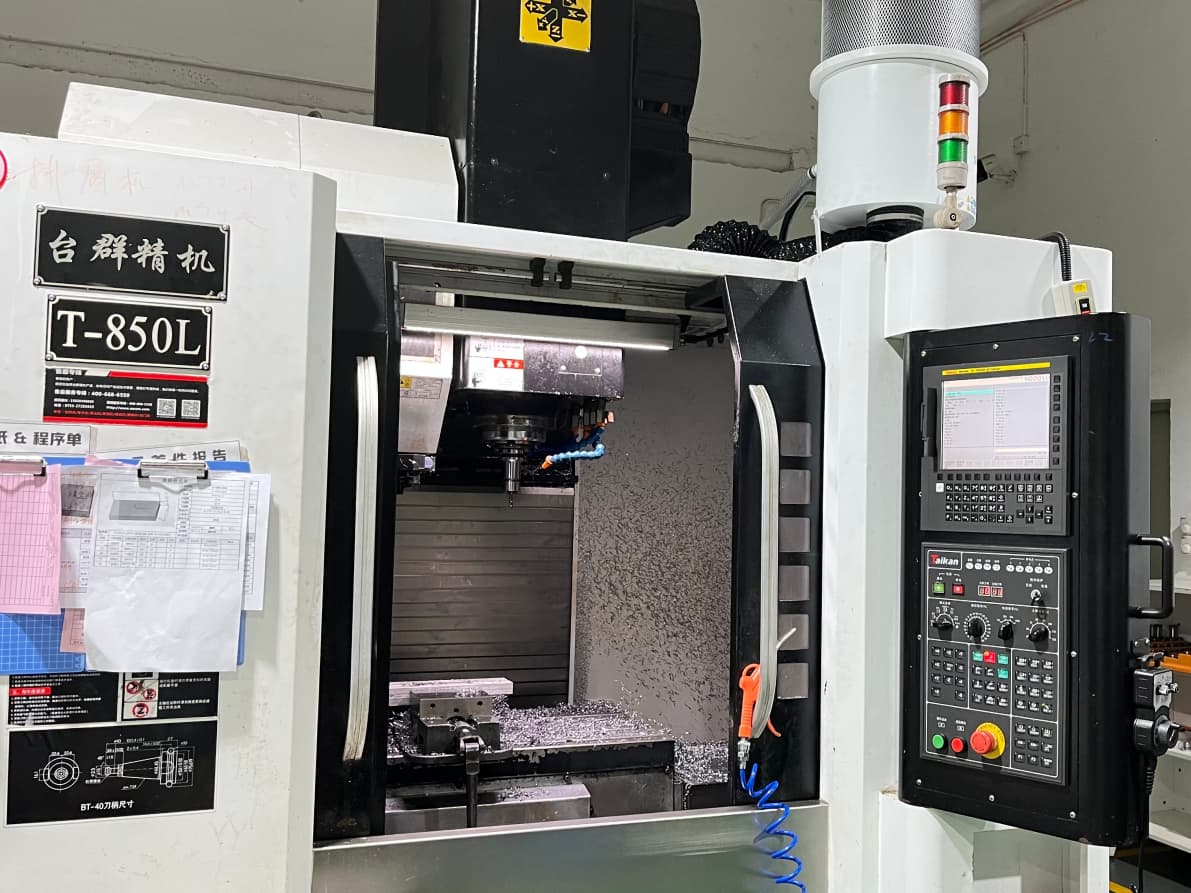
The single biggest source of rework in Torneamento CNC and milling of brass components is an underspecified drawing. Here is what your engineering file should state before it goes to a shop:
Brass alloy grades (C360, C377, C464, etc.) and why that grade fits your application
Especificações de tolerância per critical dimension, typically ±0.01 mm to ±0.05 mm for functional fits
Requisitos de acabamento superficial (Ra value for mating surfaces versus cosmetic faces)
Plating or coating if the part contacts steel tooling or operates in humid environments
Volume and lead-time split across initial runs
YPMFG reviews these fields against your drawing and flags anything that will drive cost or create fit issues before you commit to a production batch.
## Why Brass Over Other Materials for Bending Machine Parts
Brass is not chosen by default. It earns its place in bending die sets, bushings, and anti-friction guides for three practical reasons. First, its low coefficient of friction against steel means less wear on mating surfaces during repeated bending cycles. Second, machinability is high, which keeps machining cycle times short and tooling wear manageable at volume. Third, natural corrosion resistance reduces maintenance intervals in humid or chemical-exposed workshop environments.
That said, brass is not ideal for high-load structural frames. If your bending machine part carries sustained loads above 150 MPa, verify the alloy grade yield strength with your material supplier before committing. The right grade choice here saves you from premature part failure in the field.
Cost Drivers and What Affects Your Quote
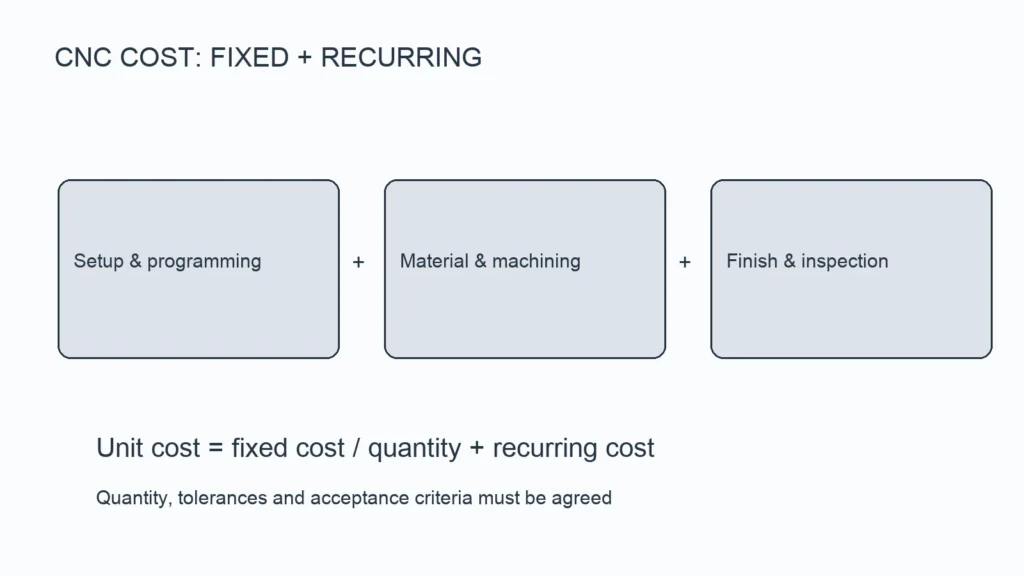
A quote for brass OEM parts moves on five levers more than on the material price alone:
The figures above are directional. Actual pricing depends on your drawing geometry, fixture design, and current brass market rates. Ask your supplier to break the quote into material, machining, finishing, and inspection lines so you can see where the money goes.
Reducing Risk on Your First Production Run
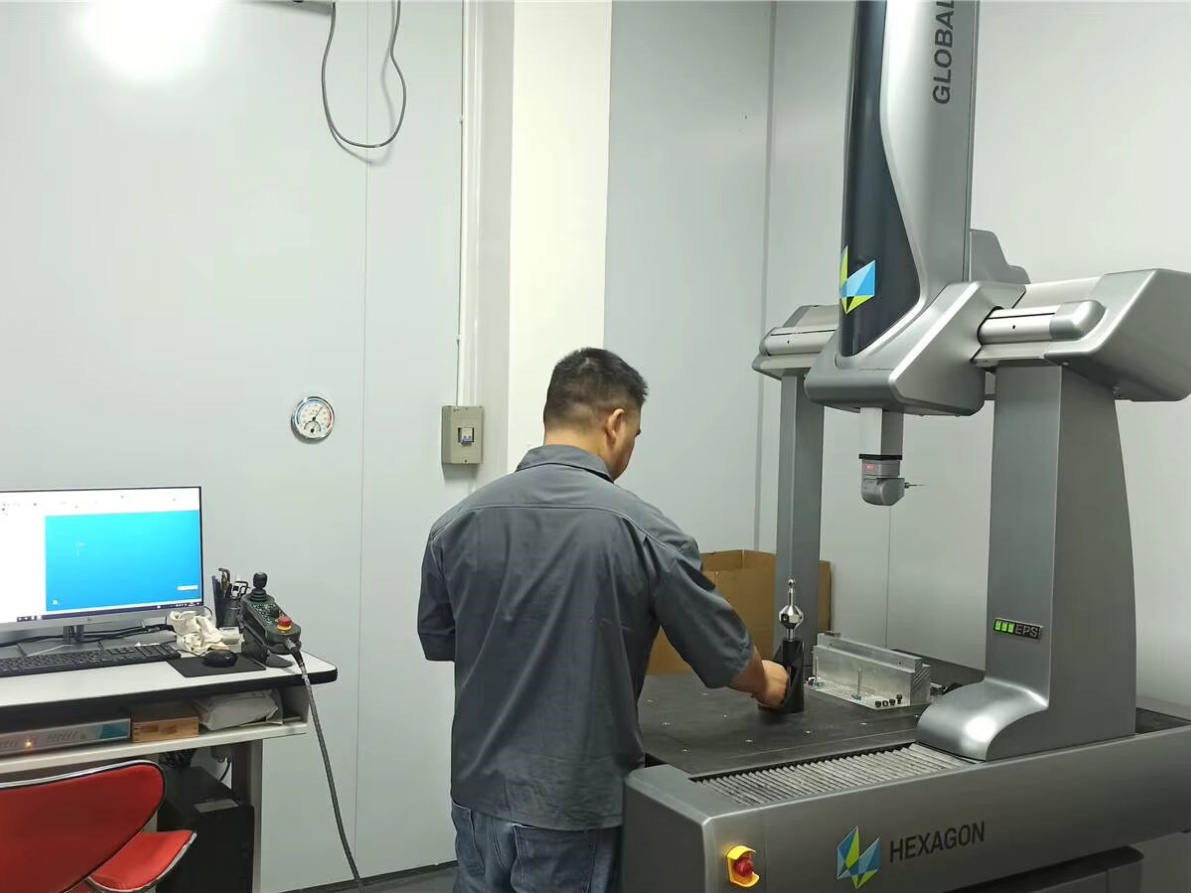
The cheapest mistake a buyer can make is skipping inspeção do primeiro artigo and jumping straight to a full lot. For CNC bending machine components, even a 0.03 mm deviation on a bore diameter can cause the die to bind or the part to rattle in service. Before accepting a production batch, request dimensional reports on a sample, verify the alloy mill test certificate, and confirm plating thickness if specified.
YPMFG provides first-article inspection reports with photo and dimension data alongside every initial shipment, so your incoming team can sign off without a second inspection round.
Common Questions Before You Place an Order
Does the brass alloy choice affect my bending machine’s service life?
Yes. C360 free-machining brass runs well for general guides and bushings. If your part sees corrosion from coolants or outdoor exposure, C464 naval brass or a plated finish extends useful life. Match the grade to the operating environment.
How many prototype iterations should I expect before the production run stabilizes?
Typically one to three iterations. The first confirms geometry and fit; the second checks process stability. A third round is uncommon unless the drawing changed mid-project.
Can I use my existing drawings, or do I need to revise them?
Most OEM drawings work as-is. The key gaps buyers overlook are a missing specific alloy callout and absent GD&T on critical mating surfaces. A quick engineering review catches these before they become scrap.
What lead time should I budget for a medium-volume brass part?
For 500–2,000 pieces, expect material procurement, machining, finishing, and inspection to span four to six weeks depending on shop queue. Confirm this in writing before you lock in a project timeline.
Next Steps for Your Bending Machine Parts
The fastest path to a stable part is to send your current drawing or 3D file to YPMFG for an engineering review. The team will flag alloy, tolerance, and finish gaps, return a revised spec,and provide a line-item quote with inspection documentation. If you already have a part in service and need a solução personalizada to reduce wear or maintenance cycles, include photos and failure notes so the review is targeted. One email starts the process.