Portuguese
 English
 German
 Russian
 Japanese
 Korean
 Spanish
 French
 Italian

Last month I got two requests that were basically mirror images. One guy wanted forty acrylic panels cut from big sheets, and he’d been quoted by a metal shop, so the price was silly. Another wanted a deep aluminum pocket cut on a router and couldn’t work out why nobody would take the job. Same mistake, opposite directions. From across the shop floor a router and a mill look like cousins. Up close they’re not. Here’s how I sort out which job goes where.
What Makes a Router Different
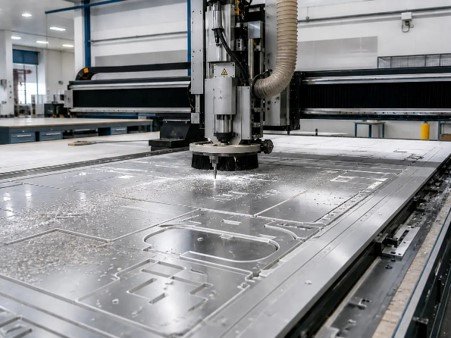
Start with the frame, because that explains most of it. A router is a long, fairly light gantry that rolls over a big flat table. The sheet sits on a hoover bed held down with suction pins, so no clamps to fiddle with. Good. The spindle spins fast, 18,000 rpm or more, and likes to take quick, light bites out of soft material. A mill is a different animal. Heavier, stiffer, slower spindle that pulls harder, and the workpiece is secured in a vice or a fixture. Sprinter versus weightlifter, if you like. I wouldn’t call either one better.
Where Routing Shines
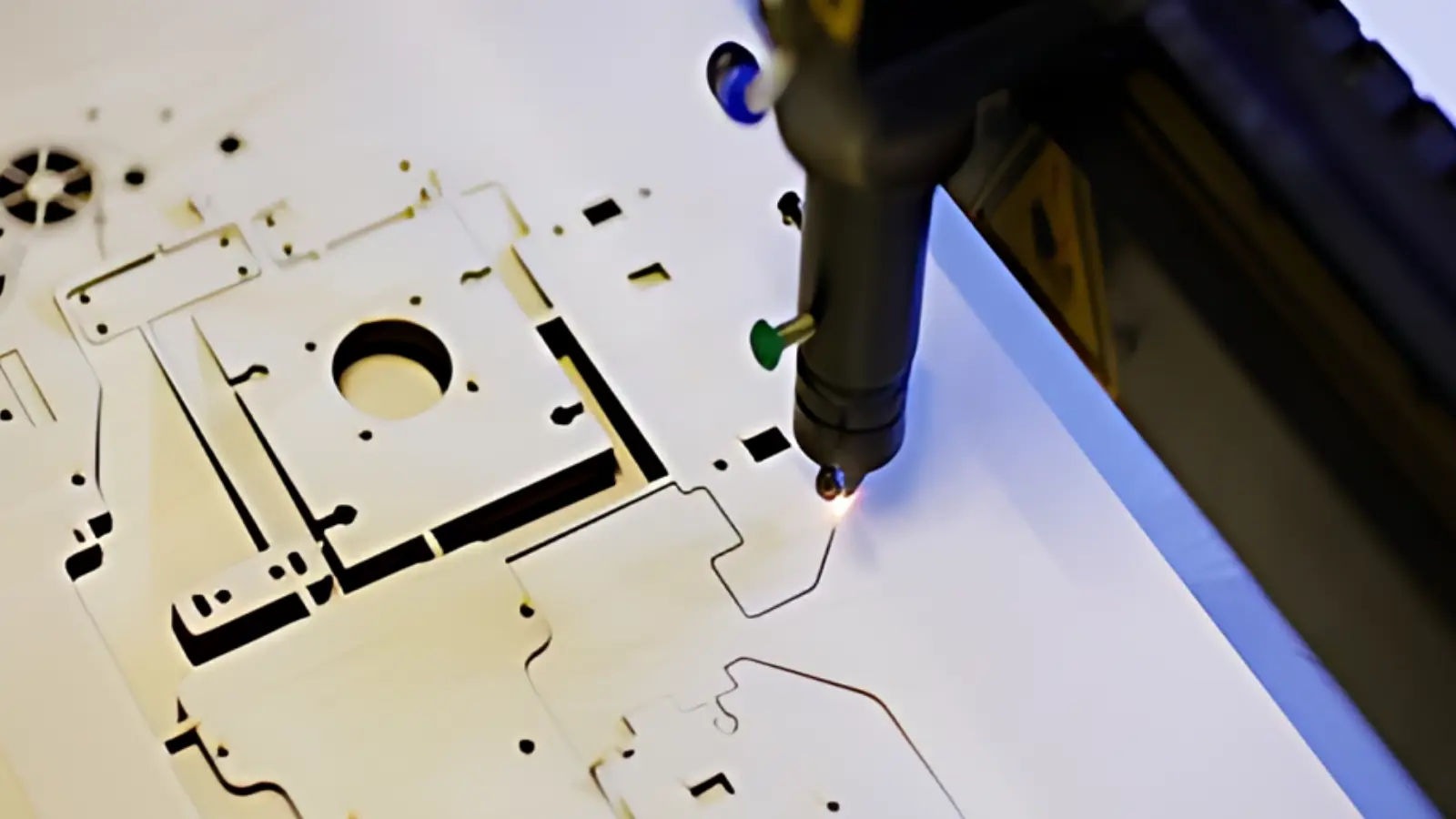
My pick for anything big, flat and soft is Fresagem CNC. Signs, display panels, furniture parts, foam inserts, composite sheets, acrylic covers. Panels up to 3000 x 1500 mm are no problem, and material between 3 and 50 mm thick is the sweet spot. Ask a decent shop and they’ll say about ±0.1 mm, usually to ISO 2768-m. For panels that get bolted together or painted, that’s plenty.
Nesting deserves a mention too. The software lays parts out on the sheet like a jigsaw, and barely any material goes in the bin. On a big batch that’s a real chunk of the budget saved.
Where a Router Struggles
It’s the stiffness again. Push a light gantry hard and it flexes, so deep cuts in metal are out, and anything tighter than ±0.1 mm gets tricky. Small details are a problem too. Under about 3 mm the bit has to be so thin that it snaps. And tiny parts are a nuisance on a vacuum bed, because there’s barely any surface for the suction to grab, so the cutter nudges them loose. Shops fix that by leaving little tabs and snipping them off at the end.
What a Mill Brings
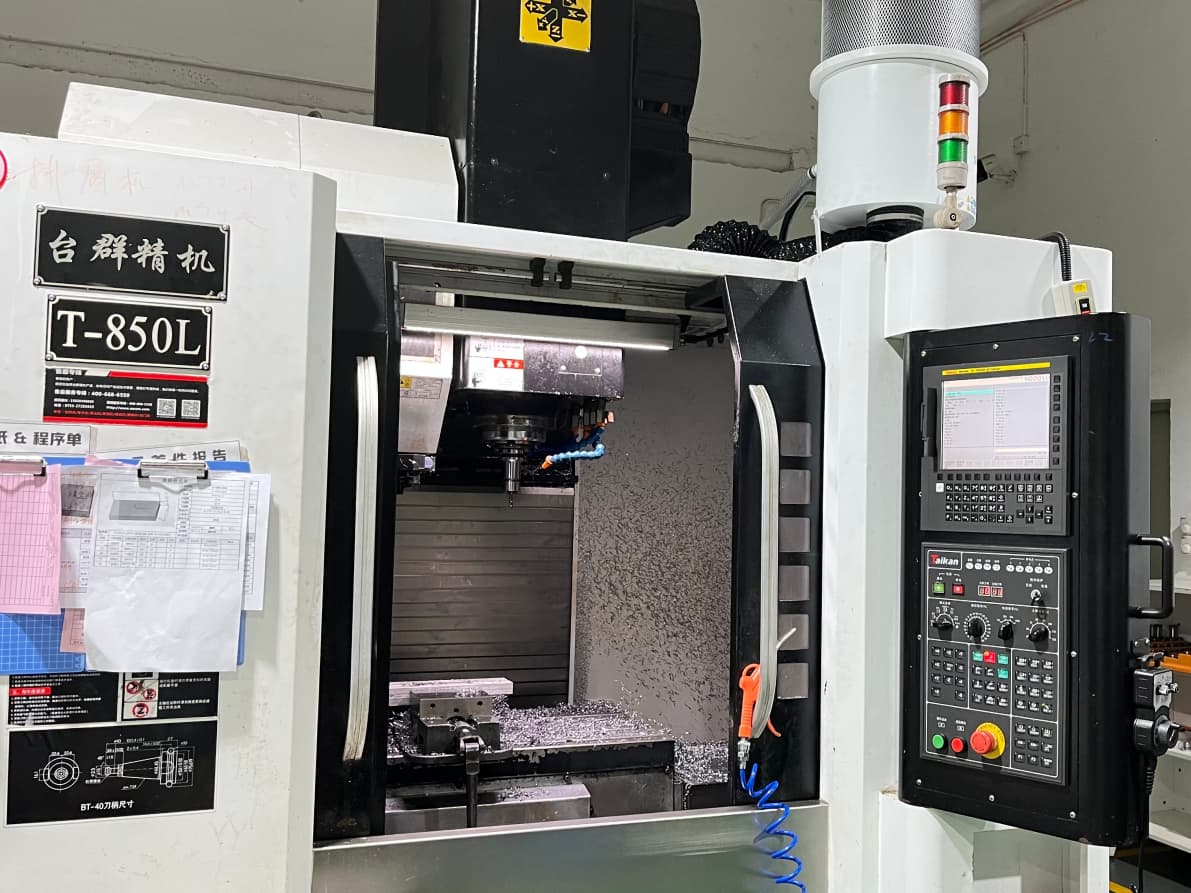
When the part is metal, thick or fussy, Fresagem CNC is the machine you want. Steel, titanium, thick aluminum, all fine. Deep pockets, threaded holes, slots and curved 3D surfaces come out well, and ±0.02 mm is routine (tighter if the drawing asks for it). The catch? You get a smaller working area, less speed and a higher hourly rate. Worth it for a precision bracket. Silly for a sheet of plywood.
A Quick Example
Say you need 200 shop signs from 10 mm acrylic. A few sheets nest into one program, the vacuum bed pins down the whole sheet, and the signs drop out one after another. Now say you need 200 aluminum brackets with threaded holes and a 15 mm deep pocket. That’s a mill job, with each part held in a vise or fixture. Same quantity, different machines, and a big gap in price.
A Quick Materials Guide
Acrylic, MDF, plywood, PVC, HDPE and foam: router. Steel, titanium and anything hard that’s more than a few millimetres thick: mill. Aluminum sheet can go either way. A router will cut it with light passes, but if it’s thick or has tight features, the mill gives a cleaner result. Small plastic parts such as gears and bushings usually go to the mill too, since holding them on a vacuum bed is a pain.
Edges and Finish
Acrylic is fussy. If the bit rubs instead of cutting, the edge melts, so a sharp bit and the right feed rate matter more than anything else. For edges that will be seen, ask for them sanded or flame polished up front. Wood can tear out on the top face when the cutter runs the wrong way. Mill-cut metal edges usually need a quick deburr. Aluminium is amenable to anodising for faces. MDF is thirsty. Seal it before painting otherwise the first coat will merely disappear into the board. And tell the shop about the finish early because it can affect how they cut.
Cost and Lead Time
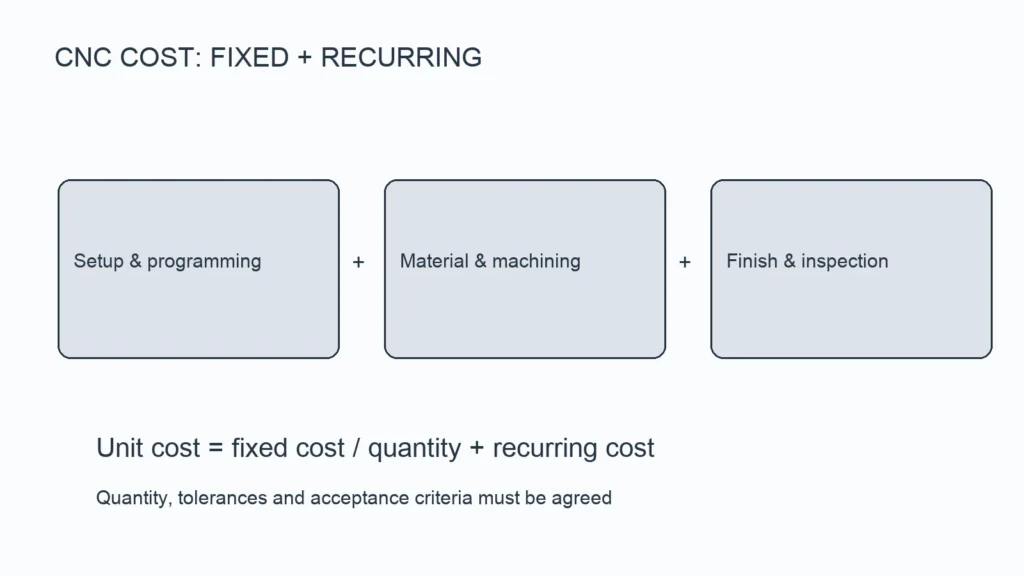
Routing is quick. Simple panels 3 to 5 days. What you pay for is sheet size, thickness and how long the toolpath runs. Good nesting trims it. The one that bites is the thick sheet. A 50 mm panel is obviously more expensive than a 6 mm one as the cut is slower. A mill charges by the hour at a higher rate, so every minute counts more. Can’t decide? Get two quotes for the same part and compare. The gap usually tells you.
Tips for Your Files
Send a DXF or DWG for flat shapes and a STEP file for anything with depth. Give the thickness and the material. Keep inside corners at least as round as the bit, since a bit can’t cut a sharp corner. Avoid features under 3 mm. Say where tabs are fine and where they’d show. And tell the shop how many you need, because quantity decides how well the parts nest.
Conclusão
So, which machine? Big, flat and soft: router. Metal, thick or tight: mill. Not sure? Send the drawing early and ask how they’d cut it. A five-minute chat can save you from paying a metal shop’s rates for a plywood job.