Portuguese
 English
 German
 Russian
 Japanese
 Korean
 Spanish
 French
 Italian

A drawing like this lands on my desk every few weeks: a hardened steel insert with perfectly square inside corners, and a note asking why the last shop turned it down. The short answer is that a spinning cutter is round. The longer answer is more interesting, and it comes down to two very different ways of cutting metal. Here’s how I’d choose between them.
Why Cutters Can’t Do Square
Take any milling cutter and look at it from the end. It’s a circle. So when it cuts an inner corner, the corner comes out with a radius, no matter how small the cutter is. You can make that radius smaller with a tiny cutter . But tiny cutters are brittle and sluggish, and they break in hard steel. Heat treated steel makes it worse. The cutter fights the metal all the way and wears out fast. That’s the gap where a different process earns its keep.
How Wire Cutting Works
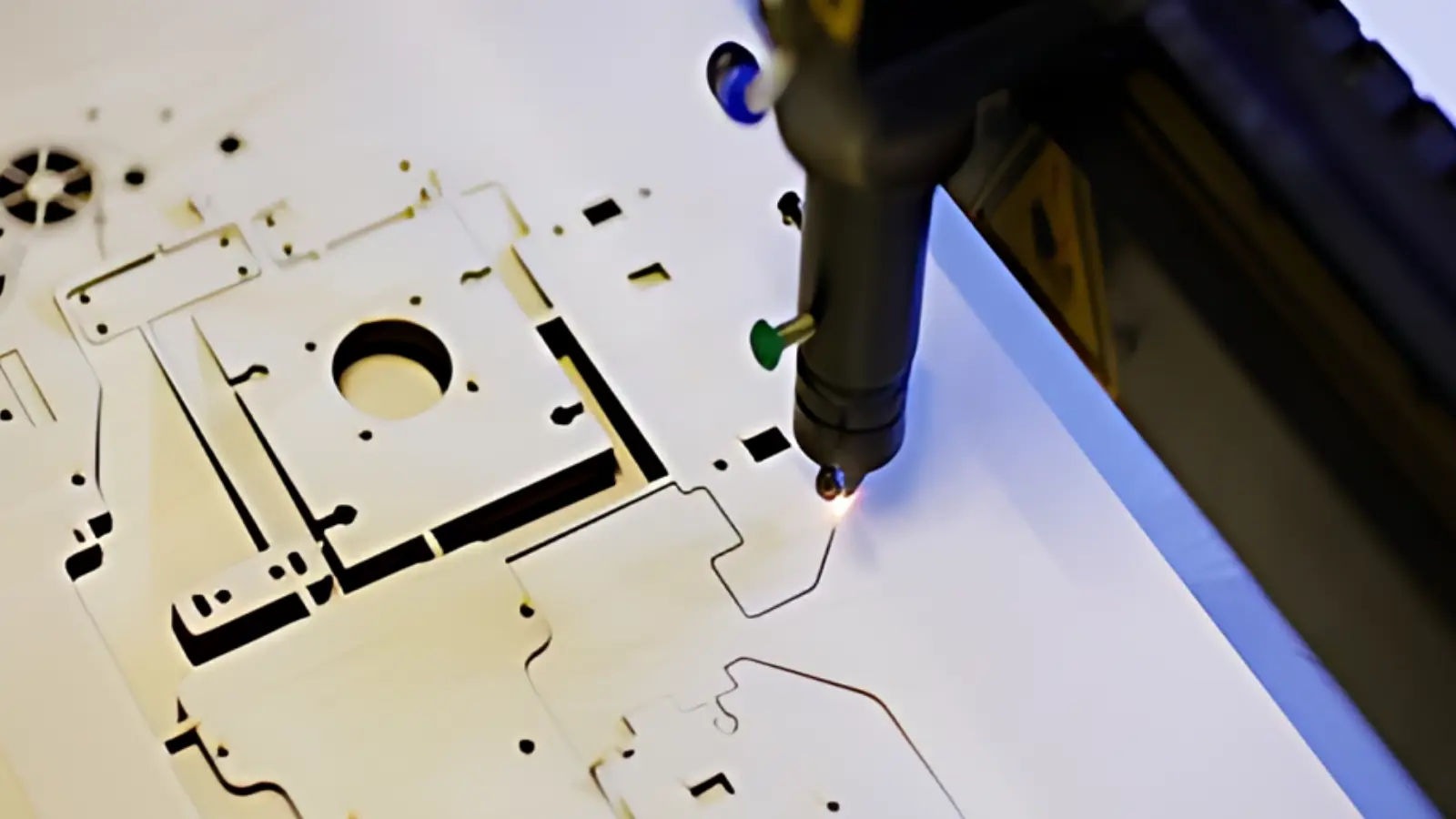
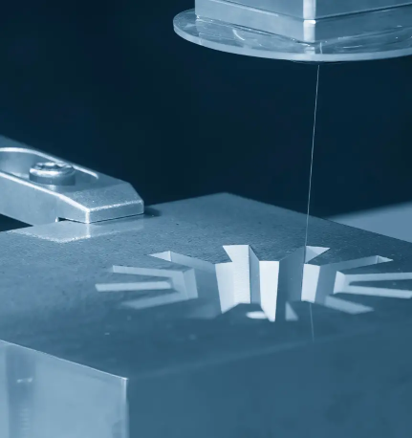
Eletróeroção por fio doesn’t cut in the usual sense. A thin wire, often only 0.1 to 0.3 mm across, runs through the part while both sit in a bath of deionized water. Sparks jump between the wire and the metal and melt away a tiny bit at a time, and the water flushes the debris out. The CNC steers the wire along your outline. The wire never touches the part, so there’s no cutting force at all. No force means no bending, no chatter and no tool pushing on a thin wall. It also means the wire can follow a sharp corner without blinking.
What It’s Great At
Hard materials come first. Hardened tool steel, titanium, tungsten carbide and superalloys are all fine, as long as they conduct electricity. Thin walls come second. With no cutting force, a 0.5 mm wall stays straight.
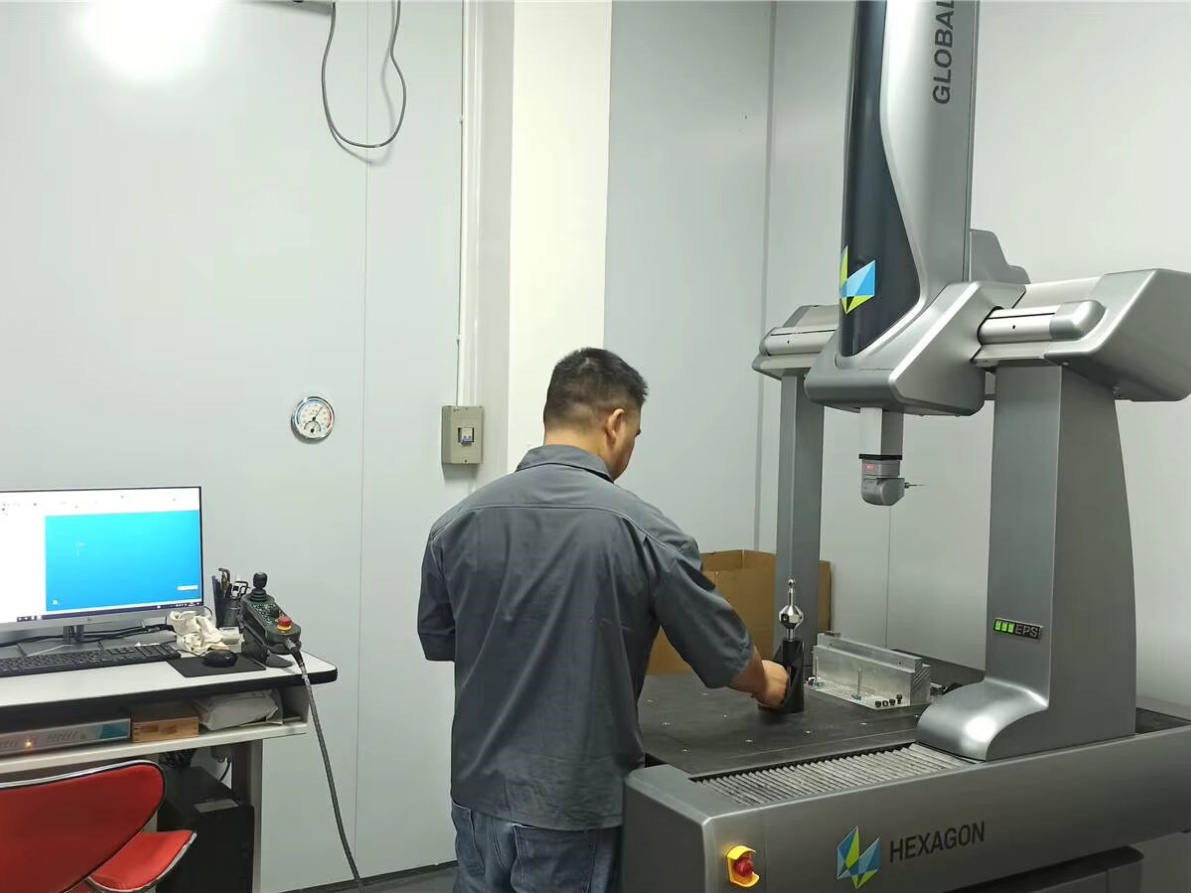
Then there’s accuracy and finish. A good shop can hold about ±0.005 mm on small parts, ±0.01 mm on medium ones and around ±0.03 mm on large ones. The surface can reach roughly Ra 0.4 µm (16 microinches), so plenty of parts need little or no polishing afterwards. And thickness isn’t much of a problem. On the right machine it can cut through about 300 mm of metal.
Where It Falls Short
It only cuts conductive metal, so plastics and ceramics are out. It’s slower than milling, sometimes much slower, and the time grows with thickness. The wire and the water cost money too. It mostly makes through cuts, so a blind pocket isn’t its thing. For an internal cutout, someone also has to drill a small start hole for the wire to thread through. Setup and programming need a skilled operator, so don’t expect it to be the cheap option for a simple bracket.
Size Limits to Keep in Mind
Wire cutting has a working envelope. A small part might be up to about 50 x 30 mm, a medium one up to 100 x 70 mm, and a large one up to 500 x 300 mm. The minimum thickness grows with the size too, from 0.5 mm on small parts to about 5 mm on large ones. Beyond that you’re into special machines. Milling doesn’t care much about any of this, which is another reason it stays the default for big or simple parts.
Where Milling Wins
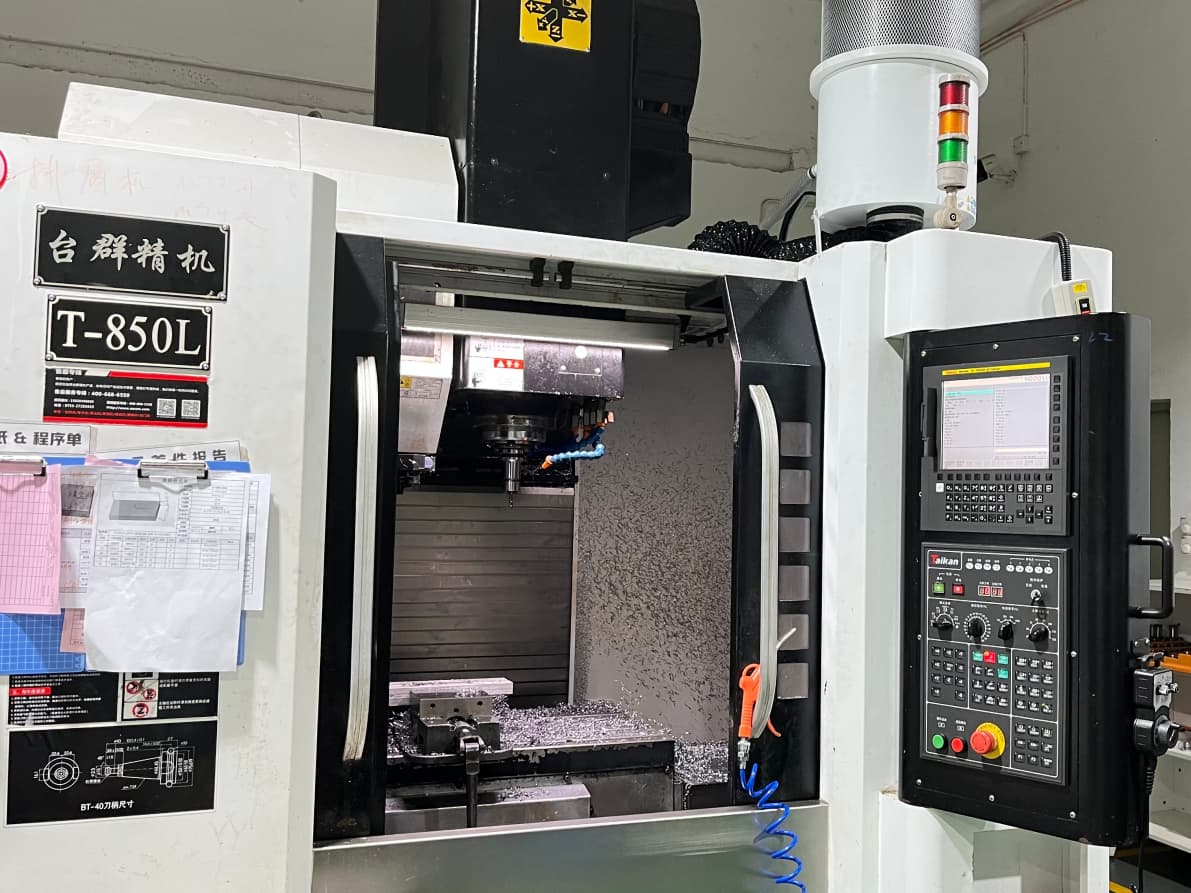
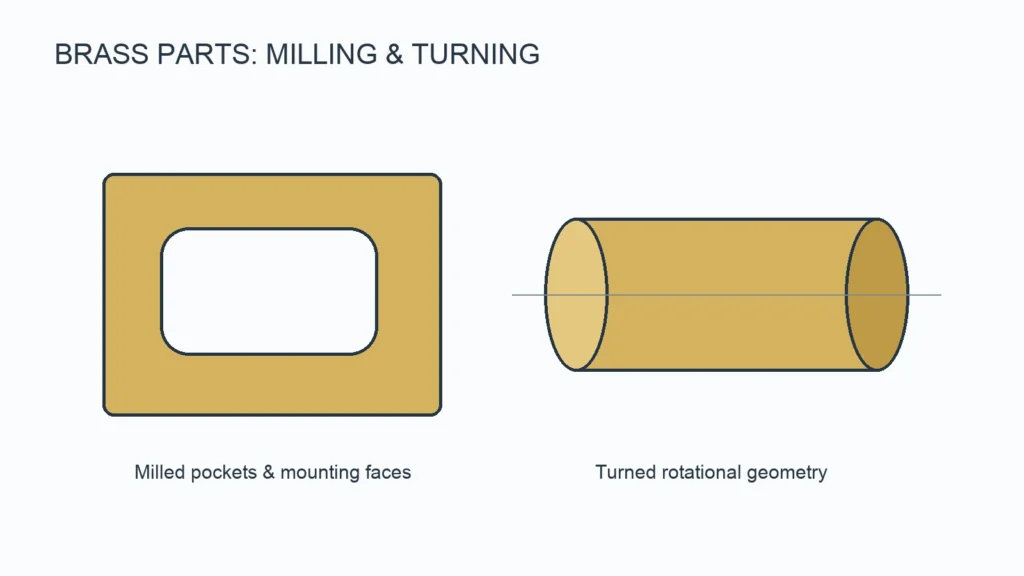
For most parts, Fresagem CNC is still the sensible first choice. It makes pockets, steps, flat faces, holes and threads in one setup, it handles 3D surfaces, and it cuts plastics as easily as aluminum. It also removes metal much faster, which keeps the price down. Tolerances around ±0.02 mm are routine. If the material is soft and the inside corners can have a small radius, milling is nearly always quicker and cheaper. I’d only look elsewhere when the part is hard, thin or sharp-cornered.
A Quick Example
Picture a stamping die with a narrow slot and four sharp inside corners, hardened tool steel. Milling it after hardening would eat cutters and still leave rounded corners. Wire cutting does the whole slot in one go, with crisp corners and no tool wear on the part. Now picture an aluminum cover with a shallow pocket and a few threaded holes. Wire cutting can’t even make that pocket. Two parts, two different answers.
Using Both
The best parts often get both. A classic path for tooling goes like this: mill the rough shape from soft steel, send it out for heat treatment, then wire cut the final profile once the steel is hard. Heat treating can move a part a little, and the final cut cleans that up. If the part has a through slot, drill the start hole while it’s still on the mill, so the wire has a place to begin. And leave a little extra stock on the edges that the wire will finish.
Cost and Lead Time
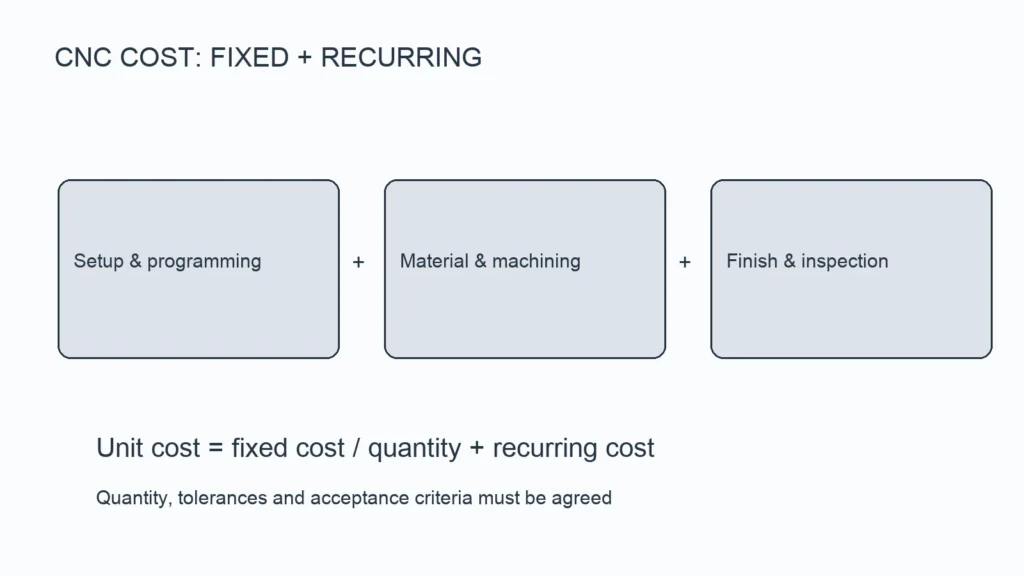
Price follows time. Milling is quick on soft metal, while wire cutting charges for every millimetre of thickness it has to burn through. Still, it needs no special fixtures or custom cutters, so for a small run of hard parts it can come out cheaper than you’d guess. Simple jobs can be ready in a day or two. When you’re not sure which way to go, ask for both quotes and compare them side by side.
Tips for the Drawing
Mark which edges really need the sharp corner and the tight tolerance, and leave the rest alone. Give the material and the hardness, since that decides the route. State the thickness. Say where a start hole can go. And mention whether the part will be heat treated before the final cut.
Conclusão
So, which one? Hard, thin or sharp-cornered points to wire cutting. Soft, pocketed or 3D points to milling. Need both? Mill first, harden, then wire cut. Show your drawing to the shop early and ask how they’d do it. Five minutes of talk can save a lot of rework.