 English
  German
  Russian
  Japanese
  Korean
  Spanish
  French
  Italian
  Portuguese
 Quick answer:
A bending die is a specialized tool used on a press brake to form precise angles and shapes in sheet metal. It is one of the most critical consumable items in metal fabrication. The wrong die choice leads to inconsistent bend angles, premature wear,and higher cost per part. The right selection depends on material type, sheet thickness, desired bend angle, and production volume. CNC bending die quality directly affects both dimensional accuracy and tooling lifespan, making it a factor worth evaluating carefully before purchasing.
YPMFG specializes in CNC parts manufacturing services and works closely with fabrication shops that rely on precision bending operations. Every day, buyers face the same question: which bending die delivers the best balance of accuracy, durability, and value for their specific application? This guide breaks down what you need to know to make that decision confidently.
What Is a Bending Die and How Does It Work?
A bending die is the lower tool component on a press brake. The upper tool, called a punch, presses into the die to form a V-shaped or U-shaped groove that bends the metal workpiece. The geometry of the die opening determines the minimum bend radius and the included angle of the finished part.
The process is governed by basic mechanical principles. When force is applied, the metal yields at the bend line and deforms plastically. If the die opening is too narrow for the material thickness, excessive tonnage is required and surface damage may occur. If the opening is too wide, the bend angle becomes unpredictable and springback increases. Proper die selection keeps these variables within a controlled range.
Common Types of Bending Dies
Understanding the different categories of bending dies helps you match the tool to your production requirements. Each type serves a distinct purpose and carries different cost and performance trade-offs.
A standard V-die remains the most widely used option across job shops and contract manufacturers. It handles a broad range of material thicknesses and is straightforward to source. Air bending techniques allow greater flexibility because the punch does not fully contact the die bottom, reducing wear and enabling multiple angles with the same tool. Bottom bending and coining produce tighter tolerances but require higher press force and more robust die construction.
How to Choose the Right Bending Die
Selecting the correct bending die requires evaluating several interrelated parameters. Rushing this step often results in poor part quality or unnecessary tooling expenditure.
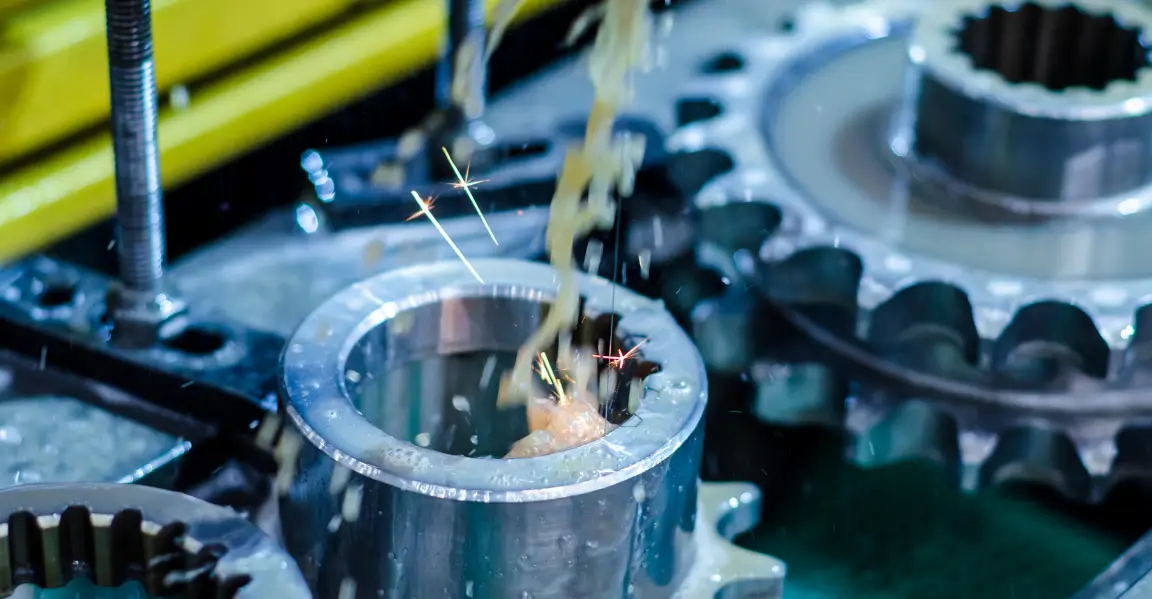
Material compatibility is the first factor. Mild steel and stainless steel have different yield strengths and springback characteristics. Aluminum requires a larger die opening relative to thickness to avoid surface marring. Tool steel dies offer the longest service life for high-volume runs, while hardened tool steel with appropriate surface treatment provides a practical balance for most production environments.
Die opening width should be matched to sheet thickness. A common baseline rule selects a V-opening approximately six to eight times the material thickness for air bending operations. Deviating significantly from this range increases the risk of overloading the press brake or producing inconsistent bends.
Tolerance and surface finish determine whether the die meets your part specifications. Look for dies manufactured to tight dimensional tolerances and finished with consistent ground surfaces. A rough interior surface accelerates wear on both the die and the workpiece.
You can send your specifications to YPMFG for an engineering review and we will recommend a die configuration suited to your material, thickness, and production volume.
Bending Die Cost and Lifespan Factors
Bending die pricing varies significantly based on material grade, manufacturing precision, and surface treatment. A basic V-die for light-gauge steel may cost a fraction of a precision die designed for stainless or titanium alloys.
Several factors influence tool life. Material hardness of the workpiece is the primary driver—heavier gauge and harder alloys accelerate edge wear. Bending frequency also matters; a die used thousands of times per day will degrade faster than one used intermittently. Proper maintenance, including regular cleaning and inspection of the die mouth, extends usable life considerably.
Investing in higher-quality dies typically reduces the cost per bent part over time. A cheaper die that requires frequent replacement or produces scrap parts often costs more than a properly specified tooling set.
Common Mistakes When Purchasing Bending Dies
Many buyers repeat the same errors during the procurement process. Recognizing these pitfalls helps you avoid costly downstream problems.
Selecting a die based solely on unit price without considering total lifecycle cost
Using the same die for multiple materials with very different hardness levels

Ignoring the press brake tonnage rating when choosing a die for thick material
Overlooking surface treatment options that could extend service life
Purchasing dies without verifying dimensional tolerances and grind quality
Each of these mistakes carries a direct impact on part consistency, machine safety, and operating cost. A careful evaluation at the point of purchase prevents most of these issues.
Quality Standards and Compliance Considerations
Die quality is governed by manufacturing tolerances, material specifications, and heat treatment processes. Reputable suppliers provide documentation covering material grades, hardness values, and dimensional inspection results. While specific standards vary by region and industry, key quality indicators include consistent hardness across the die body, accurate V-angle geometry, and a smooth working surface free from grinding marks.
For industries such as aerospace, automotive, or medical device manufacturing, additional traceability and certification requirements may apply. In these cases, supplier documentation and material certificates become essential parts of the procurement record.
Questions Buyers Often Ask About Bending Die
What is the typical lifespan of a bending die?
Tool life varies by application but generally ranges from tens of thousands to over a million cycles depending on material, thickness, and process. Softer materials and lighter gauges extend life, while hard alloys and heavy sections reduce it.
Can one die handle multiple material types?
A single die can often bend multiple materials, but optimal results require matching the die to the hardest material in the production mix. Using the same die across vastly different materials may compromise surface quality on the softer workpieces.
How do I calculate the required press tonnage?
Press tonnage depends on material yield strength, sheet thickness, die opening width, and bend length. Most manufacturers provide tonnage charts for reference. Always verify calculations against your machine’s rated capacity before running a new setup.
What surface treatment should I look for?
Common treatments include chrome plating and nitriding. These improve wear resistance and reduce material adhesion. The best choice depends on your material type and expected production volume.
When should I replace a bending die?
Replacement is warranted when visible wear affects bend accuracy, edge chipping appears on the die mouth, or surface roughness begins scoring workpiece material. Regular inspection prevents unexpected failures during production runs.
Should I choose standard or custom bending dies?
Standard dies cover most general applications and are available quickly. Custom dies are justified when you produce high volumes of identical parts with specific angle or radius requirements that standard tooling cannot achieve efficiently.
Choosing the Right Bending Die for Your Application
The decision between different bending die options comes down to matching tooling to your specific production requirements. Consider your material, thickness range, tolerance needs, and expected run volume before committing to a purchase. The right die improves part quality, reduces setup time, and lowers cost per unit over the life of the tooling.
If you are evaluating options for a new project or looking to optimize your current tooling setup, you can send your specifications to YPMFG for a free engineering review. We provide tailored recommendations based on your application and support custom solution development when standard tooling does not meet your requirements.