English
 German
 Russian
 Japanese
 Korean
 Spanish
 French
 Italian
 Portuguese

Brass stamped parts are precision-formed metal components used in electrical socket assembly, contact strips, and grounding terminals. They are produced through progressive die stamping, where a continuous strip of brass is fed through a sequence of dies that cut, pierce, and form each feature in a single pass. The method delivers tight geometric consistency, minimal material waste, and high cycle rates. For socket applications, the specs that matter most are wall thickness, surface finish on the contact face, and dimensional tolerance on mating dimensions.
Sourcing stamped brass for socket housings and terminals often means chasing mismatches between part geometry and the final assembly. A small drift in bend angle or wall thickness can cause poor contact, increased resistance, or rework on the production line. Getting the stamping specification right at the drawing review stage is where most of the cost savings come from.
What Role Do Brass Stamped Parts Play in Sockets?
Brass is the default material for socket contact components because it balances conductivity, corrosion resistance, and spring behavior. The most common stamped parts include brass contact strips, grounding terminals, and small housing brackets that hold the socket faceplate to the wall box.
Stamping gives these parts a consistent geometry that casting or machining struggles to match at volume. A well-designed stamping die design can produce hundreds of parts per minute with a repeatable form. This makes it the go-to process for OEMs producing electrical sockets at scale.
Why Brass Over Copper or Steel?
Copper conducts slightly better, but it softens faster under repeated insert-and-remove cycles. Steel is cheaper, yet it corrodes in humid environments and transfers less spring force to the mating plug pin. Brass sits in the middle: conductive enough, dimensionally stable, and resistant to the mild galvanic attack that degrades bare steel.
Specifications to Verify Before Placing an Order
The table below lists the parameters that most often cause first-article rejections on stamped socket parts.
The ranges above are starting points, not universal rules. The exact spec depends on the socket rating, the operating temperature,and whether the part sits inside a sealed or open housing. Verify each value against your assembly drawing before releasing the tooling order.
Defects That Cost Buyers Time and Money
Springback: After a 90° bend the metal partially recovers. If the die does not compensate, the final angle will be off. Specify the compensation angle with your stamper at the tooling stage.
Burr on the contact face: Worn or misaligned trimming dies leave raised edges. Even a 0.1 mm burr raises contact resistance and can cause arcing over time.
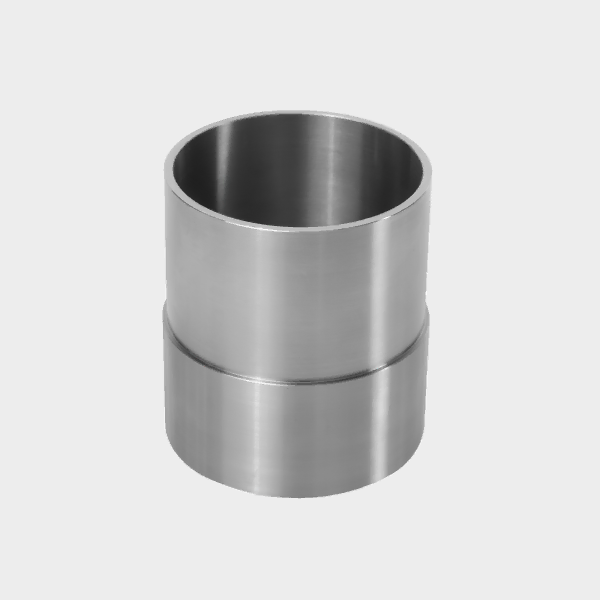
Dimensional drift across a run: Heat build-up in the die stack shifts part size gradually. Request a CMM or optical check at first-article, mid-run, and end-of-run.
Galvanic corrosion: Pairing uncoated brass with steel housing screws creates a mild cell. Confirm the housing material and whether a passivation or zinc-nickel coating is required.
Common Questions About Brass Stamping for Sockets
Can brass be stamped thinner than 0.3 mm?
It is possible but challenging. Below 0.25 mm the material tears easily during the bend stage. If your design calls for a thin wall, ask your stamper to validate the minimum feasible thickness before tooling is cut.
How many parts can one stamping die produce before maintenance?
Typically 500,000 to 2,000,000 cycles, depending on material hardness and die material. C26000 brass is on the softer side, which extends die life. A scheduled die inspection every 200,000 cycles is a reasonable baseline.
Do I need a separate coating step after stamping?
Not always. If the socket operates in a dry, indoor environment, bare C26000 brass may be sufficient. For damp or coastal installations, a thin zinc-nickel or passivation coat reduces long-term corrosion risk. Confirm the IP rating of the finished socket before deciding.
What files should I send for a stamping quote?
A 3D STEP or IGES file of the part, plus a 2D drawing with all critical dimensions, tolerances, and surface-finish callouts. If the part mates with a stamped housing, include the housing drawing so the stamper can check clearance at the interface.
## Making the Right Call on Stamped Brass Socket Parts
The difference between a smooth first-article approval and a cycle of rework often comes down to how precisely the stamping spec was defined before tooling started. YPMFG works with electrical-component buyers on exactly this stage: reviewing your 3D and 2D files, flagging potential springback or clearance issues, and proposing die-sequence adjustments before a single die is cut.
If you have a socket design in progress, you can send your part geometry and material spec to YPMFG for an engineering review. The team will return a written assessment covering manufacturability, suggested tolerances, and an estimated tooling timeline. No commitment required.