English
 German
 Russian
 Japanese
 Korean
 Spanish
 French
 Italian
 Portuguese

CNC milling machines fall into five core categories: 3-axis vertical mills, horizontal mills, 5-axis mills, desktop mills, and multi-axis machining centers. Each handles a distinct range of part geometries, tolerance levels, and production volumes. The right choice depends on your part’s face count, material hardness, required tolerance specifications, and batch size. Picking the wrong machine type adds setup time, extra tooling, and scrap risk that show up directly in the final part price. If you are evaluating CNC milling for an upcoming project, matching the machine to the geometry first will save both budget and schedule.
Most buyers arrive at a machine shop with a part drawing and no clear sense of which mill will actually do the job. The answer is rarely “buy the biggest spindle.” A simple 3-axis vertical mill handles the majority of standard mechanical parts, while a 5-axis center is overkill for flat plates.
YPMFG works with manufacturers who need the right machine matched to the part. This breakdown walks through each type, the parts they suit, and how to avoid the cost traps that come with a mismatch.
The Five Main Types of CNC Milling Machines
Each category below is defined by spindle orientation, axis count, and typical application. The distinction matters because it directly affects setup time, achievable tolerances, and total cost per part.
3-Axis Vertical CNC Mills
The spindle points straight down, and the tool travels along X, Y, and Z. This is the workhorse of the job shop floor. It suits flat plates, prismatic parts, molds,and general-purpose precision machining. Tolerances down to 0.001 inch are typical on well-maintained units. Most first-time buyers start here because the programming logic is the simplest of all mill types.
Horizontal CNC Mills
The spindle sits horizontally, and work holds on pallets that index under the tool. Horizontal mills excel at complex dies, cutter blades, and aerospace components that demand aggressive chip evacuation. Chips fall away from the cutting zone, reducing re-cut and tool-breakage risk. A single pallet can carry four to six faces, which cuts total setup time significantly on multi-feature parts.
5-Axis CNC Mills
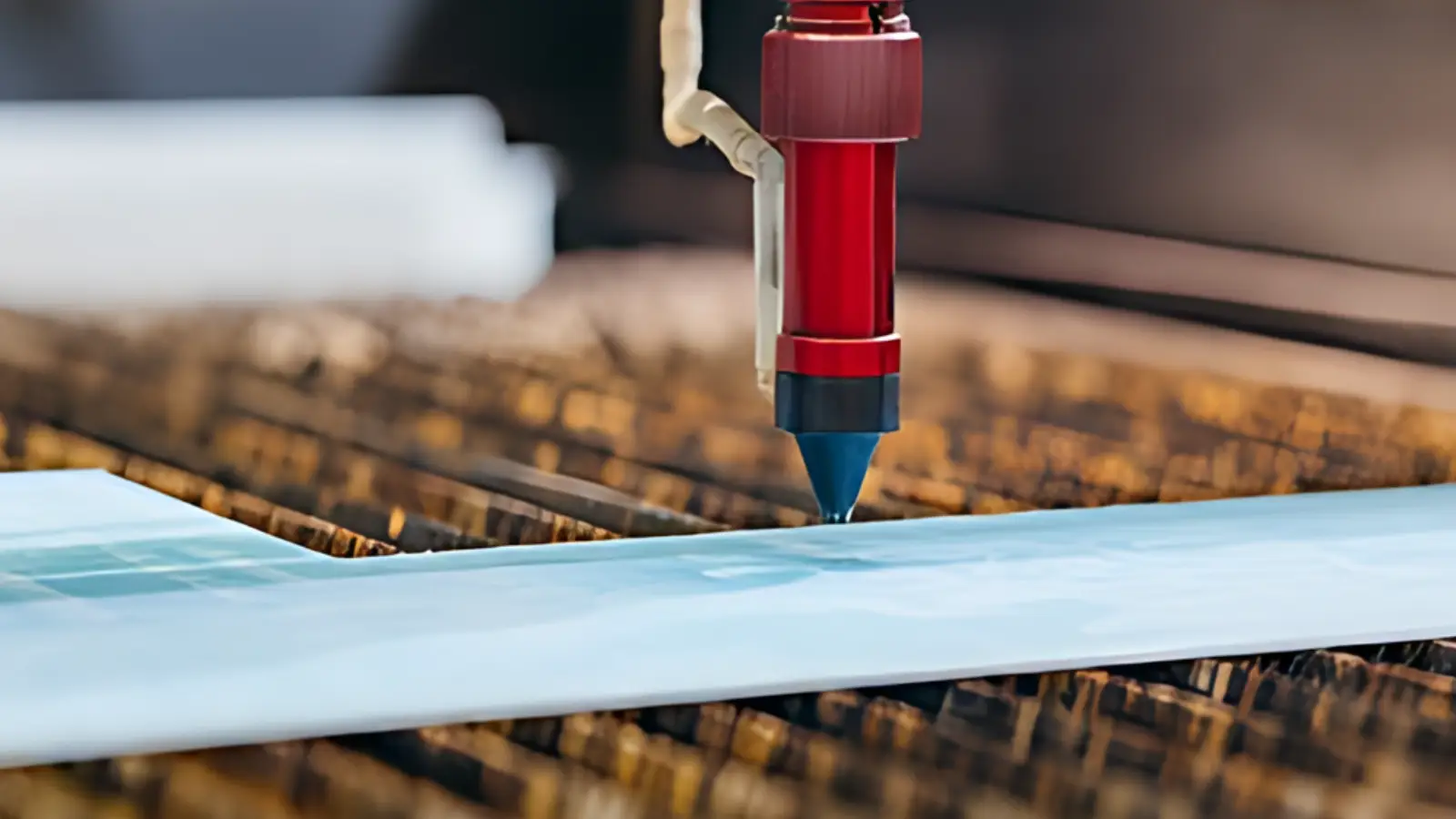
These add two rotary axes, A and B, to a standard 3-axis base. The tool or the part tilts, letting one setup reach multiple faces at once. They are ideal for impellers, turbine blades, and medical implants where re-fixturing would shift tight tolerances. In many cases, a 5-axis tool path reduces total setup time by 30 to 40 percent compared with running the same part through multiple 3-axis fixtures.
Desktop and Small-Form CNC Mills
Compact units under 200 lb with 4-to-12-inch travel ranges. They serve prototyping labs, engineering schools, and rapid prototyping workflows. Not suited for heavy production runs. Material limits are typically aluminum, engineering plastics, and soft copper alloys. They are useful for validating a design before committing capital to a larger production machine.
Multi-Axis Machining Centers
A 4- or 5-axis mill combined with an automatic tool changer holding 30 to 100 or more tools. Built for high-volume, complex custom parts production. Often paired with robotic part loading for lights-out operation. Think turbine housings, automotive brackets, and medical device housings where changeover must stay under five minutes to keep the line running.
CNC Milling Machine Types Compared
The table below summarizes how the five types stack up on the factors that matter most to a buyer.
No single type wins every job. Matching the CNC machine type to your part geometry and production volume is the single biggest cost lever in CNC machining.
How to Match a Milling Machine Type to Your Part
Start with the part drawing. Count how many faces require machining and whether any face is only reachable at an angle. If all faces are exposed from one side, a 3-axis vertical mill covers the job. Undercuts, compound curves, or angled holes push the requirement to a 5-axis setup.
Also weigh these practical factors before committing:
Material hardness – steel and titanium demand more spindle power and stiffer frames than aluminum
Tolerance range – ±0.001 inch on critical features may require a 5-axis path to hold position
Batch volume – one-off prototypes suit a desktop or vertical mill; 10,000-plus units favor a machining center
Fixture complexity – custom soft jaws add setup time to every CNC machining job
The risk of a mismatch shows up quickly. A part designed for 5-axis work, run on a 3-axis mill, will need three separate fixtures and three alignment checks. That triples setup labor and opens the door to quality control failures at handoff.
YPMFG can review your drawing and flag the most cost-effective machine configuration before you lock in a custom solution or a capital purchase.
## Questions Buyers Often Ask About CNC Milling Machine Types
Can one CNC mill handle both roughing and finishing?
Yes, but dedicated operations run faster. Many shops rough on a large horizontal mill, then finish on a smaller 5-axis center to hold tight tolerances on critical surfaces.
Is a 5-axis mill always better than a 3-axis?
No. If your part is a simple bracket, extra axes add cost with zero geometric benefit. Match the axis count to the part shape.
What materials can a standard 3-axis mill handle?
Aluminum, mild steel, stainless, and copper are routine. Titanium and Inconel typically need heavier spindles, longer rig times, and specialized tooling.
How does machine type affect final part cost?
More axes and larger frames raise hourly rates. But they can cut total cycle time, so the final price depends on geometry and production volume.
Do I need a CMM to verify milled parts?
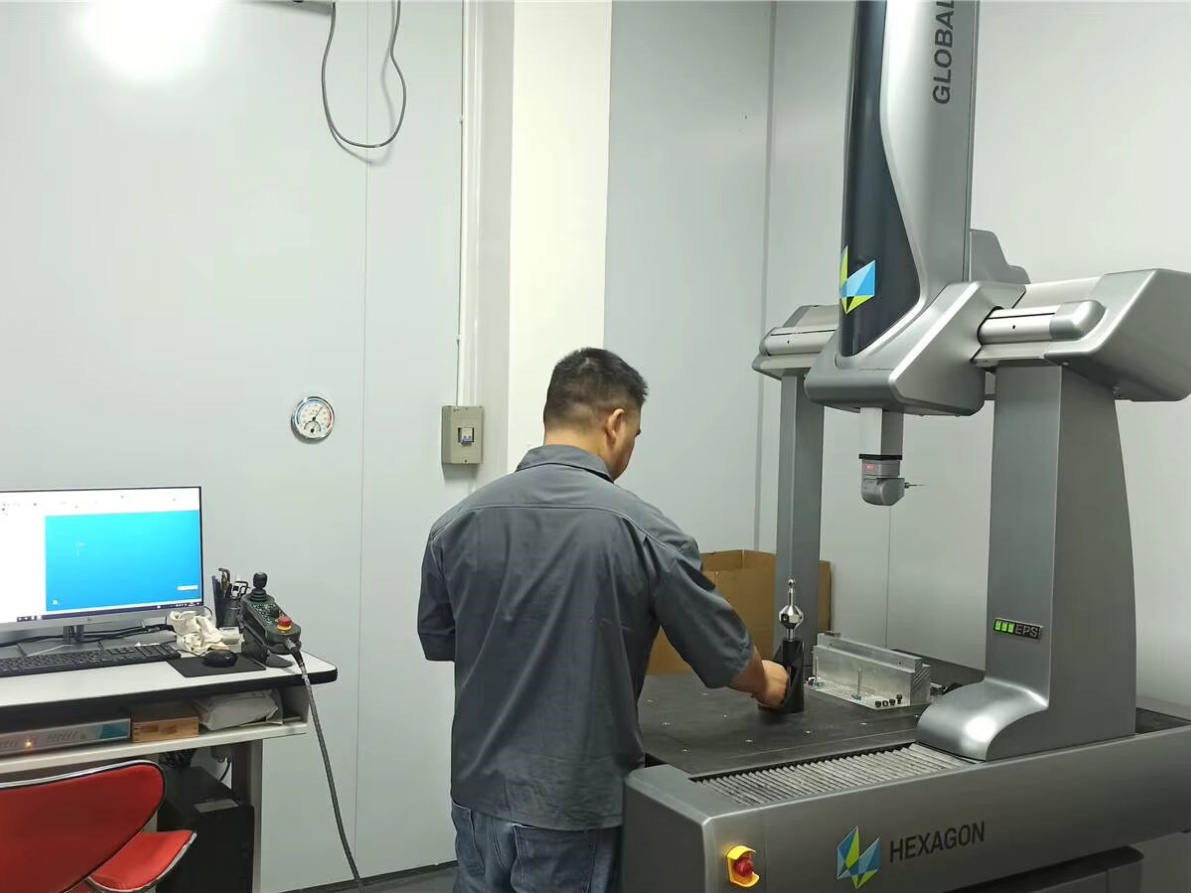
For critical dimensions, yes. A coordinate measuring machine or calibrated calipers on every key feature is standard practice in any quality control program.
Choosing the Right CNC Mill for Your Next Project
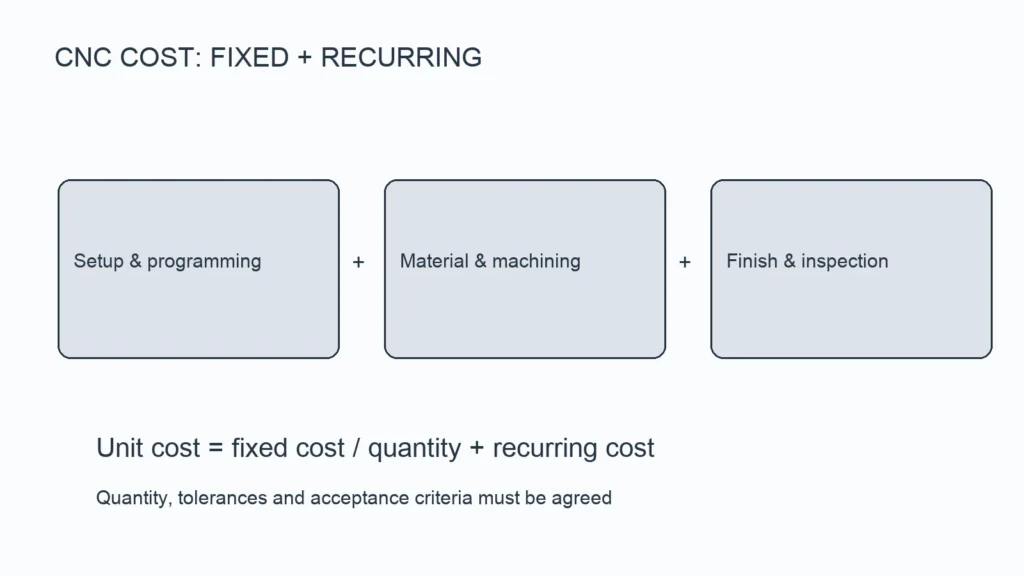
The wrong machine type does not just waste money on the floor. It adds hidden costs: longer cycles, extra setups, tooling changes, and rework that erode your margin. Send your part drawings and production specs to YPMFG. Their engineers will identify the most suitable CNC machining configuration, estimate cycle time, and flag tolerance risks before you finalize a custom manufacturing plan.