 French
  English
  German
  Russian
  Japanese
  Korean
  Spanish
  Italian
  Portuguese
 Quick answer:
Metal stamping parts are formed metal components produced by pressing sheet metal through dies in a stamping press. They are widely used across automotive, electronics, appliances, and industrial equipment due to their high repeatability and low unit cost at volume. Quality depends on material selection, die precision, tolerance control, and post-processing steps.
When buying stamped components, most buyers face uncertainty around tolerances, surface finish, lead time, and long-term consistency. Without clear technical requirements, final parts may not meet assembly needs or may exceed budget after tooling costs are added.
Understanding the basics before placing an order helps avoid costly revisions and supports better communication with your manufacturer.
Understanding Metal Stamping Parts and Their Applications
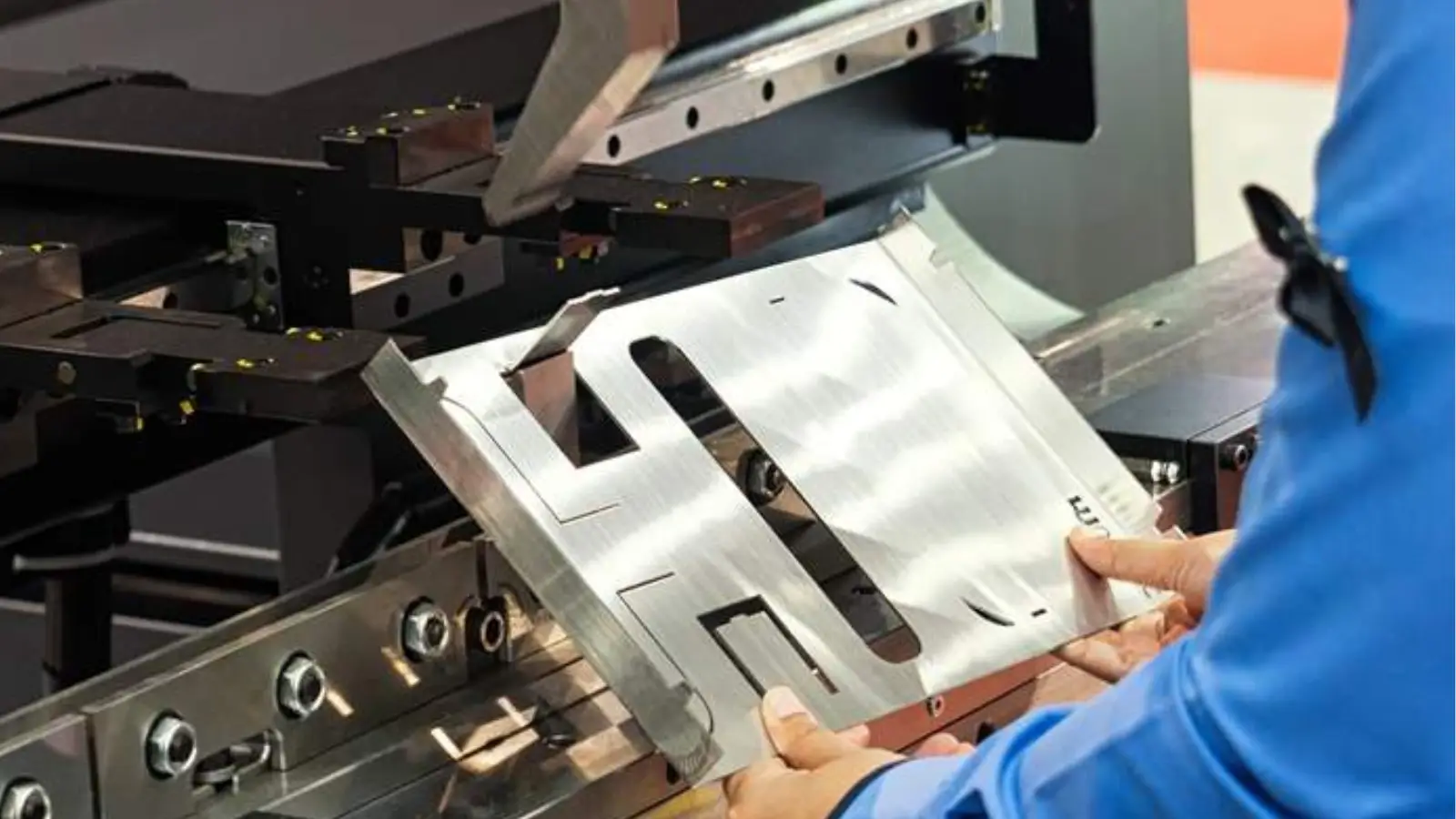
Metal stamping is a forming process that uses presses and custom dies to cut, bend, and shape sheet metal into precise components. The process is suitable for both prototyping and high-volume production.
These parts appear in assemblies where strength, consistency, and cost efficiency matter. Common applications include brackets, enclosures, contacts, shims, heatsinks, and structural connectors.
Modern stamping operations often combine multiple processes in a single tool. This approach reduces handling, improves accuracy, and shortens cycle time.
Key Factors That Influence Stamped Part Quality
Several technical factors directly affect the final part quality and overall project cost.
Material type determines formability, strength, and corrosion resistance. Thickness tolerance affects fit within the assembly. Die design influences cycle time and part consistency over long runs.

Surface treatment or secondary operations may also change cost and lead time. Buyers should confirm which processes are included in the quoted price.
Common Materials Used in Metal Stamping
The choice of material depends on mechanical requirements, environmental exposure, and cost targets.
Each material behaves differently under stamping forces. The right choice balances performance needs with manufacturing feasibility.
How Tolerance and Surface Finish Affect Cost
Tighter tolerances often require finer dies, more careful process control, and additional inspection. This increases both tooling cost and unit price.
Surface finish requirements also impact cost. Mill-finish parts are less expensive than those requiring bead blasting, plating, or powder coating.
For most industrial applications, standard stamping tolerances between ±0.1mm and ±0.25mm are sufficient. Only critical mating surfaces typically need tighter control.
How to Evaluate a Metal Stamping Supplier
Choosing the right partner requires checking both capability and communication clarity.
A reliable supplier should provide detailed engineering feedback before tooling begins. They should also offer sample parts or first article inspection reports for approval.
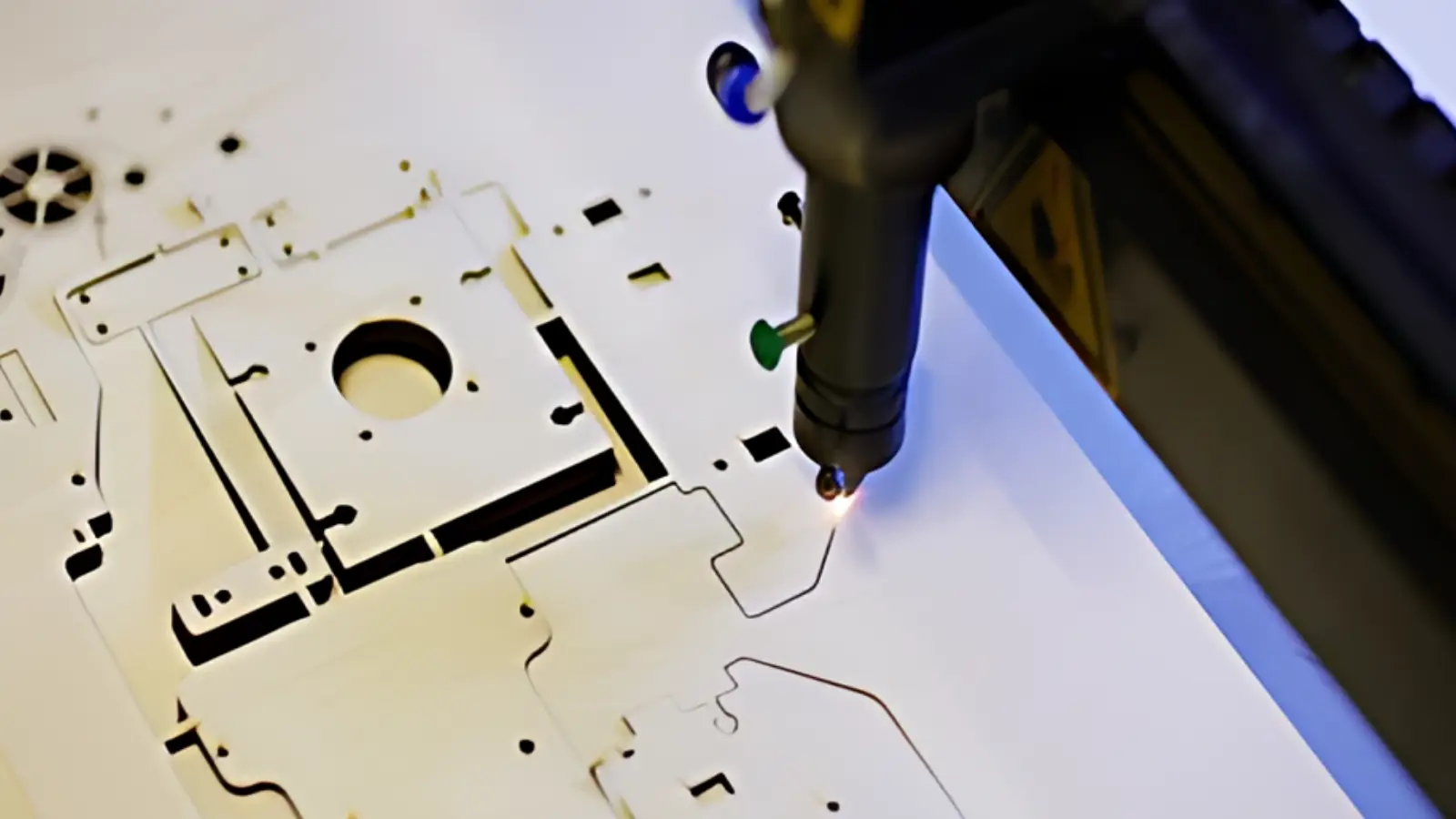
Key points to review include die life capacity, quality documentation, traceability practices, and whether they support both prototype and volume production.
YPMFG provides engineering review and customization support for stamped and machined components. Buyers can send drawings or specifications for a technical assessment before committing to tooling.
Prototype versus Production Tooling
Tooling strategy is one of the biggest cost decisions in stamped part projects.
Prototype tooling uses softer steel and simpler designs. It is faster and cheaper but less durable over thousands of cycles.
Production tooling is made from hardened steel and built for long runs. It costs more upfront but delivers consistent quality and lower per-part pricing at volume.
The decision should be based on forecasted quantity, not just immediate needs. A hybrid approach is often practical for initial launches.
Common Questions About Metal Stamping Parts
What thickness range is typical for stamped parts?
Most stamping operations work with materials between 0.1mm and 6mm thick. Thinner gauges suit electrical contacts and shims. Thicker stock is used for structural brackets and mounting plates.
How long does custom tooling take?
Lead time usually ranges from two to six weeks, depending on die complexity and material. Simple bending tools are faster. Multi-stage progressive dies require more engineering and testing.
Can stamped parts be used in high-vibration environments?
Yes, when designed correctly. Proper material selection, secure fastening features, and appropriate bend radii improve fatigue resistance. Vibration-prone applications should include engineering review before final tooling.
What quality documents should a supplier provide?
Expected documentation includes material certificates, dimensional inspection reports, first article test results, and process control records. These documents verify compliance with drawing specifications.
Are second operations common in stamped part production?
Secondary processes like punching, tapping, forming, and welding are frequently integrated into the same tool or completed on dedicated machines. Confirm whether these steps are included in your quote.
Making a Better Long-Term Decision
Metal stamping remains one of the most cost-effective methods for producing precision metal components at scale. Success depends on clear specifications, realistic tolerance targets, and a supplier who can guide design for manufacturability.
Before starting a new project, review your part drawings with an experienced engineer. Identify critical dimensions,material constraints, and any assembly interfaces that may need adjustment.
You can send your technical specifications to YPMFG for an engineering review. The team can evaluate formability, suggest material options, and provide a detailed quotation before any tooling begins.