 French
  English
  German
  Russian
  Japanese
  Korean
  Spanish
  Italian
  Portuguese
Demandez dès maintenant un devis pour un usinage par fraisage CNC
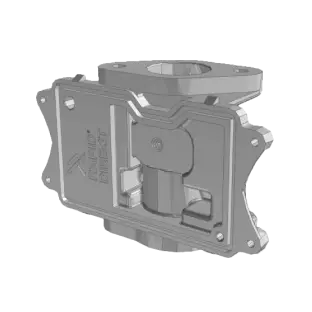

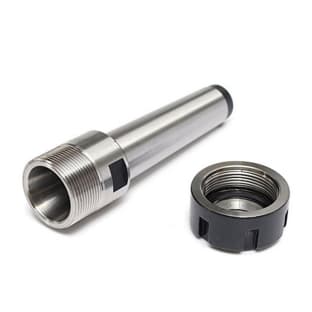
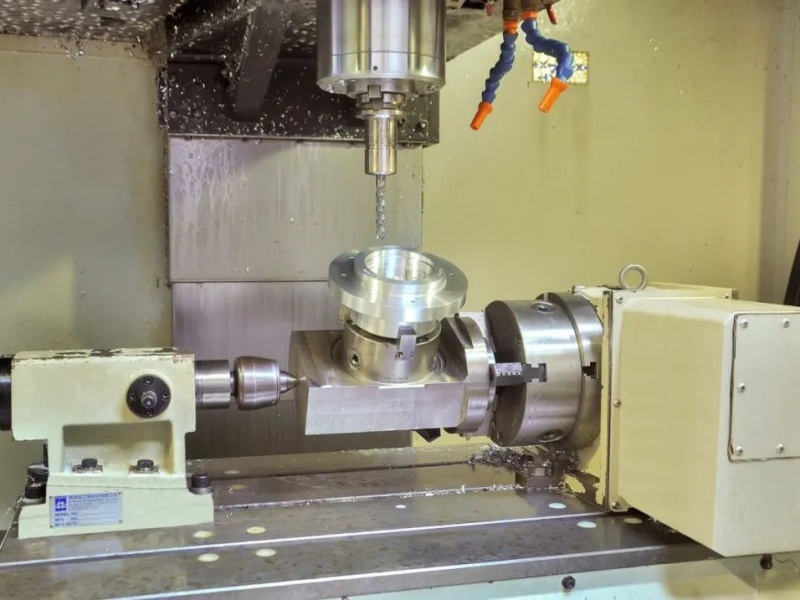
Le fraisage CNC à 4 axes permet l'usinage sur plusieurs faces en un seul serrage, ce qui réduit les erreurs de repositionnement
et améliore le rendement.
Ce service est largement
utilisé pour la fabrication sur mesure de pièces fraisées par CNC présentant des contours complexes.
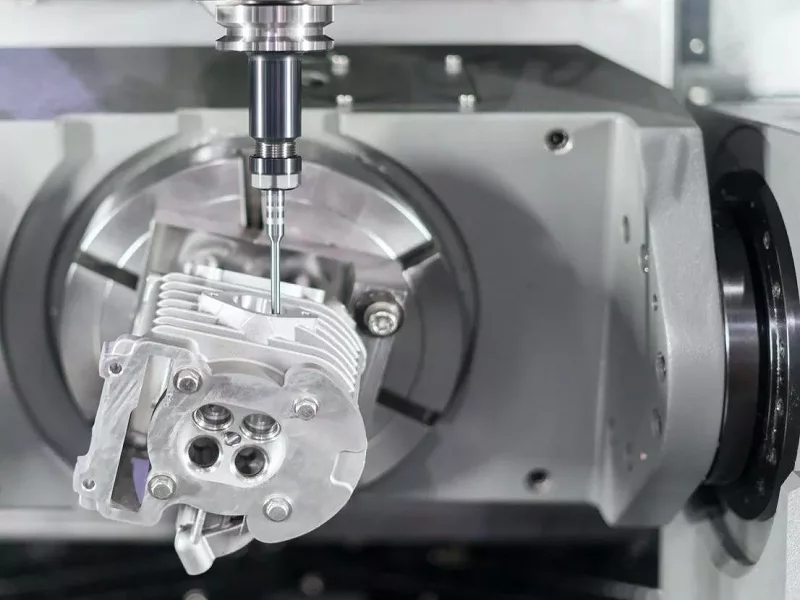
Notre service de fraisage CNC 5 axes permet de réaliser des pièces extrêmement complexes et exigeant une grande précision.
C'est la solution privilégiée pour les applications de fraisage CNC dans les secteurs de l'aérospatiale, du médical et
des tolérances serrées.
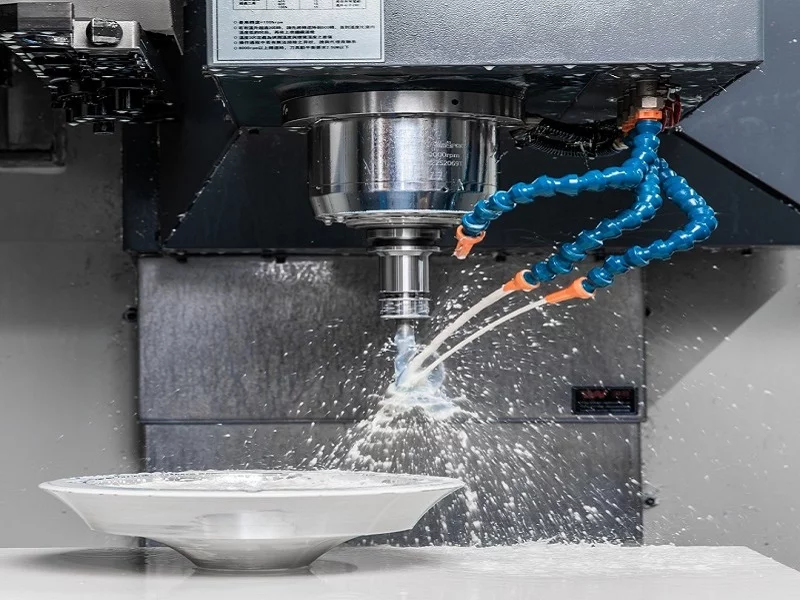
Nos services de fraisage CNC à 3 axes sont parfaits pour l'usinage économique de géométries simples.
Nous garantissons une précision constante pour les pièces plates et prismatiques
grâce à des fraiseuses CNC de pointe.
Le fraisage CNC à 4 axes permet l'usinage sur plusieurs faces en un seul serrage, ce qui réduit les erreurs de repositionnement
et améliore le rendement.
Ce service est largement
utilisé pour la fabrication sur mesure de pièces fraisées par CNC présentant des contours complexes.
Notre service de fraisage CNC 5 axes permet de réaliser des pièces extrêmement complexes et exigeant une grande précision.
C'est la solution privilégiée pour les applications de fraisage CNC dans les secteurs de l'aérospatiale, du médical et
des tolérances serrées.
Nos services de fraisage CNC à 3 axes sont parfaits pour l'usinage économique de géométries simples.
Nous garantissons une précision constante pour les pièces plates et prismatiques
grâce à des fraiseuses CNC de pointe.
Le fraisage CNC à 4 axes permet l'usinage sur plusieurs faces en un seul serrage, ce qui réduit les erreurs de repositionnement
et améliore le rendement.
Ce service est largement
utilisé pour la fabrication sur mesure de pièces fraisées par CNC présentant des contours complexes.
Notre service de fraisage CNC 5 axes permet de réaliser des pièces extrêmement complexes et exigeant une grande précision.
C'est la solution privilégiée pour les applications de fraisage CNC dans les secteurs de l'aérospatiale, du médical et
des tolérances serrées.
Nos services de fraisage CNC à 3 axes sont parfaits pour l'usinage économique de géométries simples.
Nous garantissons une précision constante pour les pièces plates et prismatiques
grâce à des fraiseuses CNC de pointe.
|
Bénéficiez de pièces usinées par CNC simples, fabriquées avec une précision constante, des délais de livraison plus courts et des coûts d'usinage maîtrisés lorsque l'usinage complexe à angles multiples n'est pas nécessaire. |
Améliorez l'efficacité de l'usinage et l'alignement des éléments grâce au fraisage CNC à 4 axes, en particulier lorsque votre pièce nécessite plusieurs directions d'usinage au cours d'un même serrage.
Notre service de fraisage CNC 5 axes permet de réaliser des pièces extrêmement complexes et nécessitant une grande précision. C'est la solution privilégiée pour les applications dans les secteurs de l'aérospatiale, du médical et du fraisage CNC à haute tolérance.
Prototypage rapide
Accélérez le développement de vos produits grâce à notre processus rapide Services d'usinage CNC. Nous proposons des délais d'exécution rapides et sommes spécialisés dans la fabrication rapide de prototypes et d' outillages de moulage de haute qualité, afin de faciliter votre processus de validation de conception.
Production à faible et à fort volume
Que vous ayez besoin de petites séries ou d'une production à grande échelle, nous pouvons vous proposer les deux. Grâce à des contrôles de tolérance rigoureux et à des capacités complètes, nous nous adaptons à vos besoins en termes de volume sans faire de compromis sur la qualité.
YP-MFG propose des services de fraisage CNC pour une large gamme de métaux et de plastiques, vous aidant ainsi à répondre à vos exigences en matière de résistance, de poids, de finition de surface, de résistance à la chaleur et de coût. Que vous ayez besoin de prototypes en aluminium, de composants en acier inoxydable ou de pièces en plastique technique, notre équipe peut vous aider à choisir un matériau adapté à vos objectifs de conception et de production.

L'ABS est un matériau solide et durable qui offre une bonne résistance à la chaleur et aux chocs. Il est privilégié pour la fabrication de composants automobiles et de biens de consommation.
ABS beige (naturel)
ABS noir
ABS noir antistatique
ABS blanc laiteux
ABS + PC noir
ABS+PC blanc

Le polycarbonate est extrêmement durable et présente une grande résistance aux chocs, ainsi qu’une excellente transparence ; il est utilisé pour la fabrication de vitres pare-balles et d’équipements de protection.
PC Noir
PC transparent
PC Blanc
PC Blanc jaunâtre
PC+GF30 Noir
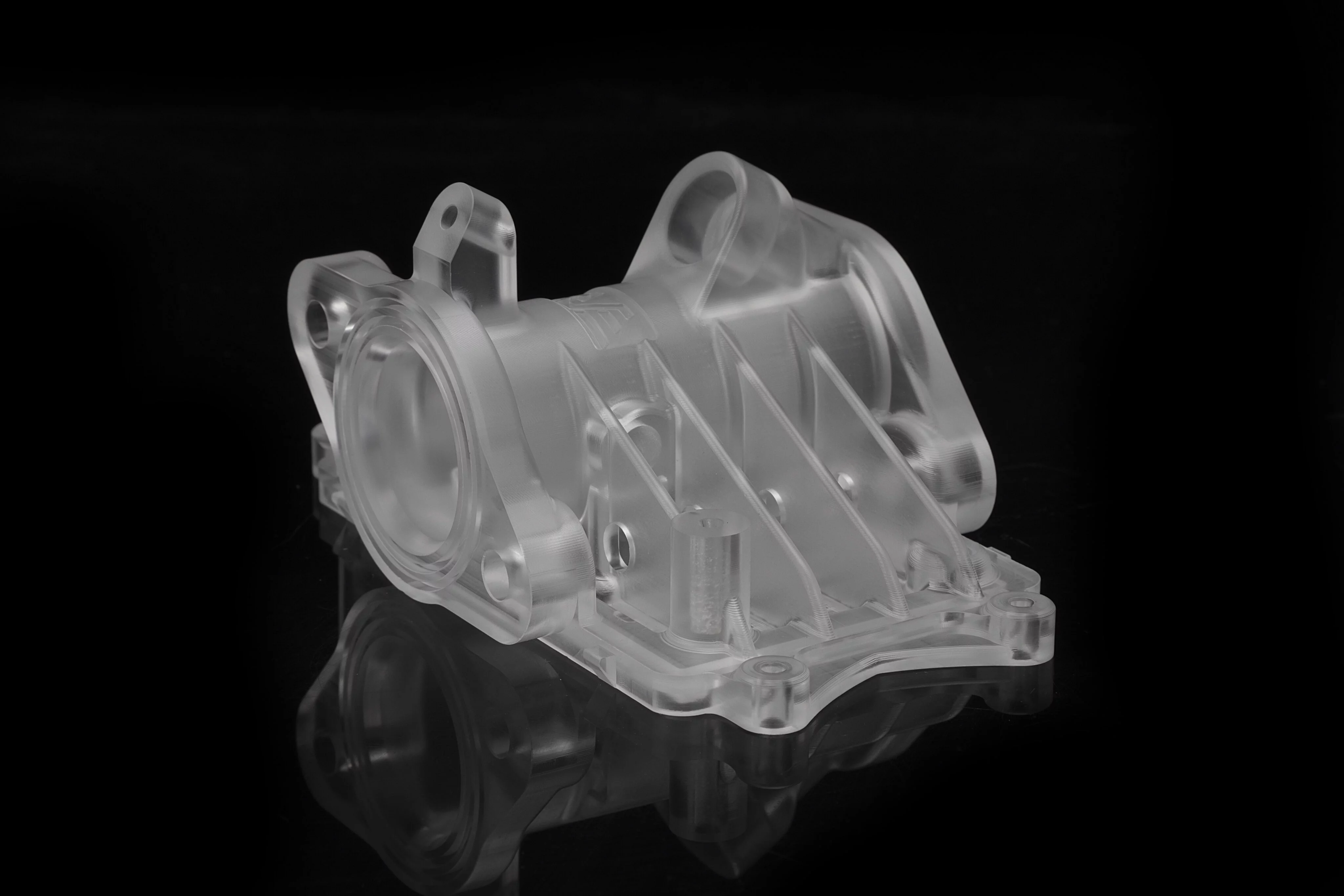
Le PMMA, ou acrylique, est réputé pour sa transparence cristalline et sa résistance aux intempéries, ce qui en fait un matériau idéal pour les installations extérieures et les vitrines.
PMMA noir
PMMA transparent
PMMA blanc
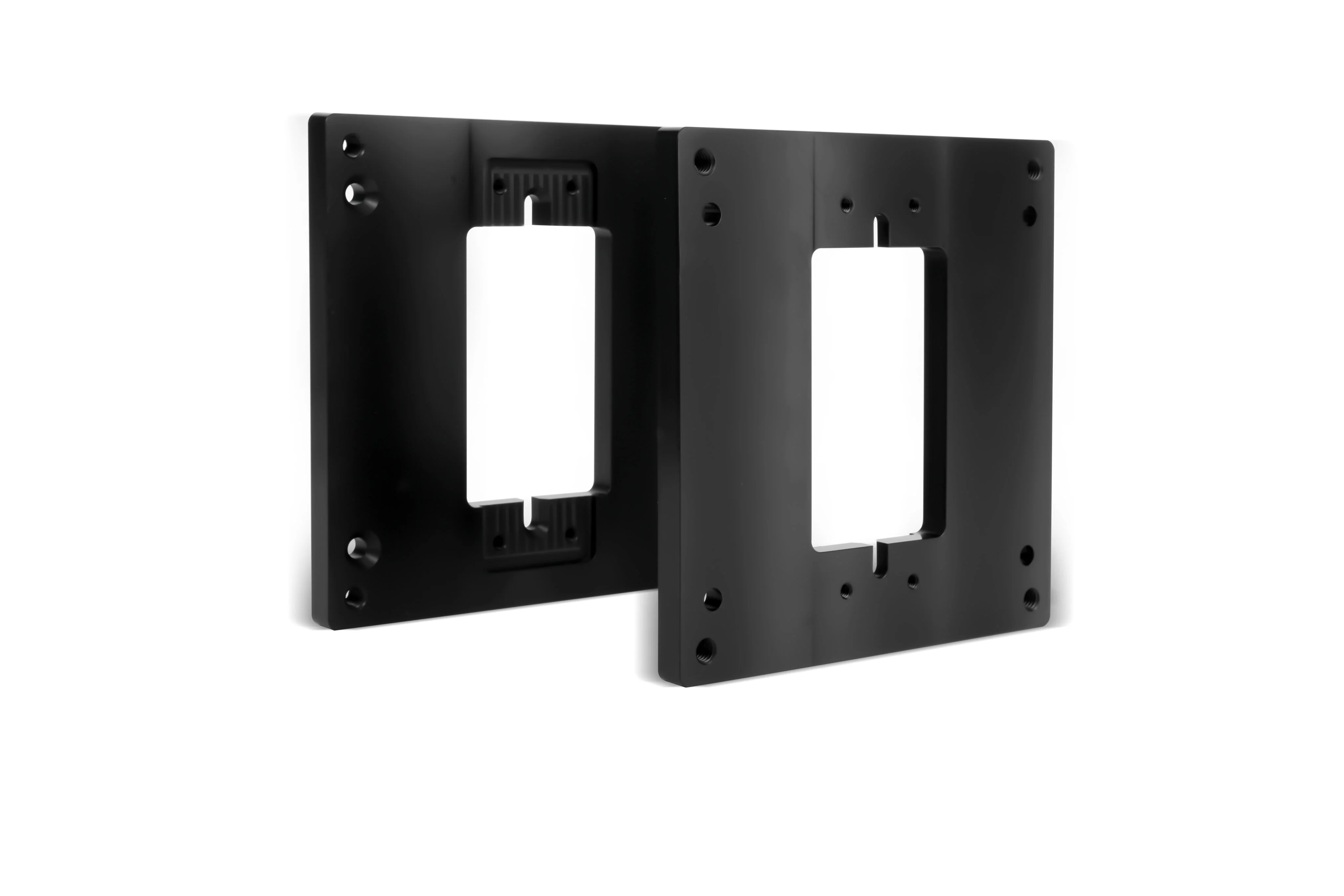
Le POM est un matériau résistant, doté d'une surface à faible coefficient de frottement et d'une bonne stabilité dimensionnelle, ce qui en fait un matériau idéal pour les pièces de précision destinées à des applications mécaniques.
Marron foncé (café) POM 100AF
POM noir
POM Bleu
POM blanc

Le nylon est polyvalent, résistant et offre une bonne résistance à l'usure due au frottement ; il est couramment utilisé pour la fabrication d'engrenages, de roulements et d'autres surfaces résistantes à l'usure.
PA (nylon) bleu
PA6 (nylon) + GF15 noir
PA6 (nylon) + GF30 noir
PA66 (nylon) Beige (naturel)
PA66 (nylon) noir
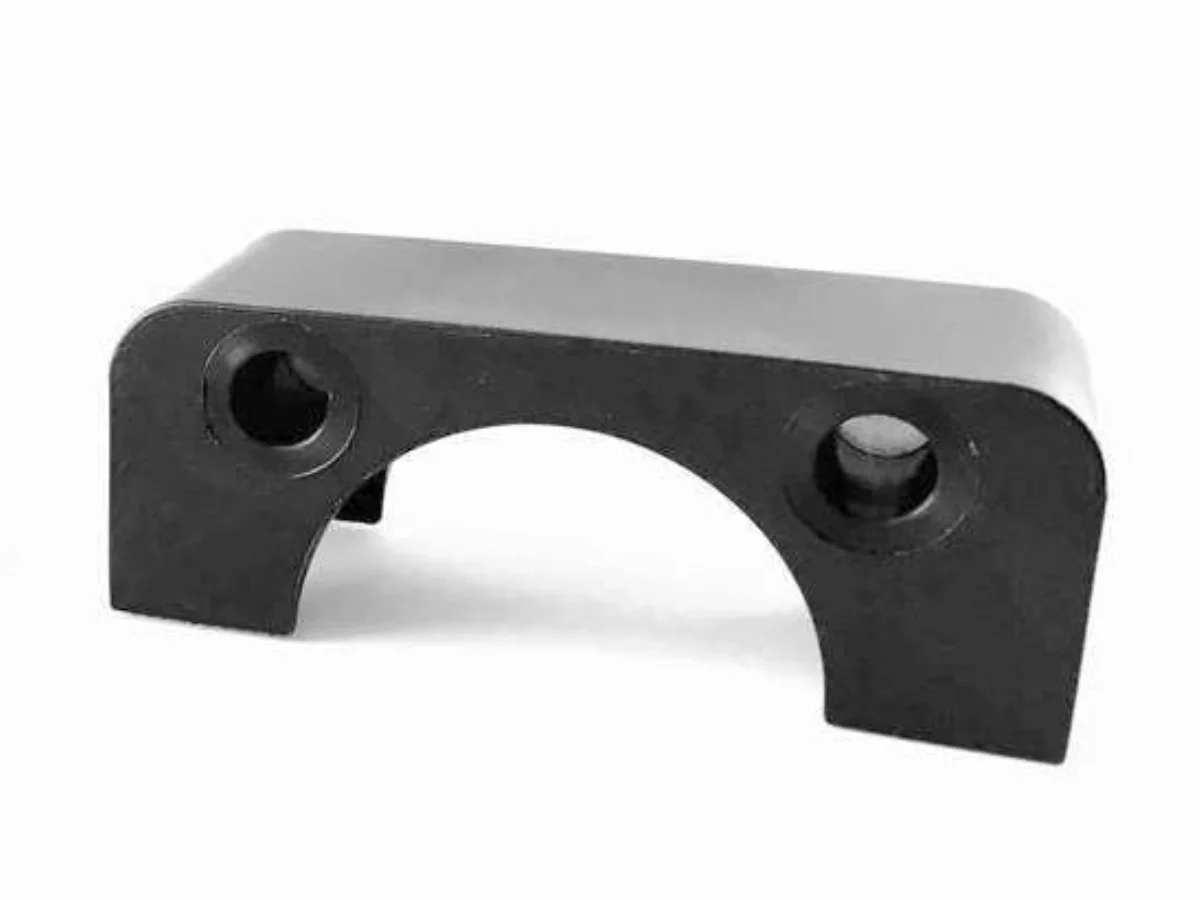
Le polyéthylène est un matériau léger et très résistant aux chocs, largement utilisé dans le domaine de l'emballage et des conteneurs.
PE Noir
PE Blanc
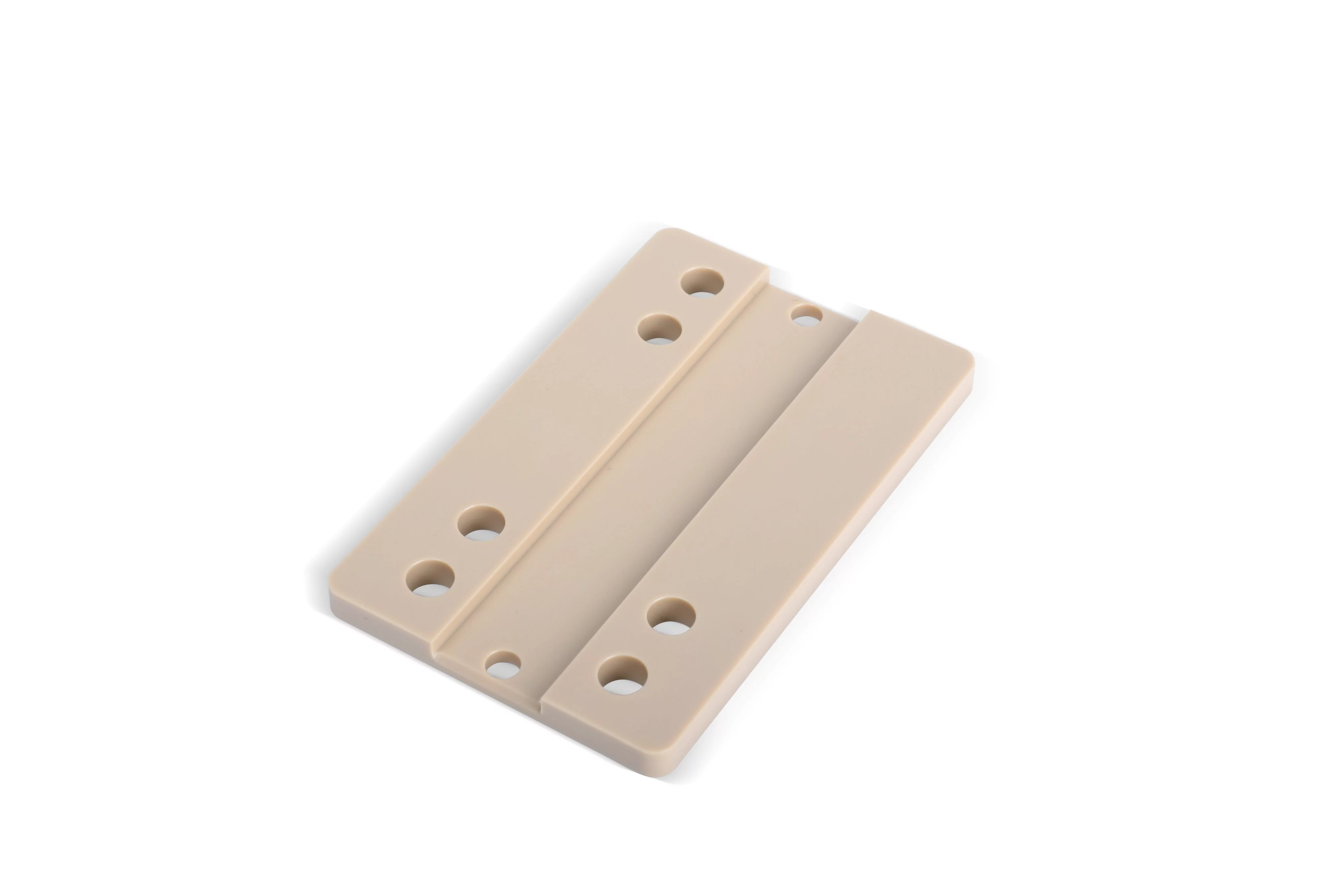
Le PEEK est réputé pour sa résistance aux hautes températures et sa solidité ; il est souvent utilisé dans l'aérospatiale et la fabrication d'implants médicaux.
PEEK Beige (naturel)
PEEK noir

Le polypropylène est un matériau robuste, doté d'une excellente résistance chimique, et utilisé pour la fabrication de pièces automobiles, de récipients et d'emballages.
PP Noir
PP Blanc
PP+GF30 Noir

Le PEHD est réputé pour son rapport résistance/densité élevé et sa résistance aux chocs ; il est utilisé dans la fabrication de bouteilles et de canalisations résistantes à la corrosion.
PEHD noir
PEHD blanc

Le HIPS est facile à usiner et offre une bonne stabilité dimensionnelle ainsi qu'une bonne résistance aux chocs, ce qui le rend adapté au prototypage et à la modélisation.
Tableau blanc HIPS

Le LDPE est souple et flexible ; il est utilisé dans des applications nécessitant un thermoscellage, comme les tubes et les sacs en plastique.
LDPE blanc
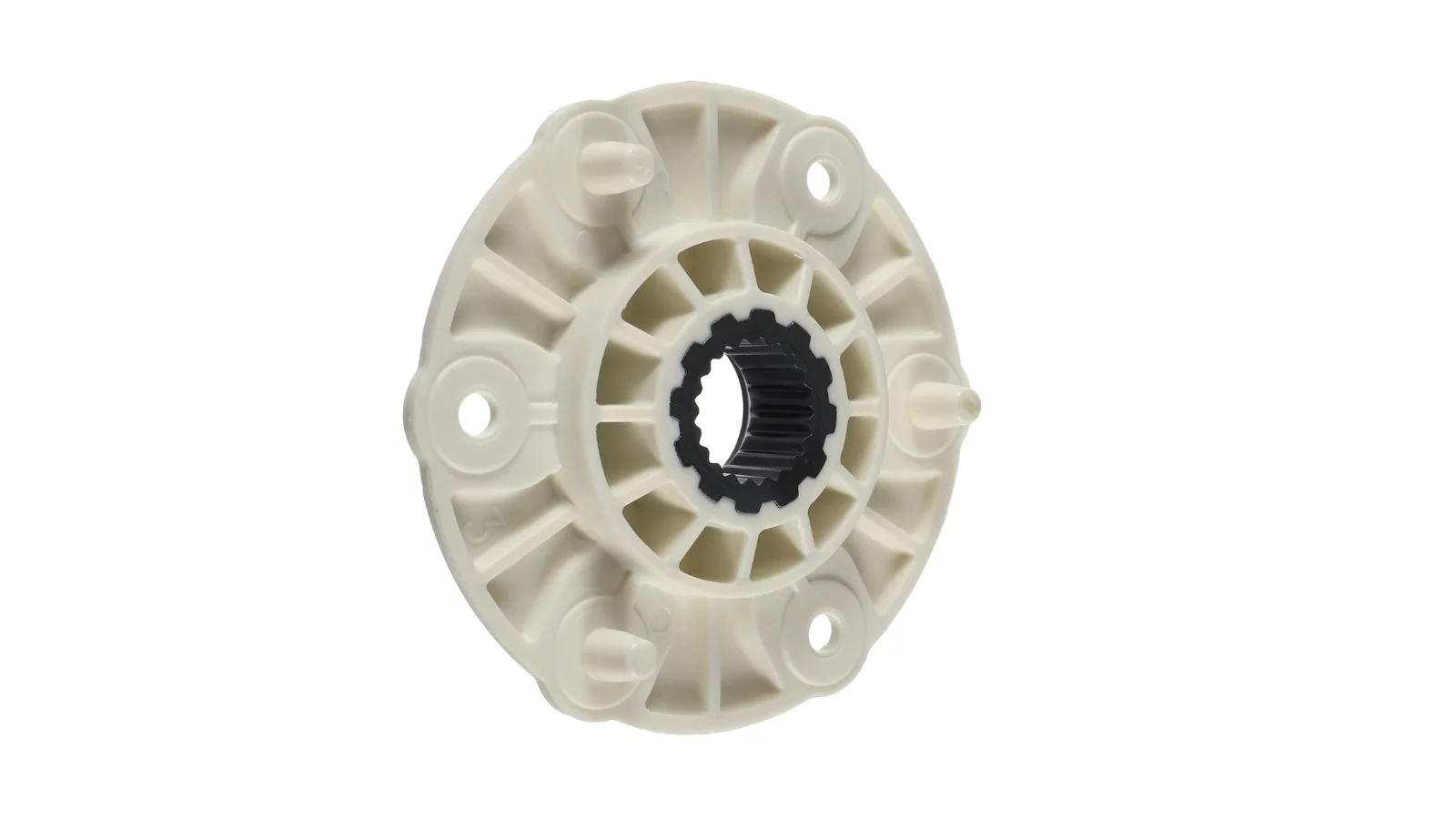
Le PBT est un plastique solide et rigide, résistant à la chaleur, couramment utilisé dans la fabrication de composants électriques et de boîtiers.
PBT Noir
PBT Blanc laiteux (Naturel)
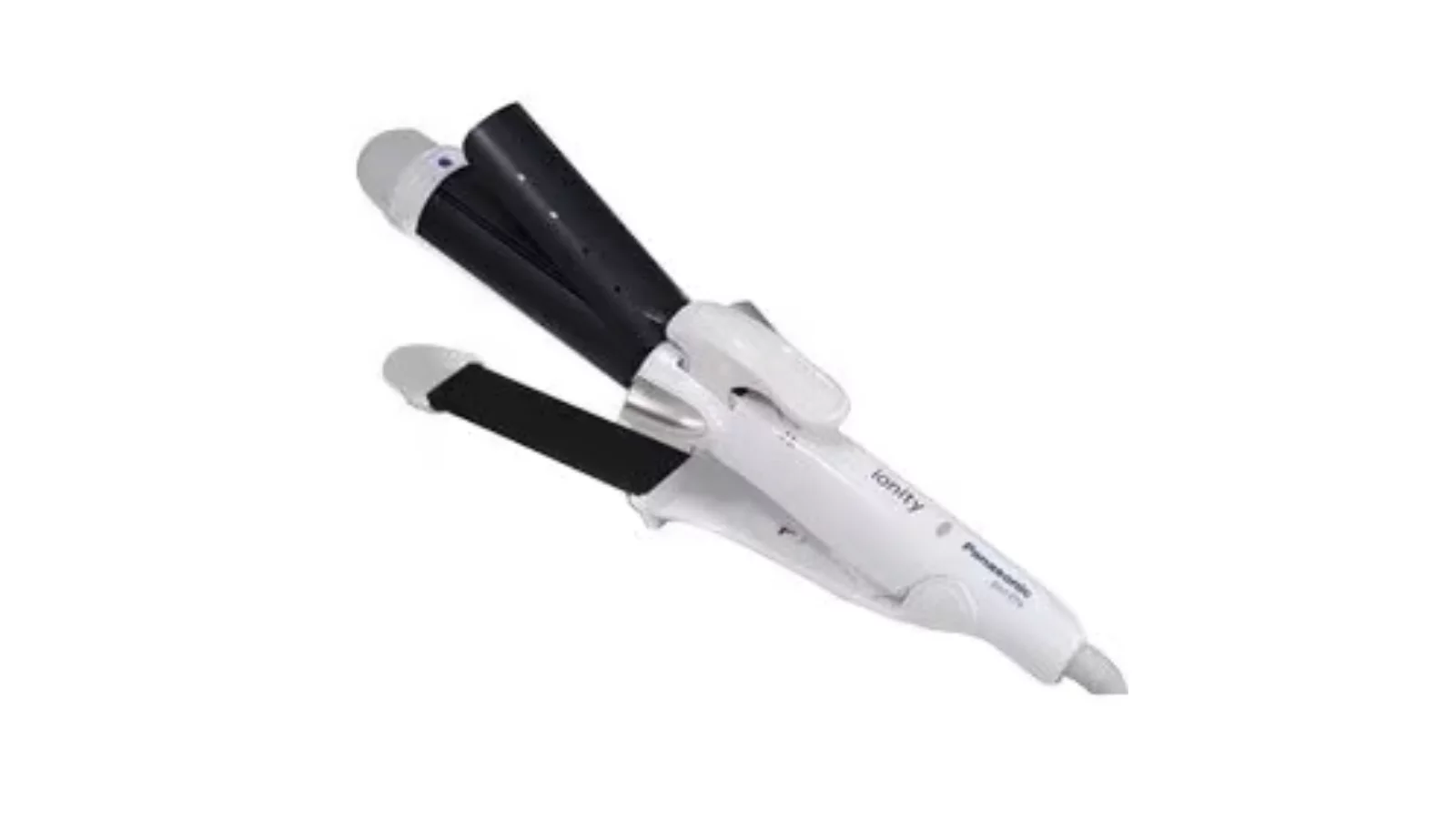
Le PPA offre une résistance élevée à la chaleur et une grande rigidité, ce qui en fait un matériau idéal pour les applications automobiles et électriques qui exigent une grande durabilité à haute température.
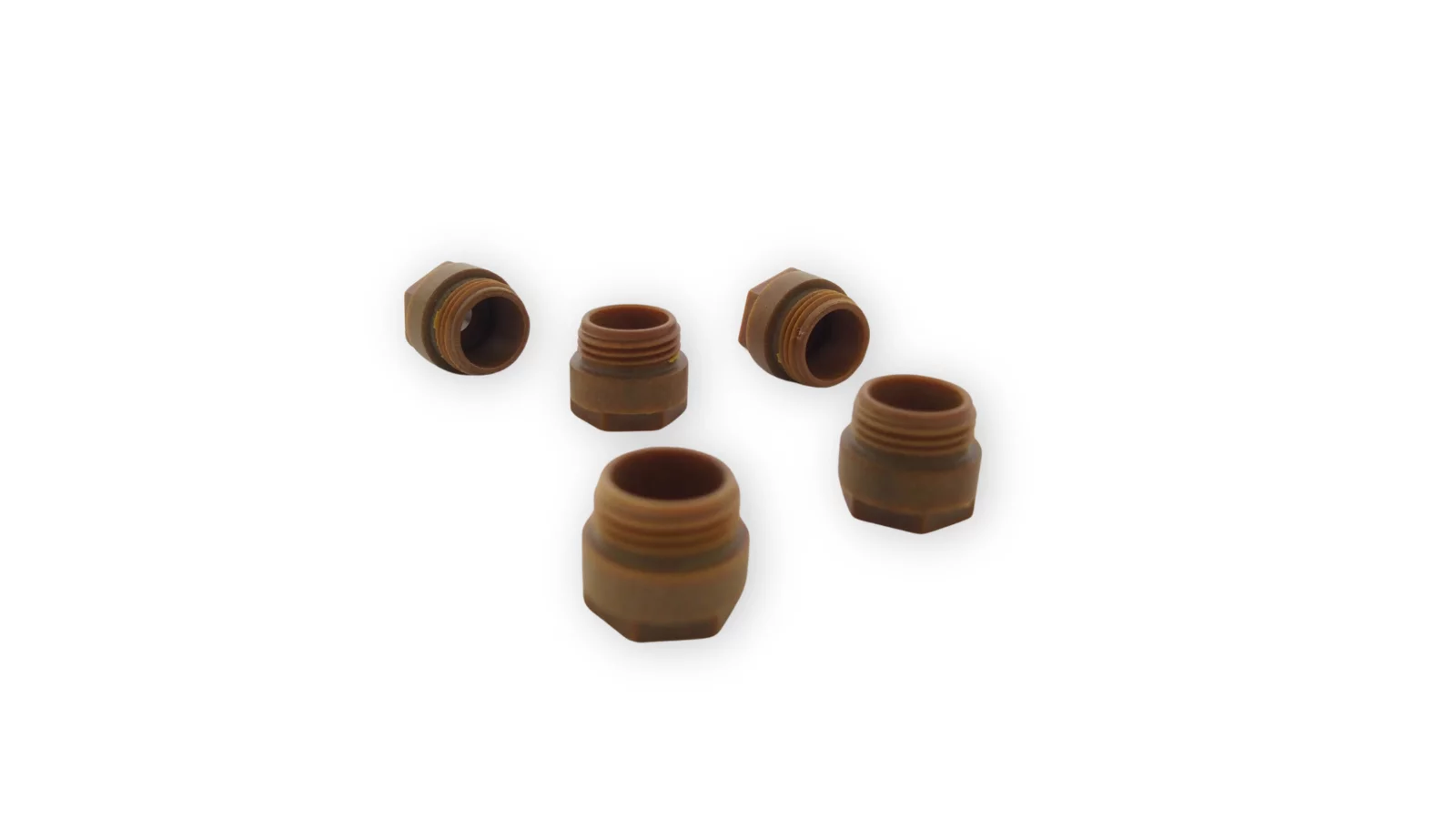
Le PAI présente une stabilité thermique et chimique exceptionnelle ; il est utilisé dans la fabrication de pièces haute performance dans les secteurs aérospatial et automobile.
PAI Brown
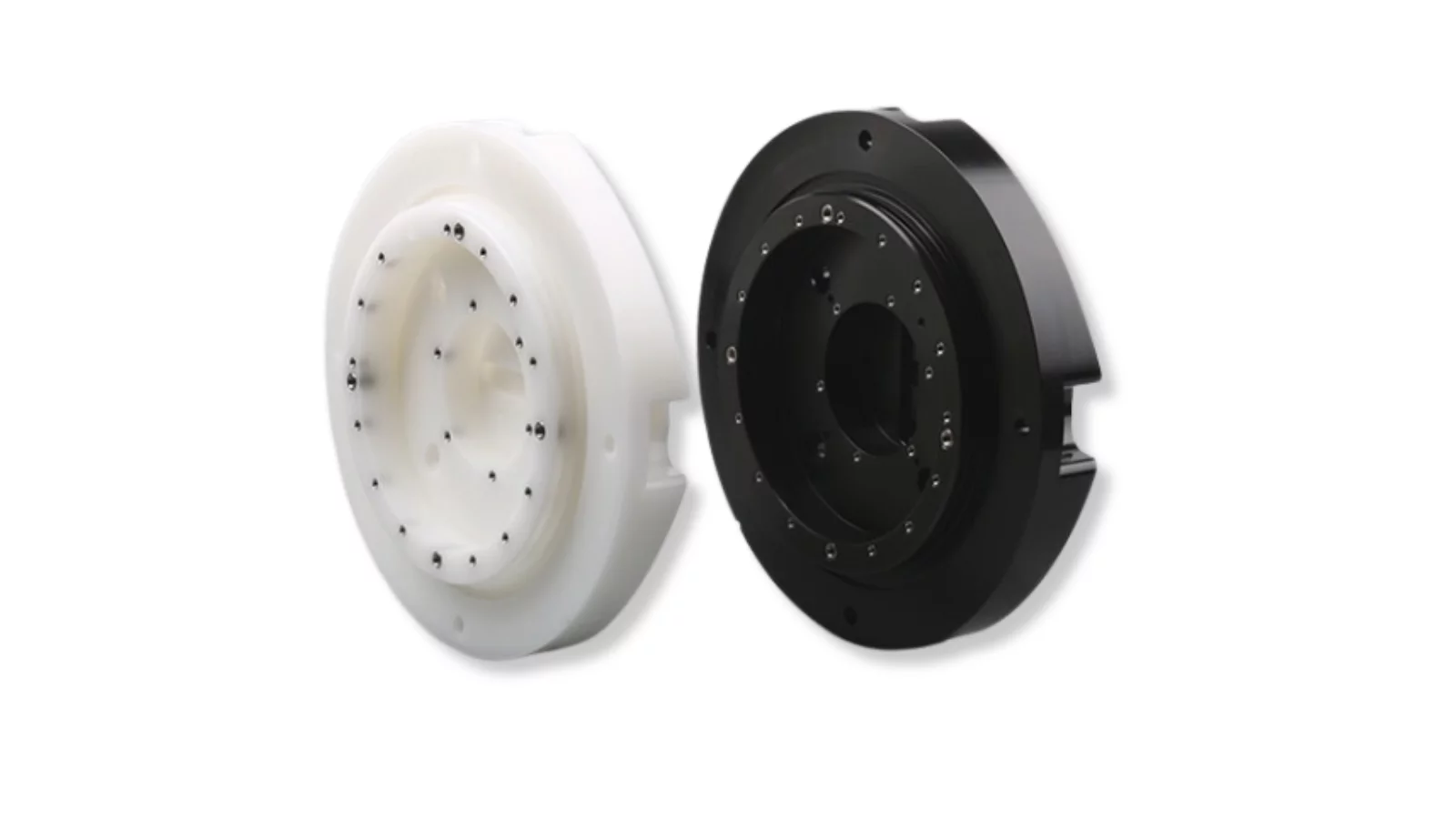
Le PET est solide, résistant à l'humidité et aux produits chimiques, et largement utilisé dans la fabrication de récipients alimentaires et de fibres textiles.
PET noir
PET blanc
PET+GF30 Noir
PET+GF30 Blanc

Le PPS présente une résistance exceptionnelle aux produits chimiques et à la chaleur, ce qui le rend adapté aux composants automobiles et aérospatiaux.
PPS Noir
PPS Blanc
PPS+GF30 Noir
PPS+GF30 Blanc
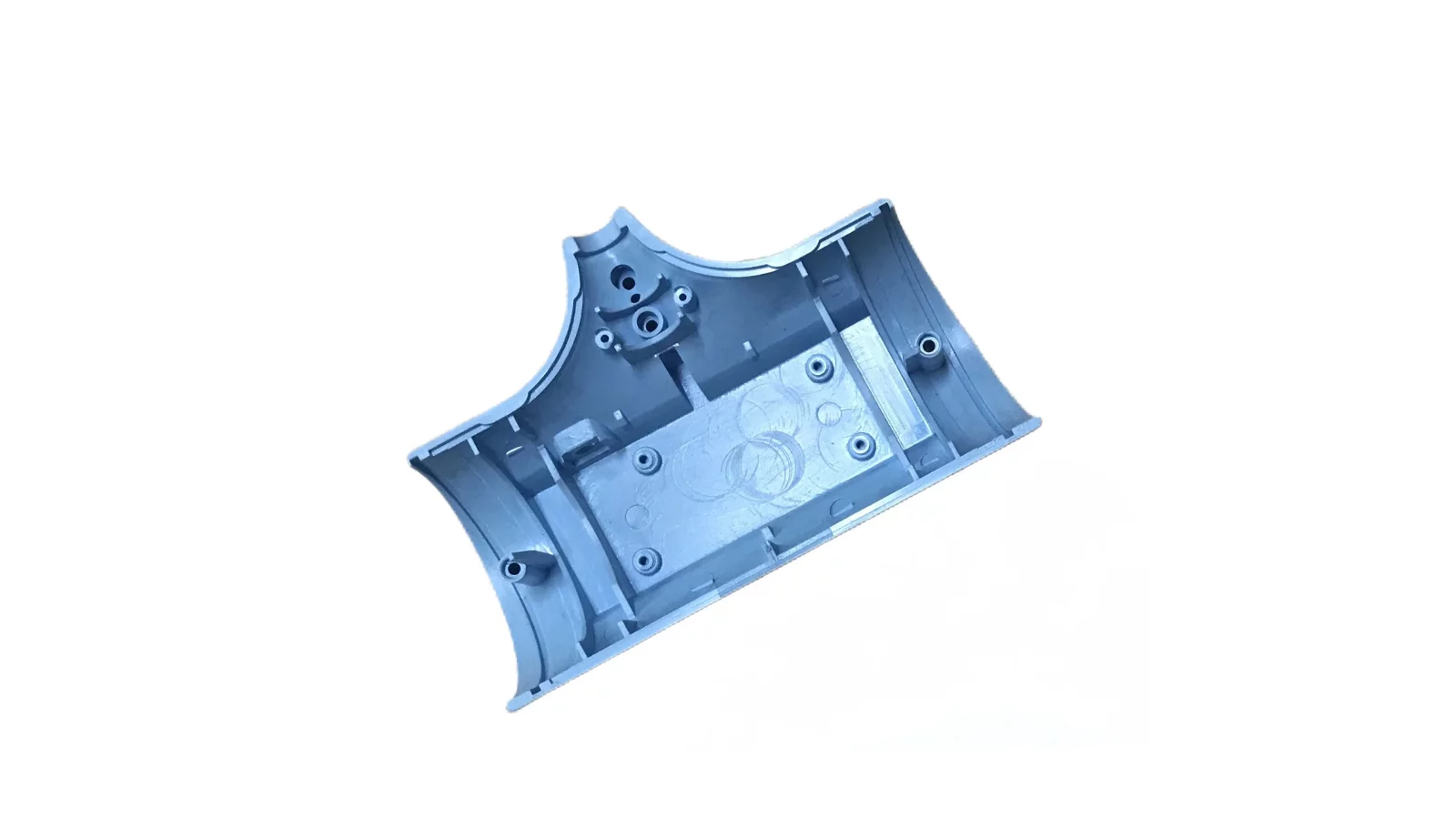
Le polystyrène est un matériau léger et facile à usiner, utilisé pour la fabrication de maquettes, de prototypes et d'applications ne nécessitant pas une grande résistance.
PS Transparent
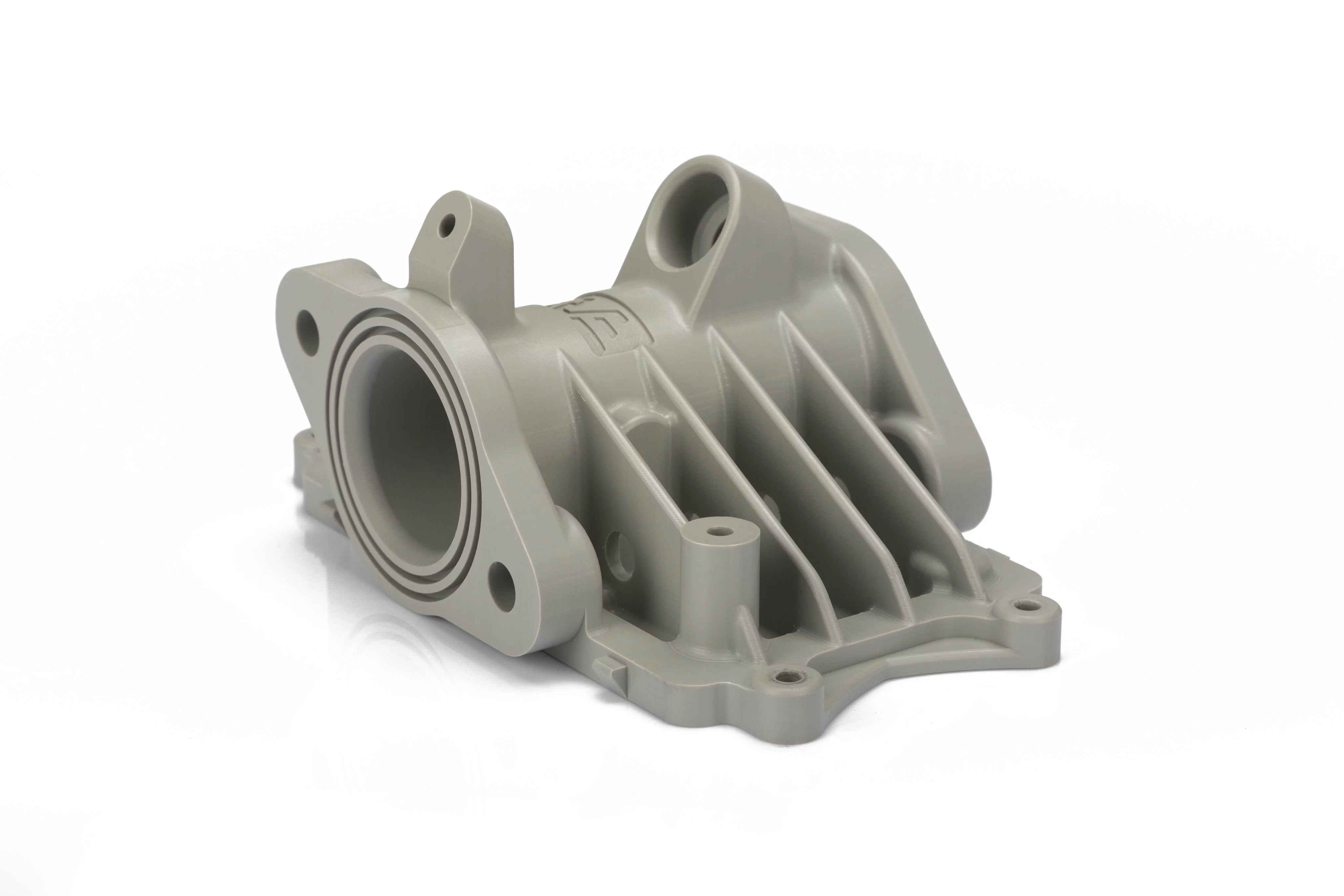
Le PVC est un matériau robuste, peu coûteux et doté d'une bonne résistance chimique ; il est utilisé dans la plomberie, les dispositifs médicaux et les câbles.
PVC gris

Le PTFE est réputé pour son excellente résistance chimique et son faible coefficient de frottement, ce qui en fait un matériau idéal pour les revêtements antiadhésifs et les joints d'étanchéité.
Téflon (PTFE) noir
Téflon (PTFE) blanc

L’UPE présente des chaînes extrêmement longues, ce qui en fait un matériau très résistant, idéal pour les applications soumises à une forte abrasion, comme le revêtement des goulottes.
UPE Noir
UPE Blanc

La bakélite est résistante à la chaleur et ne conduit pas l'électricité, ce qui en fait un matériau idéal pour les isolants électriques et les boîtiers de radios et de téléphones.
Bakélite noire
Bakélite orange

Le FR-4 est un matériau ignifuge, principalement utilisé dans l'industrie électronique pour la fabrication de circuits imprimés et d'isolants.
FR-4 Vert aquatique
FR-4 Jaune
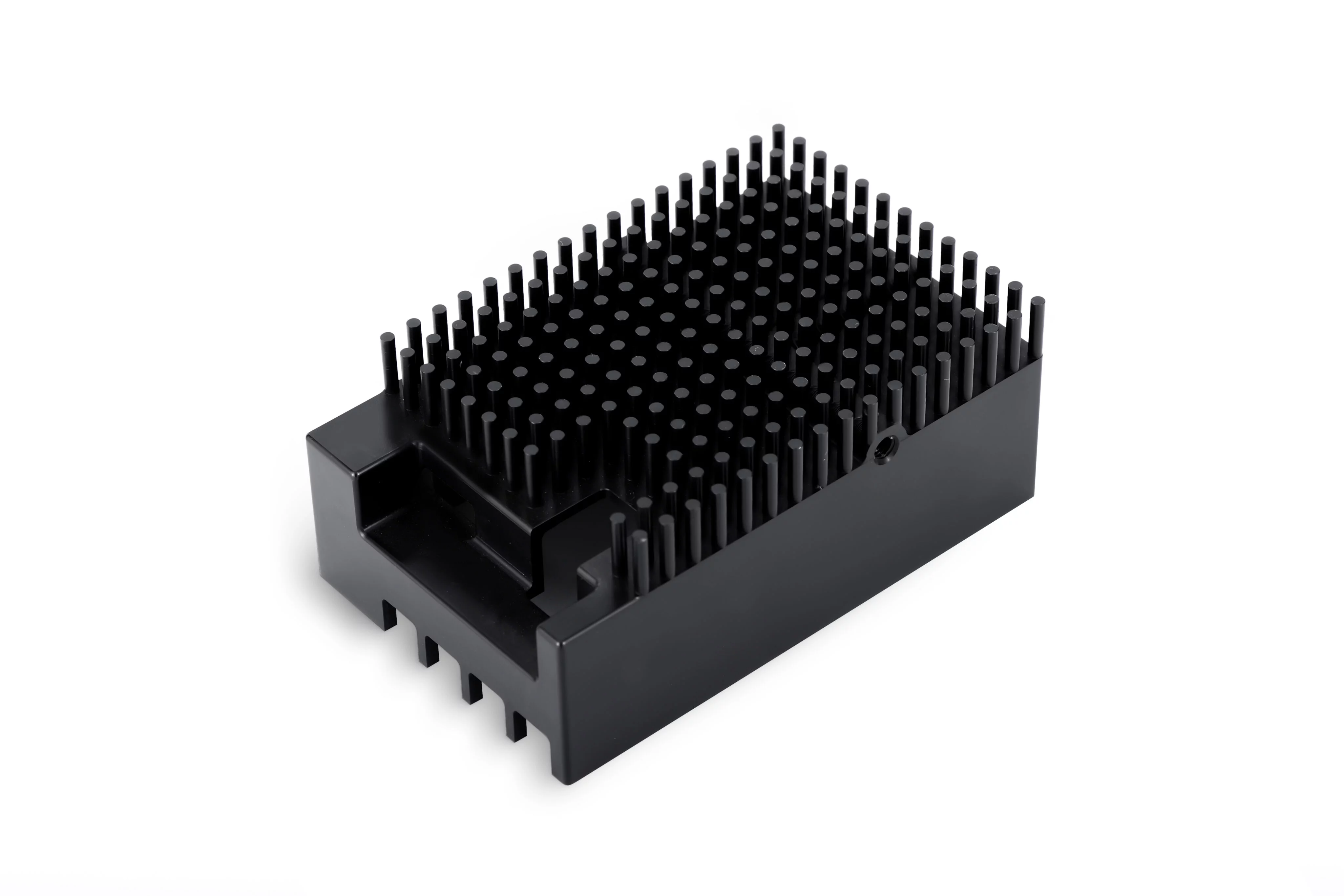
L'aluminium est à la fois léger et résistant, et présente une excellente usinabilité ainsi qu'une excellente résistance à la corrosion. Il est idéal pour la fabrication de pièces destinées à l'aérospatiale et à l'automobile.
Alliages
Aluminium 6061, 6061-T6
Aluminium 2024
Aluminium 5052
Aluminium 5083
Aluminium 6063
Aluminium 6082
Aluminium 7075, 7075-T6
Aluminium ADC12 (A380)

Le cuivre est réputé pour sa conductivité électrique et ses propriétés thermiques exceptionnelles, ce qui en fait un matériau idéal pour les composants électriques et les échangeurs de chaleur.
Alliages
Cuivre C101(T2)
Cuivre C103(T1)
Cuivre C103(TU2)
Cuivre C110 (TU0)
Cuivre au béryllium

Le laiton est un matériau résistant qui présente un faible coefficient de frottement, ce qui le rend idéal pour la fabrication de raccords, d'outils et d'instruments de musique nécessitant une grande précision.
Alliages
Laiton C27400
Laiton C28000
Laiton C36000

Le bronze est très résistant à la corrosion et à la fatigue métallique ; il est donc très apprécié pour la fabrication de roulements, de bagues et d'équipements nautiques.
Alliages
Bronze à l'étain
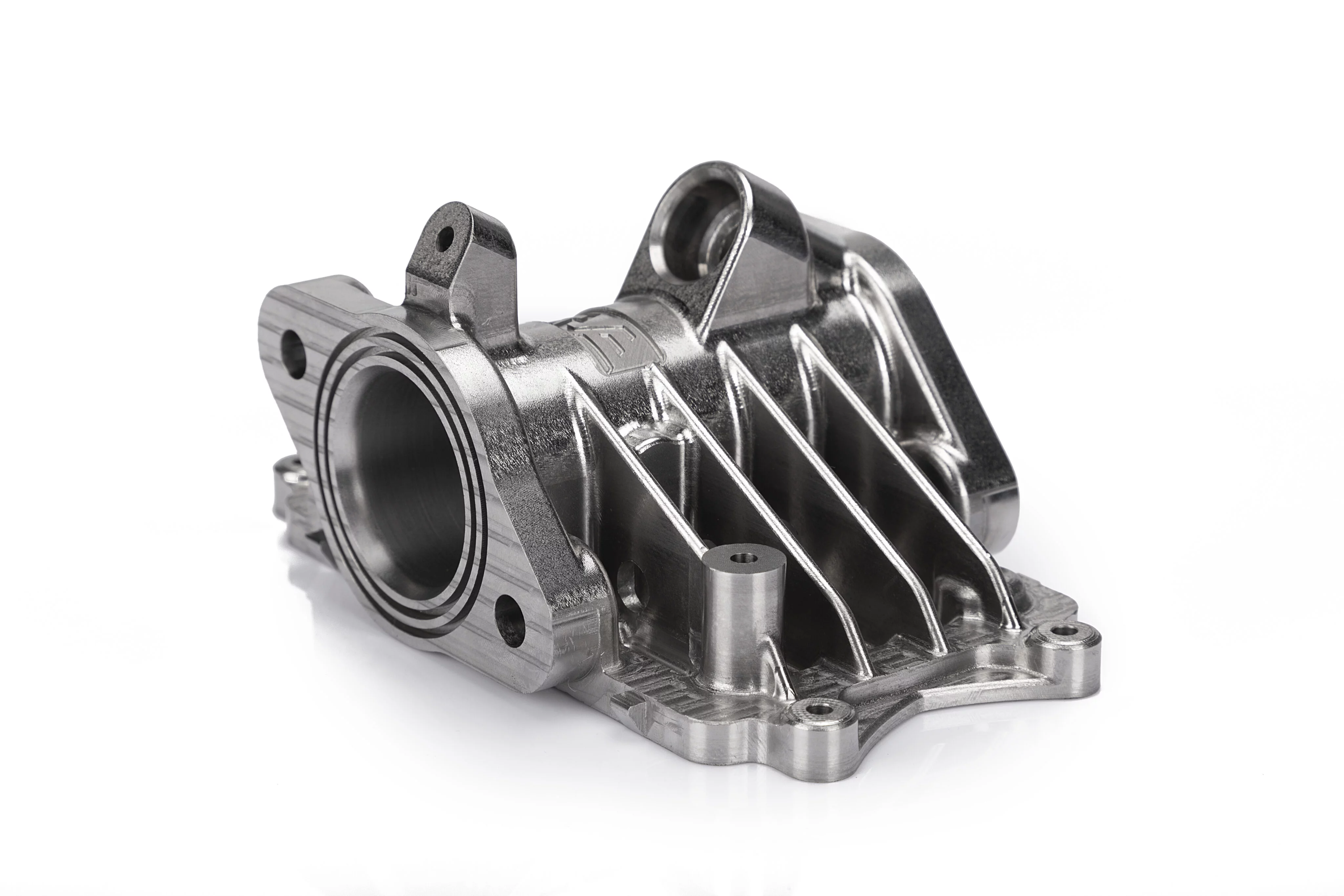
L'acier est un alliage caractérisé par une résistance à la traction et une durabilité élevées, couramment utilisé dans les secteurs du bâtiment et de l'automobile en raison de sa robustesse.
Alliages
Aciers 1018, 1020, 1025, 1045, 1215, 4130, 4140, 4340, 5140, A36
Acier à matrices
Acier allié
Acier à outils pour ciseaux
Acier à ressort
Acier rapide
Acier laminé à froid
Acier à roulement
SPCC

L'acier inoxydable est réputé pour sa résistance à la corrosion, ce qui en fait un choix de premier ordre pour les dispositifs médicaux et les équipements destinés à l'industrie agroalimentaire.
Alliages
Acier inoxydable SUS201
Acier inoxydable SUS303
Acier inoxydable SUS 304
Acier inoxydable SUS316
Acier inoxydable SUS316L
Acier inoxydable SUS420
Acier inoxydable SUS430
Acier inoxydable SUS431
Acier inoxydable SUS440C
Acier inoxydable SUS630/17-4PH
Acier inoxydable AISI 304
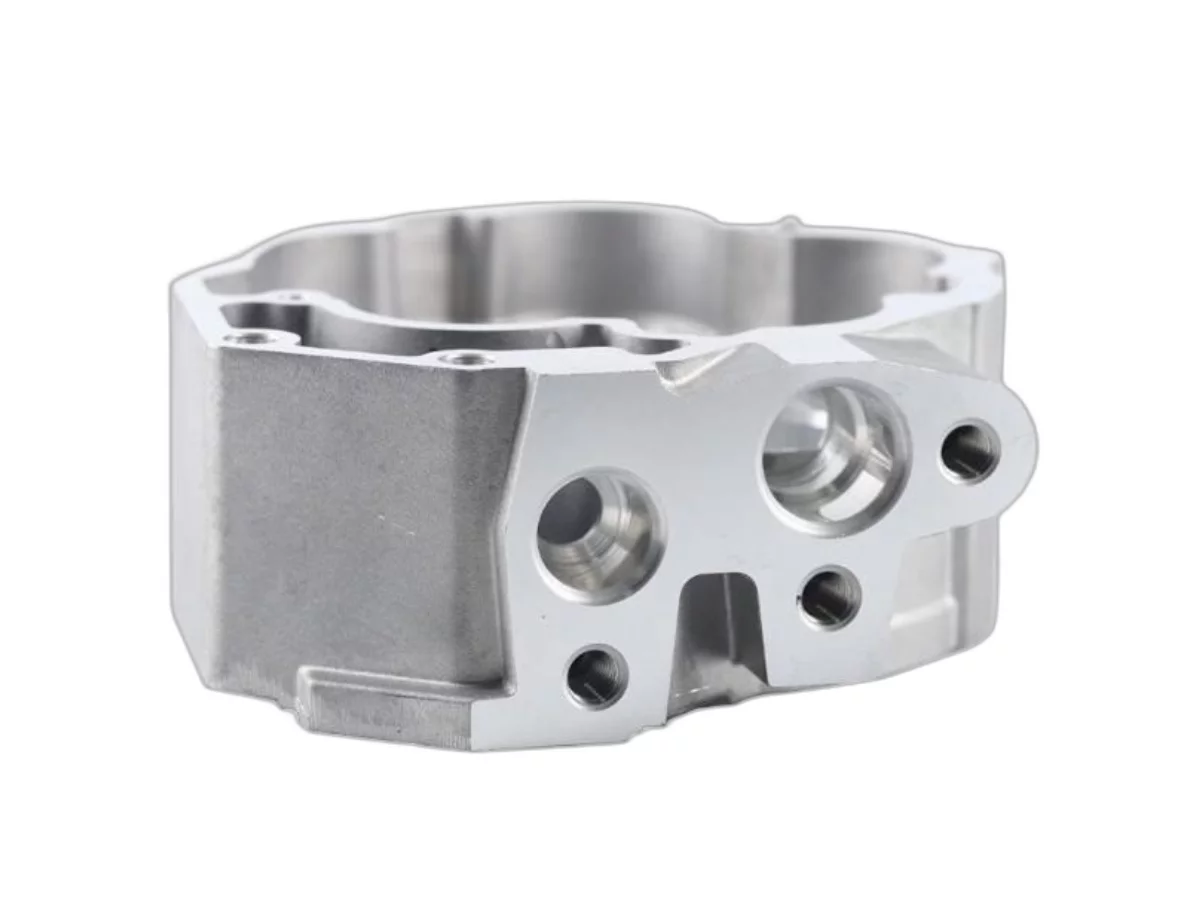
Le magnésium est le métal de structure le plus léger ; il offre un excellent rapport résistance/poids, ce qui en fait un matériau idéal pour les applications automobiles et aérospatiales où le poids est un facteur déterminant.
Alliages
Alliage de magnésium AZ31B
Alliage de magnésium AZ91D
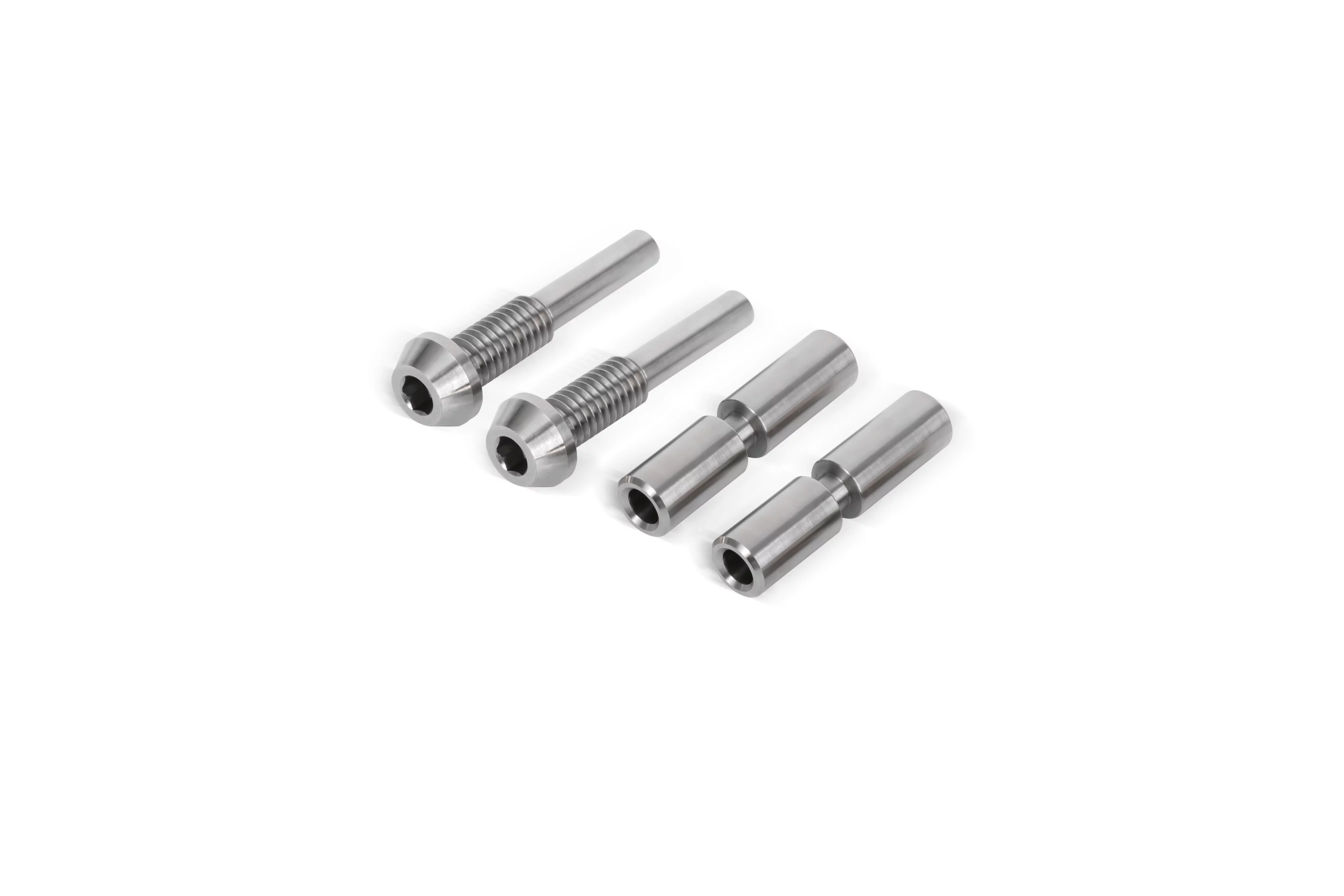
Le titane présente le meilleur rapport résistance/densité parmi les métaux ; il est très résistant à la corrosion et à la fatigue, ce qui en fait un matériau idéal pour les applications aérospatiales, médicales et maritimes .
Alliages
Alliage de titane TA1
Alliage de titane TA2
Alliage de titane TC4/Ti-6Al-4V
L'ABS est un matériau solide et durable qui offre une bonne résistance à la chaleur et aux chocs. Il est privilégié pour la fabrication de composants automobiles et de biens de consommation.
ABS beige (naturel)
ABS noir
ABS noir antistatique
ABS blanc laiteux
ABS + PC noir
ABS+PC blanc
Le polycarbonate est extrêmement durable et présente une grande résistance aux chocs, ainsi qu’une excellente transparence ; il est utilisé pour la fabrication de vitres pare-balles et d’équipements de protection.
PC Noir
PC transparent
PC Blanc
PC Blanc jaunâtre
PC+GF30 Noir

Le PMMA, ou acrylique, est réputé pour sa transparence cristalline et sa résistance aux intempéries, ce qui en fait un matériau idéal pour les installations extérieures et les vitrines.
PMMA noir
PMMA transparent
PMMA blanc
Le POM est un matériau résistant, doté d'une surface à faible coefficient de frottement et d'une bonne stabilité dimensionnelle, ce qui en fait un matériau idéal pour les pièces de précision destinées à des applications mécaniques.
Marron foncé (café) POM 100AF
POM noir
POM Bleu
POM blanc
Le nylon est polyvalent, résistant et offre une bonne résistance à l'usure due au frottement ; il est couramment utilisé pour la fabrication d'engrenages, de roulements et d'autres surfaces résistantes à l'usure.
PA (nylon) bleu
PA6 (nylon) + GF15 noir
PA6 (nylon) + GF30 noir
PA66 (nylon) Beige (naturel)
PA66 (nylon) noir
Le polyéthylène est un matériau léger et très résistant aux chocs, largement utilisé dans le domaine de l'emballage et des conteneurs.
PE Noir
PE Blanc
Le PEEK est réputé pour sa résistance aux hautes températures et sa solidité ; il est souvent utilisé dans l'aérospatiale et la fabrication d'implants médicaux.
PEEK Beige (naturel)
PEEK noir
Le polypropylène est un matériau robuste, doté d'une excellente résistance chimique, et utilisé pour la fabrication de pièces automobiles, de récipients et d'emballages.
PP Noir
PP Blanc
PP+GF30 Noir
Le PEHD est réputé pour son rapport résistance/densité élevé et sa résistance aux chocs ; il est utilisé dans la fabrication de bouteilles et de canalisations résistantes à la corrosion.
PEHD noir
PEHD blanc
Le HIPS est facile à usiner et offre une bonne stabilité dimensionnelle ainsi qu'une bonne résistance aux chocs, ce qui le rend adapté au prototypage et à la modélisation.
Tableau blanc HIPS
Le LDPE est souple et flexible ; il est utilisé dans des applications nécessitant un thermoscellage, comme les tubes et les sacs en plastique.
LDPE blanc
Le PBT est un plastique solide et rigide, résistant à la chaleur, couramment utilisé dans la fabrication de composants électriques et de boîtiers.
PBT Noir
PBT Blanc laiteux (Naturel)
Le PPA offre une résistance élevée à la chaleur et une grande rigidité, ce qui en fait un matériau idéal pour les applications automobiles et électriques qui exigent une grande durabilité à haute température.

Le PAI présente une stabilité thermique et chimique exceptionnelle ; il est utilisé dans la fabrication de pièces haute performance dans les secteurs aérospatial et automobile.
PAI Brown
Le PET est solide, résistant à l'humidité et aux produits chimiques, et largement utilisé dans la fabrication de récipients alimentaires et de fibres textiles.
PET noir
PET blanc
PET+GF30 Noir
PET+GF30 Blanc
Le PPS présente une résistance exceptionnelle aux produits chimiques et à la chaleur, ce qui le rend adapté aux composants automobiles et aérospatiaux.
PPS Noir
PPS Blanc
PPS+GF30 Noir
PPS+GF30 Blanc
Le polystyrène est un matériau léger et facile à usiner, utilisé pour la fabrication de maquettes, de prototypes et d'applications ne nécessitant pas une grande résistance.
PS Transparent
Le PVC est un matériau robuste, peu coûteux et doté d'une bonne résistance chimique ; il est utilisé dans la plomberie, les dispositifs médicaux et les câbles.
PVC gris
Le PTFE est réputé pour son excellente résistance chimique et son faible coefficient de frottement, ce qui en fait un matériau idéal pour les revêtements antiadhésifs et les joints d'étanchéité.
Téflon (PTFE) noir
Téflon (PTFE) blanc
L’UPE présente des chaînes extrêmement longues, ce qui en fait un matériau très résistant, idéal pour les applications soumises à une forte abrasion, comme le revêtement des goulottes.
UPE Noir
UPE Blanc
La bakélite est résistante à la chaleur et ne conduit pas l'électricité, ce qui en fait un matériau idéal pour les isolants électriques et les boîtiers de radios et de téléphones.
Bakélite noire
Bakélite orange
Le FR-4 est un matériau ignifuge, principalement utilisé dans l'industrie électronique pour la fabrication de circuits imprimés et d'isolants.
FR-4 Vert aquatique
FR-4 Jaune
L'aluminium est à la fois léger et résistant, et présente une excellente usinabilité ainsi qu'une excellente résistance à la corrosion. Il est idéal pour la fabrication de pièces destinées à l'aérospatiale et à l'automobile.
Alliages
Aluminium 6061, 6061-T6
Aluminium 2024
Aluminium 5052
Aluminium 5083
Aluminium 6063
Aluminium 6082
Aluminium 7075, 7075-T6
Aluminium ADC12 (A380)
Le cuivre est réputé pour sa conductivité électrique et ses propriétés thermiques exceptionnelles, ce qui en fait un matériau idéal pour les composants électriques et les échangeurs de chaleur.
Alliages
Cuivre C101(T2)
Cuivre C103(T1)
Cuivre C103(TU2)
Cuivre C110 (TU0)
Cuivre au béryllium
Le laiton est un matériau résistant qui présente un faible coefficient de frottement, ce qui le rend idéal pour la fabrication de raccords, d'outils et d'instruments de musique nécessitant une grande précision.
Alliages
Laiton C27400
Laiton C28000
Laiton C36000
Le bronze est très résistant à la corrosion et à la fatigue métallique ; il est donc très apprécié pour la fabrication de roulements, de bagues et d'équipements nautiques.
Alliages
Bronze à l'étain
L'acier est un alliage caractérisé par une résistance à la traction et une durabilité élevées, couramment utilisé dans les secteurs du bâtiment et de l'automobile en raison de sa robustesse.
Alliages
Aciers 1018, 1020, 1025, 1045, 1215, 4130, 4140, 4340, 5140, A36
Acier à matrices
Acier allié
Acier à outils pour ciseaux
Acier à ressort
Acier rapide
Acier laminé à froid
Acier à roulement
SPCC
L'acier inoxydable est réputé pour sa résistance à la corrosion, ce qui en fait un choix de premier ordre pour les dispositifs médicaux et les équipements destinés à l'industrie agroalimentaire.
Alliages
Acier inoxydable SUS201
Acier inoxydable SUS303
Acier inoxydable SUS 304
Acier inoxydable SUS316
Acier inoxydable SUS316L
Acier inoxydable SUS420
Acier inoxydable SUS430
Acier inoxydable SUS431
Acier inoxydable SUS440C
Acier inoxydable SUS630/17-4PH
Acier inoxydable AISI 304
Le magnésium est le métal de structure le plus léger ; il offre un excellent rapport résistance/poids, ce qui en fait un matériau idéal pour les applications automobiles et aérospatiales où le poids est un facteur déterminant.
Alliages
Alliage de magnésium AZ31B
Alliage de magnésium AZ91D
Le titane présente le meilleur rapport résistance/densité parmi les métaux ; il est très résistant à la corrosion et à la fatigue, ce qui en fait un matériau idéal pour les applications aérospatiales, médicales et maritimes .
Alliages
Alliage de titane TA1
Alliage de titane TA2
Alliage de titane TC4/Ti-6Al-4V
Accédez à des services de qualité finition de surface pour des pièces usinées sur mesure par CNC afin d'éliminer les défauts esthétiques et d'améliorer l'aspect de vos produits. Nous apportons également une protection rigide ainsi qu'une résistance et une solidité accrues à vos pièces grâce à des finitions de surface de qualité supérieure.







Les tolérances de fraisage CNC déterminent le degré de précision avec lequel les dimensions des pièces sont
contrôlées pendant l'usinage.
Nos services de fraisage CNC de précision
sont conformes à la norme ISO 2768-m pour les métaux et à la norme ISO 2768-c pour les plastiques, garantissant une précision dimensionnelle stable et reproductible
pour le fraisage CNC à 3, 4 et 5 axes.
| 3 axes | 4 axes | 5 axes | |
|---|---|---|---|
| Taille maximale des pièces | 3 axes 1 000 × 500 × 500 mm | 4 axes 1 000 × 500 × 500 mm | 5 axes 4 000 × 1 500 × 600 mm |
| Taille minimale de la pièce | 3 axes 5 × 5 × 5 mm | 4 axes 5 × 5 × 5 mm | 5 axes 5 × 5 × 5 mm |
| Tolérances générales | 3 axes ±0,1 mm | 4 axes ±0,1 mm | 5 axes ±0,05 mm |
| Délai de livraison | 3 axes La livraison de pièces simples peut être effectuée en seulement 1 jour. | 4 axes 5 jours ouvrés pour la plupart des projets. | 5 axes 5 jours ouvrés pour la plupart des projets. |
| Taille recommandée | |
|---|---|
| Rayons | Recommandé Taille Les rayons intérieurs doivent être d'au moins 1/3 de la profondeur de la cavité. Utilisez des rayons plus grands dans la mesure du possible. |
| Filetages et trous taraudés | Recommandé
Taille Diamètre Φ 1,5 à 5 mm,
profondeur : 3 fois le diamètre. Diamètre Φ 5 mm ou plus, profondeur : 4 à 6 fois le diamètre. YP-MFG est en mesure de produire des filetages de toutes spécifications et de toutes tailles, selon les besoins du client. |
| Épaisseur minimale de la paroi | Recommandé Taille Pour les métaux : 0,8 mm ; Pour les plastiques : 1,5 mm. Des parois plus épaisses garantissent une meilleure intégrité structurelle. |
| Texte | Recommandé
Taille Fraisage CNC : largeur minimale
de 0,5 mm et profondeur minimale de 0,1 mm. YP-MFG peut réaliser des inscriptions standard par gravure CNC ou gravure laser, selon les exigences du client. |
| Trous | Recommandé Taille Diamètre minimal de 1 mm. Pour obtenir les meilleurs résultats, la profondeur du trou ne doit pas dépasser 4 fois son diamètre. |
Upload your CAD files and request a CNC milling quote, lead time estimate, and avis gratuits sur la faisabilité de la fabrication par notre équipe d'ingénieurs. Nous identifierons les éventuels problèmes d'usinage avant le lancement de la production afin de vous aider à réduire vos coûts et à améliorer la qualité des pièces.
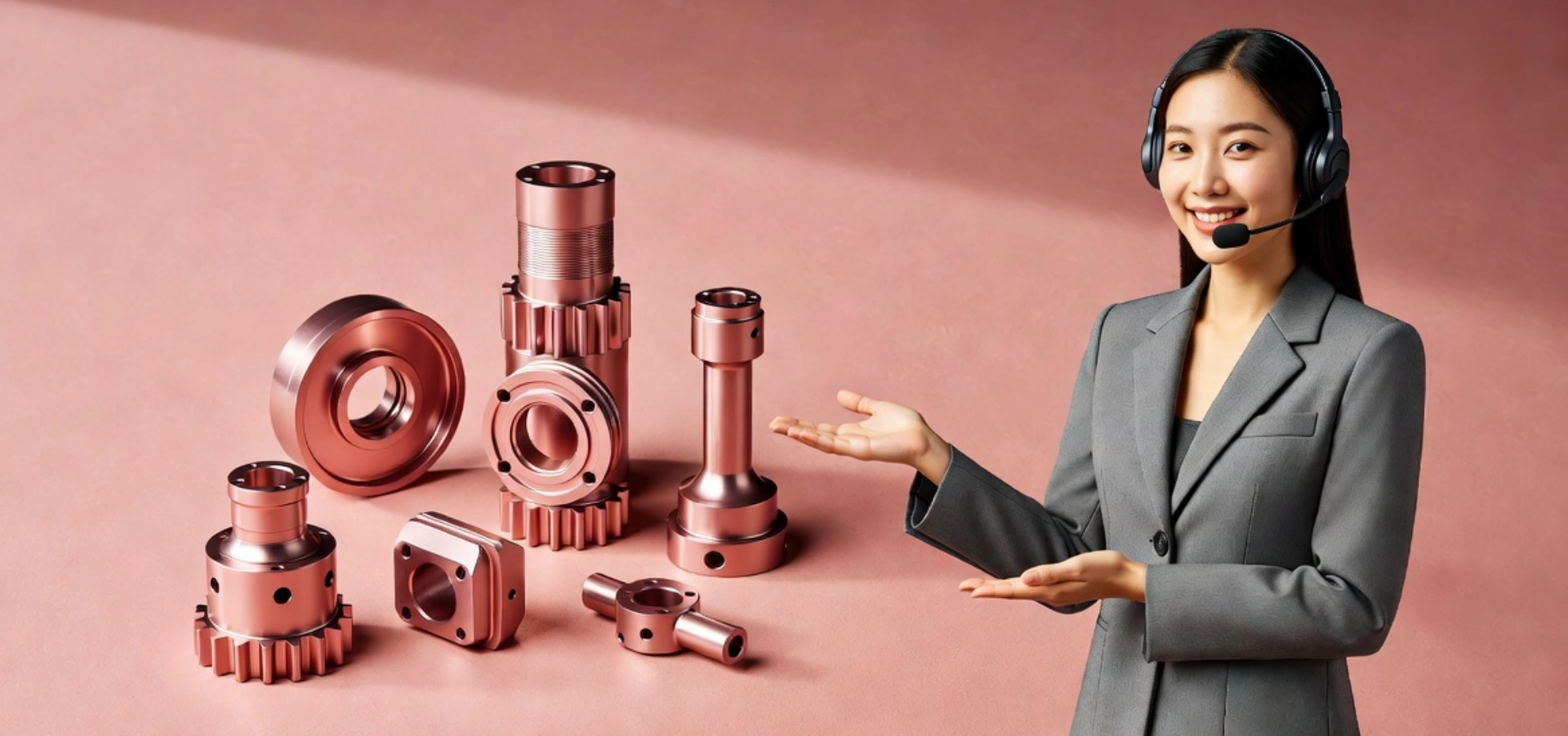
Nos services de fraisage CNC de précision offrent des tolérances aussi strictes que
±0,01 mm.
Nos
fraiseuses CNC de pointe garantissent une précision constante pour la fabrication de pièces sur mesure en métal et en plastique
.
En tant que prestataire de services de fraisage CNC en direct d'usine, nous réduisons les
délais de livraison sans compromettre la qualité.
Les pièces simples usinées par CNC peuvent être livrées en seulement 1 jour.
En tant qu'entreprise spécialisée dans le fraisage CNC, nos ingénieurs fournissent des conseils en matière de conception pour la fabrication (DFM) et des recommandations d'usinage afin d'optimiser les conceptions pour les services de fraisage CNC sur mesure, ce qui contribue à réduire les coûts et à améliorer la fabricabilité.
Le fraisage CNC utilise des outils de coupe rotatifs commandés par ordinateur pour enlever de la matière d'une pièce fixe. En déplaçant l'outil de coupe ou la pièce à usiner selon plusieurs axes, le fraisage CNC permet d'obtenir des surfaces planes, des poches, des rainures, des alésages, des contours et des géométries 3D complexes avec une grande précision. Il est largement utilisé pour la fabrication de prototypes, de composants fonctionnels, de moules, de gabarits et de pièces de série dans divers secteurs industriels.
| Étape | Que se passe-t-il ? |
|---|---|
| 1 |
Revue CAO |
| 2 | Machine
Configuration La pièce est solidement fixée sur la table de la machine, les outils de coupe sont installés, et le programme CNC est chargé et vérifié. |
| 3 | Fraisage
et contrôle qualité Les outils de coupe rotatifs enlèvent de la matière en suivant les parcours d'outils programmés. Les pièces finies sont contrôlées afin de vérifier leurs dimensions, leurs tolérances et la qualité de leur surface avant leur livraison. |
Le fraisage CNC offre de nombreux avantages pour la fabrication :
Le fraisage CNC est largement utilisé pour fabriquer toute une gamme de pièces et de composants de précision :
Chez YP-MFG, nous disposons d'une gamme variée de fraiseuses CNC afin de répondre à divers besoins de fabrication. Notre parc comprend des fraiseuses CNC à 3, 4 et 5 axes.
Les machines à 3 axes sont idéales pour les opérations simples et permettent d'effectuer des tâches de découpe de base le long des axes X, Y et Z.
Nos machines à 4 axes intègrent un axe de rotation supplémentaire, ce qui permet de réaliser des géométries plus complexes et d’assurer une production plus efficace de pièces présentant des caractéristiques qui nécessitent un usinage en continu autour d’un quatrième axe.
Enfin, nos fraiseuses CNC 5 axes de pointe offrent un niveau optimal de précision et de polyvalence, permettant ainsi la fabrication de pièces complexes présentant des formes et des angles variés.
Ces machines sont capables d'usiner simultanément sur cinq axes différents, ce qui réduit le nombre de réglages nécessaires et garantit une précision et une qualité exceptionnelles pour chaque pièce que nous produisons.
Nos tolérances de fraisage CNC dépendent du type de machine, du matériau et de la géométrie de la pièce.
Les tolérances standard sont les suivantes : ISO 2768-m (métaux) et ISO 2768-c (matières plastiques)
Tolérances générales courantes : ±0,1 mm
Le fraisage 5 axes de haute précision permet d'atteindre des tolérances aussi strictes que ±0,01 mm pour les fonctionnalités essentielles
Pour des tolérances plus strictes, nous vous recommandons d'indiquer vos exigences directement sur le plan afin que nos ingénieurs puissent optimiser l'outillage, le contrôle qualité et les coûts.
Fraisage à 3 axes est idéal pour les géométries simples et les éléments plats
Fraisage à 4 axes permet l'usinage sur plusieurs faces avec moins de changements de configuration
Fraisage 5 axes est particulièrement adapté aux géométries complexes, aux tolérances serrées et aux pièces nécessitant un usinage sous plusieurs angles
Le choix d'une configuration d'axes adaptée peut réduire considérablement les délais de fabrication et améliorer la précision.
Les délais de livraison dépendent de la complexité des pièces et des axes d'usinage :
Nous pouvons livrer des pièces simples à 3 axes en seulement 1 jour
La plupart des projets de fraisage CNC sont menés à bien en 5 jours ouvrables
Des options de traitement accéléré sont disponibles pour les besoins de production urgents.
Le fraisage CNC est idéal pour les géométries complexes, les rainures, les poches et les contours, tandis que le tournage CNC est particulièrement adapté aux pièces cylindriques telles que les arbres et les bagues.
Si votre pièce comporte à la fois des éléments rotatifs et prismatiques, la combinaison du fraisage et du tournage peut s’avérer la solution la plus efficace.
Fraisage CNC Il s'agit d'un procédé de fabrication par enlèvement de matière dans lequel on retire de la matière d'un bloc solide à l'aide d'outils de coupe rotatifs commandés par des programmes informatiques.
Le fraisage CNC est largement utilisé pour fabriquer des pièces de précision présentant des géométries complexes, des tolérances serrées et une qualité constante. Elle prend en charge l'usinage multiaxial (3 axes, 4 axes et 5 axes), ce qui permet d'usiner efficacement des éléments tels que des poches, des rainures, des alésages et des contours complexes.
Chez YP-MFG, le fraisage CNC est couramment utilisé pour la fabrication de prototypes fonctionnels, la production en petites séries et la fabrication de pièces destinées à un usage final dans des secteurs tels que l'automobile, l'aérospatiale et les équipements industriels.
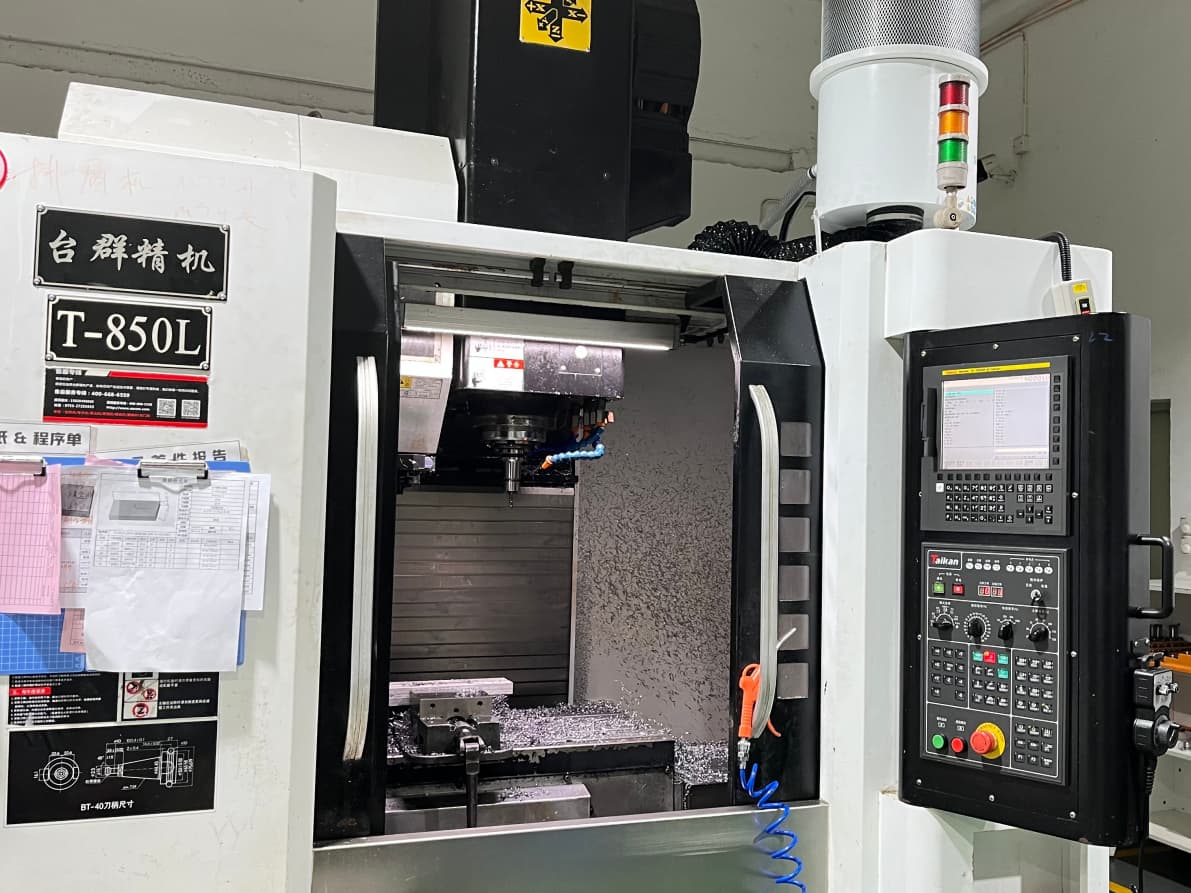
Une fraiseuse à commande numérique (CNC) se compose de plusieurs éléments clés qui fonctionnent de concert pour obtenir des résultats d’usinage précis. Le bâti de la machine assure la stabilité structurelle, tandis que la broche fait tourner les outils de coupe à grande vitesse pour enlever de la matière. La table de travail maintient solidement la pièce à usiner et se déplace le long des axes X, Y et Z. Parmi les autres composants essentiels figurent le contrôleur CNC, qui interprète les programmes d'usinage, le porte-outil, le changeur automatique d'outils (CAO), le système de refroidissement et les dispositifs de serrage. Chaque composant joue un rôle important dans le maintien de la précision d'usinage, de la qualité de surface et de l'efficacité de production.
La conception axée sur la fabricabilité (DFM) vise à créer des pièces plus faciles et plus économiques à usiner. De simples modifications de conception — telles que l’augmentation des rayons d’angle internes, l’évitement des cavités profondes, le maintien d’une épaisseur de paroi adéquate et la spécification de dimensions de perçages standard — peuvent réduire considérablement le temps d’usinage et les besoins en outillage. L'application de tolérances réalistes uniquement lorsque cela est nécessaire permet également de réduire les coûts d'inspection. L'optimisation d'une conception avant la production permet non seulement de réduire les coûts de fabrication, mais aussi d'améliorer la qualité des pièces et de raccourcir les délais de livraison.
We use necessary cookies to keep this website working. With your permission, we also use analytics cookies to understand how visitors use our site and improve your experience. You can accept all cookies, use necessary cookies only, or manage your preferences.


