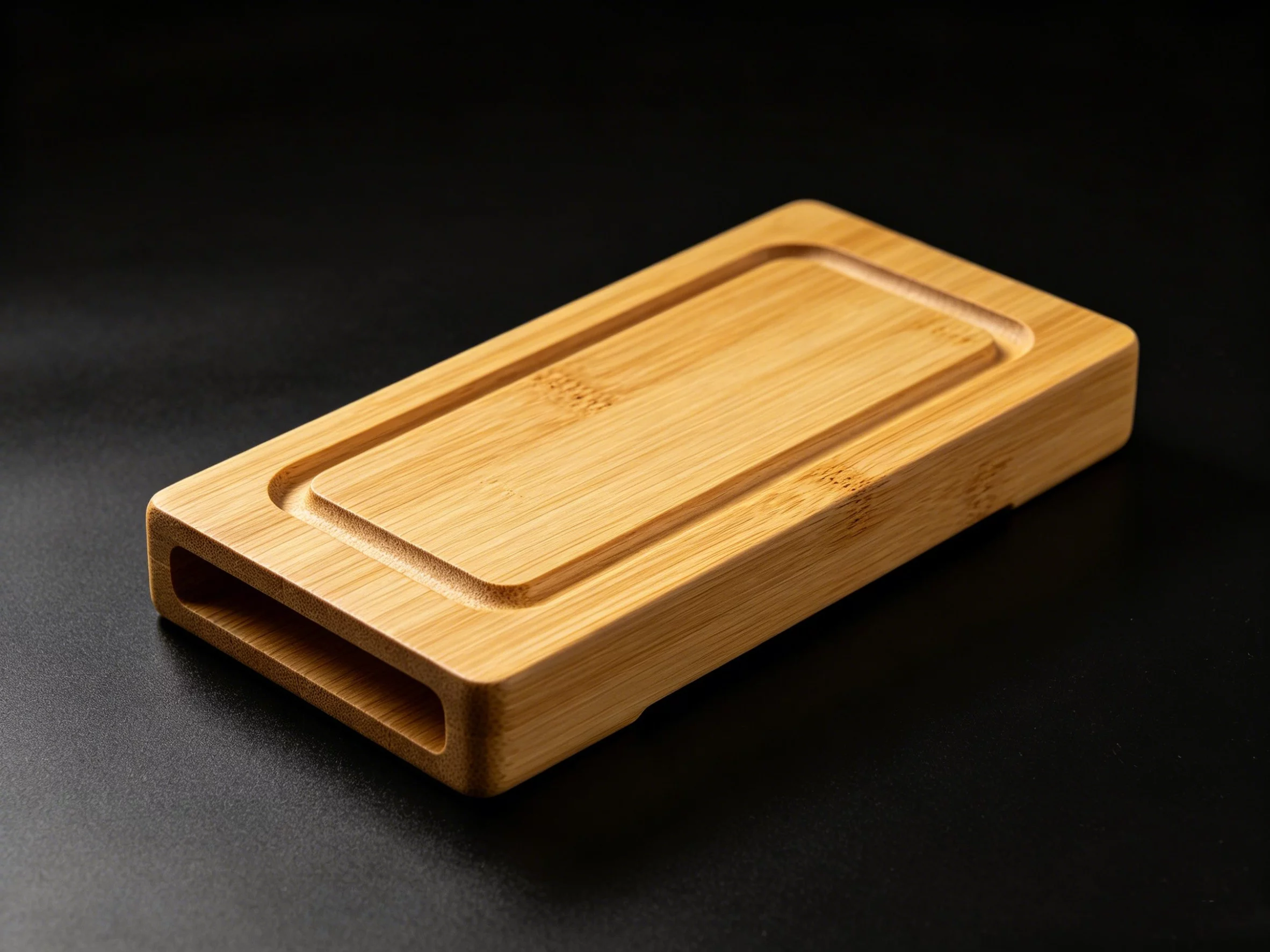
Custom CNC Routing Services

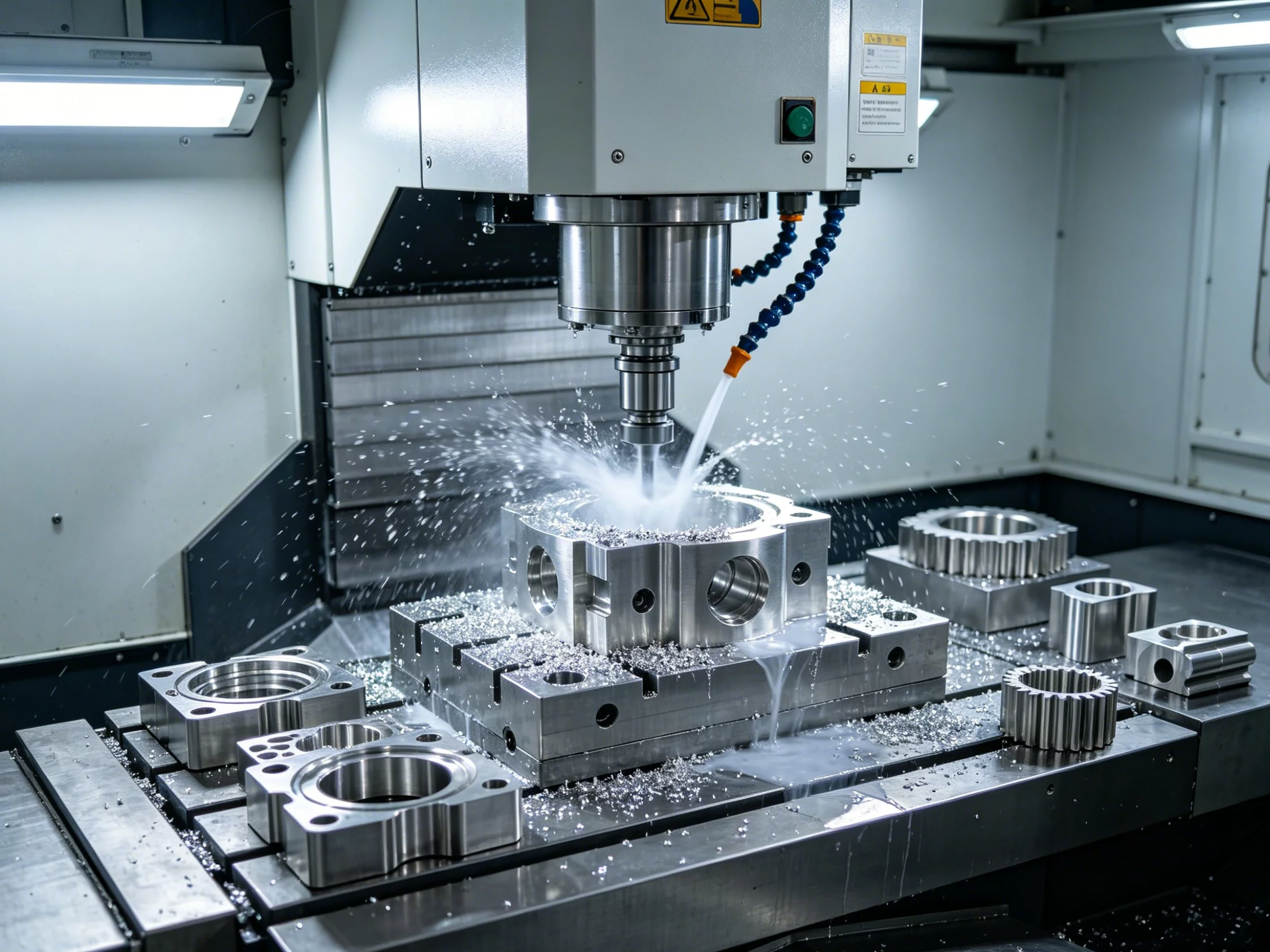
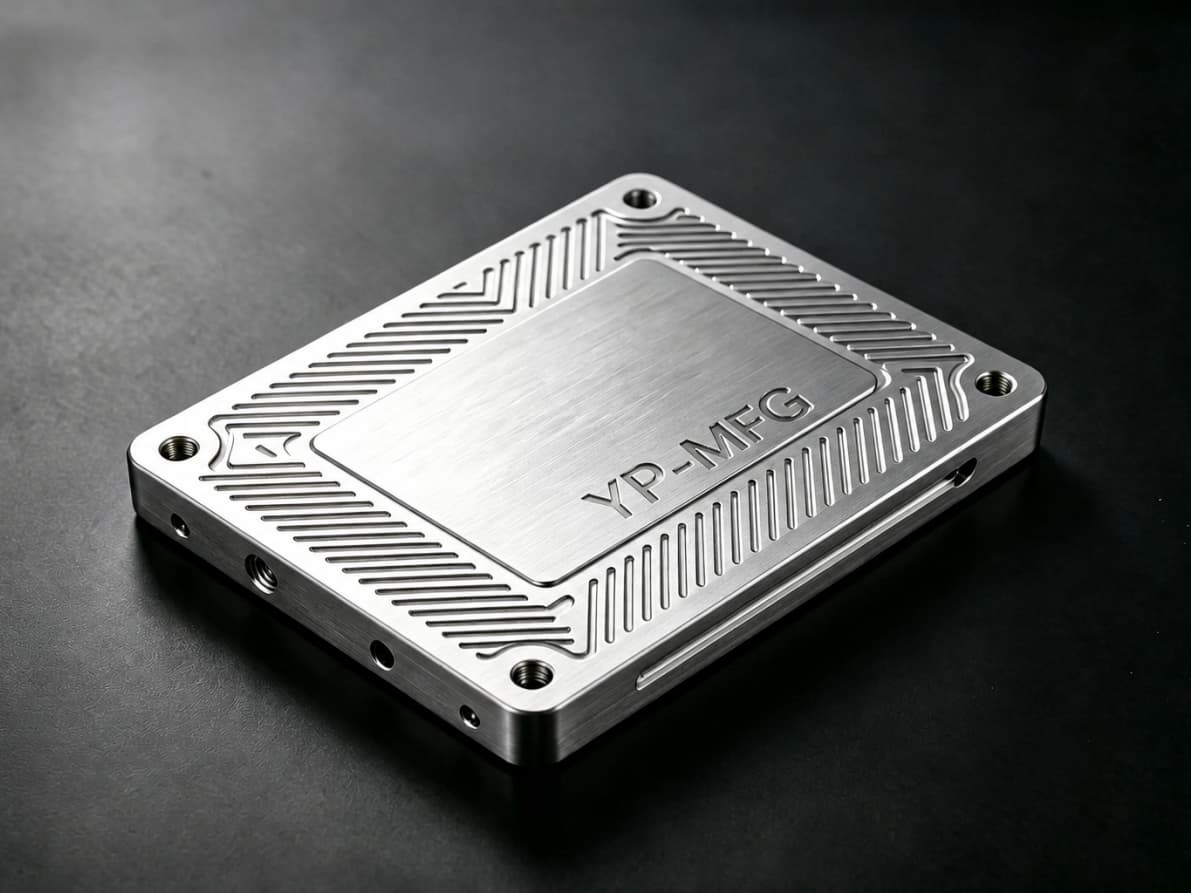
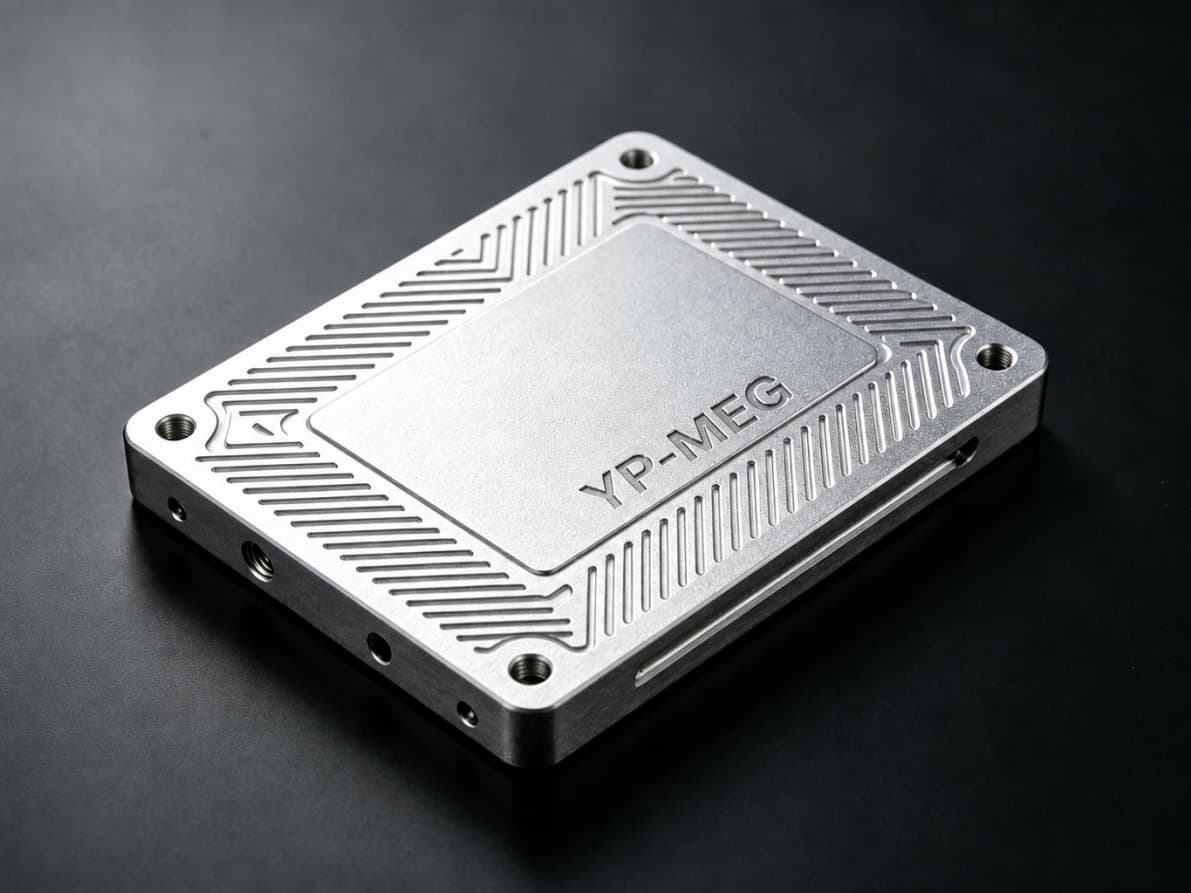
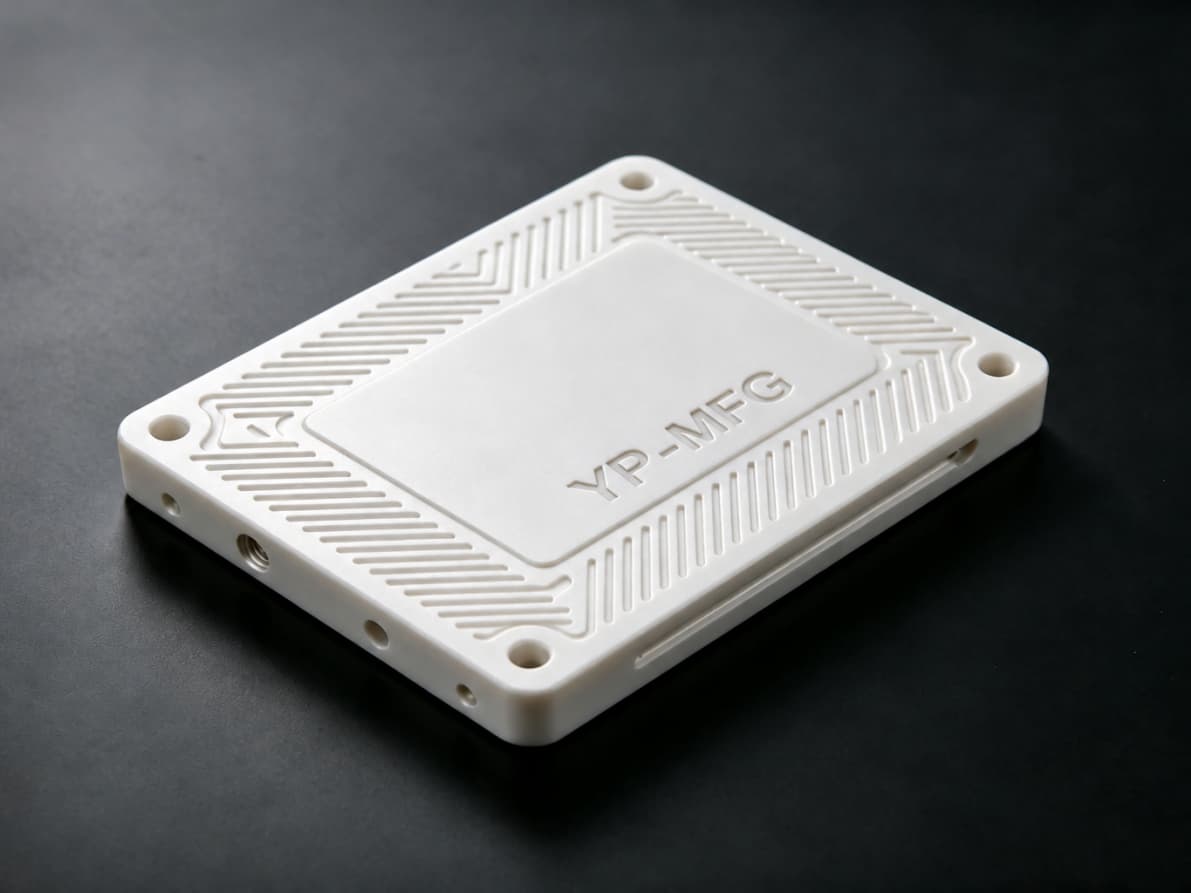
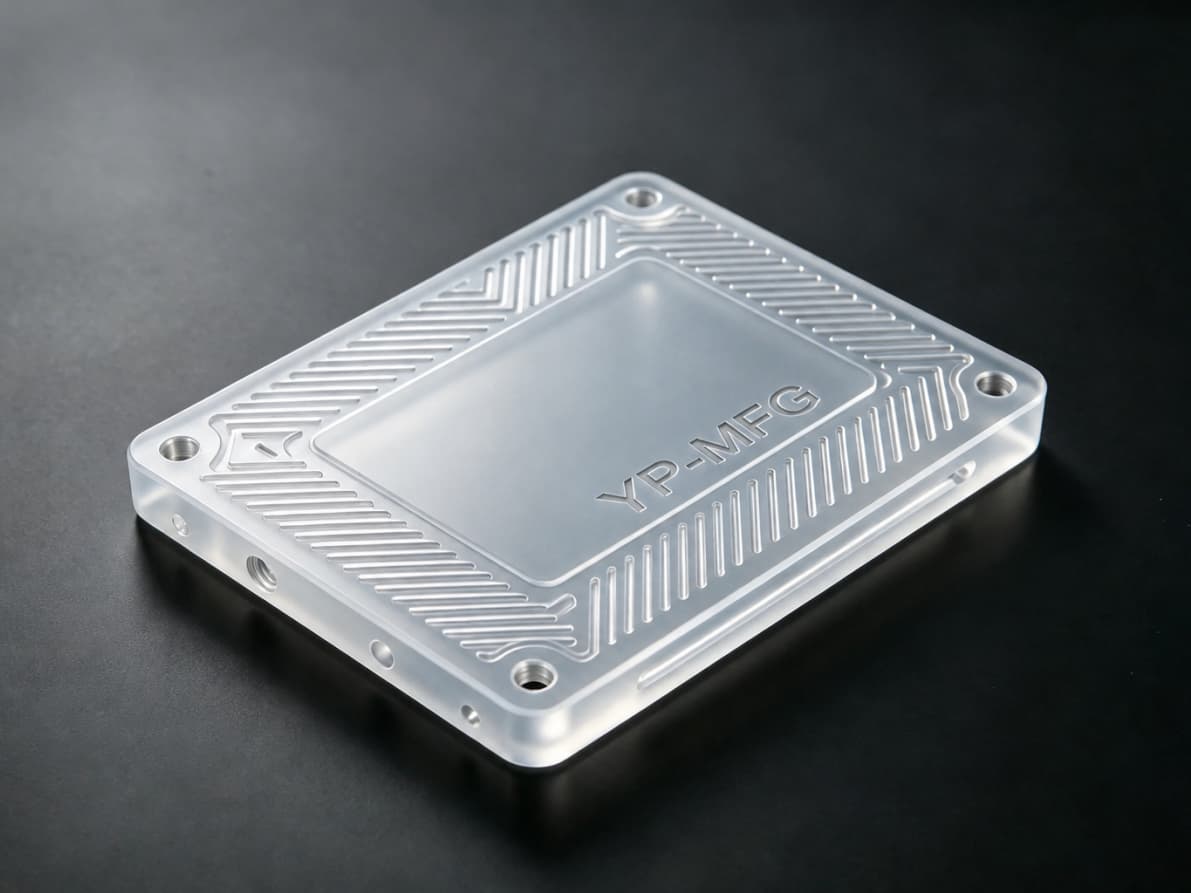
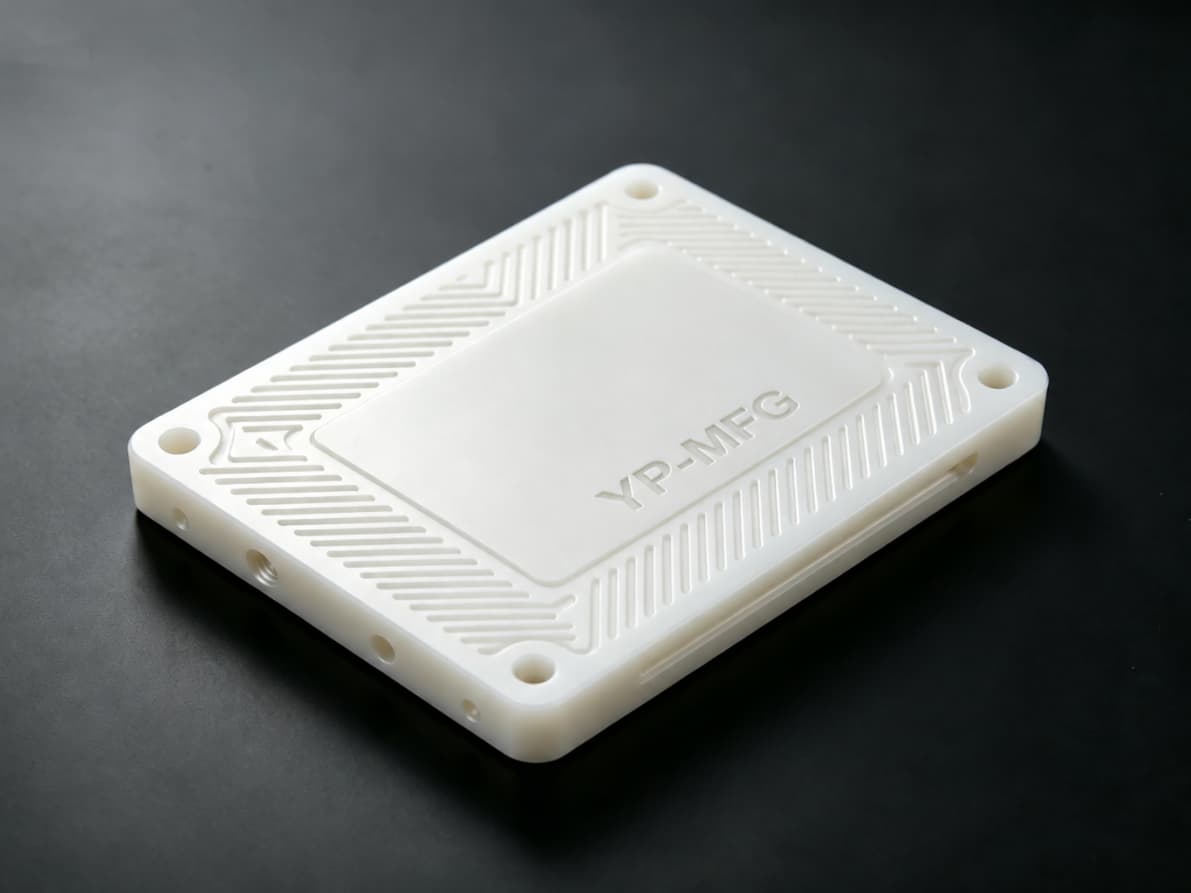
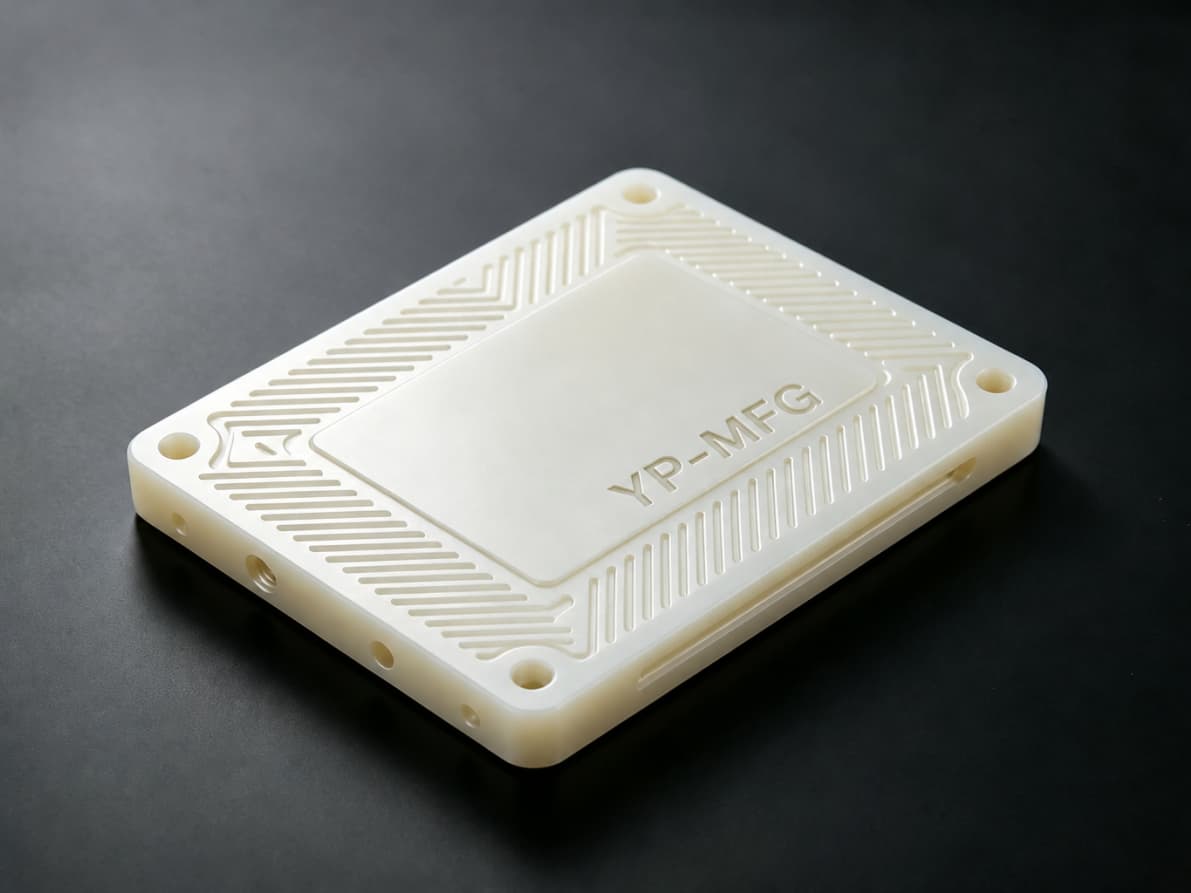
Get high-quality custom CNC routing services from YP-MFG – your one-stop manufacturing partner for prototypes and production parts. Our advanced CNC routing machines deliver exceptional accuracy, smooth finishes, and rapid turnaround times (as fast as 5 day) for a wide range of materials and applications.

Get a CNC Routing Quote Now

Fichiers STEP | STP | SLDPRT | IPT | PRT | SAT
  Tous les envois sont sécurisés et confidentiels.

Precision CNC Routing Capabilities

Built for fast turnaround, scalable production, and visually clean routed parts.

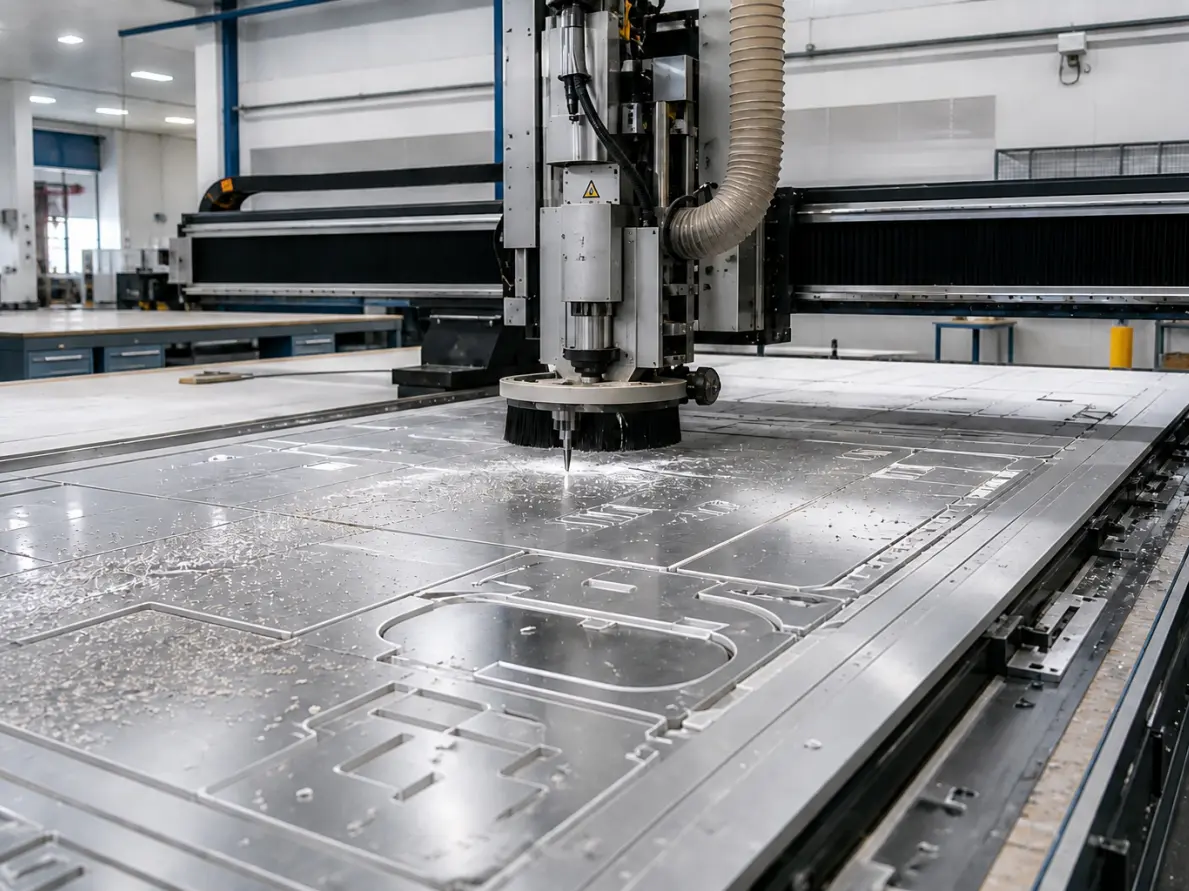
Process oversized sheets and full-size panels with stable accuracy and efficient material utilization.

Complex Contour Cutting

Produce custom geometries, curved profiles, cutouts, and intricate routed features with high consistency.

Clean Edge Quality

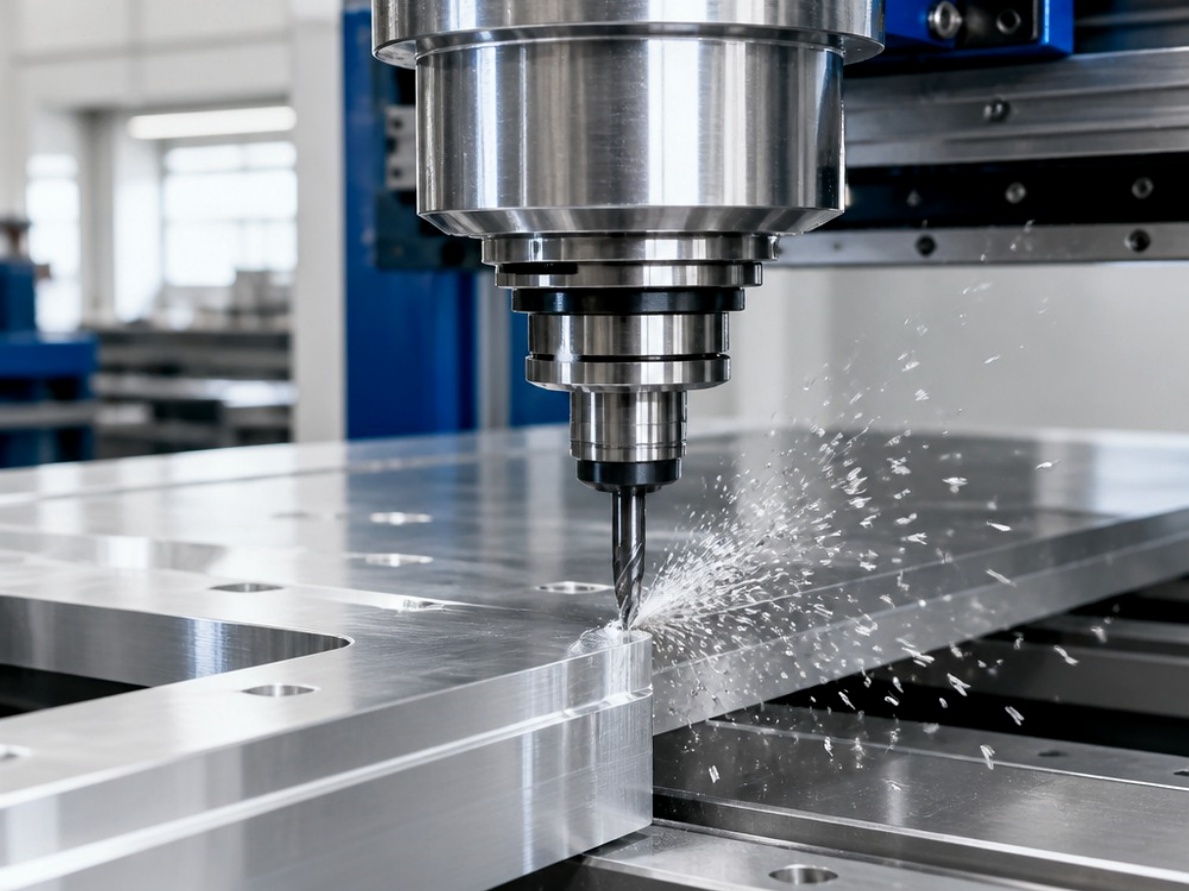
Edge quality is critical for acrylic panels, wood components, and visually exposed routed parts.

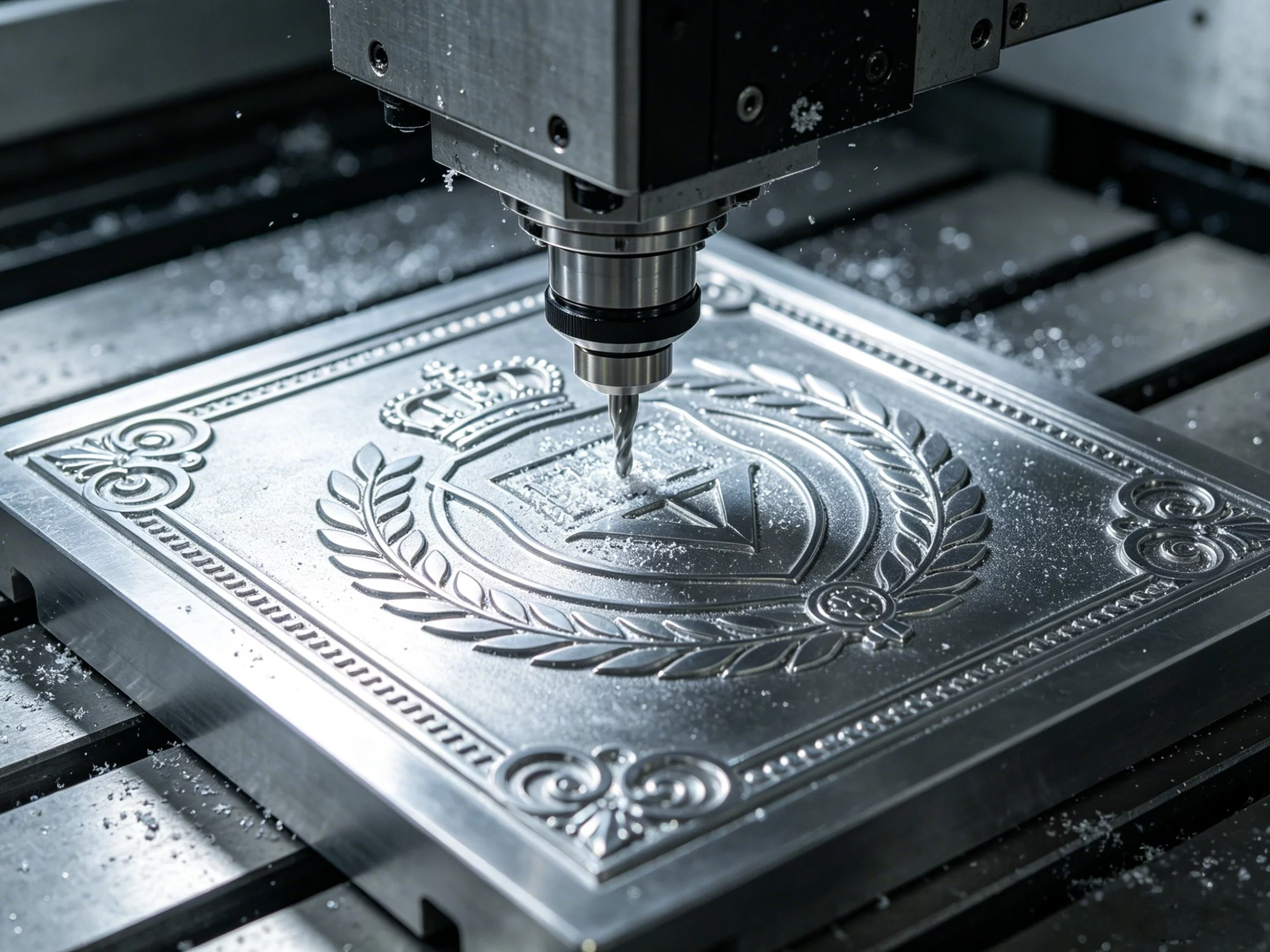
Precision Engraving

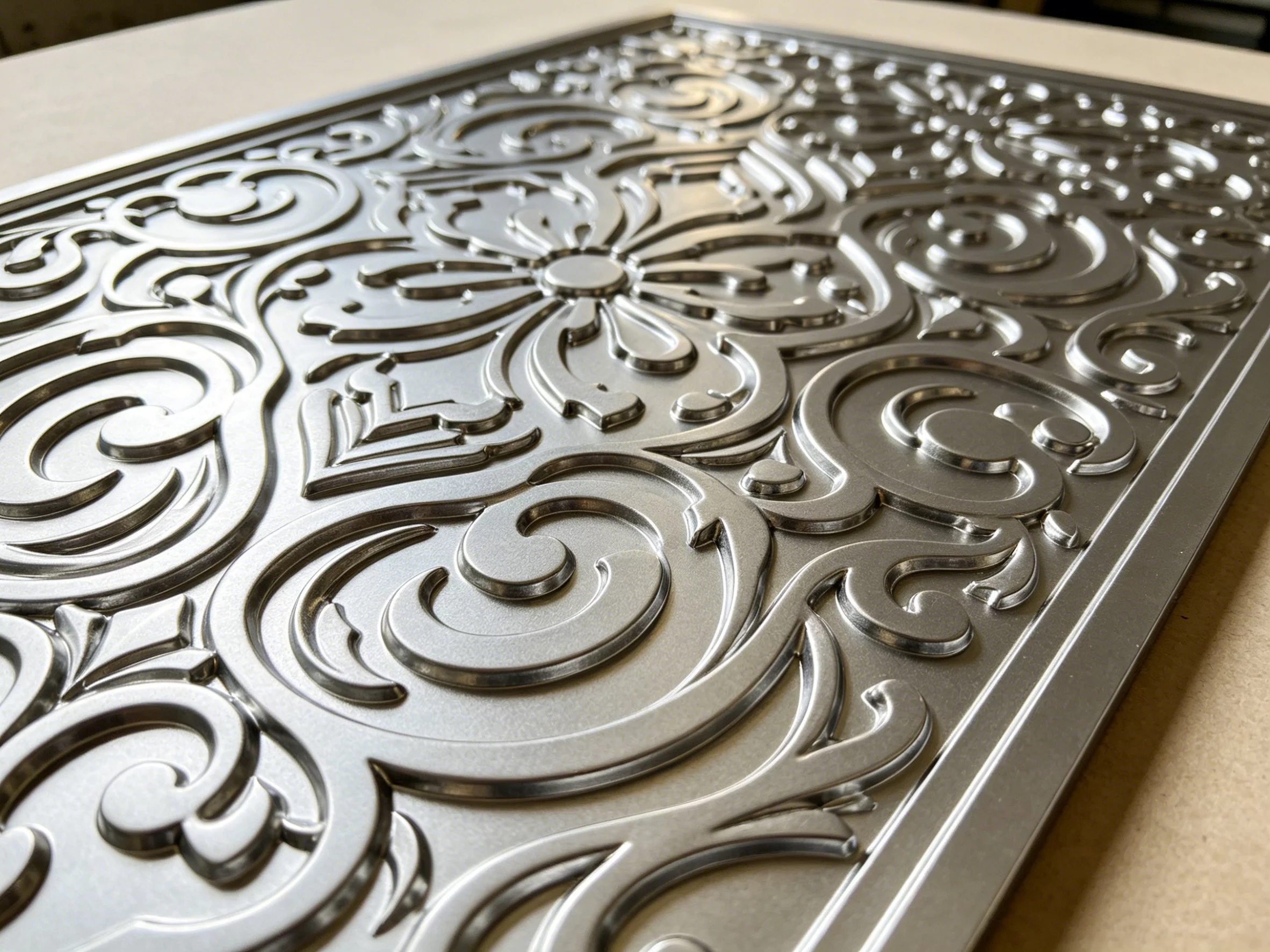
Create detailed engraved features, logos, labels, and decorative patterns with consistent accuracy and clean surface finishes.

Prototype to Production Manufacturing

We support everything from rapid prototypes to full production runs with scalable manufacturing capacity and consistent quality control.

Multi Material CNC Routing

YP-MFG supports CNC routing across a wide range of sheet materials for custom fabrication and scalable production.

CNC Routing Materials for Custom Parts

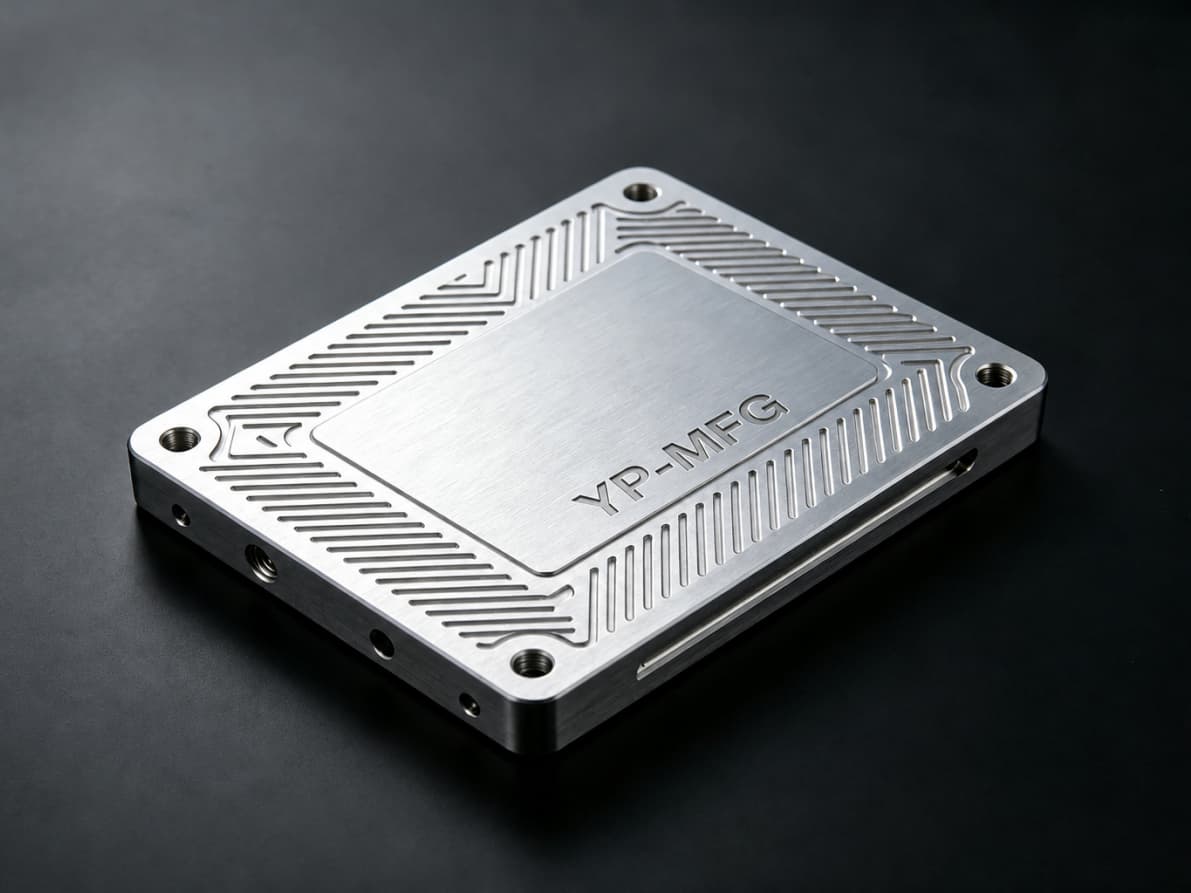
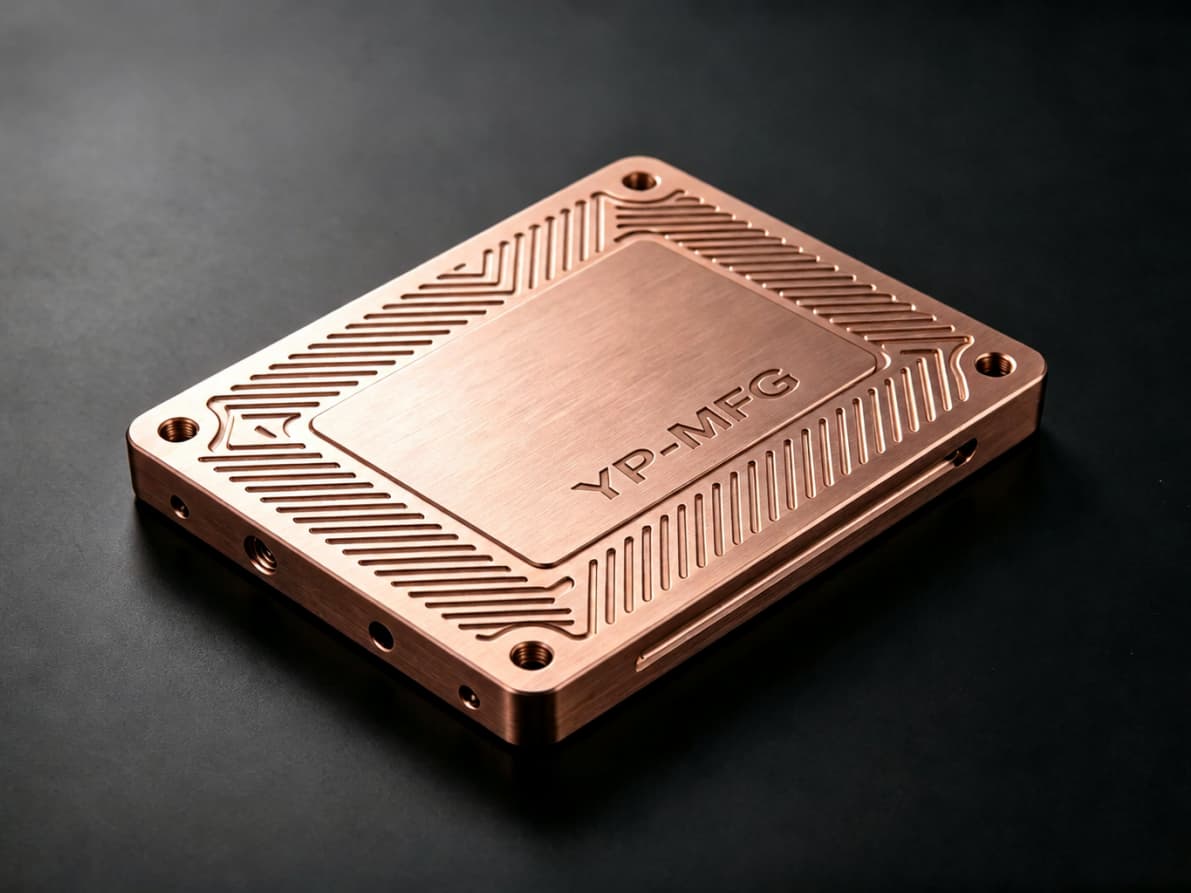
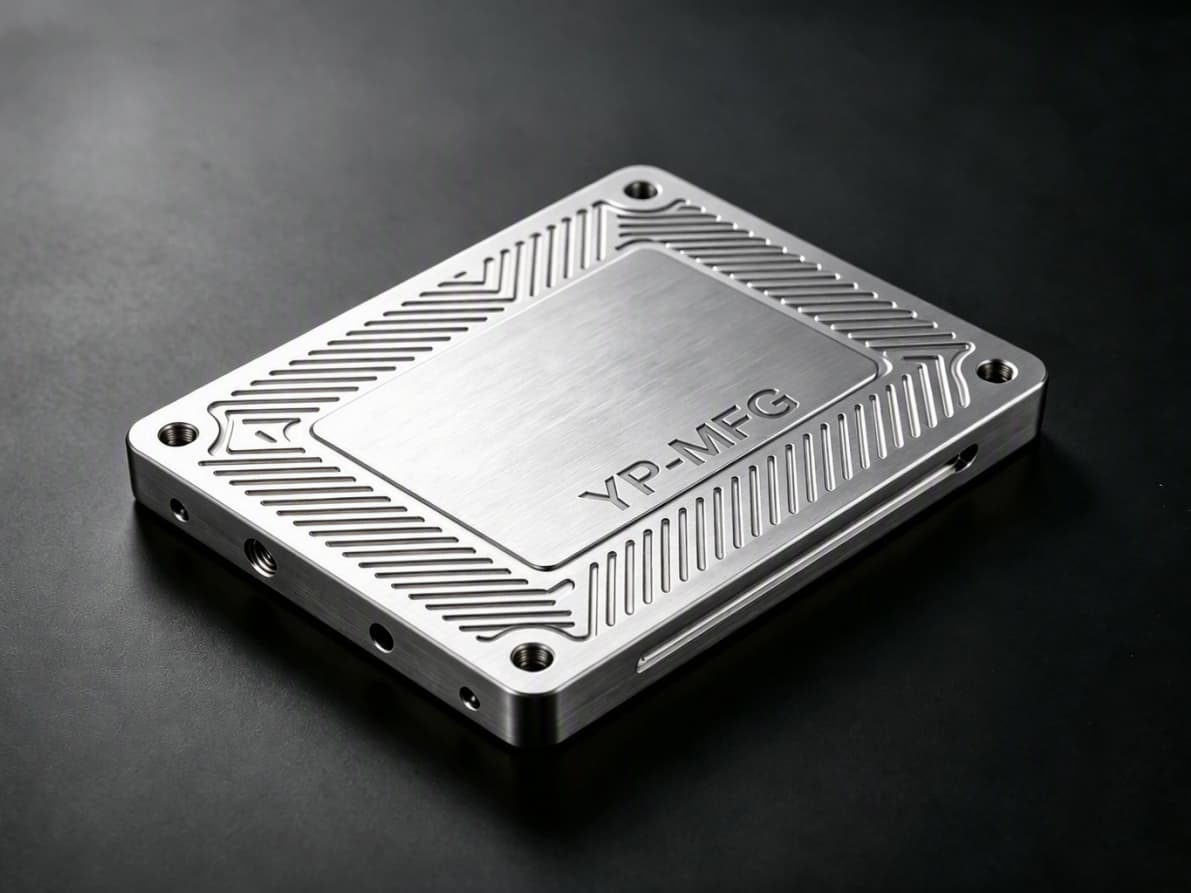
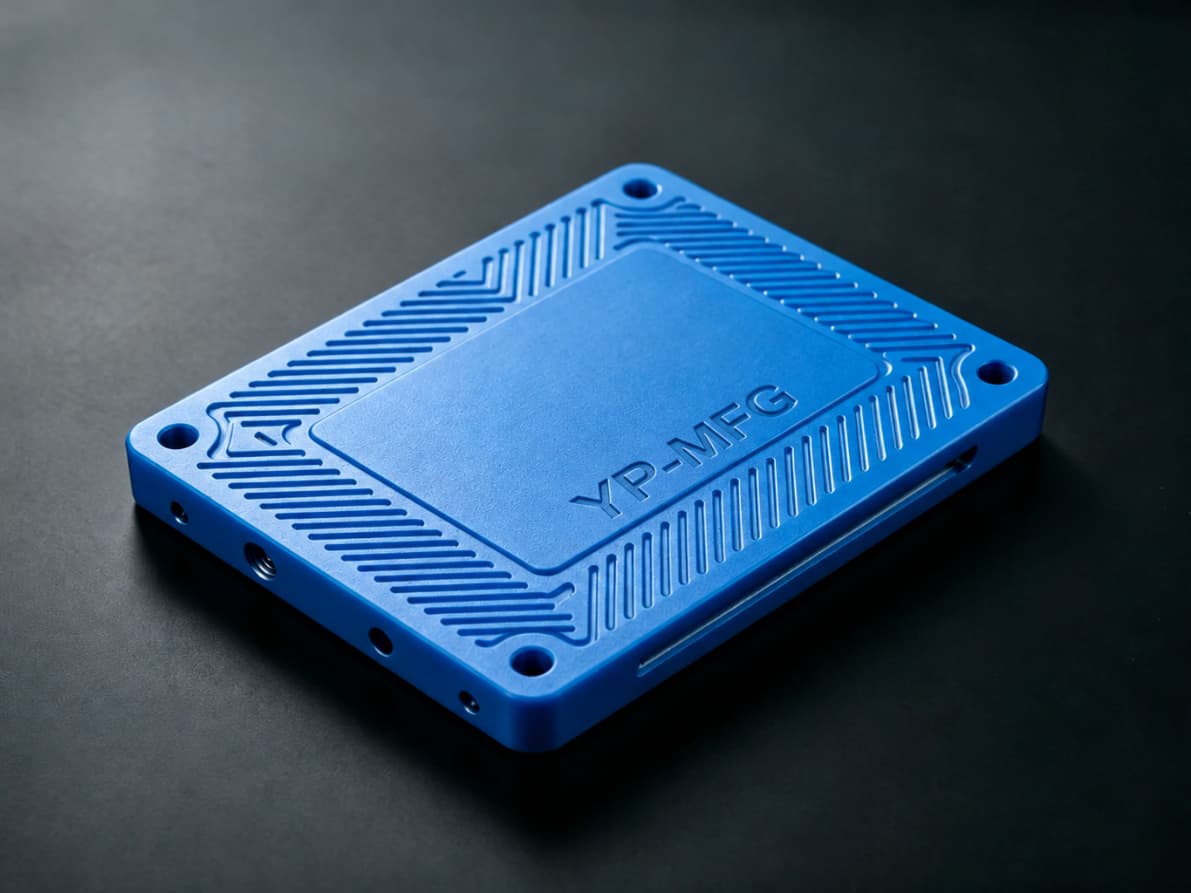
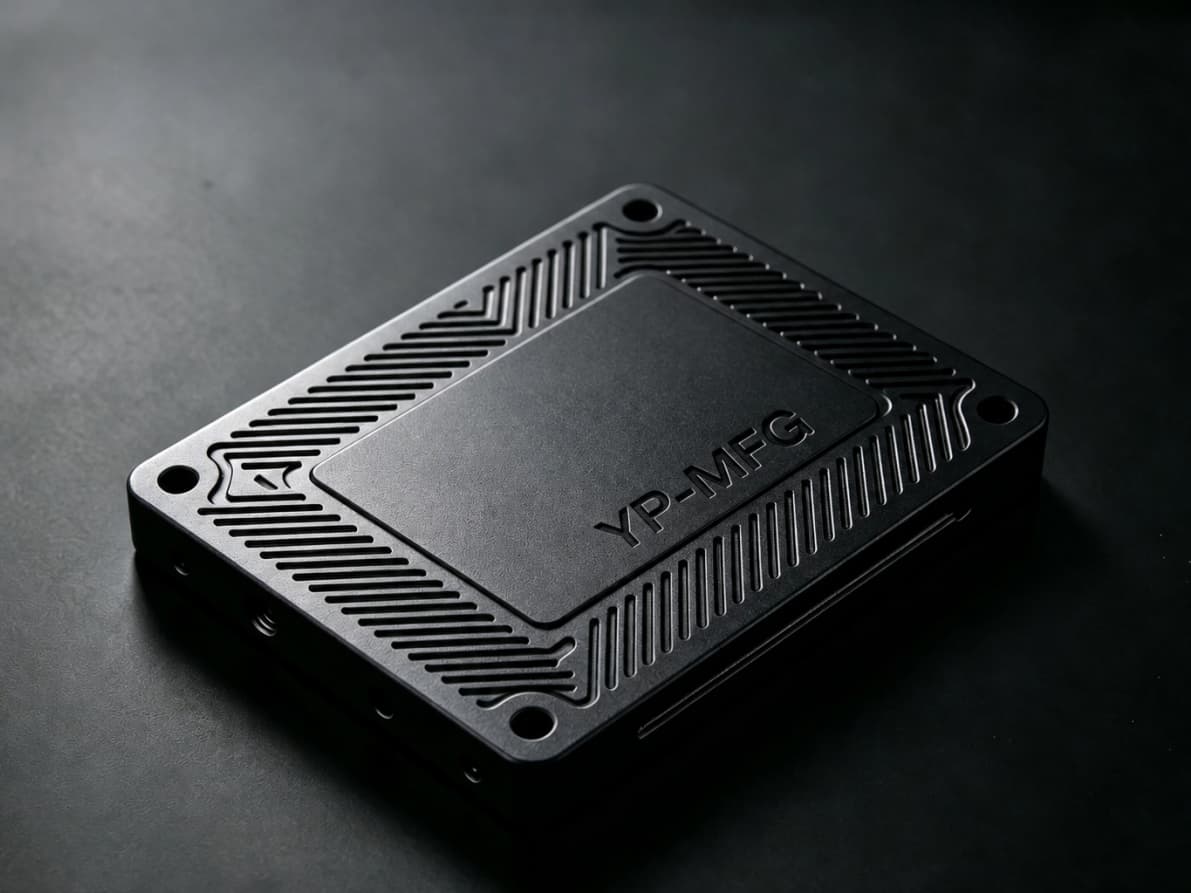
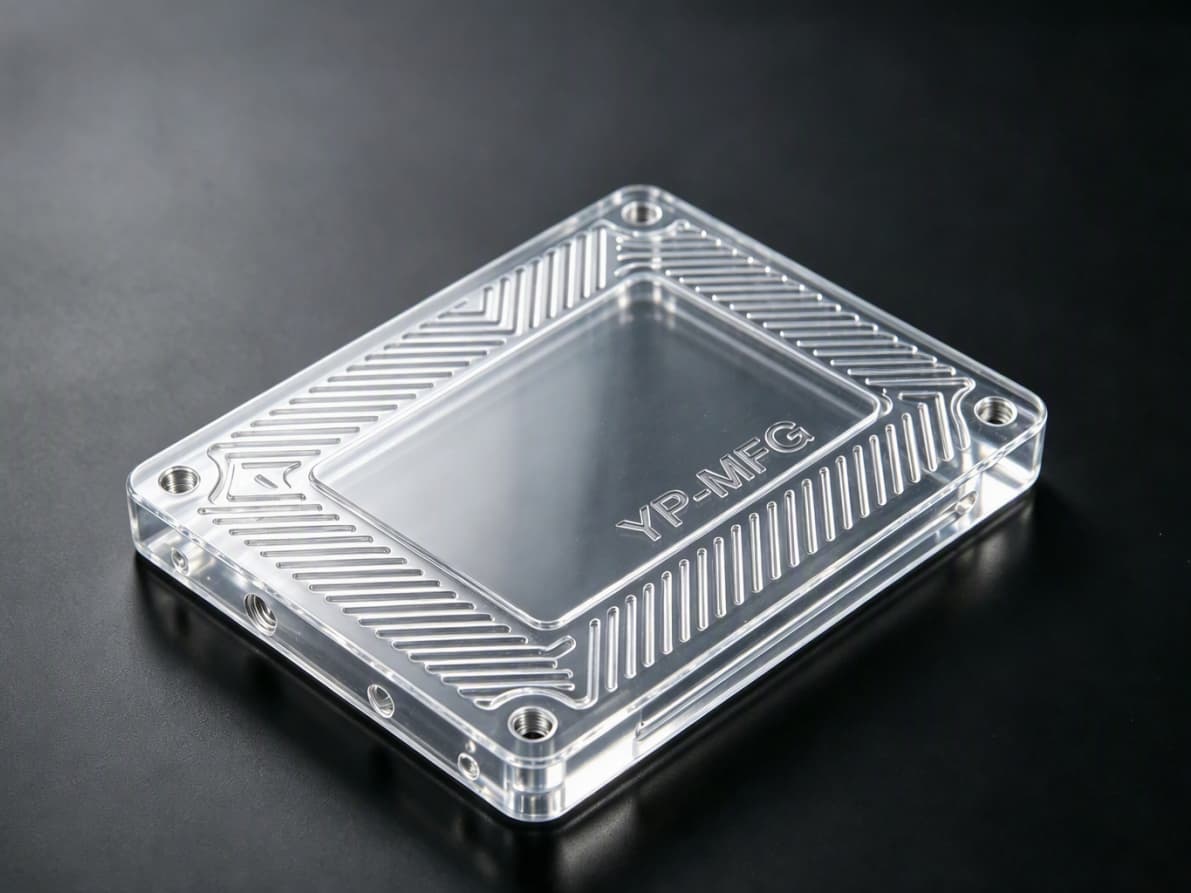
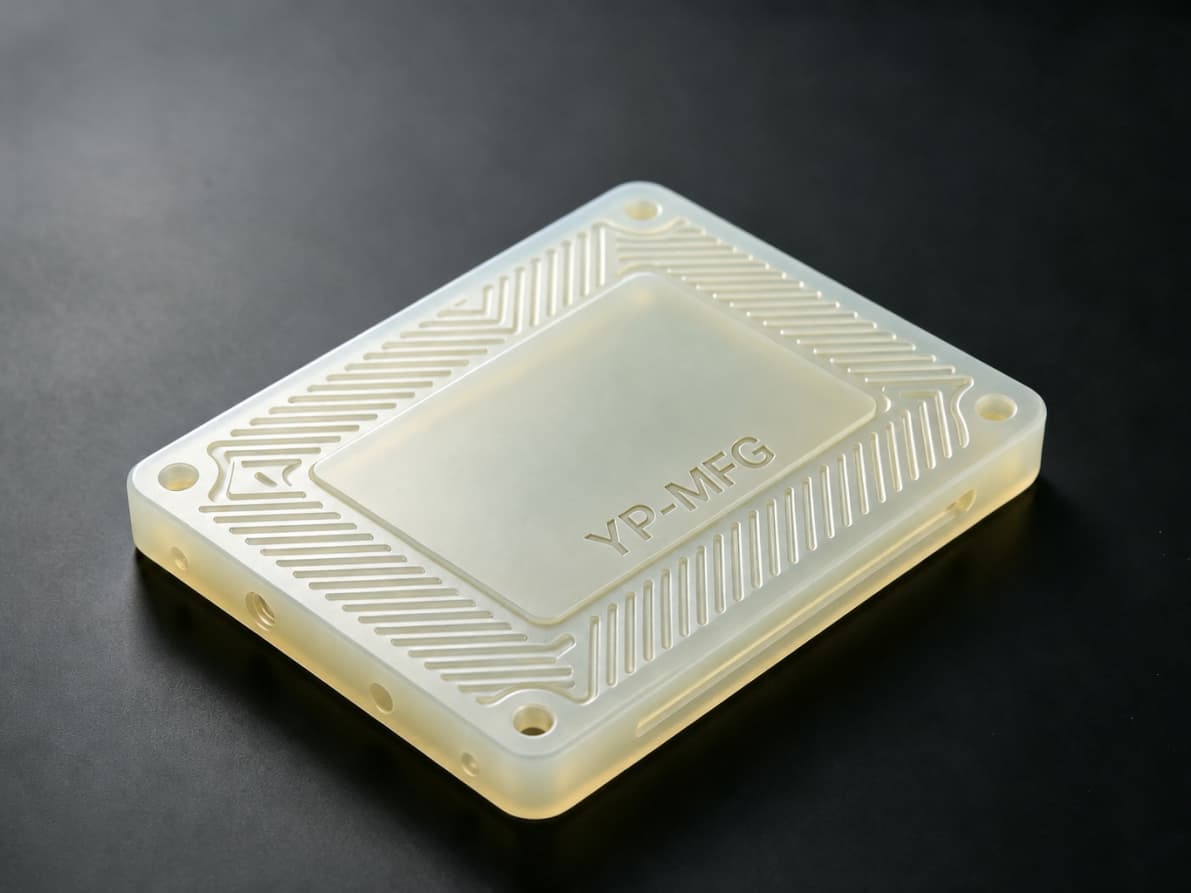
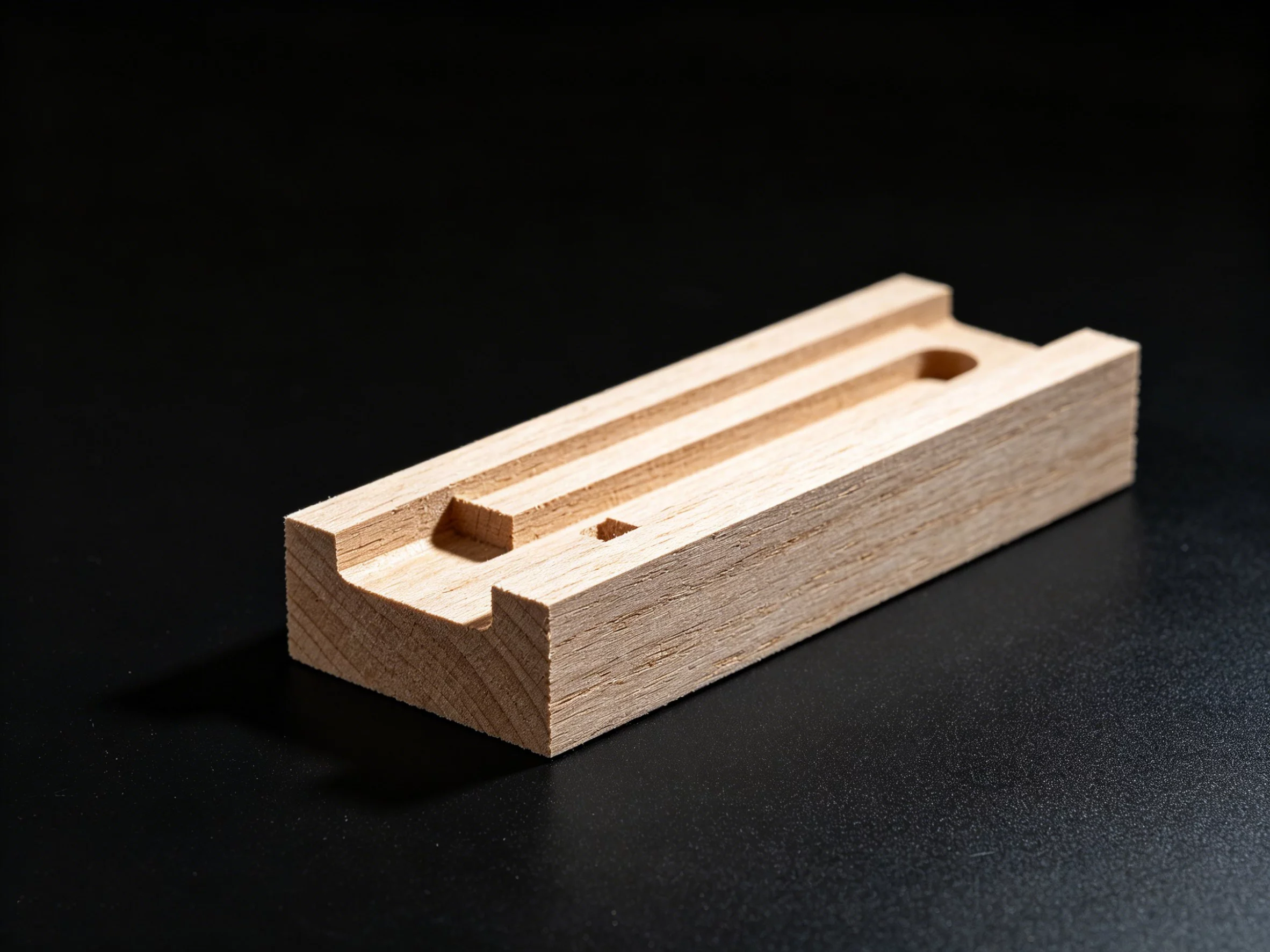
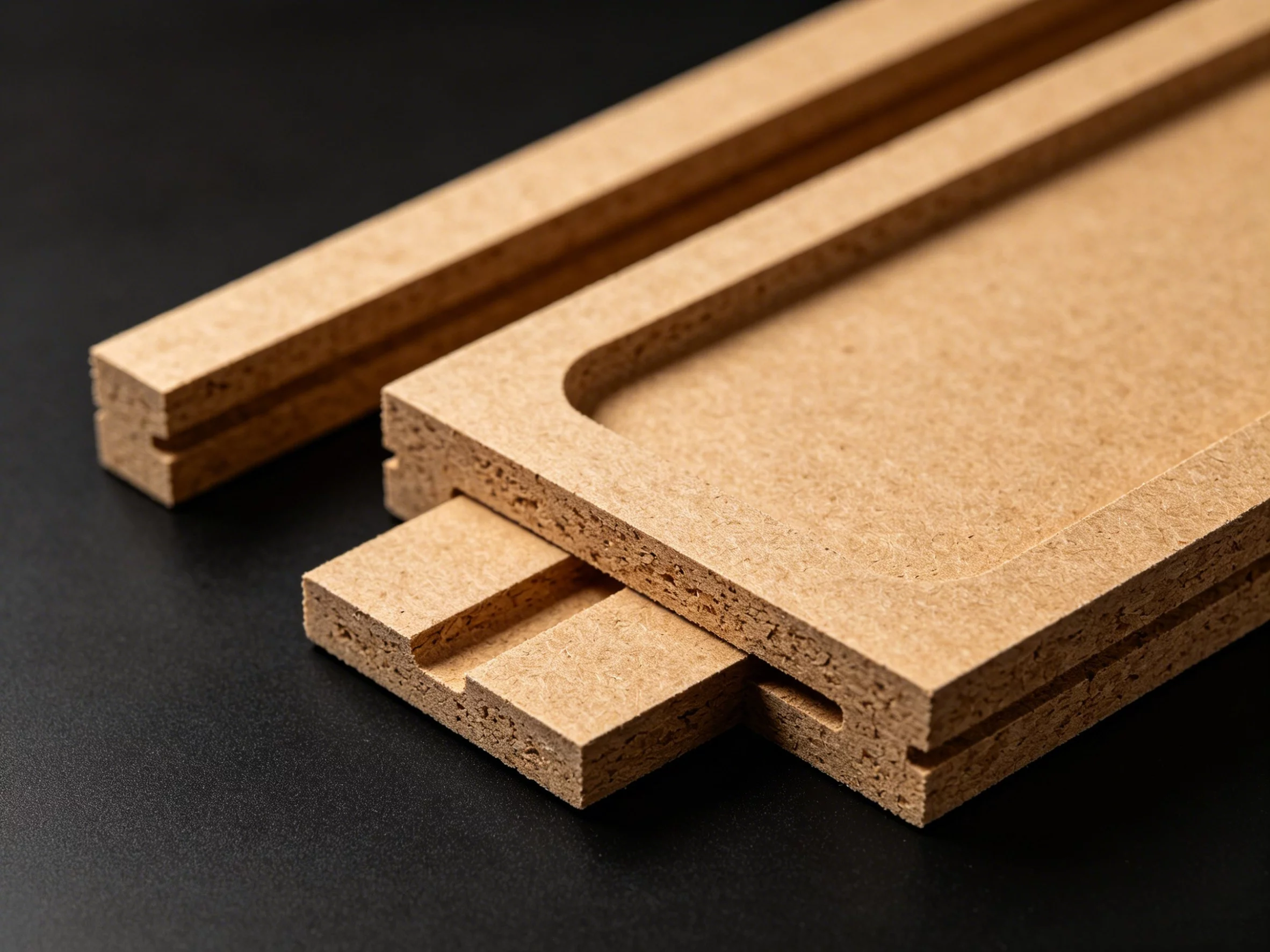
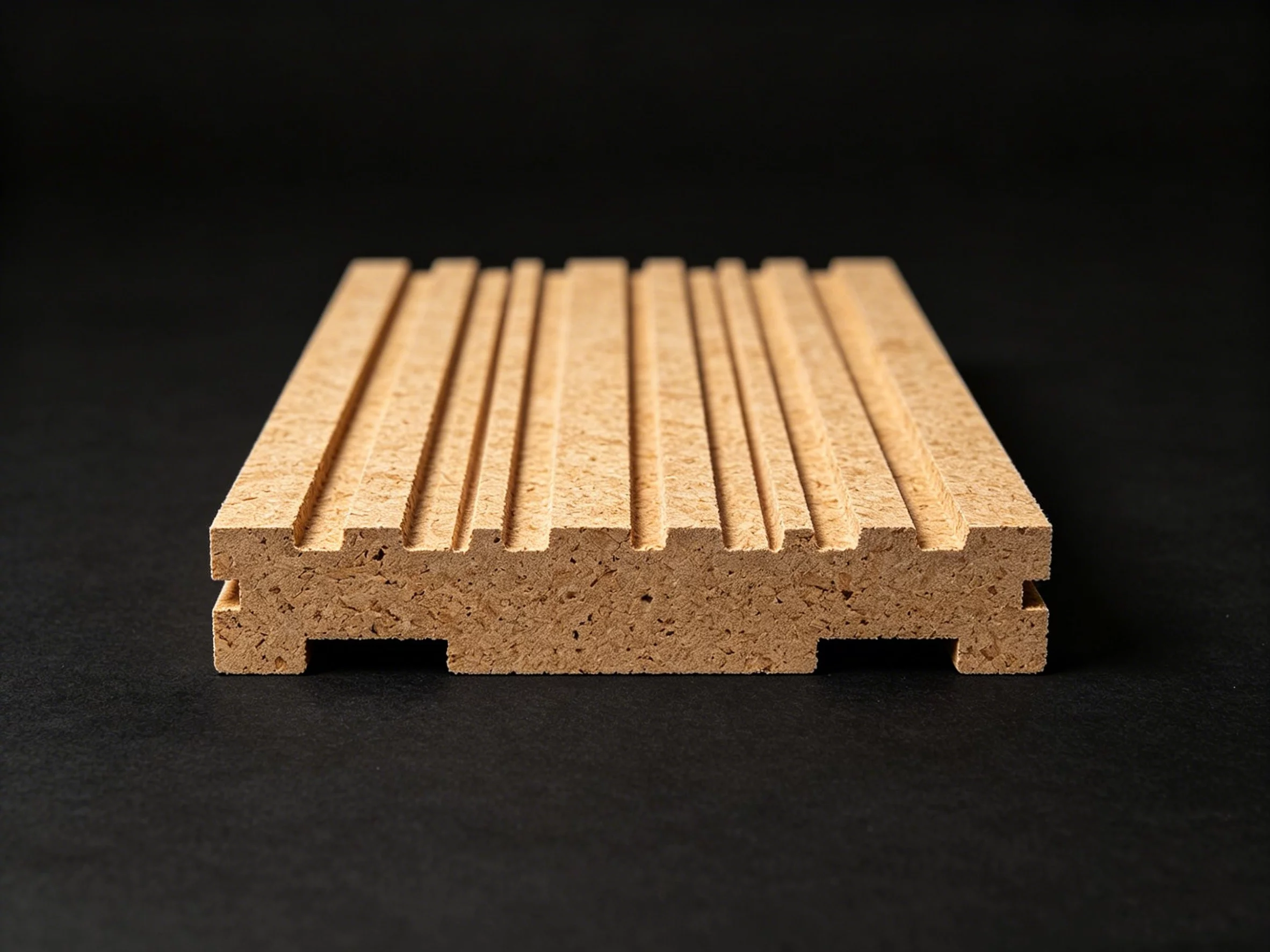
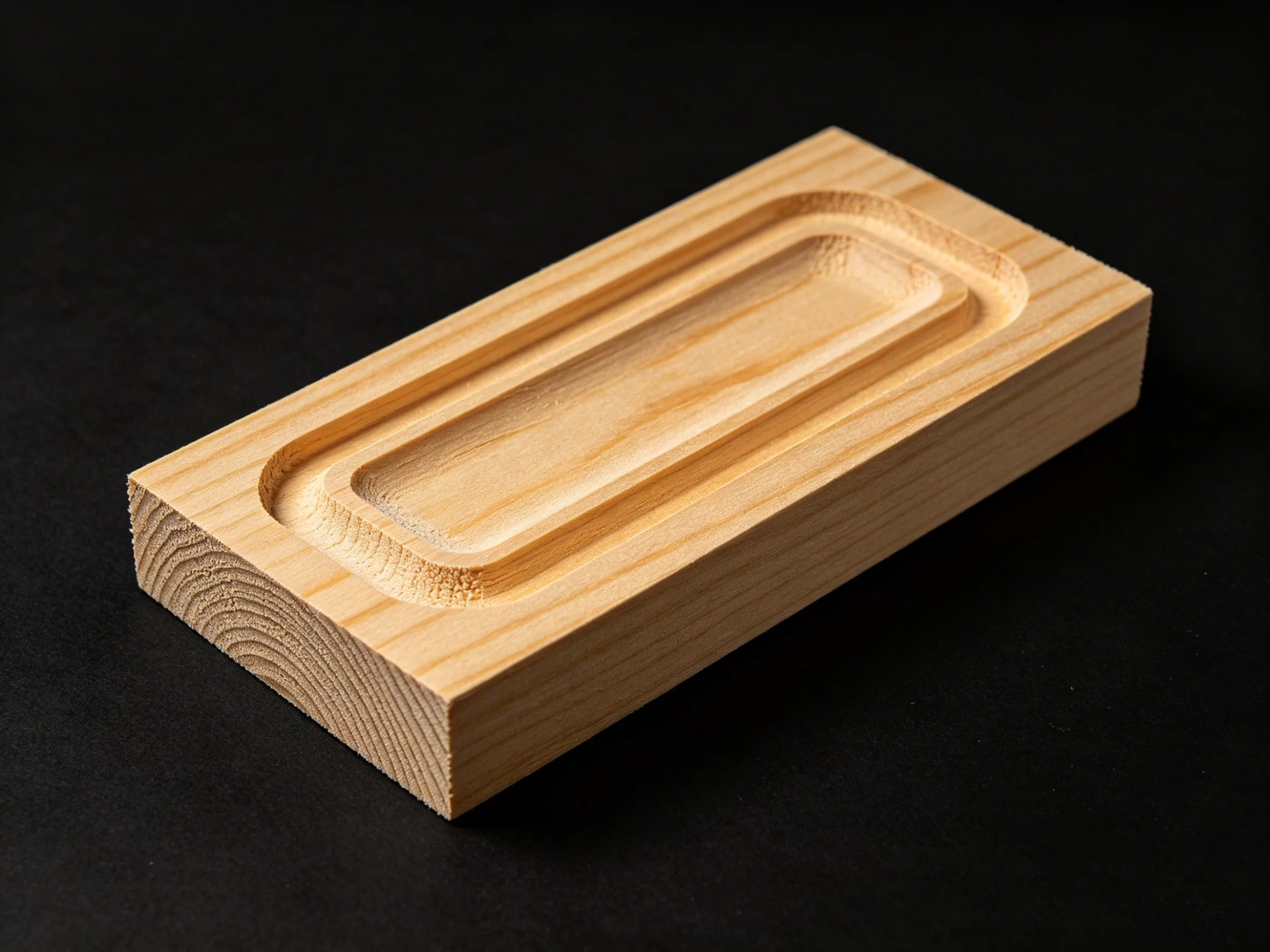
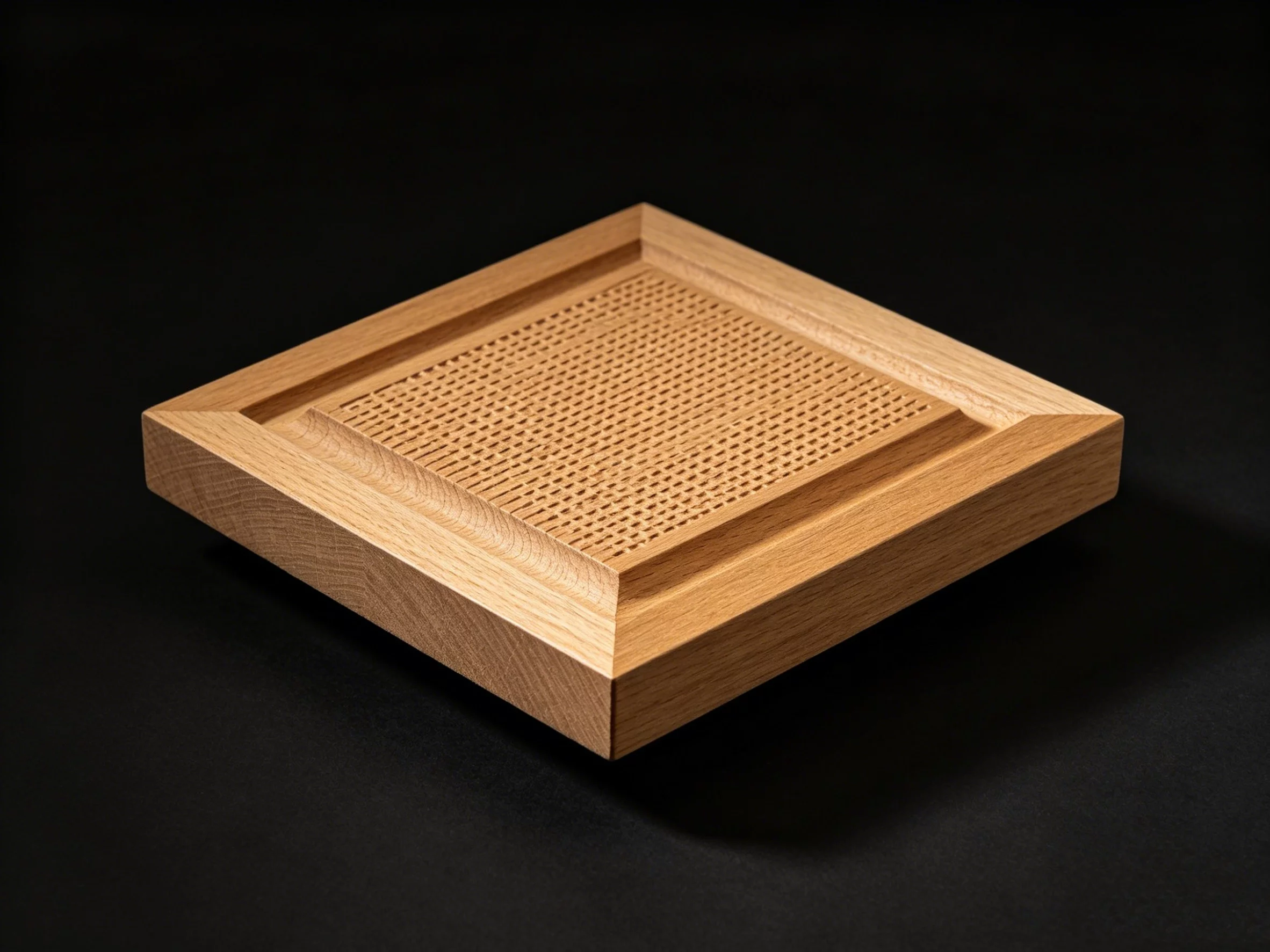
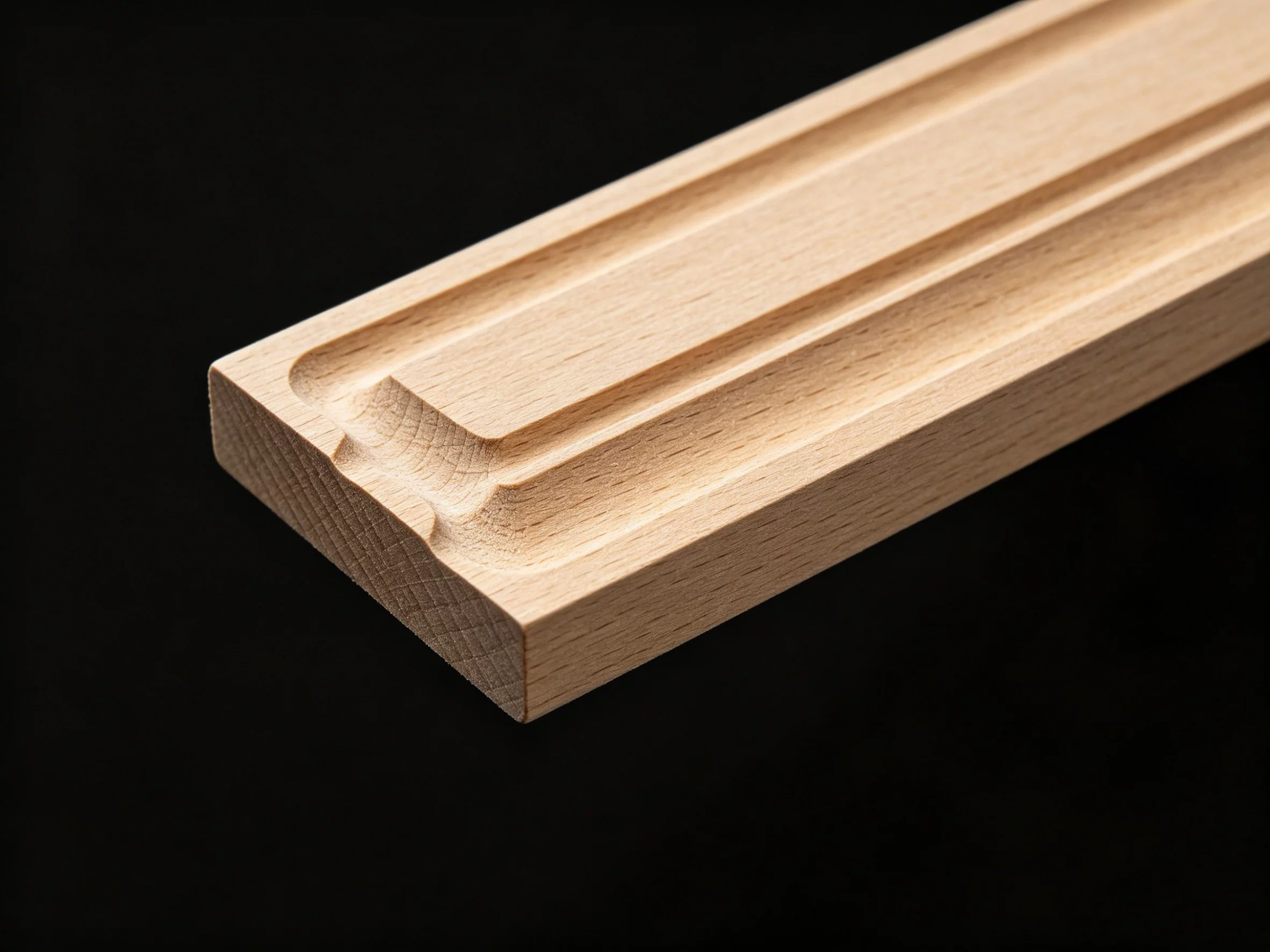
YP-MFG offers CNC routing across a wide range of plastic, wood, foam, composite, and aluminum materials — helping customers achieve better edge quality, faster production, and cost-efficient panel fabrication.

CNC Routing Surface Finishes

YP-MFG provides surface finishing options for CNC routed parts to improve edge appearance, surface consistency, and overall part quality. From smooth acrylic edges and painted wood panels to deburred aluminum components, our finishing capabilities help routed parts achieve cleaner visual results and production-ready performance.

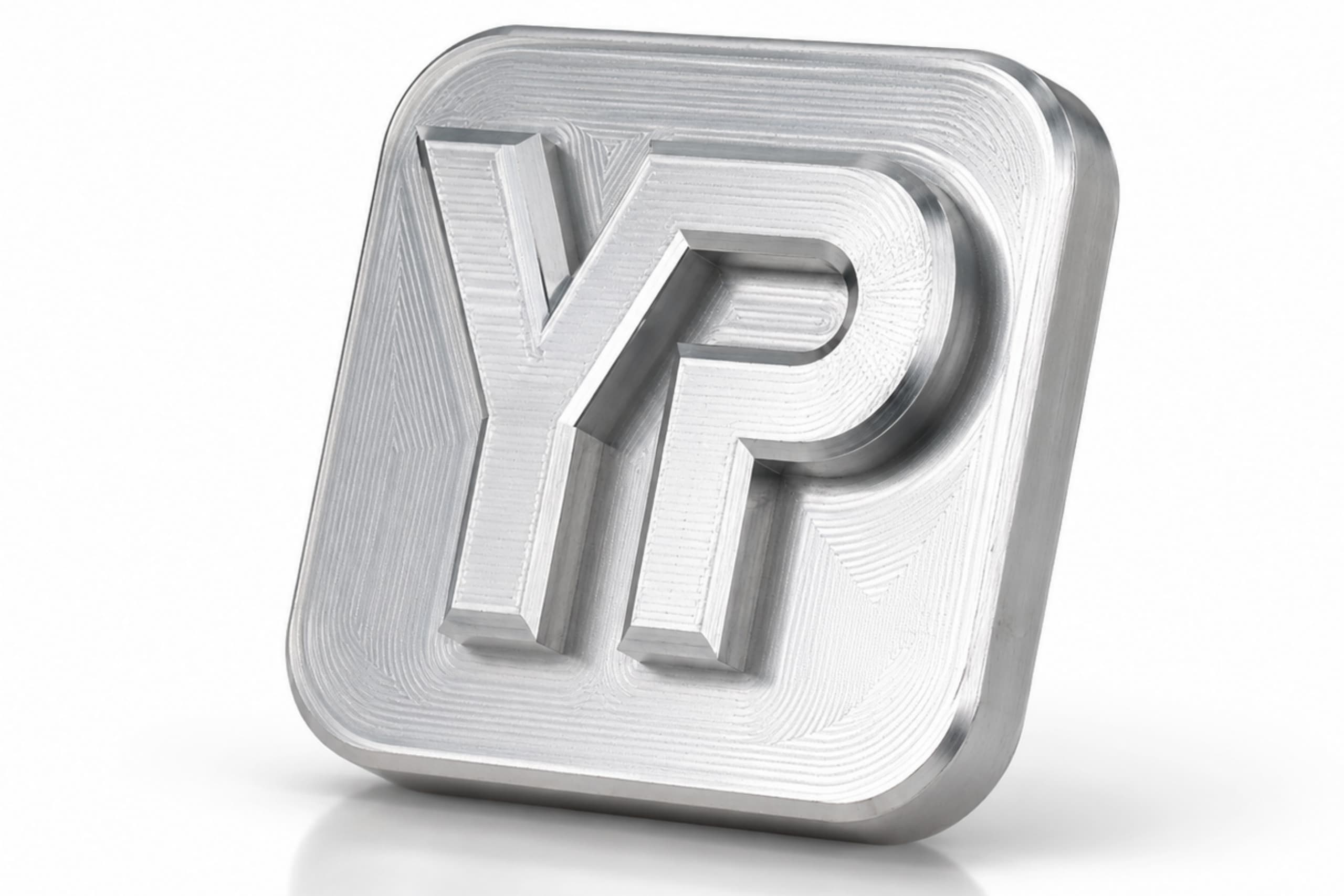
La finition usinée correspond à l'aspect de la surface telle qu'elle sort de la machine CNC, ce qui constitue une option économique présentant des traces d'outils.
L'anodisation améliore la résistance à la corrosion et l'usure, tout en permettant la coloration, ce qui en fait un procédé idéal pour les pièces en aluminium.

Polissage

al6061 polished ra0.8
Le polissage permet d'obtenir une finition très brillante, en réduisant la rugosité de la surface et en améliorant l'aspect esthétique des métaux.
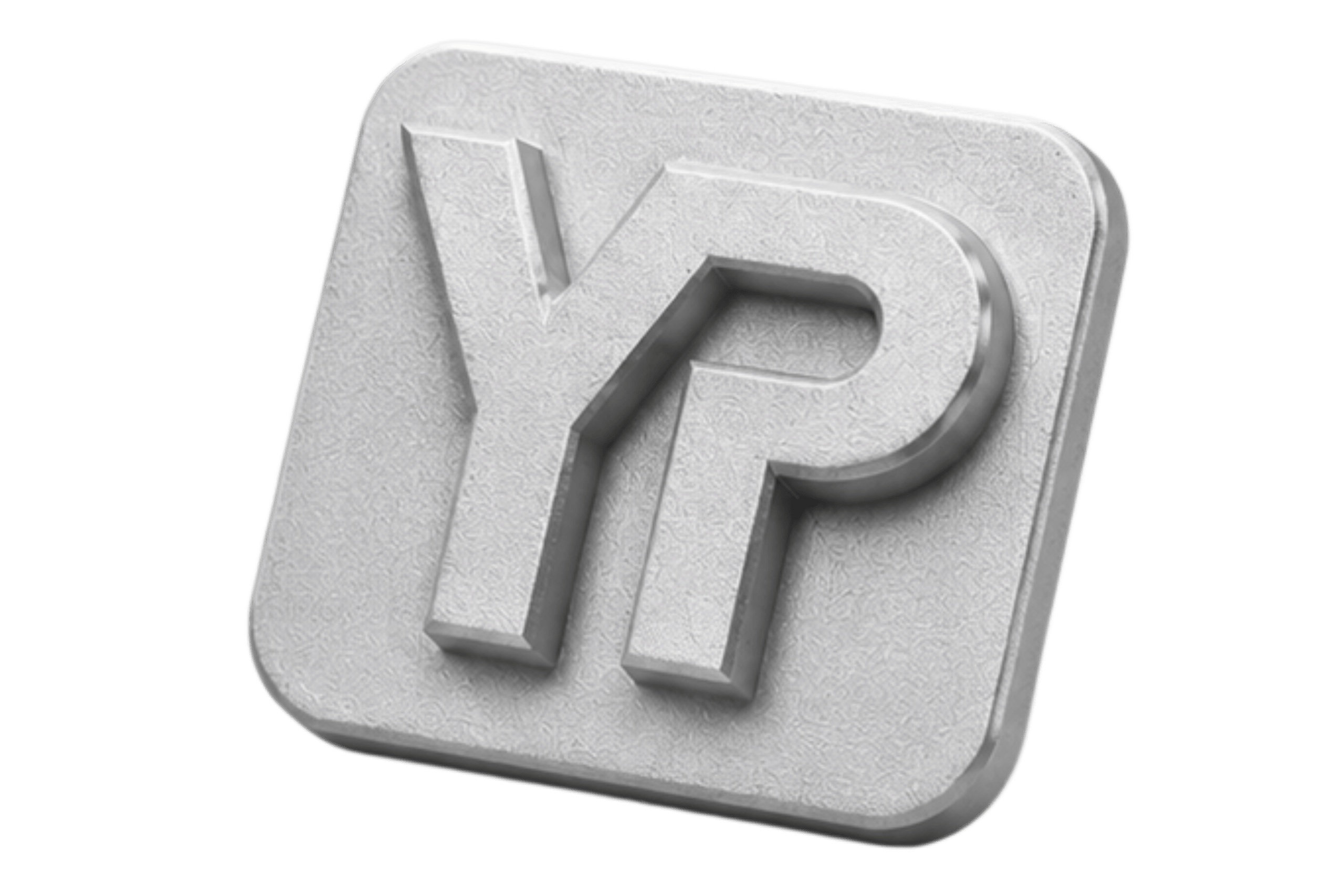
Le sablage consiste à projeter du sable sous pression ou d’autres matériaux pour nettoyer et texturer la surface, ce qui permet d’obtenir une finition mate et uniforme.
Le polissage au tonneau lisse et polit les petites pièces par frottement et abrasion à l'intérieur d'un tonneau, ce qui permet d'obtenir une finition uniforme mais légèrement texturée.
L'électropolissage est un procédé chimique qui permet de lisser et de faire briller les surfaces tout en améliorant leur résistance à la corrosion.
Le revêtement Alodine assure une protection contre la corrosion et améliore l'adhérence de la peinture ; il est principalement utilisé sur les surfaces en aluminium.
Le traitement thermique modifie les propriétés mécaniques du métal afin d'augmenter sa dureté, sa résistance ou sa ductilité.
Une finition brossée crée une texture satinée unidirectionnelle, ce qui atténue l'aspect des marques et des rayures à la surface.
Le thermolaquage permet d'appliquer une couche épaisse et résistante à l'usure, offrant un large choix de couleurs et de textures, et adaptée à une grande variété de surfaces.
La galvanoplastie permet de déposer une fine couche de métal sur des pièces, ce qui améliore leur résistance à l'usure, leur résistance à la corrosion et la conductivité de leur surface.
L'oxydation noire est un revêtement de conversion destiné aux métaux ferreux qui améliore la résistance à la corrosion et réduit au minimum la réflexion de la lumière.

Why YP-MFG for CNC Routing

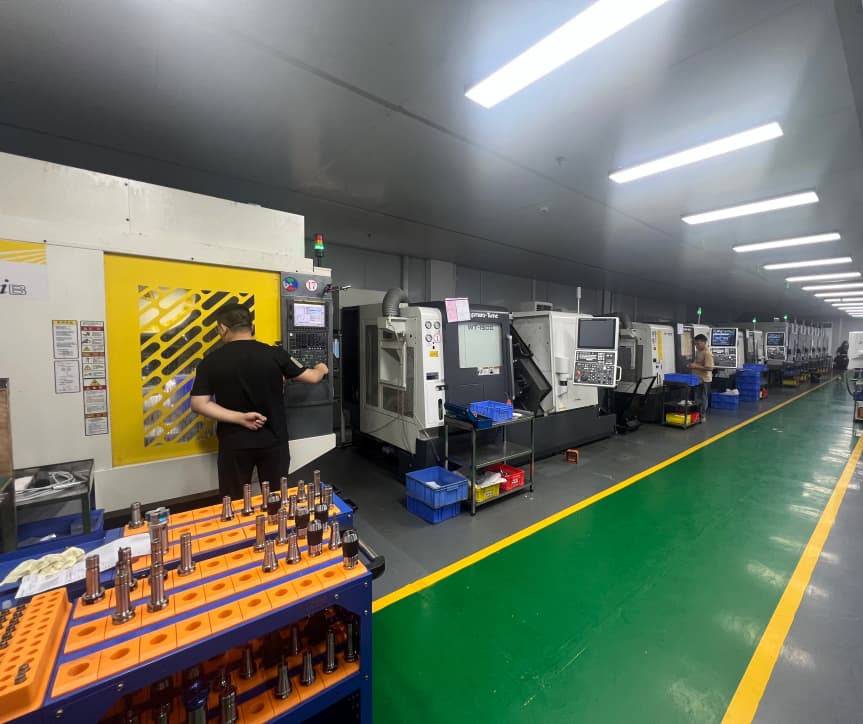
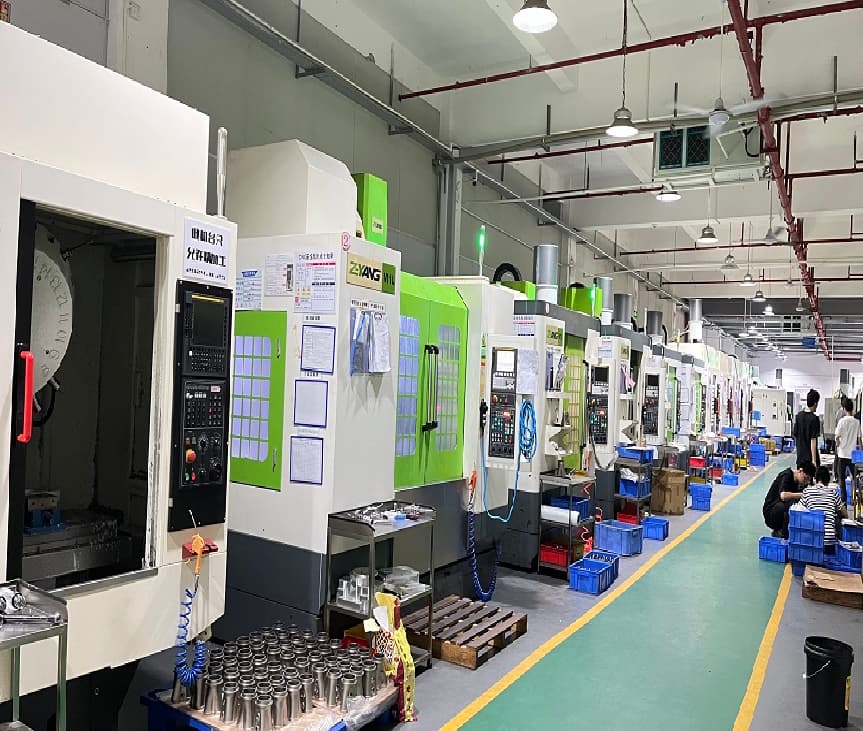
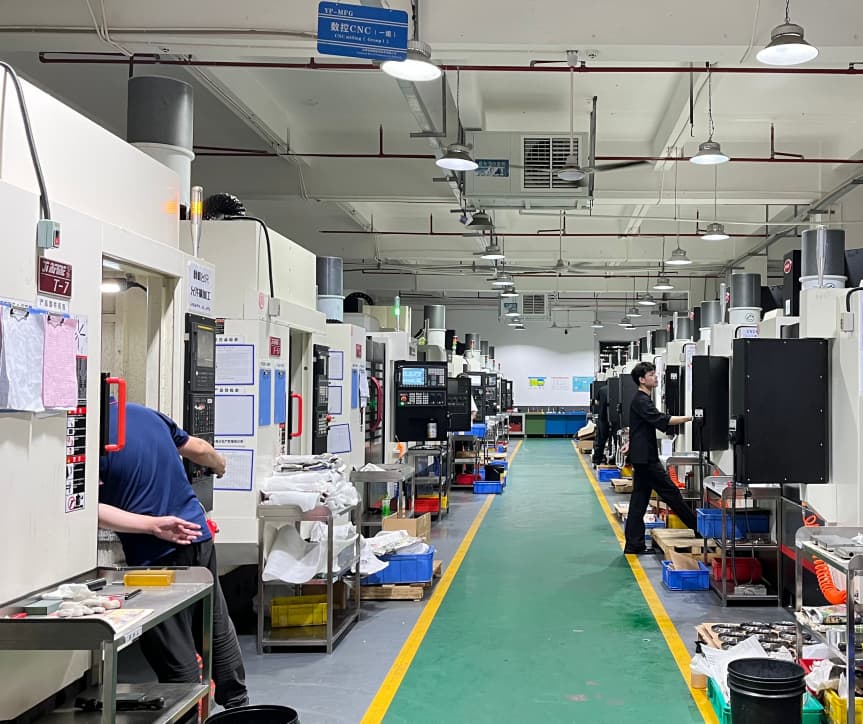
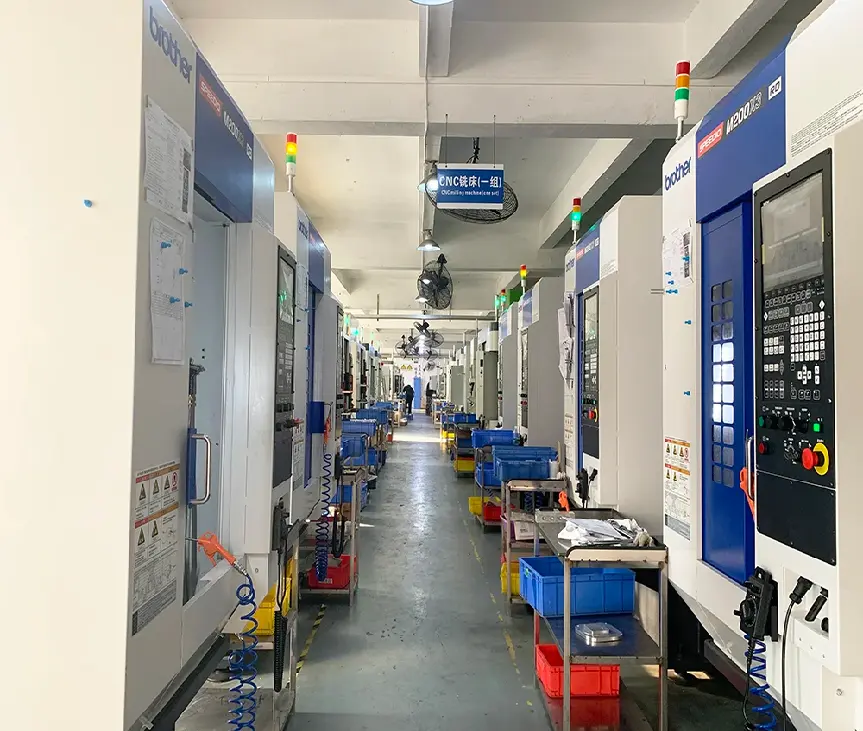
YP-MFG is a one-stop precision manufacturing provider with 15+ years of CNC milling/routing expertise. Headquartered in Shenzhen, we operate 3 in-house factories, 180+ advanced machines (3/4/5‑axis CNC, routing tables, etc.), and employ 400+ skilled workers & engineers. Backed by 100+ certified partners, we deliver high‑quality custom parts to 20,000+ global clients with ISO 9001/IATF 16949 certifications.


180+
Machines Set
0.002mm
Tight Tolerance
5 Day
Délais de livraison rapides

Tolerances for CNC Routing

Feature Specification
Feature Max Panel Size Specification Up to 3000 × 1500 mm
Feature Minimum Feature Size Specification 3 mm
Feature Recommended Material Thickness Specification 3–50 mm
Feature Standard Tolerance Specification ISO 2768-m
Feature Precision Tolerance Specification ±0.1 mm achievable depending on material & geometry
Feature Edge Quality Specification Optimized to reduce burrs, melting, and chipping
Feature Supported File Formats Specification STEP, STP, DXF, DWG, AI
Feature Délai de livraison Specification As fast as 3–5 days
Feature Volume de production Specification Prototype to batch production

CNC Routing Design & DFM Support

Upload CAD design files for CNC routing review
Step 01

Upload Your Design Files

Submit your CAD files, drawings, or panel layouts for review. We support:

STEP / STP DXF / DWG AI files PDF drawings

Complex routing geometries can all be evaluated before production, such as:

  • Intricate cutouts
  • Engraved details
  • Thin-wall sections
  • Multi-panel assemblies
  • Large-format layouts
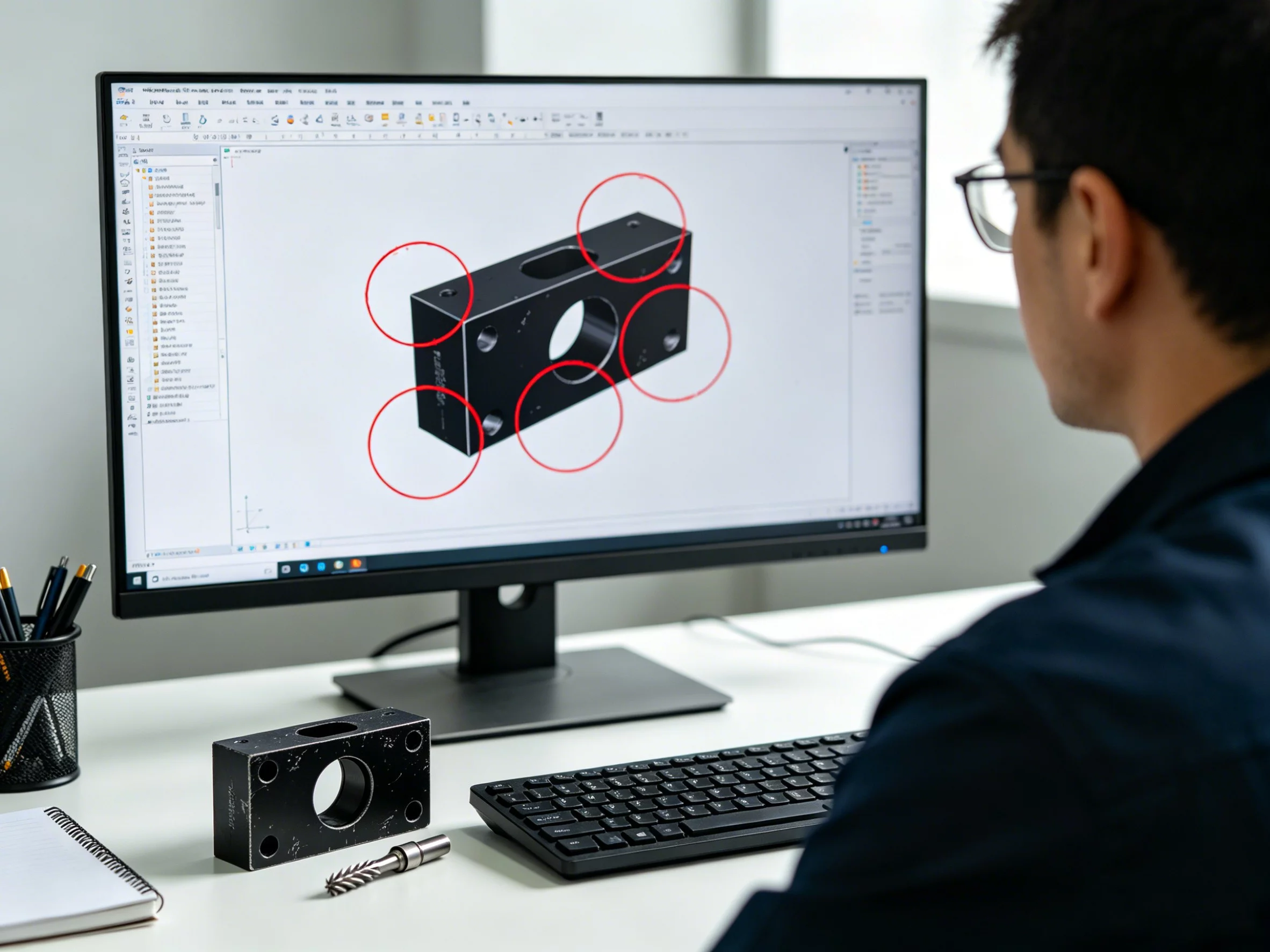
Engineer performing manual DFM review on CNC routing design
Step 02

Manual DFM Review & Feedback

Unlike fully automated quoting platforms, YP-MFG engineers manually review your CNC routing design to identify potential manufacturing issues before machining begins.

Our DFM support helps optimize:

  • Edge quality & Corner radii
  • Tool accessibility
  • Material selection
  • Sheet utilization & Nesting efficiency
  • Cutting strategy
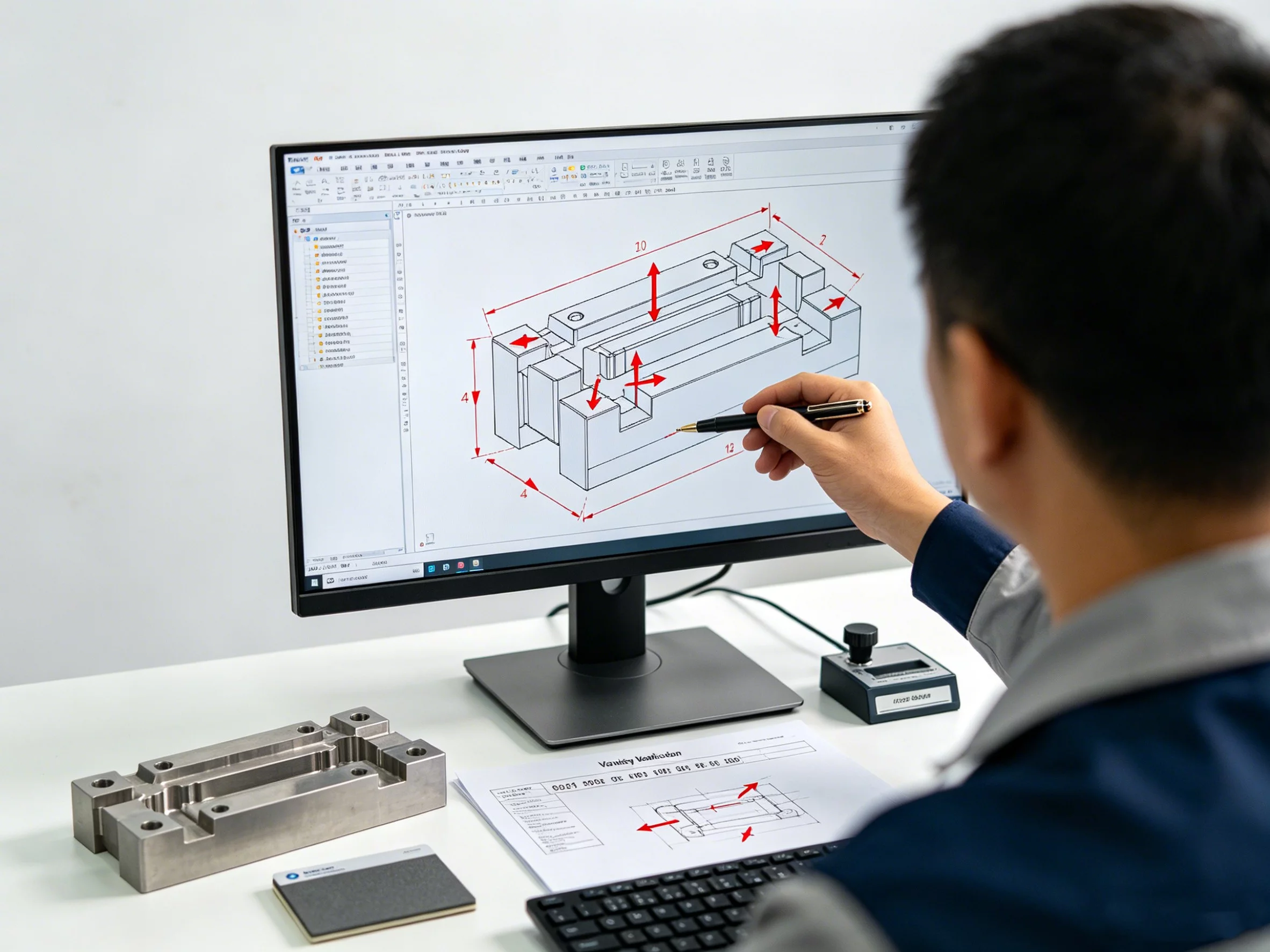
CNC routing production confirmation before machining
Step 03

Production Confirmation Before Machining

We confirm all critical details with your team before production to reduce revisions, unexpected issues, and part rejection risks. This includes:

  • Material confirmation & Tolerance review
  • Surface and edge quality expectations
  • Quantity verification
  • Routing direction and assembly considerations

Once approved, production moves forward with stable process control and repeatable manufacturing consistency.

CNC Routed Parts Across Industries

Signage and branding CNC routed parts

Signage & Branding

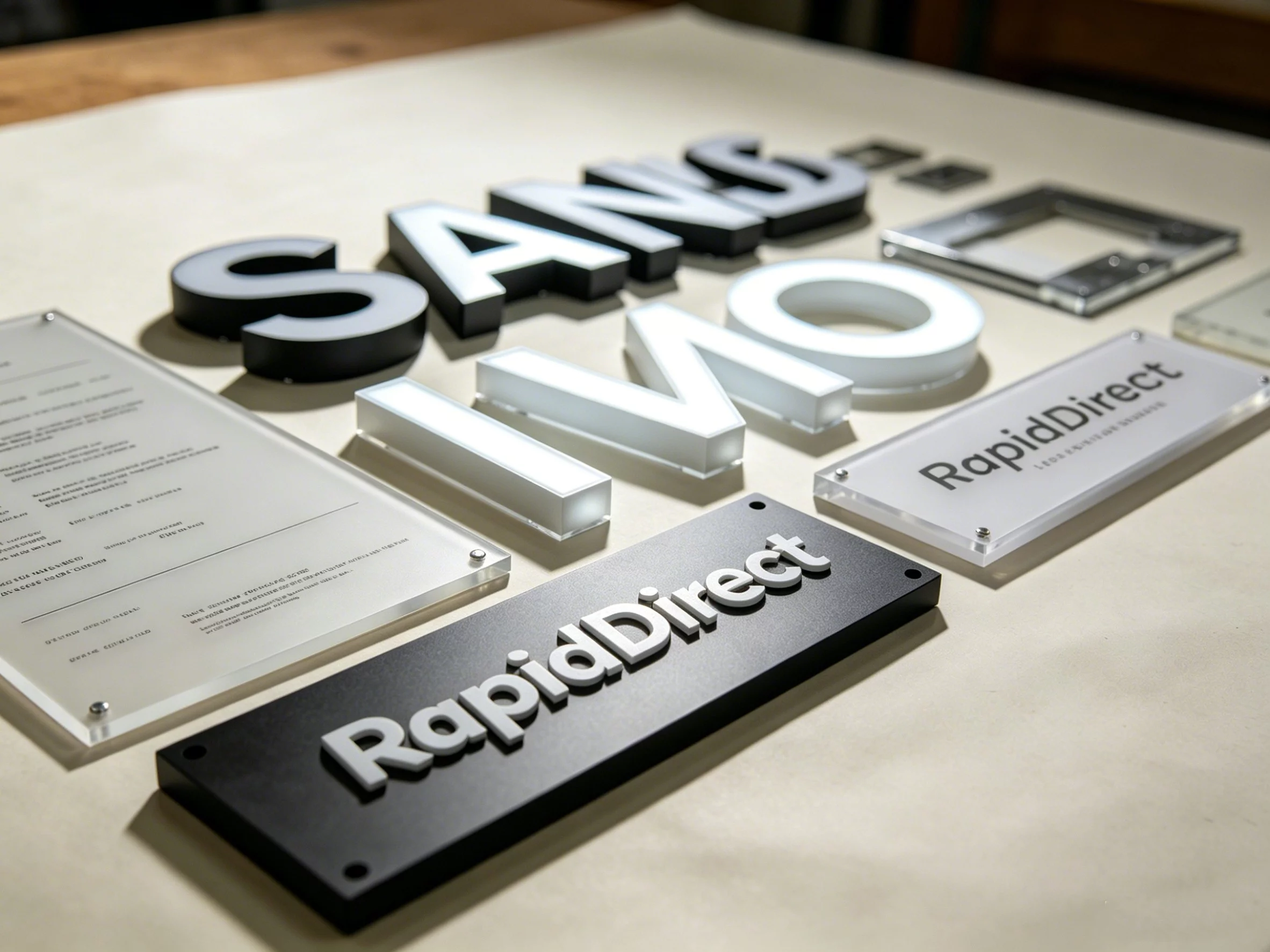
Precision CNC routing for acrylic signs, illuminated letters, logo panels, wayfinding systems, and retail branding displays.

Architectural panels CNC routing

Architectural Panels

Large-format CNC routing for decorative architectural components and interior fabrication projects.

Retail displays and fixtures CNC routing

Retail Displays & Fixtures

High-speed CNC routing for custom display systems, exhibition structures, and branded retail environments.

Industrial panels and enclosures CNC routing

Industrial Panels & Enclosures

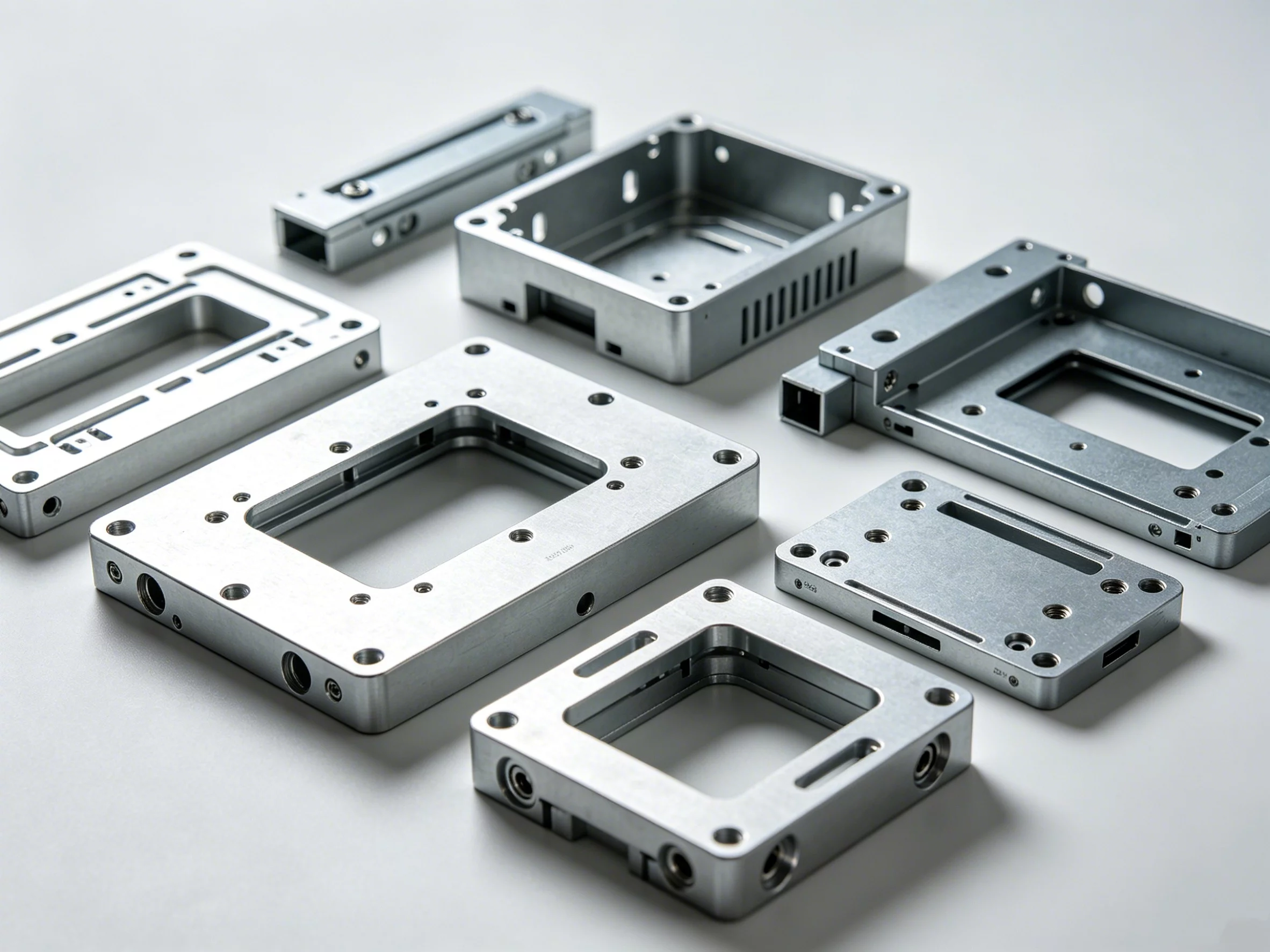
Functional CNC routed parts for industrial systems, machine protection, and lightweight enclosures.

Transportation and composite components CNC routing

Transportation & Composite Components

CNC routing for lightweight composite panels and custom transportation interior parts.

Foam and prototype fabrication CNC routing

Foam & Prototype Fabrication

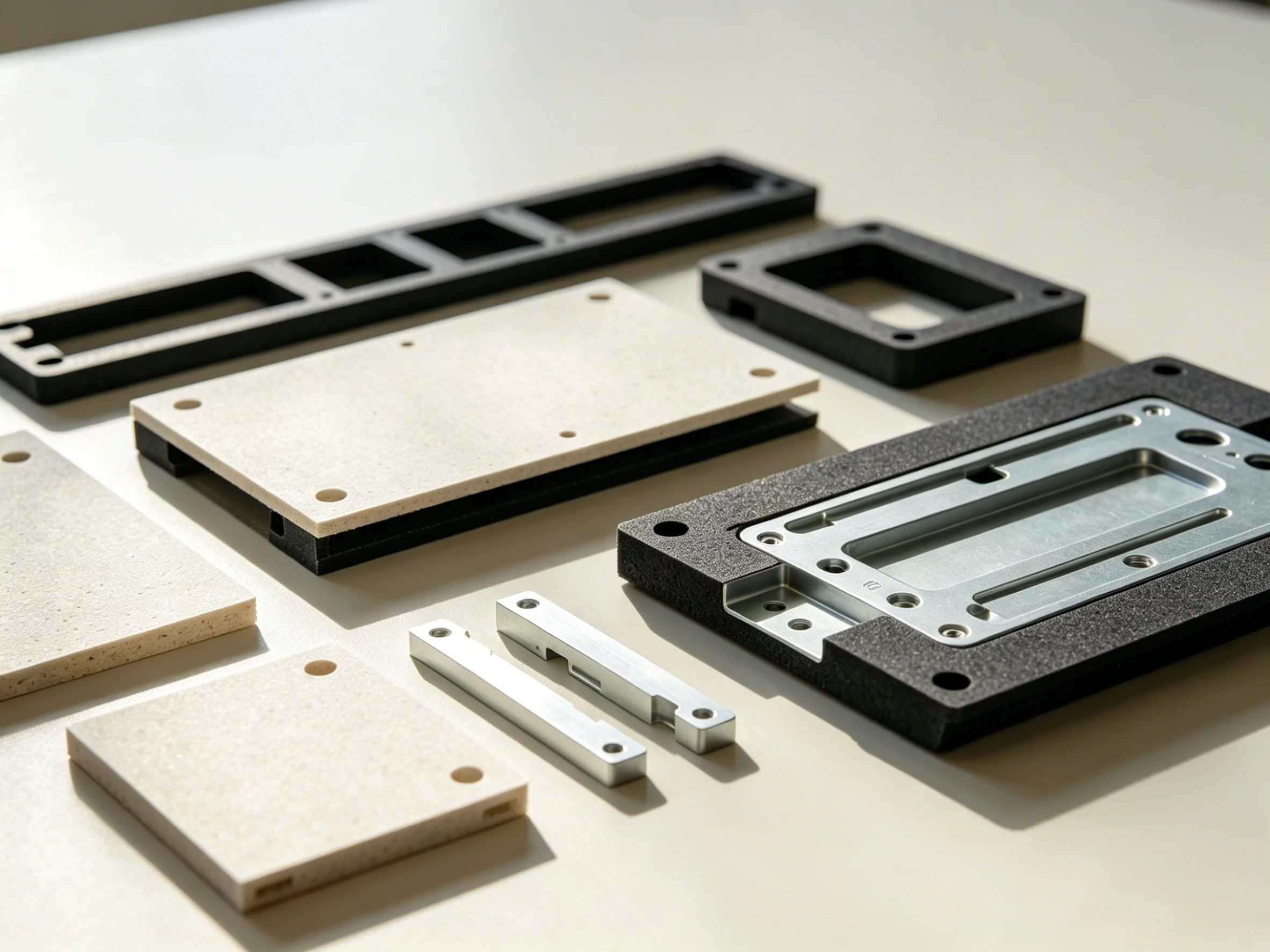
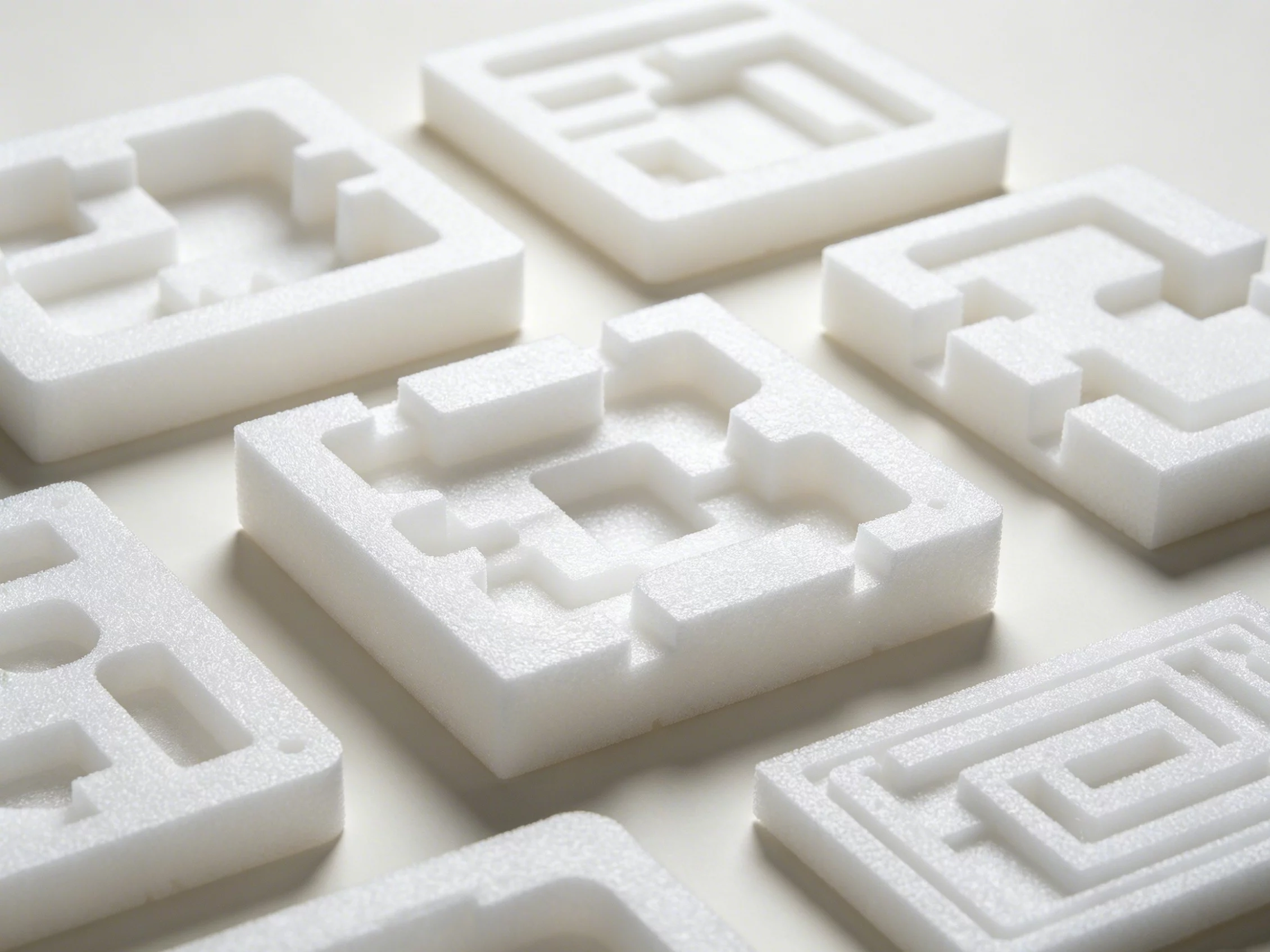
Fast CNC routing for foam prototypes, packaging inserts, concept models, and tooling support applications.

CNC Routing FAQs

CNC routing is a computer-controlled cutting process used to shape, engrave, and machine sheet materials such as wood, plastic, foam, composites, and aluminum. CNC routing is commonly used for signage, furniture panels, architectural components, industrial enclosures, and custom display fabrication.

A CNC routing operation uses programmed toolpaths to cut, drill, engrave, or contour materials with high speed and repeatability. Common routing operations include profile cutting, pocketing, engraving, edge trimming, and panel machining.

  • The price of CNC routing services varies based on:

    • Material selection
    • Panel dimensions
    • Thickness
    • Cutting complexity
    • Production volume
    • Surface and edge finish requirements

    Simple routed panels may cost significantly less than precision-routed acrylic displays or large composite assemblies. Batch production and optimized nesting can also help reduce manufacturing costs.

CNC routing is typically used for large-format panels, lightweight materials, and faster sheet processing, while CNC milling is better suited for high-precision metal parts and deep-feature machining.

CNC routing is commonly preferred for:

  • Signage
  • Furniture panels
  • Acrylic displays
  • Foam fabrication
  • Composite sheet cutting

CNC milling is ideal for complex geometries, slots, pockets, and contours, while CNC turning is best suited for cylindrical parts such as shafts and bushings.

If your part includes both rotational and prismatic features, combining milling and turning may be the most efficient solution.

Lead times for CNC routing services depend on material type, part complexity, quantity, and finishing requirements. Standard projects can often be completed within a few business days.

In CNC milling, tool offset refers to the adjustment made to account for the tool’s dimensions—specifically its length and diameter—during the machining process. These offsets ensure that the cutting tool operates with precision relative to the workpiece. By accurately setting tool offsets, a machinist can determine the correct starting point for machining, ensuring that the part is cut to the exact specifications required. Proper tool offsets are crucial for achieving accurate and consistent results in CNC milling operations.

Key advantages of CNC routing include:

  • Fast cutting speeds
  • Large-format panel processing
  • Cost-efficient sheet fabrication
  • Smooth contour cutting
  • Multi-material compatibility
  • Scalable production capability
The best materials for CNC routing depend on the application, required edge quality, durability, and production cost. Common routing materials include acrylic, MDF, plywood, PVC, HDPE, foam boards, composite panels, and aluminum sheets.

CNC routing is better for thick sheets, large panels, wood, plastics, and composite materials. It physically cuts material using rotating tools, making it ideal for structural panels and deep cuts. Laser cutting is more suitable for thin materials and applications requiring extremely fine detail or high-speed sheet cutting.

CNC routing is commonly used for plastics, wood, foam, and lightweight panels where clean edges and cost efficiency are important. Waterjet cutting is better for thick metals and heat-sensitive materials because it uses high-pressure water instead of cutting tools or heat.

Start Your CNC Routing Project Today