 French
  English
  German
  Russian
  Japanese
  Korean
  Spanish
  Italian
  Portuguese
 Quick answer:
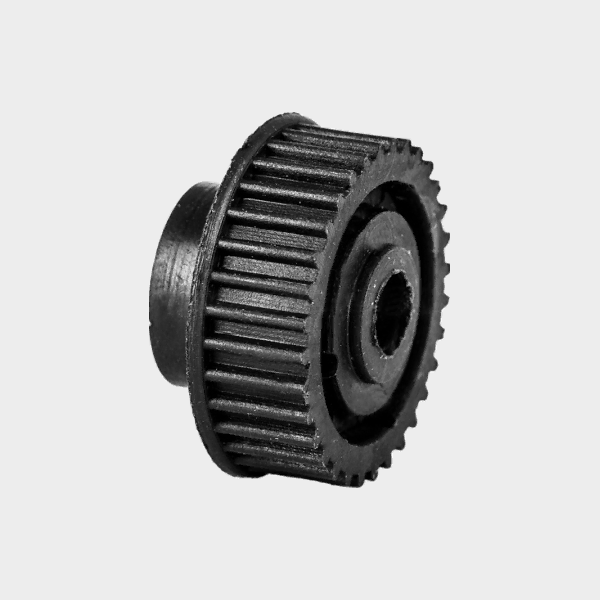
CNC plastics are precision components manufactured by computer-controlled machining of plastic raw stock. They deliver tight tolerances, smooth surface finishes, and consistent quality for functional parts, prototypes, and low-volume production. Common materials include PEEK, acetal, nylon, PTFE, and polycarbonate, each chosen for specific mechanical, thermal, or chemical needs.
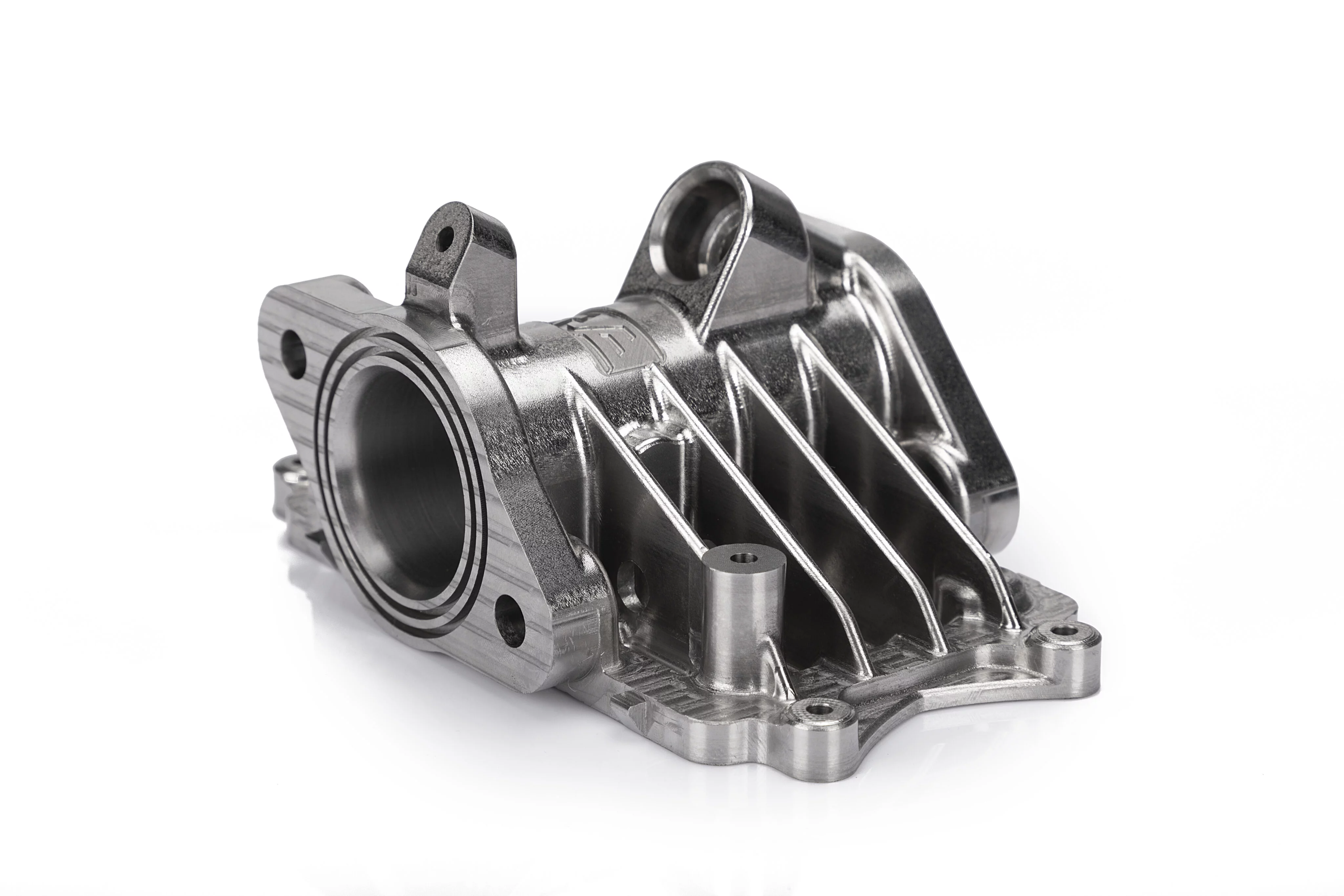
Plastic machining sits between injection molding and 3D printing in the manufacturing landscape. Buyers often face a difficult choice when metal is unnecessary but performance requirements exceed what additive processes can reliably deliver. The result is a part that meets dimensional accuracy and surface quality standards while keeping costs predictable.
YPMFG specializes in CNC machining of engineering plastics, supporting projects from early design review through final delivery. This article walks through material selection, design considerations, cost factors, and practical questions that buyers need answered before committing to production.
Understanding CNC-Machined Plastic Parts
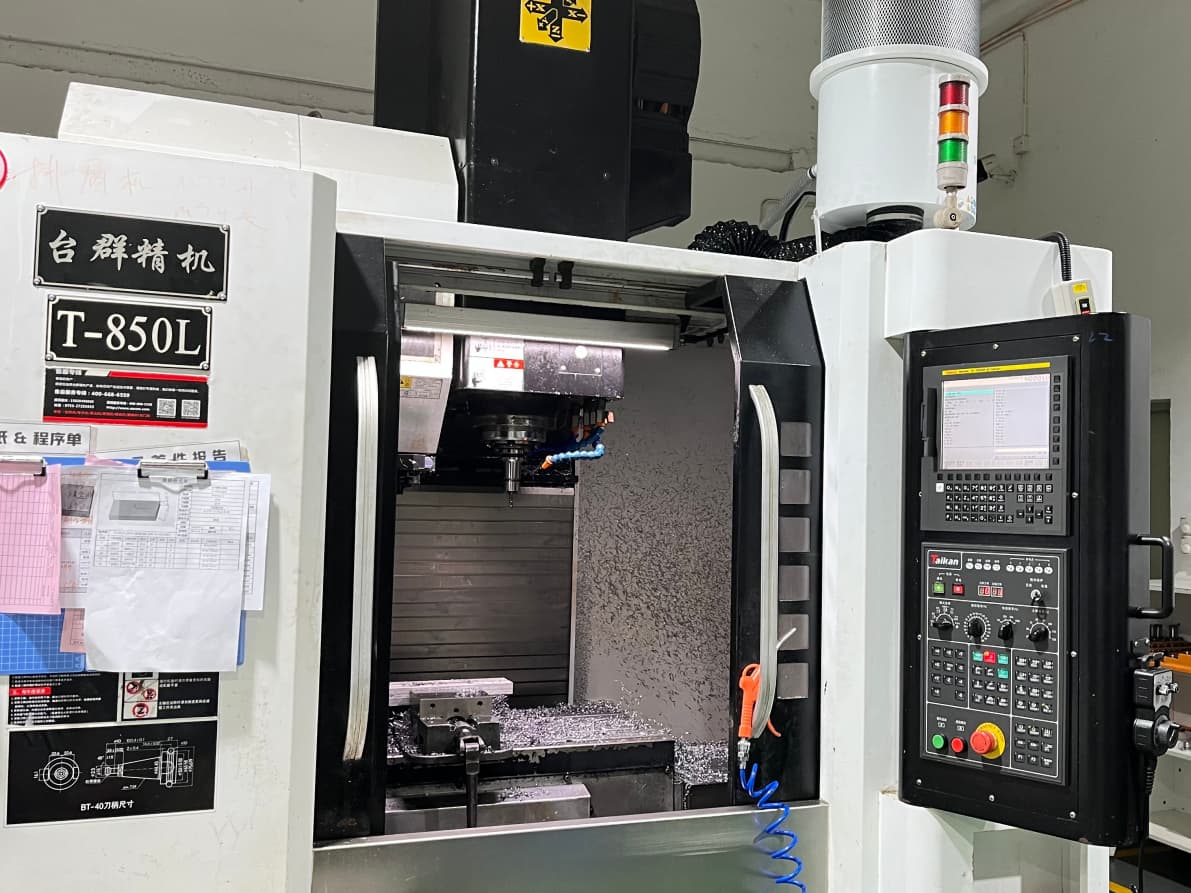
CNC machining removes material from solid plastic blocks, rods, or sheets using programmed tool paths. The process produces parts with excellent dimensional stability, repeatable tolerances, and minimal waste compared to casting or forming methods.
Engineers choose plastic over metal when weight reduction, electrical insulation, chemical resistance, or noise dampening matter. Procurement teams select CNC machining when batch sizes are too small for tooling investment or when design flexibility is essential during development.
The key distinction lies in understanding which plastics respond well to cutting, which require special tool geometries, and which present challenges during finishing or assembly. Material behavior during machining directly affects lead time, yield, and final part performance.
Common CNC Machinable Plastics and Their Applications
Selecting the right plastic material is the single most important decision in CNC machining projects. Each material offers distinct trade-offs between strength, temperature resistance, chemical compatibility, and cost.
Material selection should always start with the operating environment rather than cost alone. A part that fails prematurely in service will cost far more than a properly specified component chosen at the outset.
Design Considerations for CNC Plastics

Plastic machining presents unique design challenges compared to metalworking. Thermal expansion, tool deflection,and post-machining stress relaxation all influence final part geometry and dimensional stability.
Wall thickness guidelines should generally maintain a minimum of 0.8 mm for structural parts and 1.5 mm for load-bearing components. Thin walls warp during machining and become difficult to handle without damage.
Corner radii are essential in plastic design. Sharp internal corners create stress concentration points and are nearly impossible to machine with standard end mills. A radius equal to half the tool diameter is the practical minimum.
Tolerance expectations vary significantly by material and part size. Tighter tolerances below ±0.05 mm are achievable with PEEK and acetal on smaller features but require longer machining cycles and higher reject risk on larger components.
Draft and undercuts deserve attention for parts that will be demolded or assembled repeatedly. Plastics tend to spring back after machining, which can affect interference fits and threaded insert retention.
Cost Factors in CNC Plastic Machining
Understanding what drives cost helps buyers make informed decisions before requesting quotes. Several variables interact to determine the final price of a machined plastic part.
Material cost is only one component. Blank geometry and near-net-shape availability can dramatically reduce machining time. Standard rod and sheet sizes mean less raw material waste when part dimensions align with stock inventory.
Feature complexity directly affects cycle time. Simple prismatic shapes machine quickly, while 3D contours, thin walls, and deep cavities require multiple setups and slower cutting parameters. Each additional setup increases both time and potential for error.
Surface finish requirements introduce another variable. As-machined surfaces typically reach Ra 3.2 micrometers, which is acceptable for many applications. Specified finishes below Ra 1.6 micrometers require additional passes, special tooling, or secondary polishing operations.
Quantity and batch size determine whether CNC machining remains cost-effective. For single pieces or small batches, CNC machining is usually the most economical approach. When volumes exceed several hundred units, alternative methods such as injection molding may offer better unit economics despite higher tooling investment.
YPMFG provides engineering evaluation and custom solution analysis to help buyers understand the true cost picture before committing to a specification.
Quality Standards and Verification

Quality in CNC plastic machining involves both dimensional verification and material documentation. Buyers should expect traceability and testing documentation appropriate to their application requirements.
Dimensional inspection typically includes first-article reporting with CMM measurements for critical features. Statistical process control applies when producing repeated batches, ensuring consistency across production runs.
Material certificates verify resin lot numbers, mechanical property test results, and compliance declarations. Industries such as medical, aerospace, and food processing often require full traceability from raw material to finished part.
Surface quality standards are commonly defined by Ra values or visual reference samples. Ambiguous surface finish specifications lead to disputes between buyer and supplier. Providing reference samples or detailed specification sheets prevents misunderstandings during production.
Common Mistakes When Sourcing CNC Plastic Parts
Even experienced procurement teams encounter predictable pitfalls when ordering CNC-machined plastic components. Recognizing these issues early saves time and reduces the risk of receiving unsuitable parts.
Choosing a material based solely on price rather than application requirements is the most frequent error. A cheaper plastic that deforms under load or dissolves in contact fluid creates far greater expense than selecting the correct material initially.
Over-specifying tolerances inflates cost without delivering proportional value. Features that do not interface with other components rarely need sub-0.05 mm tolerance. Tolerancing every dimension to the tightest possible specification wastes machining time and raises rejection rates unnecessarily.
Ignoring post-machining handling requirements can damage parts before they reach the customer. Some plastics absorb moisture from the air and change dimensions during storage. Others soften under prolonged UV exposure or become brittle at low temperatures.
Insufficient communication about the part’s actual application scenario prevents suppliers from offering optimal material and process recommendations. The operating environment, contact fluids, temperature range, and mechanical loads should all be disclosed early in the inquiry process.
Practical Questions Before Choosing CNC Plastic Parts
Prospective buyers typically need clarity on several key points before moving forward with a CNC plastic machining project.
What lead time should I expect for a prototype order?
Lead times for prototyping usually range from 5 to 15 working days depending on part complexity and material availability. Rush options are often available for urgent development schedules.
Can CNC machining produce transparent or colored parts?
Clear materials such as polycarbonate and acrylic can be machined to optical quality. Colored stock is widely available for most engineering plastics, though color consistency across batches should be verified for aesthetic applications.
How do I verify material authenticity and certification?
Reputable suppliers provide material test reports and certificates of conformity with each shipment. Requests for additional testing or third-party verification should be handled transparently.
What happens if parts fail dimensional inspection?
Quality issues are resolved through rework, remanufacturing, or replacement depending on the nature of the defect. Clear quality policies and response timelines should be agreed upon before production begins.
Is CNC machining suitable for high-volume production?
CNC machining is most cost-effective for low to medium volumes. When annual requirements exceed several hundred to thousand units, evaluating injection molding or other volume-optimized processes is recommended.
Choosing the Right CNC Plastics for Your Application
The decision to machine plastic components involves balancing material performance, manufacturability, and total cost across the part lifecycle. Buyers who invest time in understanding their requirements up front avoid costly redesigns and supplier disputes later.
A thorough engineering review of your design specifications helps identify the most suitable material and process combination. Custom solution discussions with experienced manufacturers reveal design improvements that reduce cost without compromising function.
You can send your part drawings and specifications to YPMFG for an initial engineering assessment. The team will evaluate material selection, tolerance feasibility, surface finish requirements, and recommend optimizations before quoting your project. Contact us to begin your next CNC plastic machining program with confidence.