 French
  English
  German
  Russian
  Japanese
  Korean
  Spanish
  Italian
  Portuguese
 Réponse rapide : Custom sheet metal fabrication means creating metal parts that match your exact design, material, and tolerance needs. The best process depends on your part geometry, production volume, and surface requirements. At YPMFG, we help engineers and procurement teams select the right combination of cutting, bending, and finishing to meet those specific goals.
You are likely facing pressure to reduce lead times, control costs, or improve part consistency. Many projects stall because the wrong fabrication method is chosen early on. This leads to higher unit prices, unnecessary post-processing, or difficulty meeting tight tolerances. A clear understanding of how custom sheet metal fabrication works can help you make better decisions before requesting a quote.
The difference between standard and custom metal forming comes down to flexibility and precision. Standard processes work well for high-volume runs with simple shapes. Custom approaches are needed when designs are complex, materials are unusual, or tolerances are critical. Understanding these differences is the first step toward getting parts that perform correctly and arrive on time.
What Defines Custom Sheet Metal Fabrication
Custom fabrication starts with a specific drawing, CAD file, or prototype request. It is not a off-the-shelf product taken from a catalog. The process adapts to your exact specifications rather than forcing your design into an existing solution. This approach is common in industries like industrial equipment, automation, enclosures, and structural components.
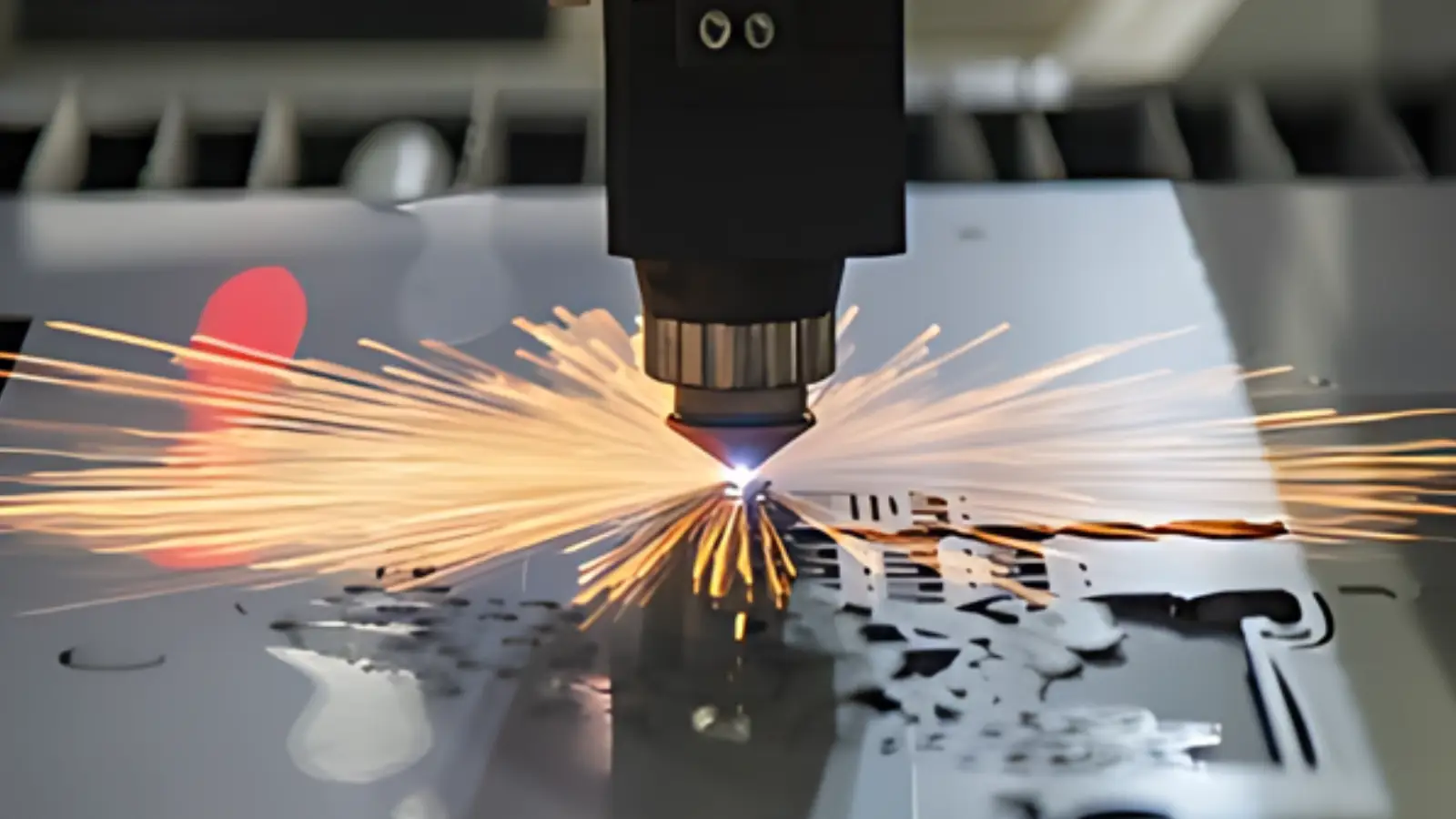
Several operations are typically combined to create the final part. The sequence usually includes blanking or shearing, punching, laser or waterjet cutting, bending, welding, and surface treatment. Each step can be adjusted based on material thickness, shape complexity, and order quantity. When these steps are planned carefully, the result is a part that meets your functional and aesthetic requirements.
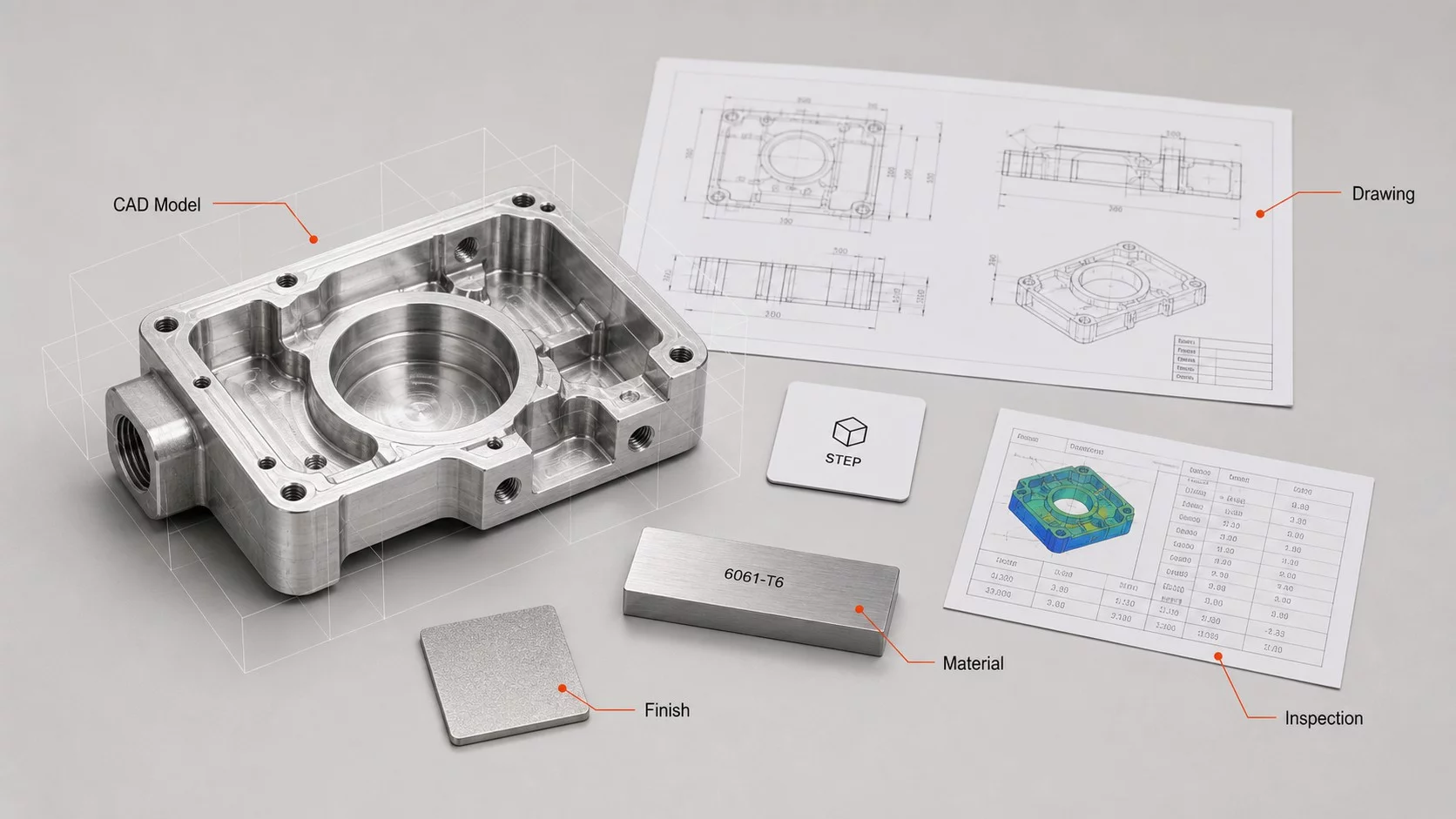
Choosing a custom process also affects how you manage quality and documentation. You will need to provide detailed drawings, material grades, surface finish expectations, and inspection criteria. Clear communication at this stage reduces the risk of misunderstandings and rework. It also helps suppliers like YPMFG give you a more accurate sheet metal fabrication quote and lead time estimate.
Key Processes Used in Custom Metal Part Production
Different operations serve different purposes in the fabrication workflow. Selecting the right mix depends on your part design and performance needs. Below is a breakdown of the most common processes used in modern metal fabrication services.
Each process has trade-offs in speed, accuracy, and cost. For example, laser cutting offers high precision but may not be the most economical choice for simple straight cuts in high volumes. Similarly, bending requires careful calculation of bend allowance and springback to maintain dimensional stability. Understanding these factors helps you evaluate whether a proposed manufacturing plan aligns with your project goals.
How Material Choice Impacts Your Final Part
The material you select determines strength, formability, corrosion resistance, and weight. Common choices include cold-rolled steel, stainless steel, aluminum, and specialty alloys. Each material behaves differently during cutting, bending, and welding. Choosing incorrectly can lead to cracking, distortion, or insufficient durability in service.
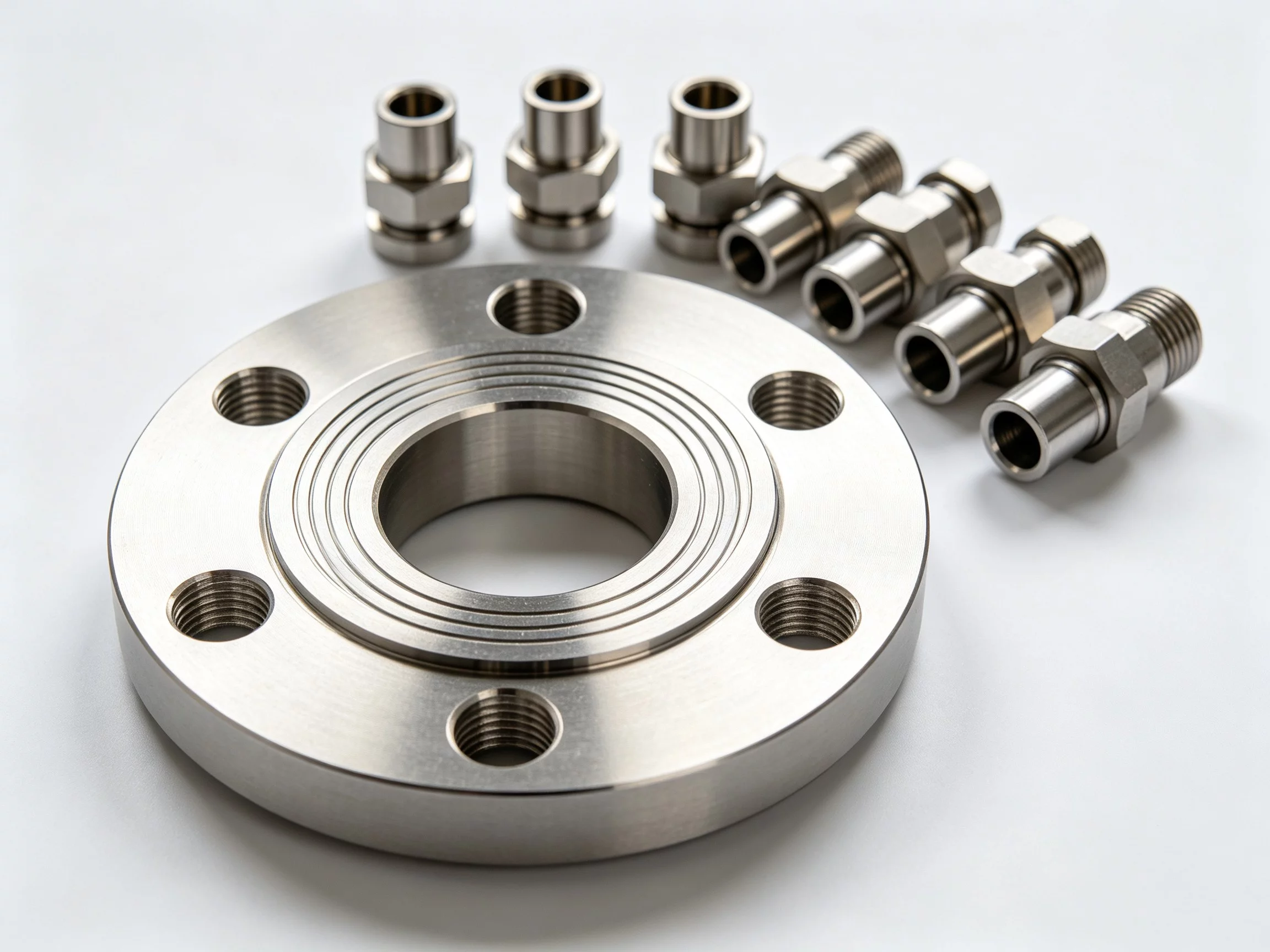
For general structural applications, mild steel is often selected for its balance of cost and strength. Stainless steel is preferred when corrosion resistance or hygiene is important, such as in food processing or medical equipment. Aluminum is chosen for lightweight needs and good machinability, especially in aerospace or electronics enclosures. Specialty materials like brass or copper are used for conductivity or decorative purposes.
Your material decision should also consider the final surface finish and any required treatments. Some materials accept plating or anodizing better than others. Others may require specific welding techniques to avoid defects. Working with an experienced team can help you avoid material-related failures before production begins.
Design for Manufacturability in Sheet Metal Projects
A well-designed part is easier to fabricate, inspect, and assemble. Many design errors become costly only after the part is already in production. Starting with design for manufacturability principles reduces these risks early in the development cycle.
Key considerations include minimum hole size, bend radius, edge distance, and tolerance stacking. Holes that are too small relative to material thickness may require EDM or laser drilling instead of punching. Sharp internal corners in bent parts can cause cracking,so adding fillet radii improves formability. Tolerances should be assigned only where functionally necessary, as overly tight specs increase cost without adding value.
Another important aspect is feature placement and accessibility. Features near edges or on thin sections may deform during handling or welding. Adding relief cuts, tabbing, or reinforcing ribs can improve structural integrity. These adjustments do not change the part’s function but make it more reliable during manufacturing and assembly.
Cost Factors That Influence Your Fabrication Quote
Several variables determine the final price of a custom sheet metal project. The most significant factors include material cost, part complexity, order quantity, surface treatment requirements, and inspection level. Understanding how these elements interact helps you evaluate quotes more effectively.
Material cost is directly tied to weight and grade. Heavier parts in premium alloys will naturally cost more. Complexity affects setup time, machine programming, and handling. A simple bracket with one bend is faster to produce than an enclosure with multiple formed features and welded seams. Order quantity influences unit price through economies of scale, but small batches may still be viable with efficient process planning.
Surface treatments like powder coating, anodizing, or plating add steps and cost. Inspection requirements also impact pricing, as tighter tolerances may demand in-process checks or CMM verification. A detailed sheet metal fabrication quote should break down these components so you can see where costs come from and where adjustments might be made.
Common Mistakes to Avoid When Ordering Custom Parts
Many buyers repeat the same errors when placing their first fabrication order. These mistakes often stem from incomplete information or unrealistic expectations. Recognizing them early can save time, money, and frustration.
One frequent error is providing only a rough sketch instead of a detailed drawing. Fabrication requires clear dimensions, tolerances, material specs, and finish requirements. Without this information, the supplier must guess, which increases the chance of errors. Another mistake is ignoring lead time implications of certain materials or finishes. Some coatings require curing time, and imported materials may have longer supply delays.
Over-specifying tolerances is another common issue. Tight tolerances on non-critical features raise costs without improving performance. It is better to apply precise dimensions only where assembly or function demands them. Additionally, failing to consider sample approval before full production can lead to批量 errors. Requesting a pre-production sample allows you to verify fit, form, and finish before committing to volume.
How to Evaluate a Fabrication Partner Effectively
Selecting the right supplier is as important as designing the part correctly. Not all manufacturers have the same capabilities or quality systems. A careful evaluation helps you avoid surprises during production.
Start by reviewing their technical documentation and process descriptions. Do they clearly explain how they handle quoting, design feedback, and quality control? Look for evidence of engineering support, such as DFM reviews or sample production. A partner that proactively identifies design issues is more likely to deliver parts that meet your expectations.
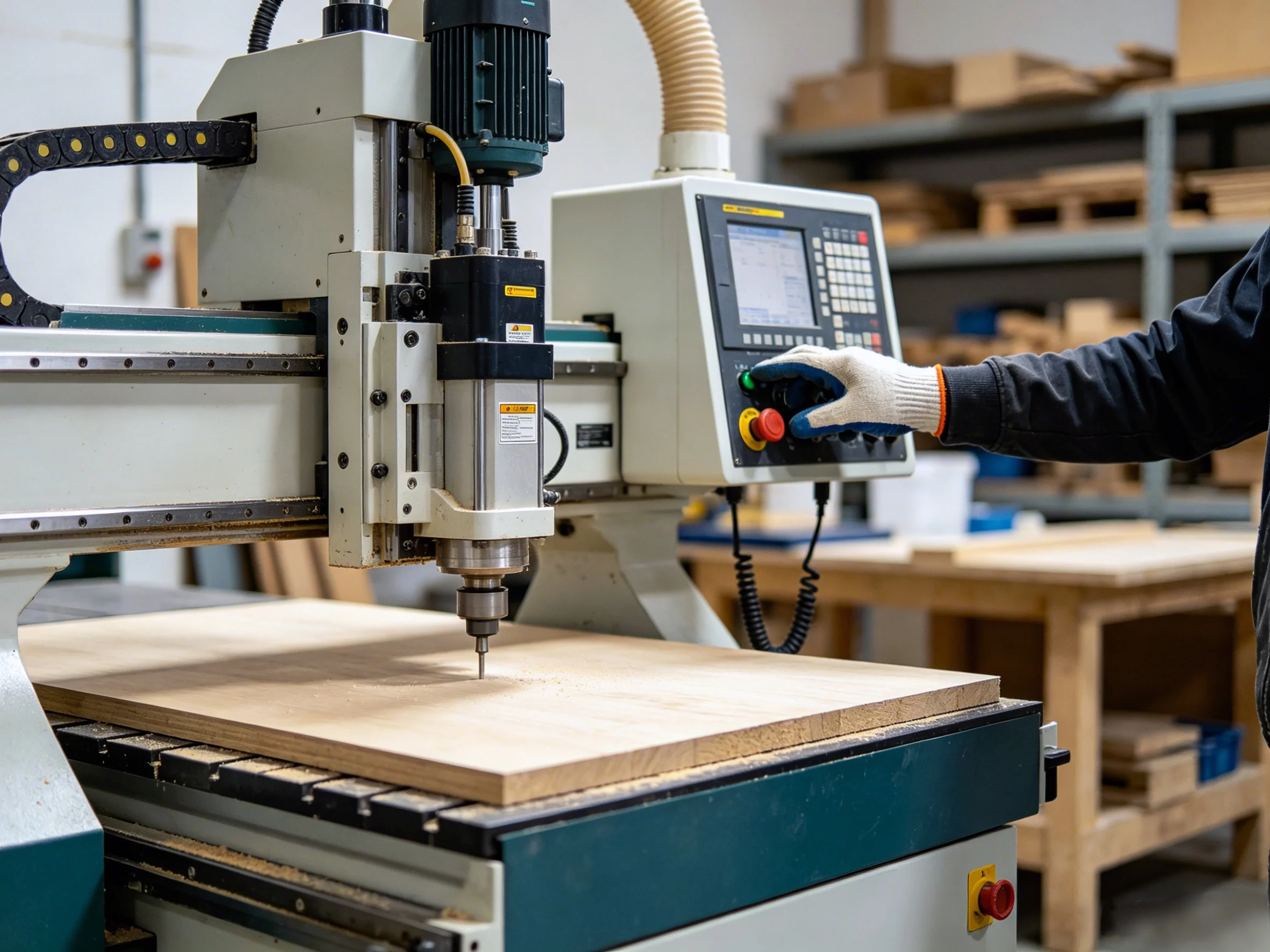
Ask about their equipment and material certifications. Modern fabrication relies on CNC-controlled machines for consistency. Verify that they can handle your required thickness ranges and material types. Quality systems like ISO 9001 can indicate structured processes, but the real test is in their ability to produce parts within your specified tolerances consistently.
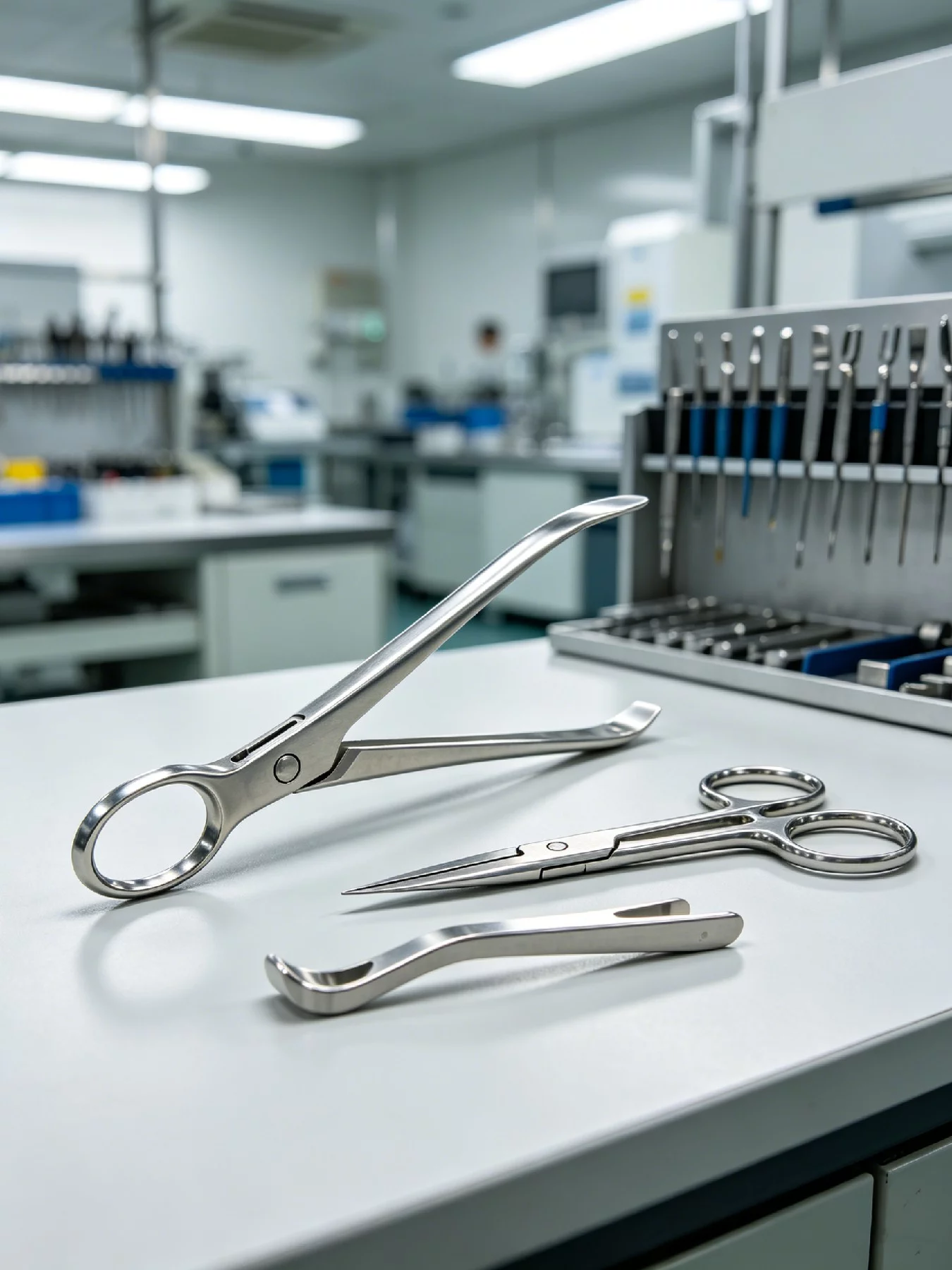
Requesting a custom metal forming sample is a practical way to assess capability. It reveals how they communicate, document, and deliver. You can inspect the part for dimensional accuracy, surface quality, and overall craftsmanship. This step often prevents larger problems downstream in your assembly or product launch.
Questions Buyers Often Ask About Custom Fabrication
What is the typical lead time for custom sheet metal parts?
Lead time depends on part complexity, material availability, and order size. Simple parts may take one to two weeks, while complex assemblies with multiple finishes can take three to six weeks. Rush orders are often possible but may incur additional charges.
Can you work from 3D CAD models instead of 2D drawings?
Yes, many manufacturers accept STEP, IGES, or native CAD files. However, 2D drawings with clear callouts are still recommended for specifying tolerances, finishes, and inspection points. Your supplier can usually extract most manufacturing data from a well-documented 3D model.
How do you handle quality inspection during production?
Quality checks vary by project requirements. Common methods include first-article inspection, in-process monitoring, and final random sampling. Some projects require full CMM reporting or material certificates. Discuss your inspection needs upfront so they can be built into the production plan.
What surface finish options are available?
Standard options include mill finish, powder coating, anodizing, electroplating, and passivation. The choice depends on your functional needs, such as corrosion resistance, wear resistance, or aesthetics. Your supplier should provide finish specifications and samples before production begins.
Are small batch orders accepted?
Yes, most custom fabrication shops handle both prototype runs and small batches. While per-unit costs are higher than mass production, small orders are still economically viable with efficient setup and programming. This allows you to validate designs before scaling up.
How do you manage design changes after production starts?
Changes should be communicated immediately. Depending on the stage of production, modifications may be possible with minimal delay or may require restarting certain steps. Clear change management processes help minimize disruption and keep your project on track.
What information do you need to provide a accurate quote?
Please share your part drawings, material specifications, required quantities, surface finish expectations, and any critical tolerances. Additional details like packaging requirements or delivery timelines help ensure the quote reflects your actual needs.
Making a Better Long-Term Decision
Custom sheet metal fabrication is more than a transactional purchase. It is a partnership that affects your product’s quality, cost, and time to market. Choosing the right process, material, and supplier requires careful planning and clear communication. The decisions you make early in the project set the foundation for everything that follows.
By understanding the key variables involved in metal part manufacturing, you can ask better questions, evaluate quotes more effectively, and avoid common pitfalls. This knowledge also helps you collaborate more efficiently with your fabricator, leading to fewer revisions and smoother production runs.
If you are preparing a new project or evaluating current suppliers, you can send your specifications to YPMFG for a free engineering review. Our team can help you select the most suitable fabrication approach, identify potential design improvements, and provide a detailed quote tailored to your requirements. Getting this guidance early often results in better part performance and lower total cost.