 French
  English
  German
  Russian
  Japanese
  Korean
  Spanish
  Italian
  Portuguese
 Réponse rapide :
A metal stamping press shapes flat metal sheets into precise parts using progressive dies or single-station tooling. The right press depends on four factors: tonnage rating, stroke length, feed system type, and achievable part tolerance. Selecting a press with insufficient tonnage causes die deflection and dimensional drift. Choosing one with excess tonnage wastes energy and increases maintenance. Most production parts fall between 5 and 100 tons, though heavy-gauge work may require 200+ tons. Before committing, verify your part drawings against the press specification sheet and confirm die-set clearance.
You have a part drawing, a material spec, and a production volume target. The press you select will determine whether those targets are achievable at acceptable cost. YPMFG works with buyers who need to match a metal stamping press to specific part requirements without overspending on capability they will never use.
What a Metal Stamping Press Actually Does
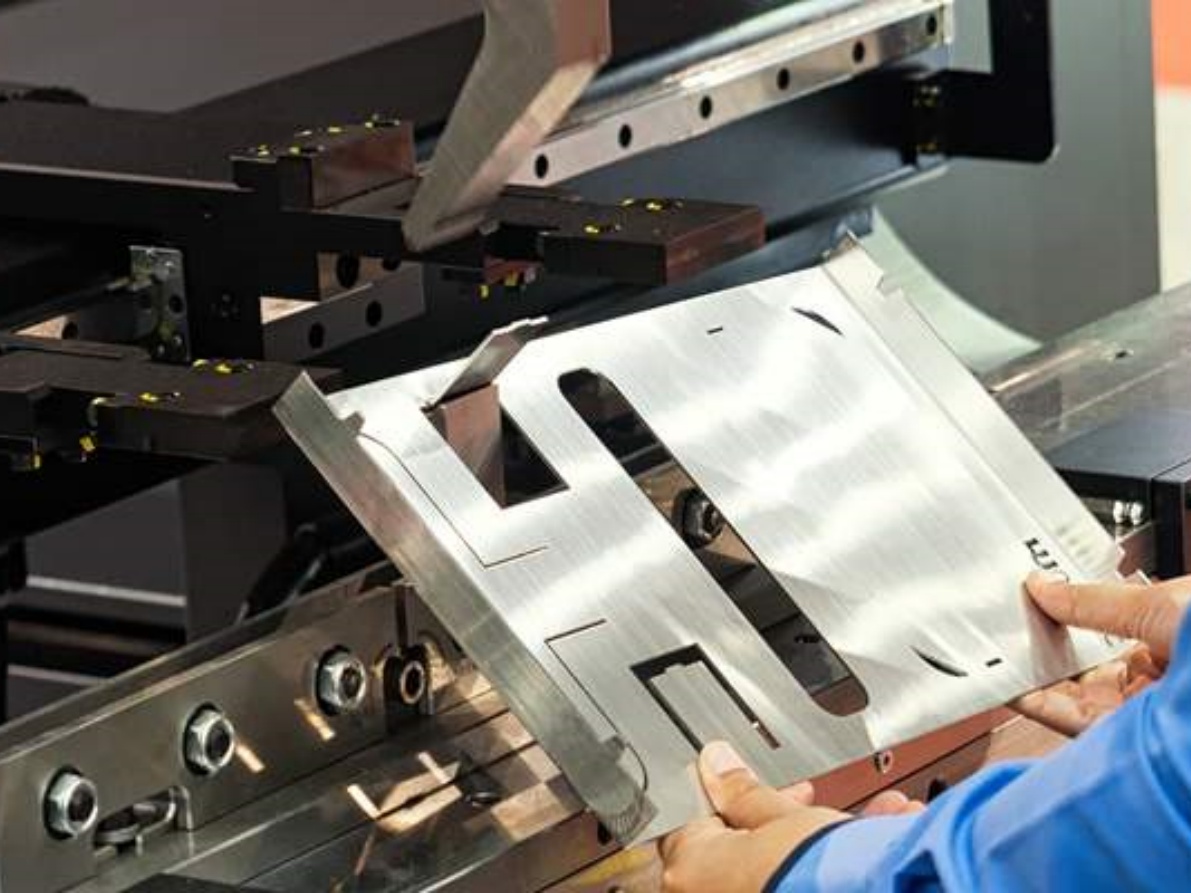
A stamping press applies controlled downward force through a die set to cut, bend, or form sheet metal. The process repeats thousands of times per hour in production runs. Understanding the stroke mechanism matters because it determines your cycle speed,force curve, and die compatibility.
Key Specifications to Verify Before Purchase
Match these parameters to your part drawings and material grade before selecting a press:

Verify each value against your engineering drawing. A one-size-fits-all press rarely covers a specific part family. YPMFG can review your part specifications and confirm whether a given press rating covers your tolerance band and material range.
Press Types: Mechanical, Hydraulic, and Servo
Mechanical presses use a crankshaft and flywheel. They deliver rapid, consistent strokes ideal for high-volume progressive stamping runs. Hydraulic presses offer adjustable force curves for complex or progressive forming operations. Servo-driven presses allow programmable ram positioning, which helps with multi-operation dies and delicate spring materials.
The trade-off is speed versus flexibility. Mechanical units cycle fastest but cannot vary force mid-stroke. Servo units run slower per cycle but reduce scrap on thin or high-spring-back materials. For steady production of a single part at high volume, a mechanical press is typically the cost-effective choice.
Common Selection Mistakes That Add Hidden Cost
Four errors show up repeatedly in procurement reviews:
Sizing tonnage to the thickest material you “might” use instead of your confirmed production spec.
Ignoring the feed system’s alignment with your die layout. A step-feed press feeding a progressive die causes registration errors across stations.
Skipping ram parallelism checks. Even 0.1 mm of ram tilt accumulates over thousands of hits and widens your tolerance bands.
Not confirming die-set clearance in the press spec sheet. Insufficient clearance causes burr formation and accelerated tool wear on the die faces.
Address each item during your pre-purchase audit. A short engineering review saves weeks of production debugging and rework cycles.
## Practical Questions Before Choosing a Metal Stamping Press
What tonnage do I actually need?
Calculate required force from your material shear area, then multiply by a 1.5 safety factor. Your supplier’s engineering team can verify this against your specific die layout and material grade.
Can I mix different sheet thicknesses on the same press?
Typically no. Most presses are set for a thickness window of roughly ±0.5 mm. Run mixed-thickness parts on a dedicated press or a servo unit with adjustable die clearance.
How do I verify die registration accuracy?
Check the press spec for back-gauge repeatability (often ±0.025 mm on precision units) and confirm your die-set tolerance stack matches that value before tooling is finalized.
What maintenance interval should I plan for?
Lubrication every 8–10 hours of runtime, full bearing inspection every 2,000 hours, and clutch or brake checks per the OEM schedule. Confirm these intervals with the press manufacturer in writing.
Making the Right Long-Term Decision
The press you select today dictates your part quality, scrap rate, and tooling life for years ahead. A well-matched metal stamping press reduces rework, extends die life, and keeps your production schedule stable under volume changes.
If you are evaluating a press for a specific part family, YPMFG can review your drawings, material spec, and target volume. Send your parameters and we will confirm the required press rating, feed configuration, and tolerance feasibility before you commit to a purchase.