 French
  English
  German
  Russian
  Japanese
  Korean
  Spanish
  Italian
  Portuguese
 Quick answer:
Custom sheet metal fabrication turns flat metal sheets into precision, application-specific parts through cutting, bending and forming processes. It is the go-to solution for projects that cannot use off-the-shelf components, and it supports custom geometries, material grades and performance requirements that match exact design intent. This process is widely used across industrial, aerospace and general manufacturing sectors.
Many new procurement teams face unexpected delays and quality gaps when sourcing custom metal components. Common pain points include mismatched material specs, unplanned rework costs and parts that fail to fit final assemblies even after detailed drawings are submitted.
Understanding Custom Sheet Metal Fabrication Basics
Custom sheet metal fabrication is a subtractive and forming manufacturing process that works with thin, flat metal stock. Unlike casting or forging, it does not melt the base material to create the final part shape.
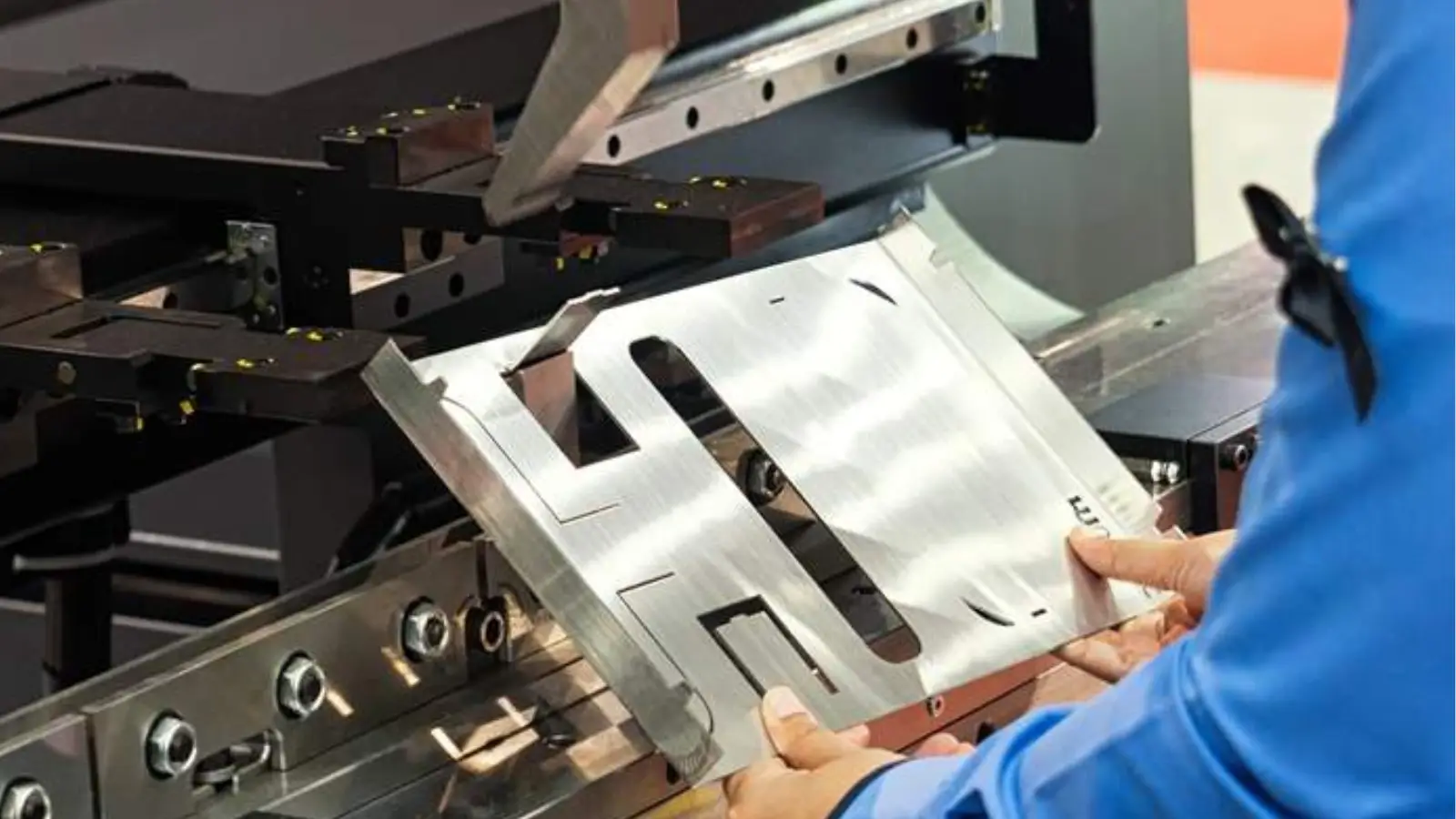
It covers a full range of operations including laser cutting, stamping, bending, welding and surface finishing. Each step is selected based on part geometry, material thickness and required tolerance levels.
The most commonly used base materials include cold rolled steel, stainless steel, aluminum, copper and brass. Material selection directly impacts part strength, corrosion resistance, weight and total project cost.
Key Factors That Affect Final Part Quality
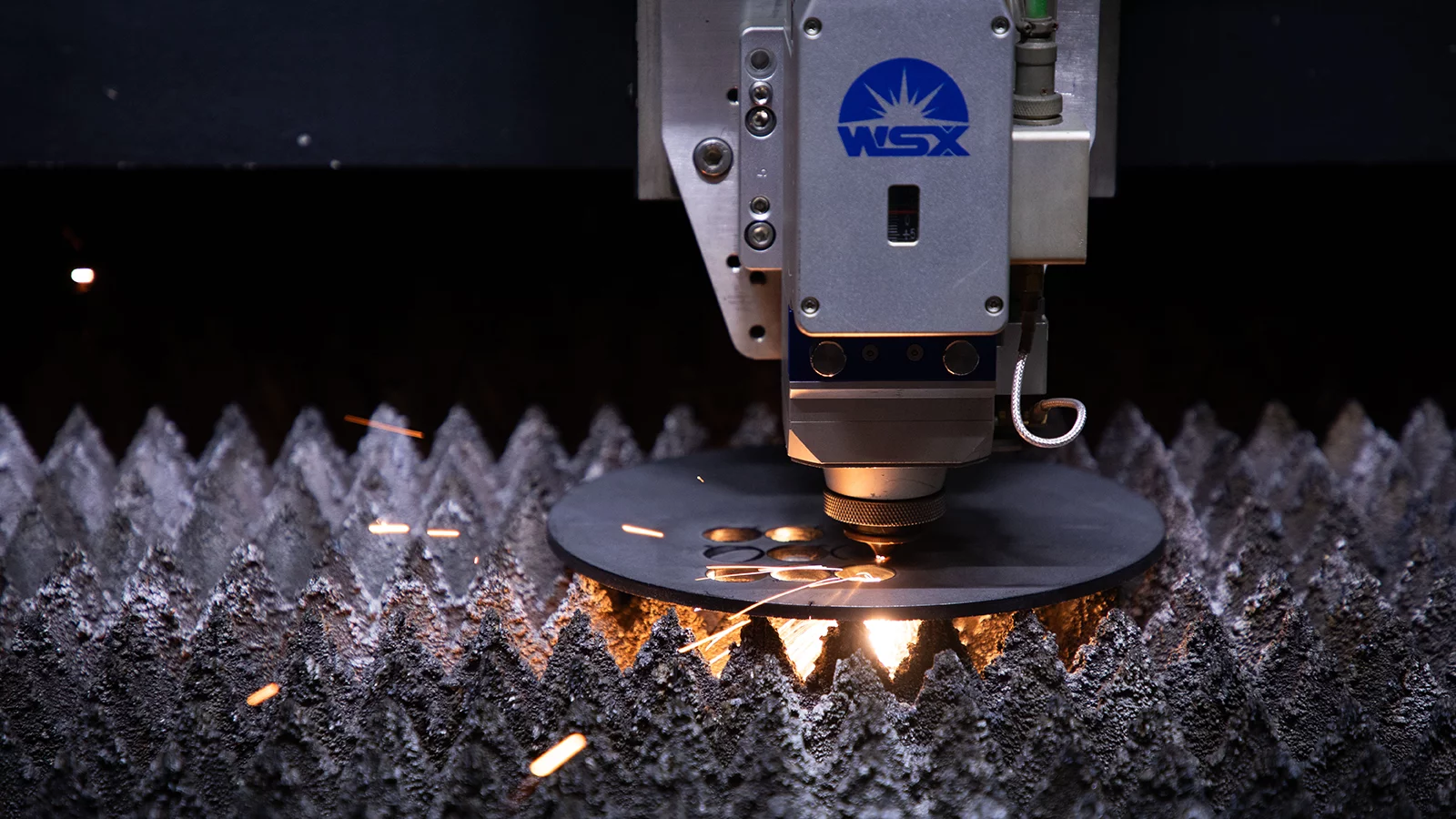
Even with a complete engineering drawing, small overlooked details can lead to non-conforming parts that do not meet functional requirements. Buyers should evaluate these factors before confirming any production order.
Tolerance requirements define the allowable deviation in every dimension of the finished part. Tighter tolerances demand more precise equipment and usually increase per-unit processing time.
Material grain direction, bend radius and edge condition all influence how a part performs under real operating loads. Poorly planned bends can introduce internal stress that causes cracking after installation.
YPMFG reviews these four check points during the initial engineering assessment before any custom sheet metal fabrication project moves to full production. This step helps catch potential issues early and reduces the chance of unexpected rework later.
Common Mistakes to Avoid During Procurement
One of the most frequent mistakes is submitting a drawing without defining critical functional requirements beyond basic dimensions. A part may match all printed measurements but still fail to perform in its intended operating environment.
Skipping a prototype test run before placing a large volume order exposes teams to high scrap costs if design flaws are only discovered after full production. A small sample batch lets you validate fit, form and function at much lower risk.
Choosing a supplier based only on the lowest quoted unit price often leads to hidden costs from delays, rework and inconsistent quality over the full project lifecycle.
Practical Questions Before Placing Your Order
Can I modify my design after the first sample is produced?
Most suppliers accept reasonable design adjustments after the first article review. Major geometry changes may require updated tooling and a revised timeline before full production.
What file formats are accepted for custom part drawings?
Standard formats including STEP, IGES, DXF and PDF are widely supported. Native CAD files help engineering teams validate tool paths and bend sequences more accurately.
How long does a typical custom sheet metal fabrication project take from drawing to delivery?
Lead times vary based on part complexity, quantity and current shop load. Many standard projects are completed within 2 to 4 weeks after drawing confirmation and material preparation.
Are secondary operations like powder coating or plating included in standard service?
Most qualified fabrication shops offer a full range of secondary finishing services. You should confirm these items are covered in your initial quote to avoid unplanned third-party processing delays.
What happens if a batch of parts does not match my drawing requirements?
Reputable suppliers will review non-conforming parts and offer rework, replacement or partial credit based on the root cause. Clear quality agreements at the start of the project prevent disputes later.
Can you provide material test documentation for every production batch?
Most metal suppliers can provide mill test reports that confirm material composition and mechanical properties. This documentation is essential for regulated industries with strict compliance rules.
Choosing the Right Solution for Your Application
Every custom sheet metal project balances performance, lead time and total ownership cost. The most reliable approach is to work with a team that reviews your full design intent,not just the dimensions on a 2D drawing.
If you are preparing a new project and need a second set of experienced eyes to review your drawings, YPMFG offers free engineering evaluations to identify potential manufacturability issues. You can send your specifications directly to get a clear, detailed quote, discuss custom manufacturing solutions and request sample testing before committing to full production.