Italian
  English
  German
  Russian
  Japanese
  Korean
  Spanish
  French
  Portuguese
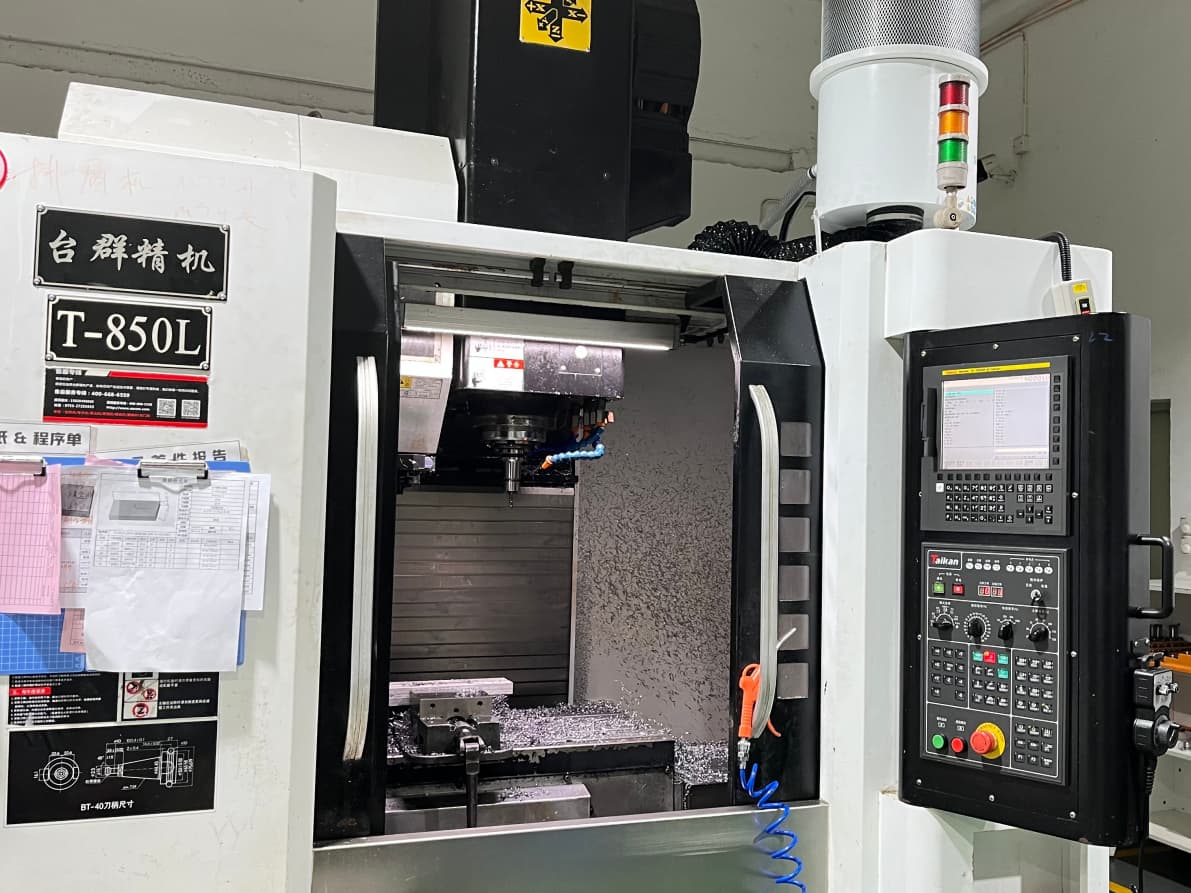
 CNC milling metal removes material from a solid block using rotating cutting tools guided by computer programming. The finished part typically holds tolerances within ±0.01 mm on critical features. The process suits complex geometries, prototypes,and small-to-medium batch runs where casting or stamping cannot meet dimensional specs. Key variables are material grade, tool path strategy, machine rigidity, and finishing requirements. Getting these right on the front end avoids costly rework downstream.
What CNC Milling Metal Actually Involves
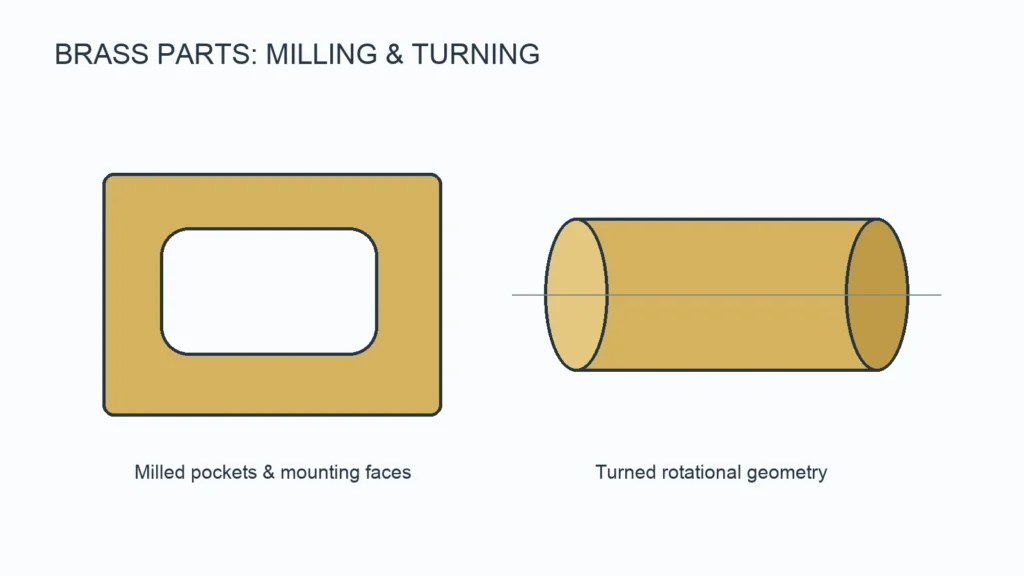
CNC milling begins with a 3D CAD model converted into a CAM tool path. The machine moves the workpiece or tool along X, Y, and Z axes, cutting away material layer by layer. Unlike turning, which is limited to cylindrical shapes, milling handles flat surfaces, pockets, threads, and multi-axis contours in one setup. 3-axis, 4-axis, and 5-axis CNC milling differ in how many tool orientations are reachable. The axis count you need should match your part geometry, not just the shop’s maximum capability.
Choosing the Right Milling Setup
The right setup is driven by four inputs: material, tolerance, batch size, and surface finish. Aluminum 6061, steel 1018, and titanium 6Al-4V each demand different feed rates and tooling strategies. A part calling ±0.005 mm on multiple faces may require a 5-axis center, while a simple bracket runs fine on 3-axis at lower cost.
Once these parameters are locked, Tolleranza di lavorazione CNC e scelta dei materiali drive the quote more than any other variable. YPMFG reviews drawings against these factors and flags where a small design change cuts cycle time without sacrificing function.
Cost Factors That Surprise Buyers
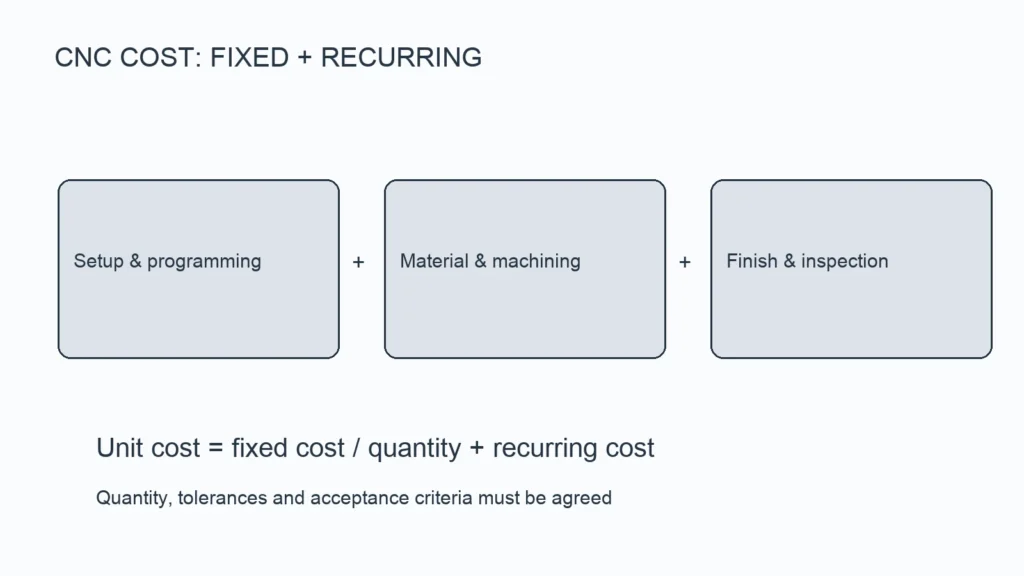
Unit price is only one layer of the total cost. Several hidden drivers matter just as much:
Fixturing time. Complex shapes need custom jaws or vacuum plates, adding setup hours before cutting even starts.
Tooling wear. Hard alloys like Inconel consume carbide inserts 4 to 6 times faster than aluminum, raising per-part tooling expense.
Secondary operations. Tapping, broaching, or post-mill heat treatment each add a separate line item.
Scrap and rework. Tight tolerances on thin-walled features increase rejection risk and disposal cost.
CNC milling cost also varies by region and machine load. The same part takes more money on a fully booked machine than on an idle one. Budget for the full scope, not just the cutting hours.
Errori comuni da evitare

Specifying tolerance without context is the most frequent error. A ±0.01 mm callout on a non-functional face inflates cost with zero functional benefit.
Ignoring grain direction in sheet-fed stock is another trap. Residual stress from the original rolling process can cause warpage after stress relief, especially on thin parts.
Choosing material on price alone backfires. A 30-cent-per-kilogram savings on aluminum alloy may double cycle time if the substitute is harder to machine.
Sending incomplete drawings is the biggest schedule risk. Missing datums, undefined Ra values, or unclear hole depth force the supplier to guess, which delays the entire project.
## Questions Buyers Often Ask About CNC Milled Parts
What is the smallest part I can get milled from metal?
Practical lower limits depend on tool diameter and machine stability. In many shops, features down to 0.5 mm are machinable on a 5-axis center. Below that, micro-milling or EDM becomes more economical.
Does CNC milling leave residual stress in the part?
Yes. Cutting generates residual stress that can shift dimensions over time. For critical fatigue or optical applications, specify a post-machining stress-relief step on the drawing and define the heat-treatment window.
Can I get a sample before committing to a full batch?
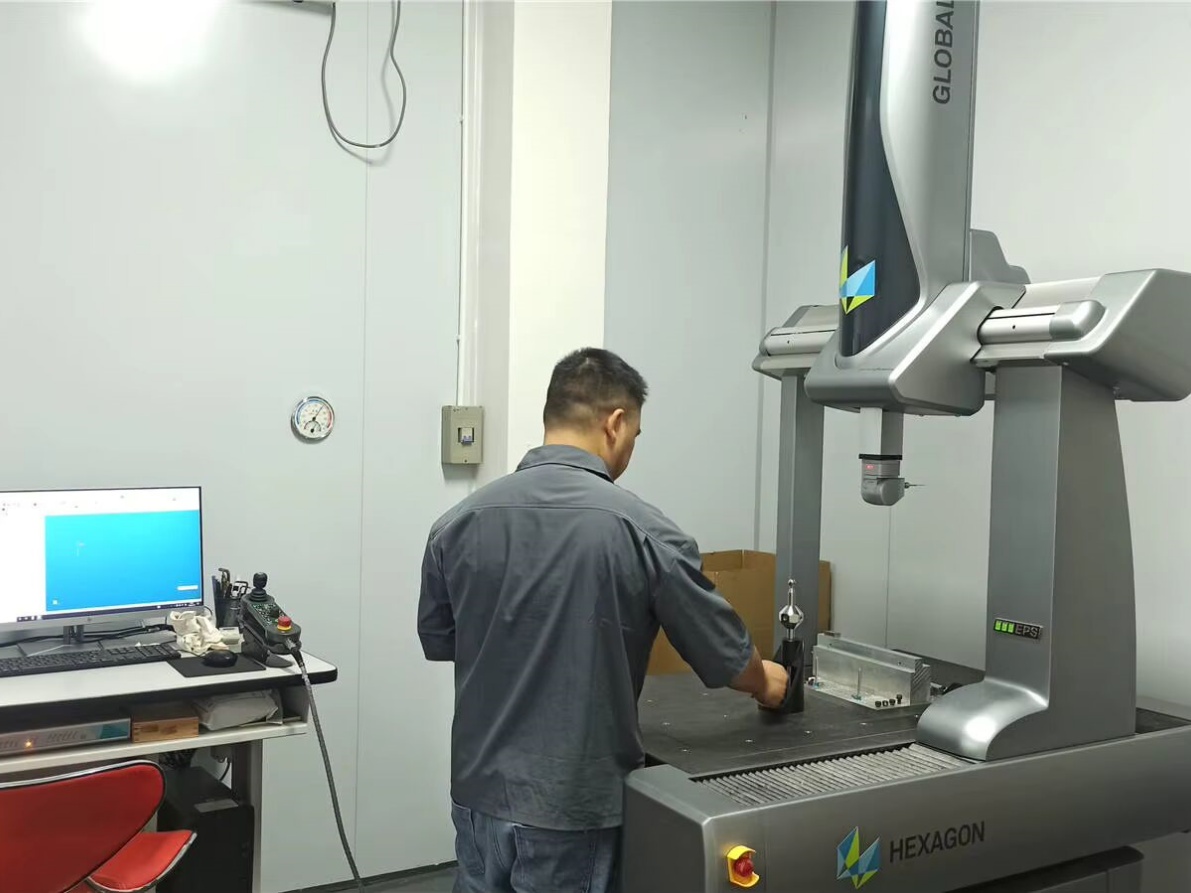
Most CNC shops produce a first-article sample from the same tooling and setup. YPMFG includes a first-article inspection report with the sample so you can verify dimensions and finish before the production run starts.
What file formats should I send for quoting?
STEP or IGES 3D models are standard. DXF works for 2D profiles. Include a notes block specifying material grade, tolerance class, and Ra per face. PDF drawings alone are not enough for CAM programming.
## Choosing the Right CNC Milling Partner for Your Part
The goal is not just to find a machine. You need a shop that reads your drawing, flags manufacturability issues, and tells you when a design tweak saves money. Send your modello CAD and specifications to YPMFG for an engineering review. The team confirms tool paths, estimates cycle time, and returns a transparent quote with no hidden secondary operations. You get a clear number before you commit.