Italian
  English
  German
  Russian
  Japanese
  Korean
  Spanish
  French
  Portuguese
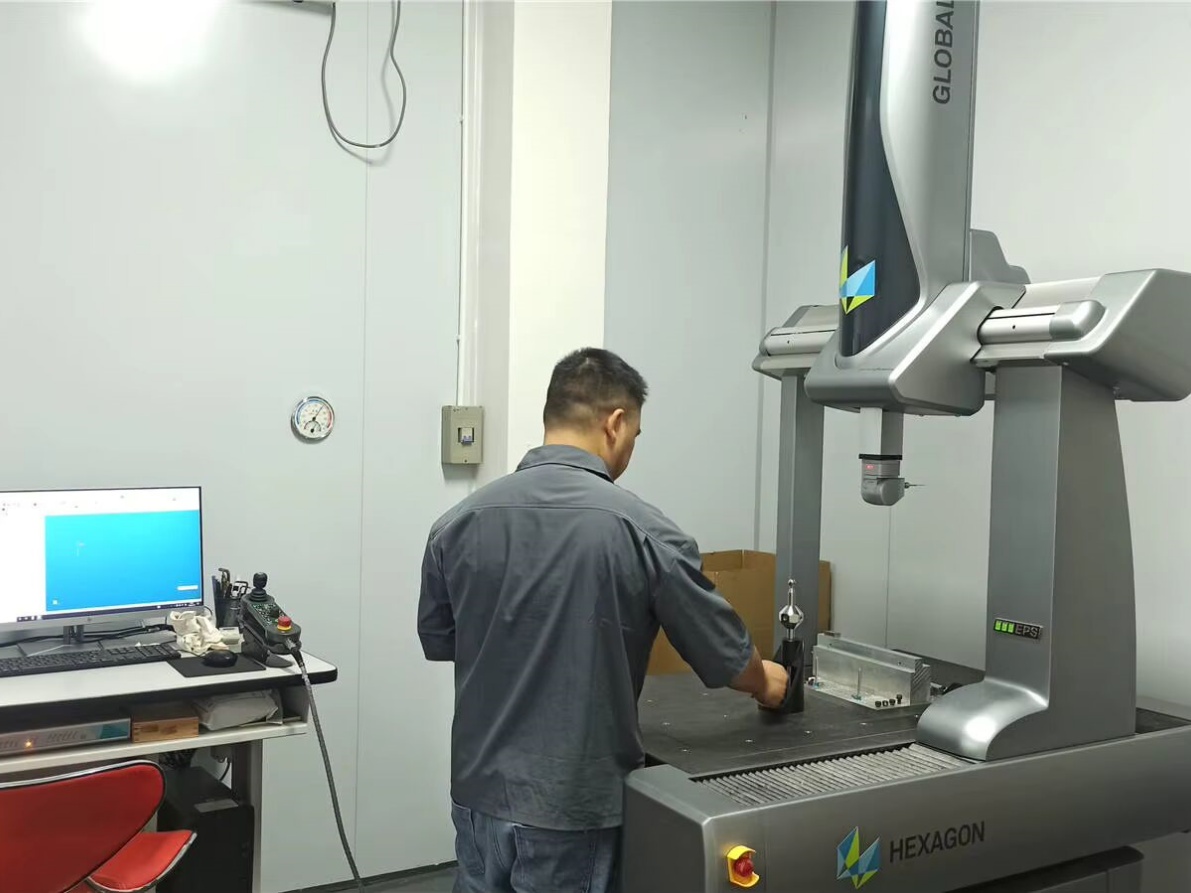
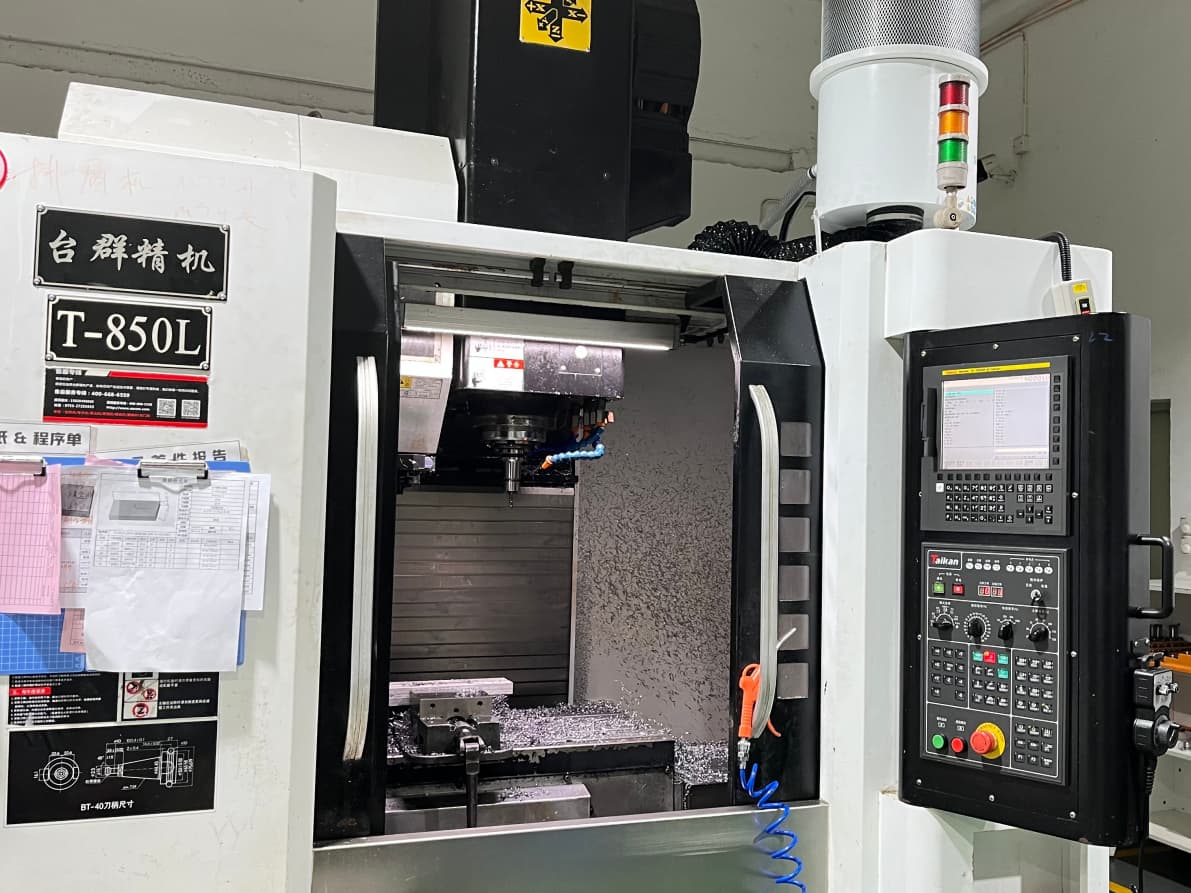
 There are six core CNC machine types used in manufacturing: 3-axis milling, 5-axis milling, CNC turning (lathes), sheet cutting (laser, plasma, waterjet), multi-axis grinding, and hybrid mill-turn machines. Each handles different geometries, materials, and tolerance ranges. The right choice depends on part shape, batch size, material, and finish spec. For most componenti CNC su misura, 3-axis or 5-axis milling covers the widest range of applications. Understanding these machine categories helps you write accurate specs and avoid costly rework.
If you are sourcing machined components or planning a serie di produzione, knowing which platform your part actually requires saves weeks of back-and-forth. YPMFG works with engineers and buyers to match part specifications to the right machine before quoting or committing to tooling.
The Six Core CNC Machine Types
Not every part belongs on the same machine. The table below summarizes the main categories, what they do well, and typical capability ranges.
Exact limits vary by machine size, tooling, and operator skill. Confirm achievable tolerance with the specific setup before finalizing drawings. Compatibilità dei materiali should be verified against the machine’s rigidity and available tooling.
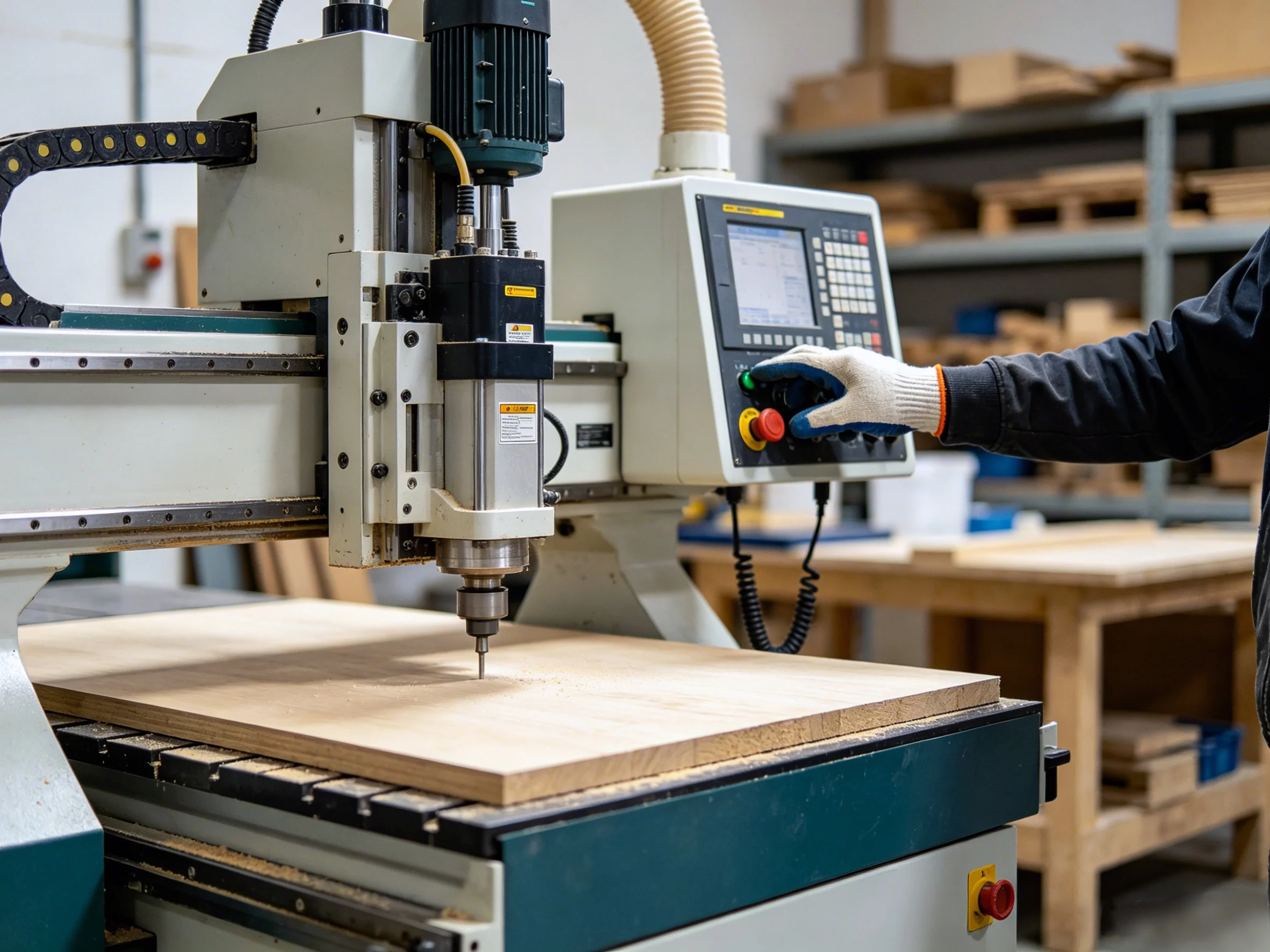
Matching Machine Type to Your Part
Start with geometry. Rotationally symmetric parts—shafts, bushings, flanges—belong on a Tornio CNC, which handles them in one setup with fewer fixturing steps. Prismatic blocks, housings, and bracket-style components go to a 3-axis mill. Once you add undercuts, angled holes, or multi-face features, lavorazione a 5 assi becomes the efficient choice.
Next, check your requisiti di tolleranza. A ±0.01 mm spec is standard for 3-axis work. Tighter specs, ±0.005 mm or better, usually require 5-axis setups or dedicated grinding. State critical dimensions explicitly on the drawing rather than relying on a general tolerance callout.
Material plays a major role. Hardened tool steels and superalloys such as Inconel 718 demand machines with high rigidity and dedicated tooling. YPMFG can review your material specification and confirm which platform suits the part before you request a formal quote.
Cost and Risk Factors Across Machine Types
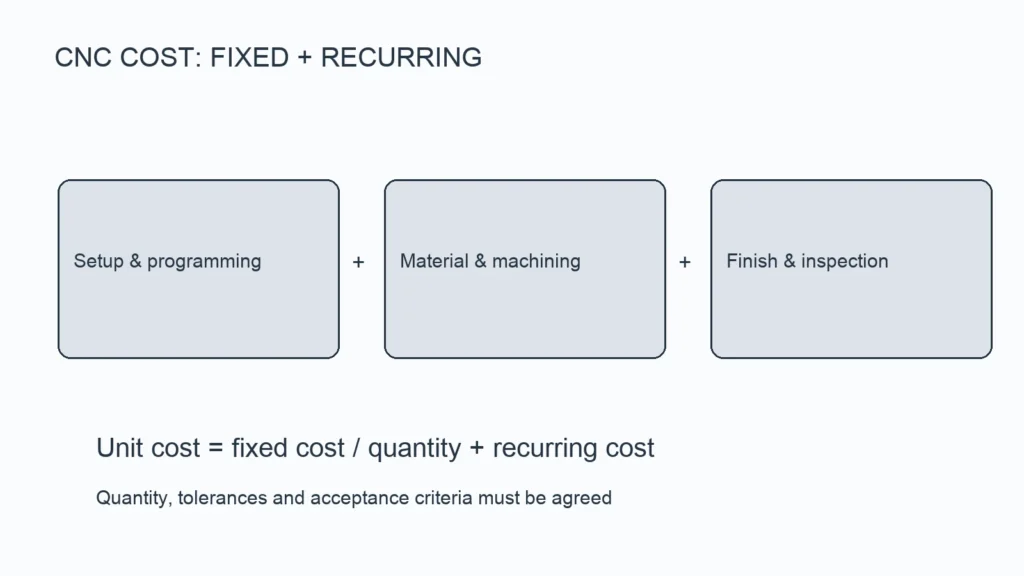
5-axis parts cost more per unit than 3-axis equivalents, but the gap narrows quickly when you factor in fewer setups and less fixturing. For a batch of 500+ units, the initial setup premium on a 5-axis machine often pays back within the first 100 pieces.
A hidden risk is specifying a part for a 3-axis machine when it truly needs 5-axis. The result is secondary operations, added fixturing, and accumulated tolerance stack-up. A quick revisione tecnica at the drawing stage prevents this problem entirely.
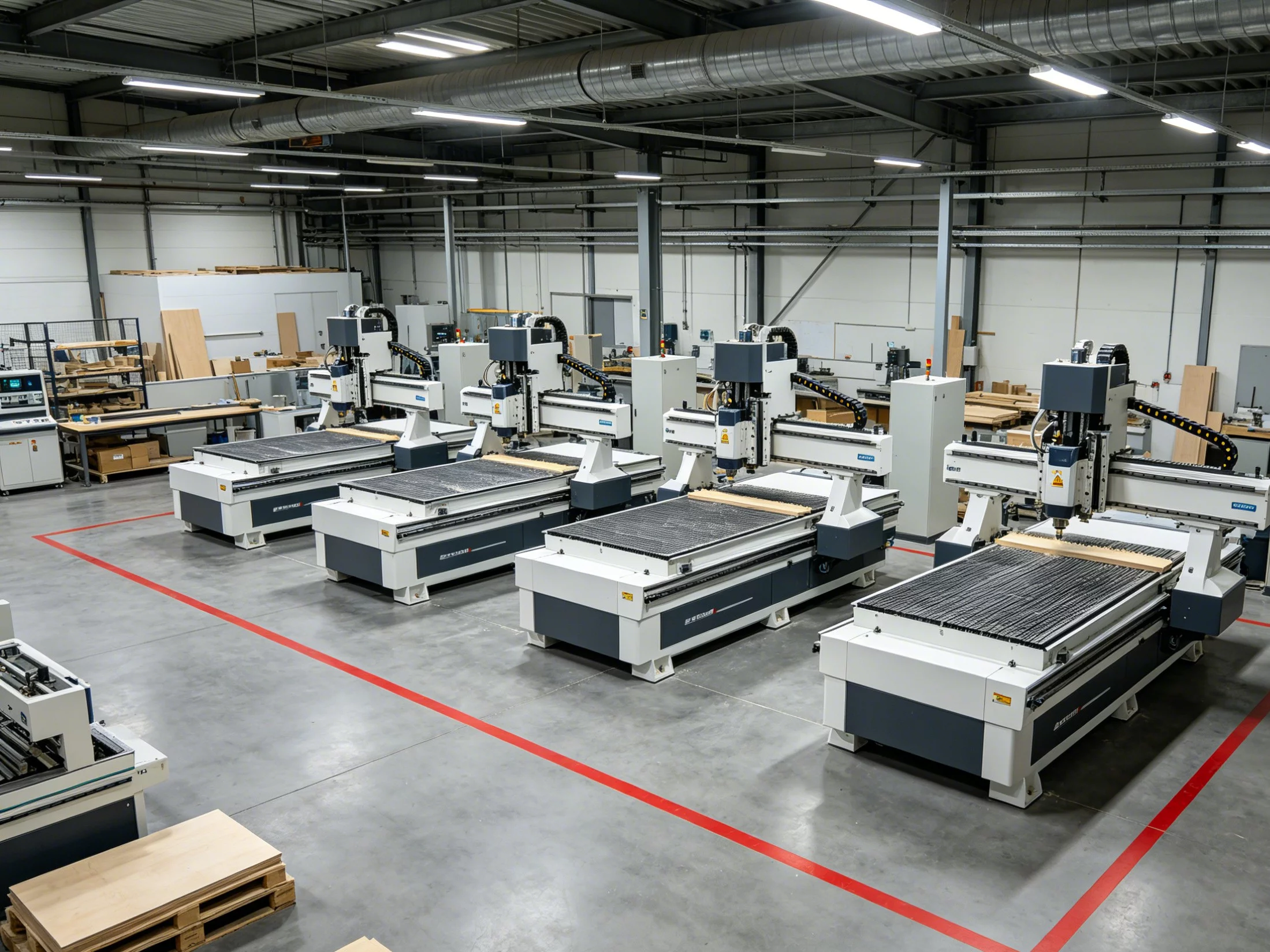
Also confirm machine rigidity relative to your material. Soft aluminum tolerates most setups; hardened steel does not. Check the machine’s minimum part envelope and maximum workpiece weight before releasing drawings for production.
Domande che gli acquirenti pongono spesso sui tipi di macchine CNC
Can one CNC machine produce all of my parts?
No. A 3-axis mill cannot turn a shaft, and a lathe cannot mill a flat face. Most buyers split parts across two or three machine types and consolidate assembly at the supplier.
What tolerance can a 5-axis milling machine achieve?
Typically ±0.005 mm on critical features, depending on fixturing, tooling condition, and material. Always state critical dimensions explicitly and ask the supplier to confirm feasibility before committing.
Should I choose laser cutting over CNC milling for a flat part?
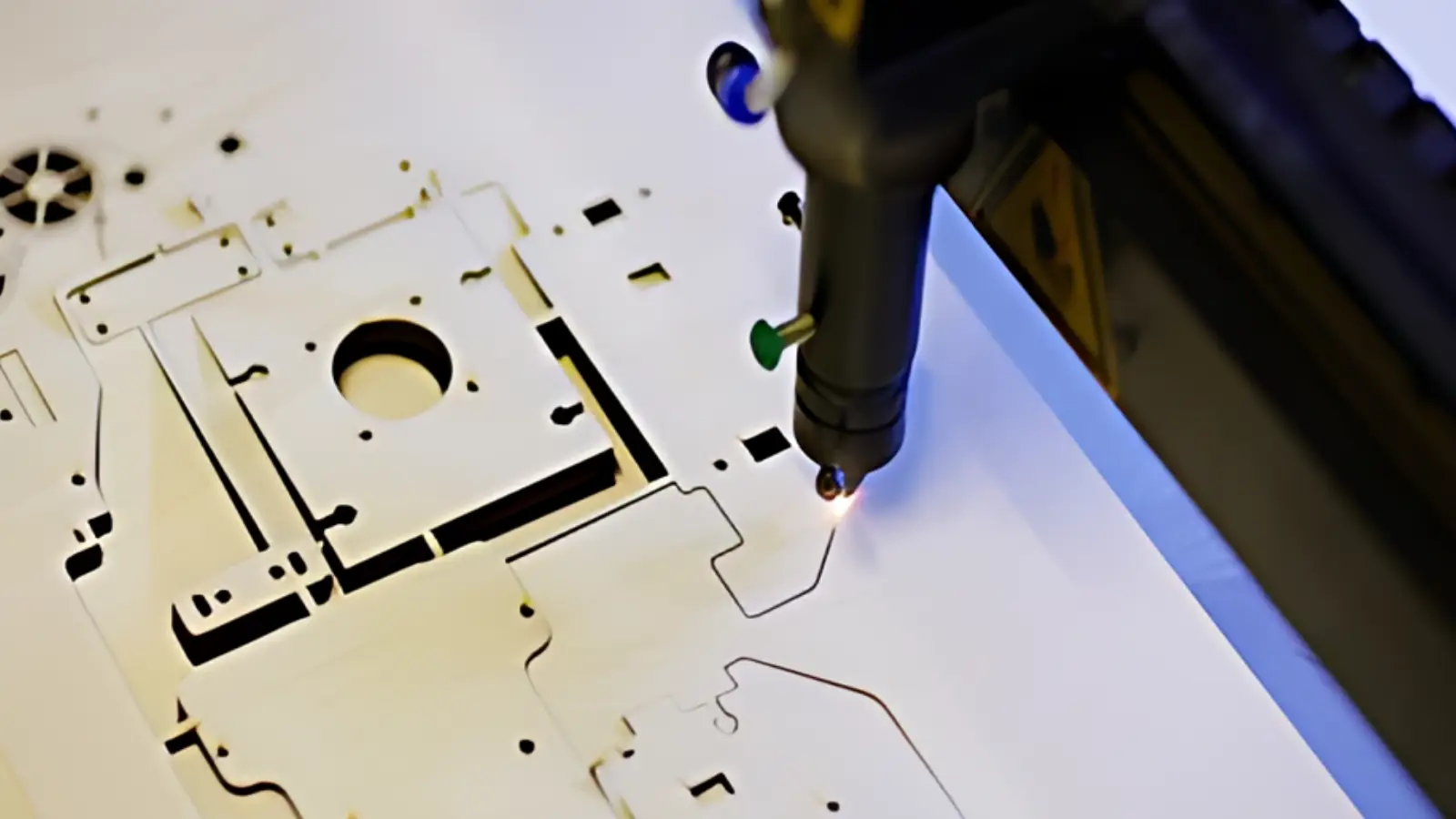
For sheet under roughly 10 mm with simple 2D profiles, laser cutting is faster and less expensive. For milled pockets, threads, or tight tolerances, CNC milling is the correct path.
How do I know if my part needs a hybrid mill-turn machine?
If the part has both cylindrical faces and complex milled features that cannot be completed in one orientation, a Tornitura CNC and milling hybrid saves a secondary setup. Send the 3D model for confirmation.
## Need Help Choosing the Right CNC Machine for Your Part?
Sending your 3D model or drawing to YPMFG is the fastest way to confirm which platform fits. The team will flag geometry conflicts, material constraints, and tolerance risks before you invest in tooling. You can also request a detailed citazione that includes machine recommendation, lead time, and finishing options in one package.