 Japanese
  English
  German
  Russian
  Korean
  Spanish
  French
  Italian
  Portuguese
 簡単な答え:
Custom aluminum CNC machining uses computer-controlled machines to mill, turn, or drill aluminum CNC parts to tight tolerances from your CAD drawings. The service covers alloy selection,fixture design, toolpath programming, and post-processing such as anodizing or painting. 許容差 typically range from ±0.01 mm to ±0.005 mm, depending on the operation and geometry. Before committing, verify that the provider handles your specific alloy, batch size, and surface finish requirements.
Procurement teams often face uncertainty when sourcing custom aluminum CNC machining services. Will parts hold tolerance across a 5,000-piece run? Can the supplier manage alloy selection and post-machining without adding weeks of lead time? These questions shape both unit cost and delivery schedule.
What Custom Aluminum CNC Machining Involves
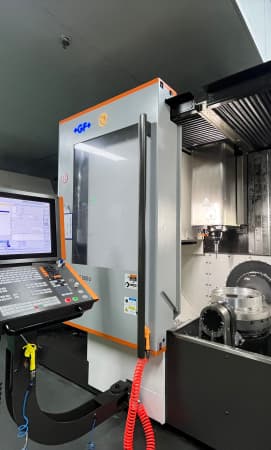
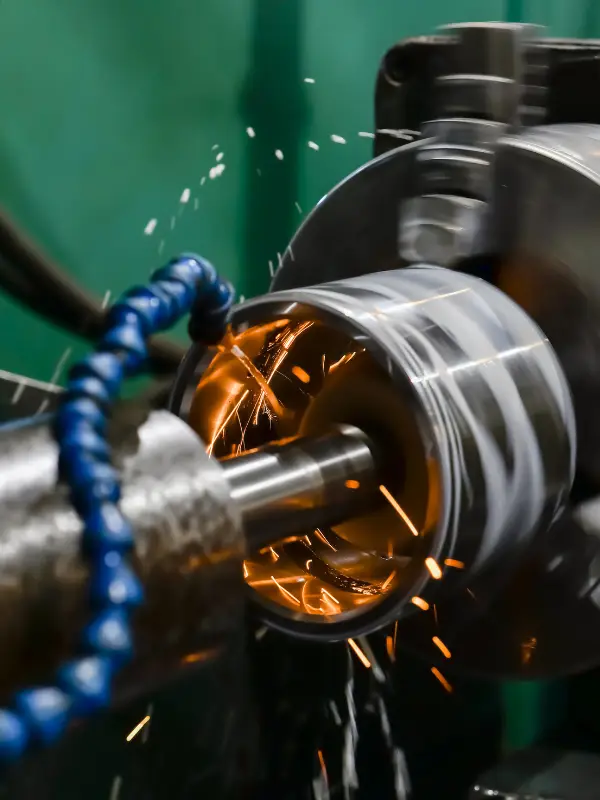
The process starts with your 2D or 3D CAD file. A machinist reviews the geometry for tool access, then programs the CNCフライス加工 or turning operation and designs the fixture. Clamping method matters: too much pressure distorts thin aluminum walls, too little causes part shift during cutting.
Most general-purpose projects use aluminum alloy 6061 because it machines well and is widely available. Aerospace and high-load structural applications call for 7075, while sheet and lightweight enclosures often use 5052. The alloy choice directly affects cutting speed, part weight, and cost per unit.
Swiss-type lathe turning suits long, thin parts such as shafts and connectors where material removal from the centerline is critical. Five-axis simultaneous milling handles complex contoured surfaces in a single setup, reducing fixturing errors and cumulative tolerance buildup.

After cutting, parts typically go through deburring, heat treatment, anodizing, or powder coating. These post-machining processes determine surface appearance, corrosion resistance, and functional performance. A provider that handles both machining and finishing under one roof reduces handoff risk and shortens the overall timeline.
Key Factors When Selecting a Service Provider
Not every CNC shop is built for complex custom aluminum parts. A few structural differences make or break a project.
A provider that can demonstrate each of these factors with concrete examples—sample FAI reports, machine specs, alloy stock lists—gives you a much clearer picture of capability than a general brochure. Ask for documentation upfront rather than waiting until after the first shipment.
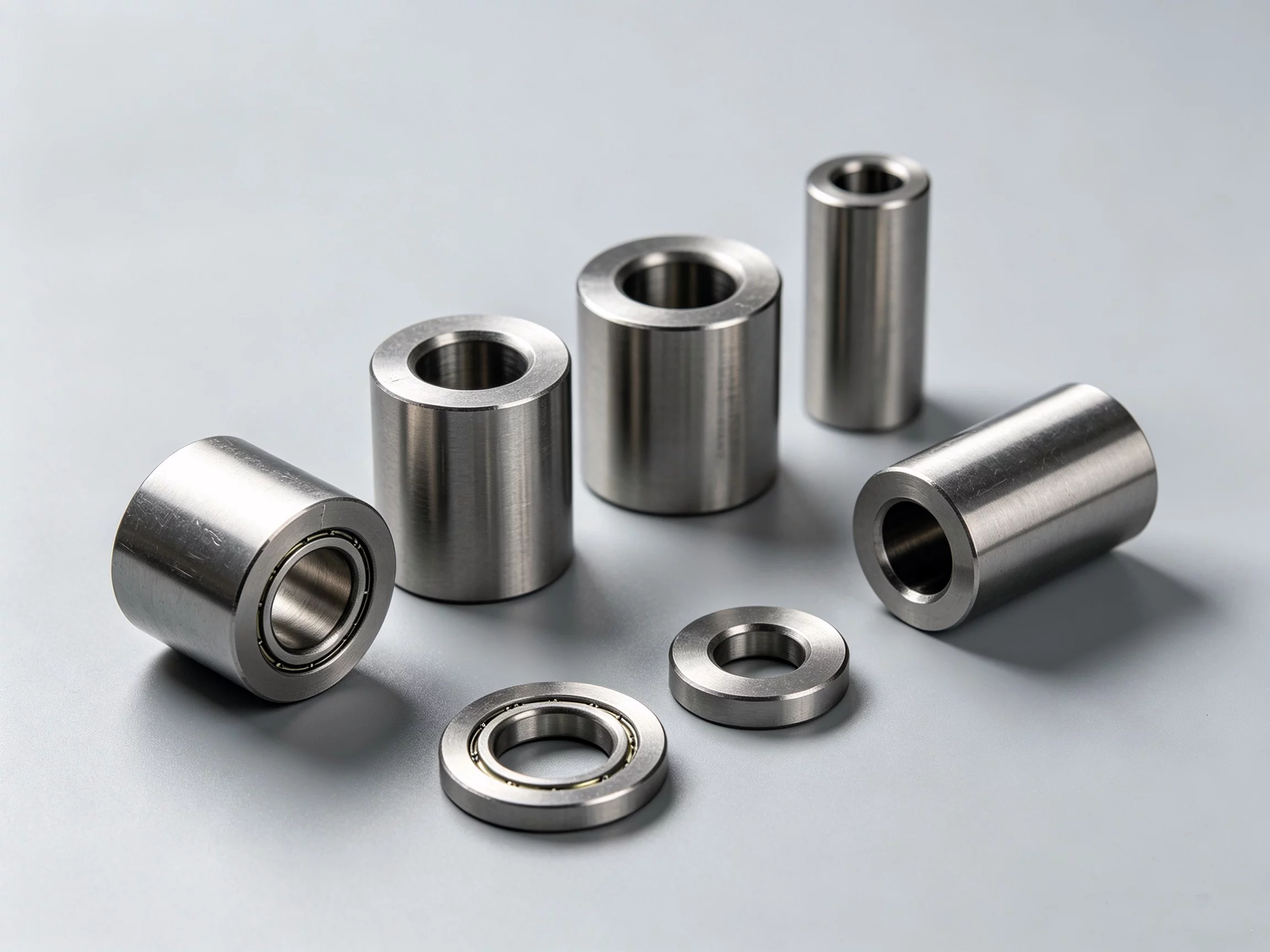
YPMFG supports projects that require tight tolerances across mixed geometries, from simple bushings to multi-feature housings. You can send your specifications for a feasibility review before placing an order.
Common Challenges and How to Mitigate Them
Tolerance drift is the most frequent issue in extended production runs. Thermal expansion in the spindle and progressive tool wear shift part dimensions over hundreds of cycles. Ask whether the provider performs in-process measurement or reserves inspection only for first and last articles.
Aluminum burr and witness marks appear on sharp internal corners and thin-walled features. These defects can compromise assembly fit and surface finish. Specify a deburring standard—manual, tumbling, or vibratory—directly in your drawing notes.
Lead-time surprises often trace back to material availability. If your chosen alloy is not in stock, procurement alone can add five to ten business days. Confirm material availability and minimum order quantities before locking a delivery schedule.
Another subtle risk is unapproved alloy substitution. A supplier may swap 7075 for 6061 to cut material cost, changing strength characteristics in ways your design does not expect. Require material test reports that match your specified grade on every lot.
Corrosion in storage is another overlooked issue. Anodized aluminum protects the surface, but unanodized parts left on a shop floor near chemical washers will pit within days. Confirm storage and packaging conditions, especially for outdoor or marine use.
Practical Questions Before You Commit
Can the provider work from your native CAD format (STEP, IGES, X_T) without manual re-modelling? This avoids translation errors that shift wall thickness or hole positions.
What does the first-article inspection (FAI) process include? You should receive a dimensional report referencing your inspection plan before any bulk production starts.
How are surface finish specifications (Ra, Rz) verified? Confirm whether measurement is by micrometer, optical comparator, or profilometer, and who signs off.
What is the rework or credit policy if parts arrive out of tolerance? A clear 品質保証 clause in your purchase order protects you from absorbing scrap and rework costs.
Is the provider capable of aluminum anodizing in-house, or is it outsourced? In-house finishing keeps the part under one quality control system and avoids cross-contamination during inter-stage shipping.
より良い長期的な決断を下す
Over a multi-year relationship, the supplier’s ability to iterate on your design—tightening a tolerance, adjusting a fillet radius, switching a fastening method—often matters more than the first-order price. A responsive engineering team catches design-for-manufacturability issues early, saving rework and reducing part failure in the field.
右 CNC加工のパートナー keeps your production schedule predictable. Before releasing a final drawing package, request a short engineering assessment that flags machinability concerns or recommends an alternative alloy that holds the same function at lower cost.
You can send your drawings and specifications to YPMFG for a no-obligation engineering review. The team will return a feasibility note, recommended tolerance values, and a transparent cost breakdown so you can compare against your current solution.