Japanese
  English
  German
  Russian
  Korean
  Spanish
  French
  Italian
  Portuguese
今すぐCNCフライス加工の見積もりをご依頼ください

|
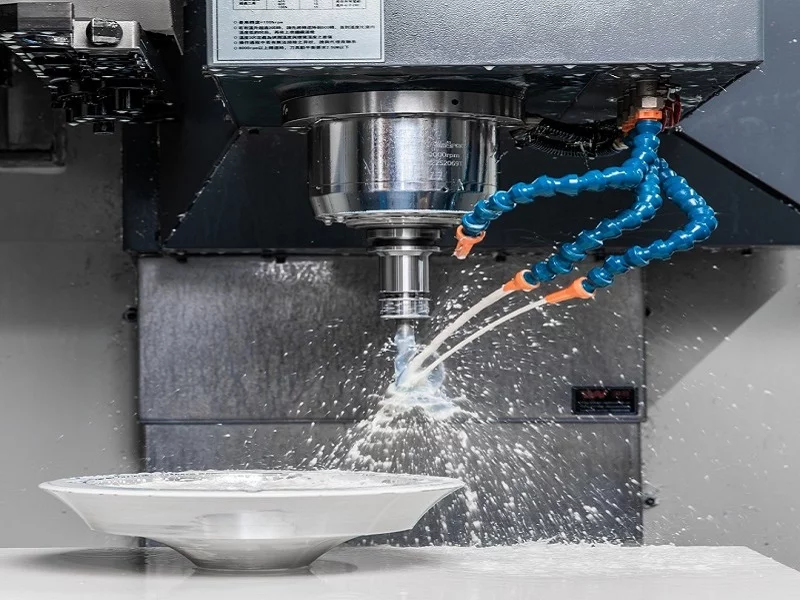
複雑な多角面加工が 必要ない場合は、安定した 精度、短納期、そして管理された加工コストで、シンプルなCNCフライス加工部品を製造できます。 |
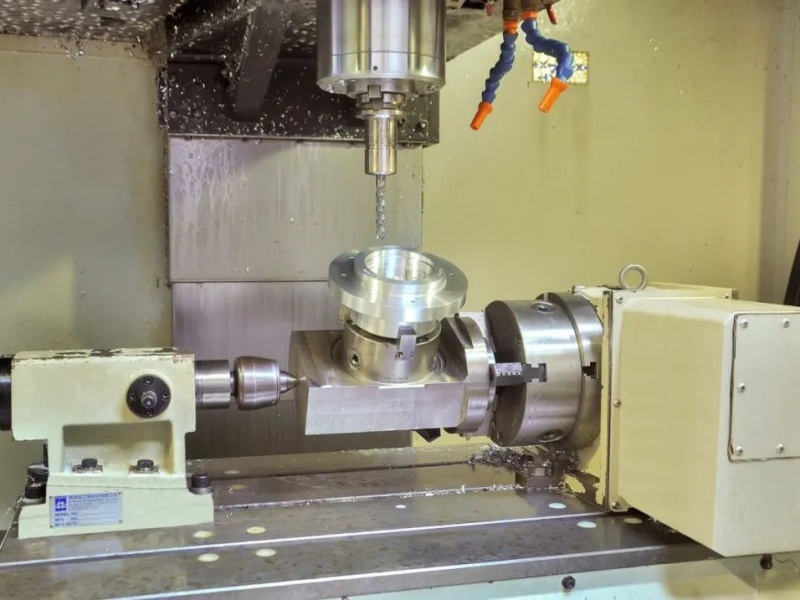
4軸CNC フライス加工を活用することで、特に1回のセットアップで複数の加工方向が必要な部品において、加工効率と形状の位置合わせ精度を向上させることができます。
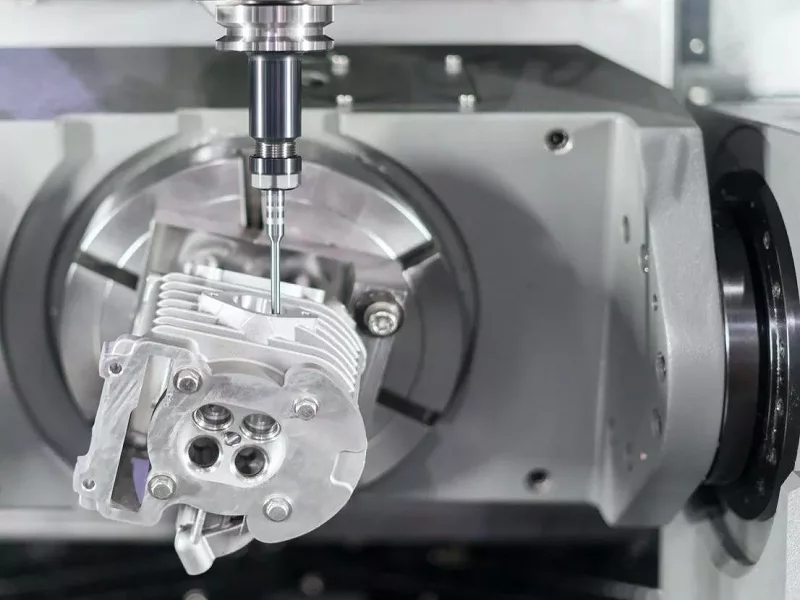
当社の5軸CNCフライス加工サービスは、極めて複雑で、 高精度が求められる部品の加工に対応しています。 これは、 航空宇宙、医療、および高精度CNCフライス加工用途において、最適なソリューションです。
YP-MFGでは、幅広い種類の 金属やプラスチックを対象としたCNCフライス加工サービスを提供しており、材料の強度、重量、表面仕上げ、耐熱性、 およびコスト要件に合わせた最適な素材選びをサポートいたします。 アルミニウム製の試作品、ステンレス鋼製の 部品、あるいはエンジニアリングプラスチック製の部品など、どのようなご要望であっても、当社のチームが、お客様の 設計および生産目標に適した材料の選定をお手伝いいたします。

ABSは強度と耐久性に優れ、耐熱性や耐衝撃性にも優れています。そのため、 自動車部品や日用品の素材として好んで用いられています。
ABSベージュ(ナチュラル)
ABS ブラック
ABS ブラック 帯電防止
ABS ミルキーホワイト
ABS+PC ブラック
ABS+PC ホワイト

ポリカーボネートは極めて耐久性が高く、耐衝撃性に優れているほか、 透明度も極めて高いため、防弾ガラスや防護具などに使用されています。
PC ブラック
PC 透明
PC ホワイト
PC 黄色がかった白
PC+GF30 ブラック
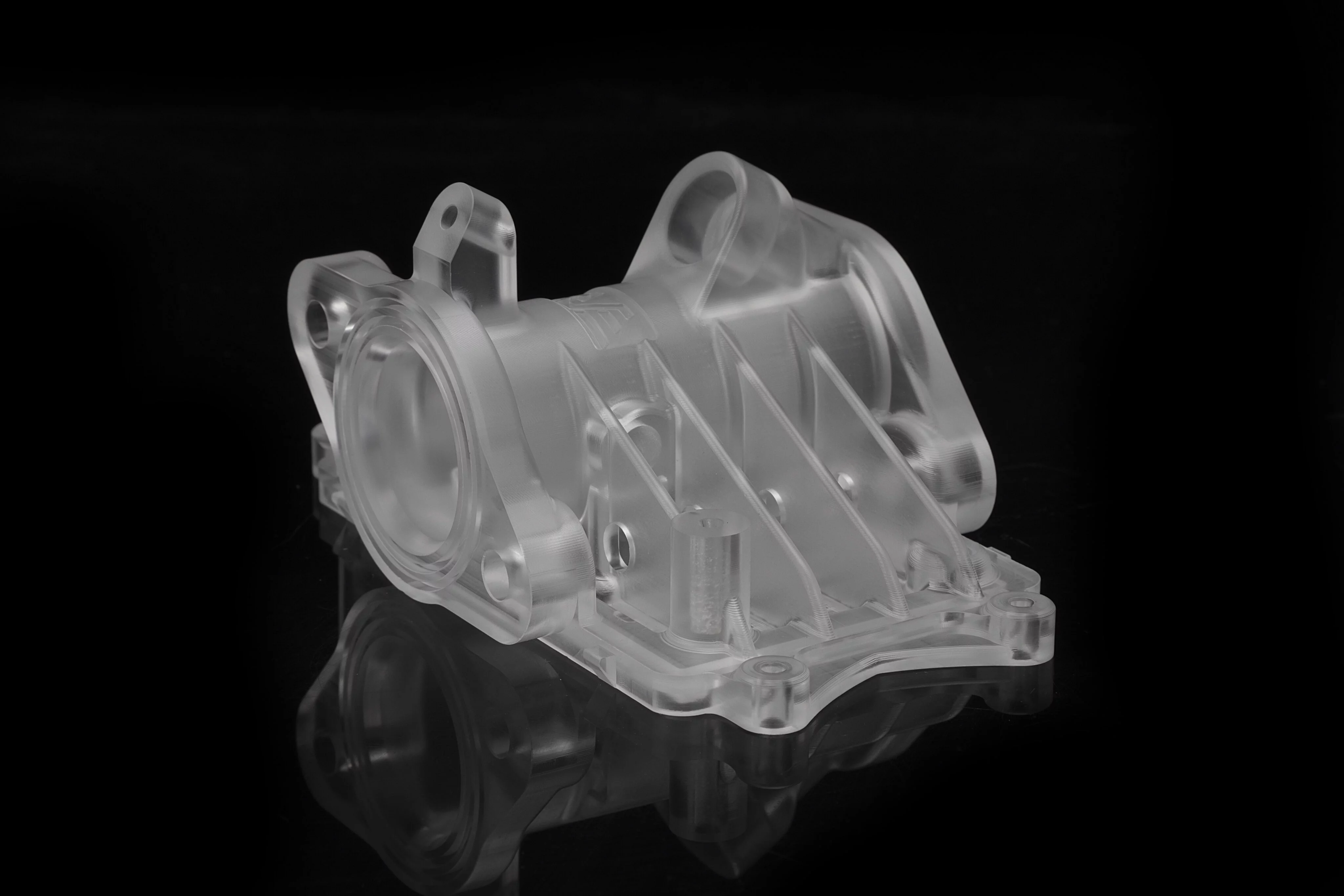
PMMA(アクリル)は、その水晶のような透明感と耐候性で知られており、 屋外用器具やショーケースに最適です。
PMMA ブラック
PMMA 透明
PMMA ホワイト
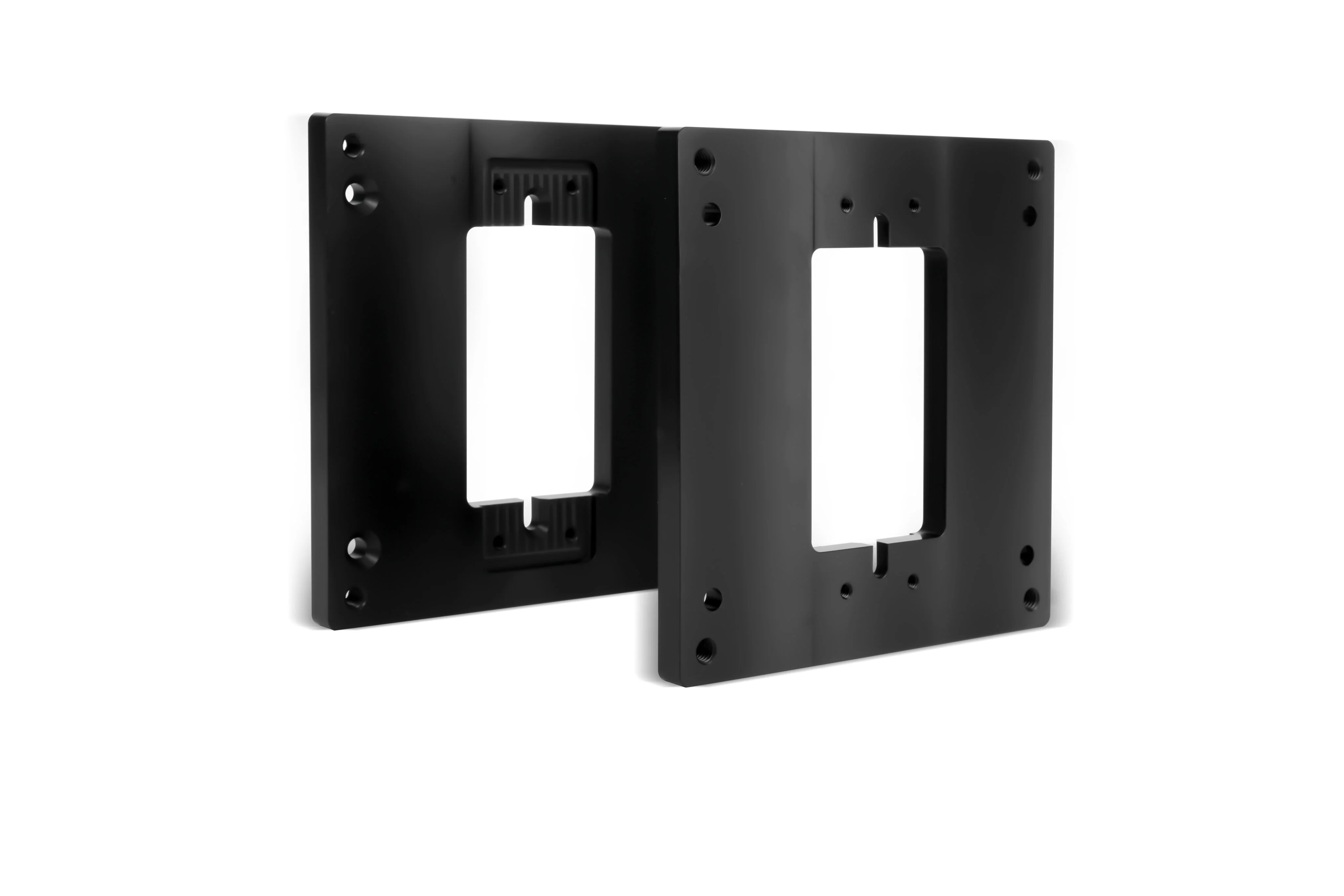
POMは強度が高く、表面摩擦が小さく、寸法安定性に優れているため、 機械用途の精密部品に最適です。
ダークブラウン(コーヒー) POM 100AF
POM ブラック
POMブルー
POM ホワイト

ナイロンは汎用性が高く、強度があり、摩擦に対する耐摩耗性に優れているため、 歯車、ベアリング、その他の耐摩耗性が必要な部品に広く使用されています。
PA(ナイロン) ブルー
PA6(ナイロン)+GF15 ブラック
PA6(ナイロン)+GF30 ブラック
PA66(ナイロン) ベージュ(ナチュラル)
PA66(ナイロン) 黒
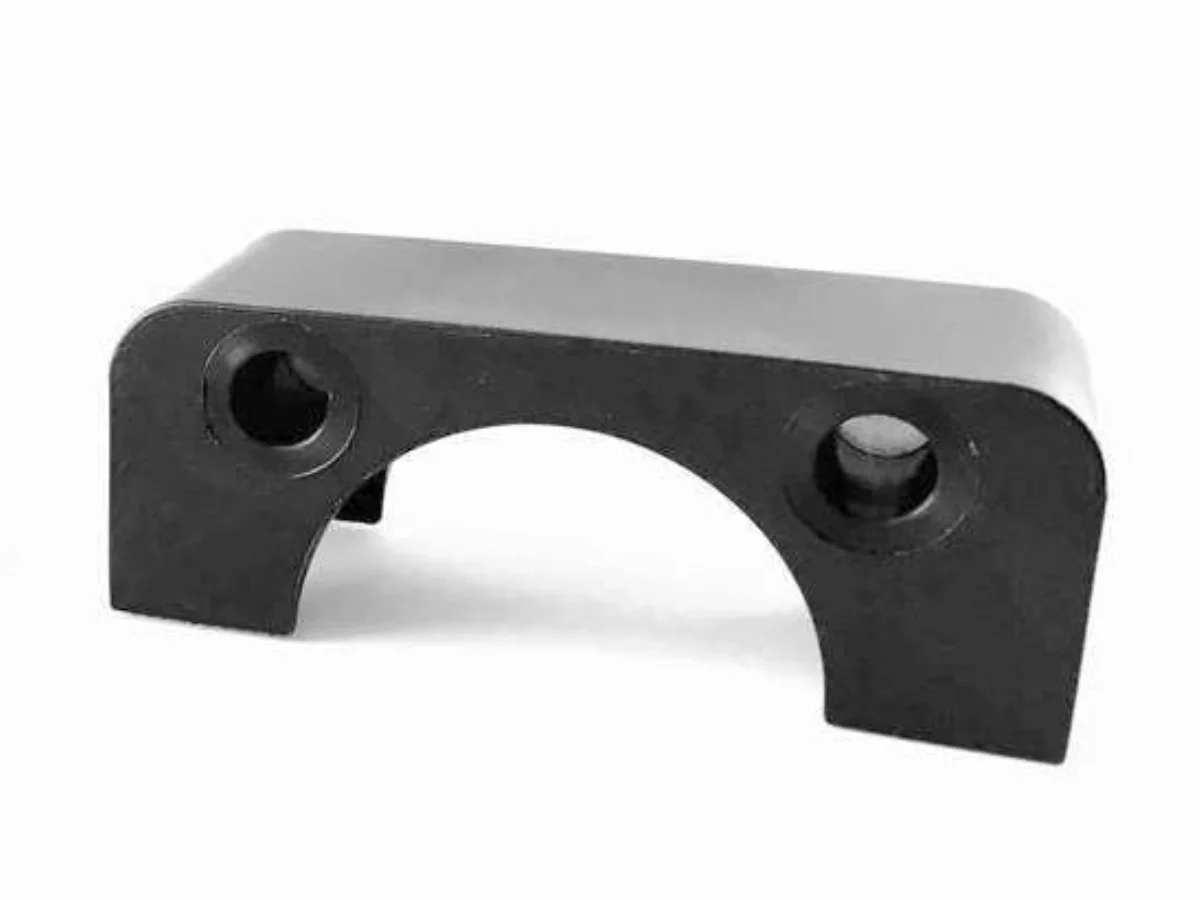
ポリエチレンは軽量で耐衝撃性に優れており、 包装材や容器に広く利用されています。
PE ブラック
PE ホワイト
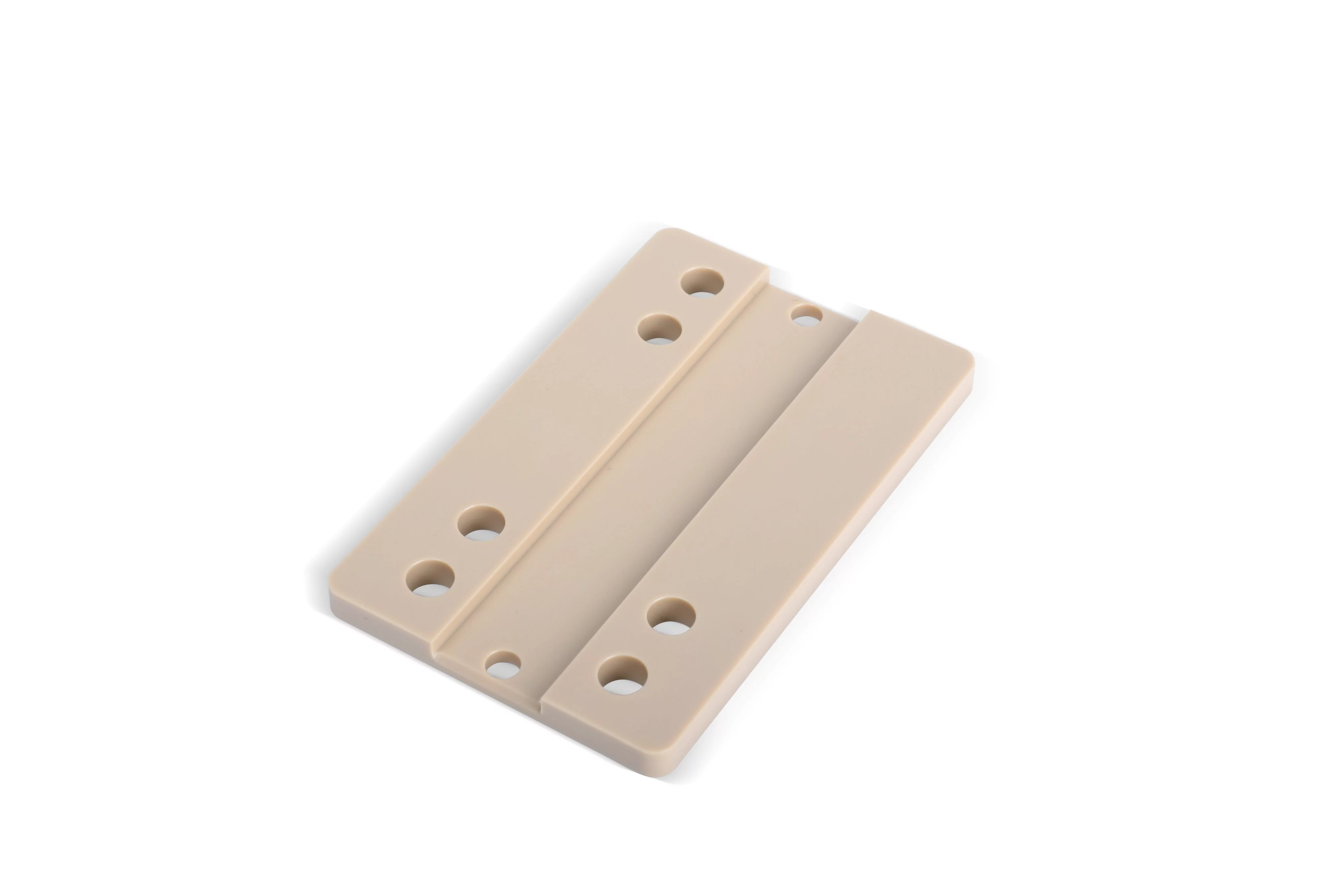
PEEKは、その耐熱性と強度に定評があり、 航空宇宙分野や医療用インプラントの製造に広く用いられています。
PEEK ベージュ(ナチュラル)
PEEK ブラック

ポリプロピレンは強靭で、優れた耐薬品性を備えており、 自動車部品、容器、包装材などに使用されています。
PP ブラック
PP ホワイト
PP+GF30 ブラック

HDPEは、高い強度対密度比と耐衝撃性で知られており、 ボトルや耐食性配管の製造に使用されています。
HDPE 黒
HDPE 白色

HIPSは加工が容易で、優れた寸法安定性と耐衝撃性を備えており、 試作や造形に適しています。
HIPSボード(ホワイト)

LDPEは柔らかく柔軟性があり、ヒートシールが必要な用途、 例えばチューブやビニール袋などに使用されます。
LDPE 白色
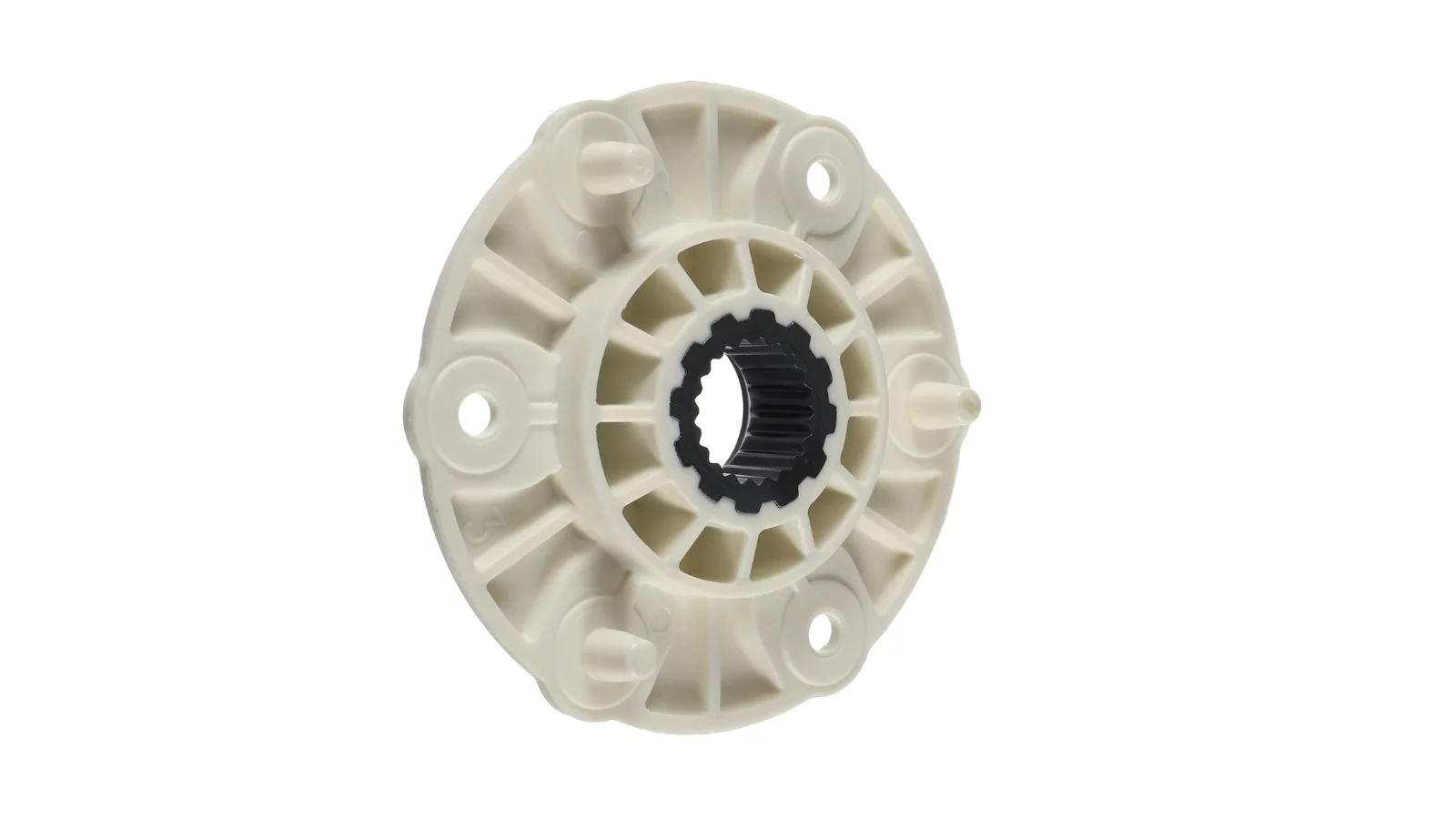
PBTは、強度と剛性に優れ、耐熱性もあるプラスチックで、 電気部品や筐体に広く使用されています。
PBT ブラック
PBT ミルキーホワイト(ナチュラル)
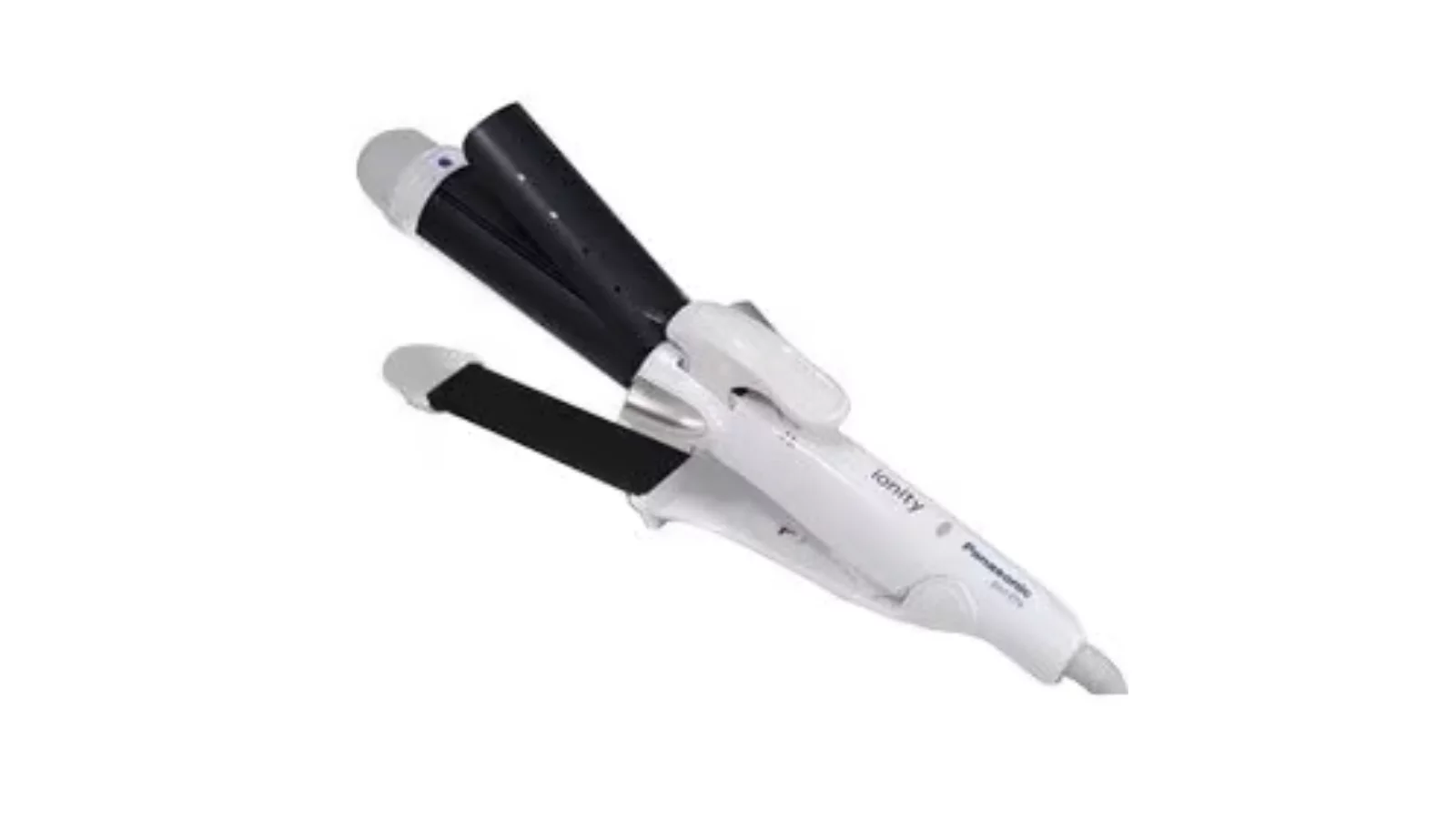
PPAは高い耐熱性と剛性を備えており、高温下での耐久性が求められる自動車や電気 分野の用途に最適です。
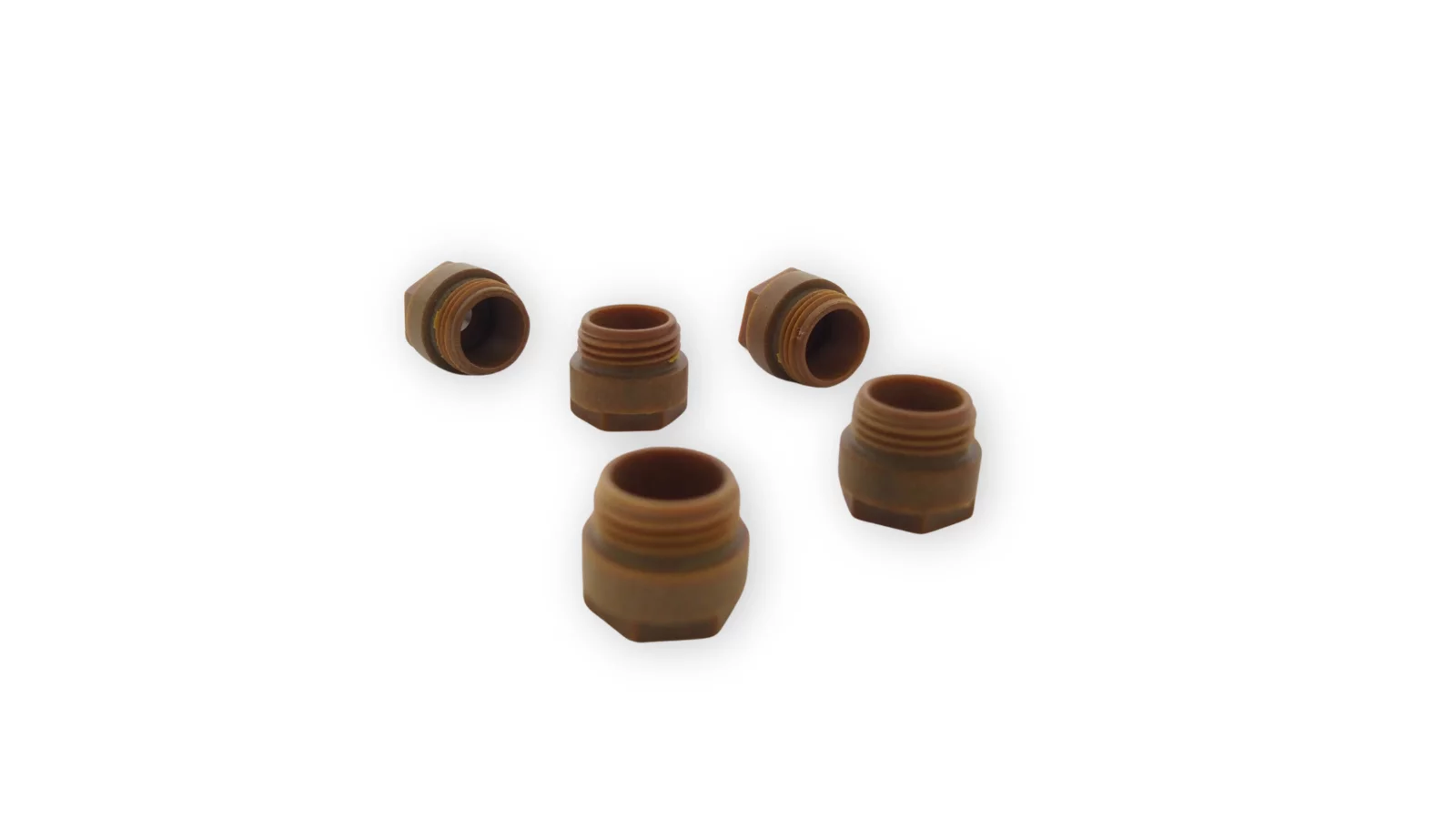
PAIは、優れた熱的および化学的安定性を備えており、 航空宇宙および自動車分野の高性能部品に使用されています。
PAIブラウン
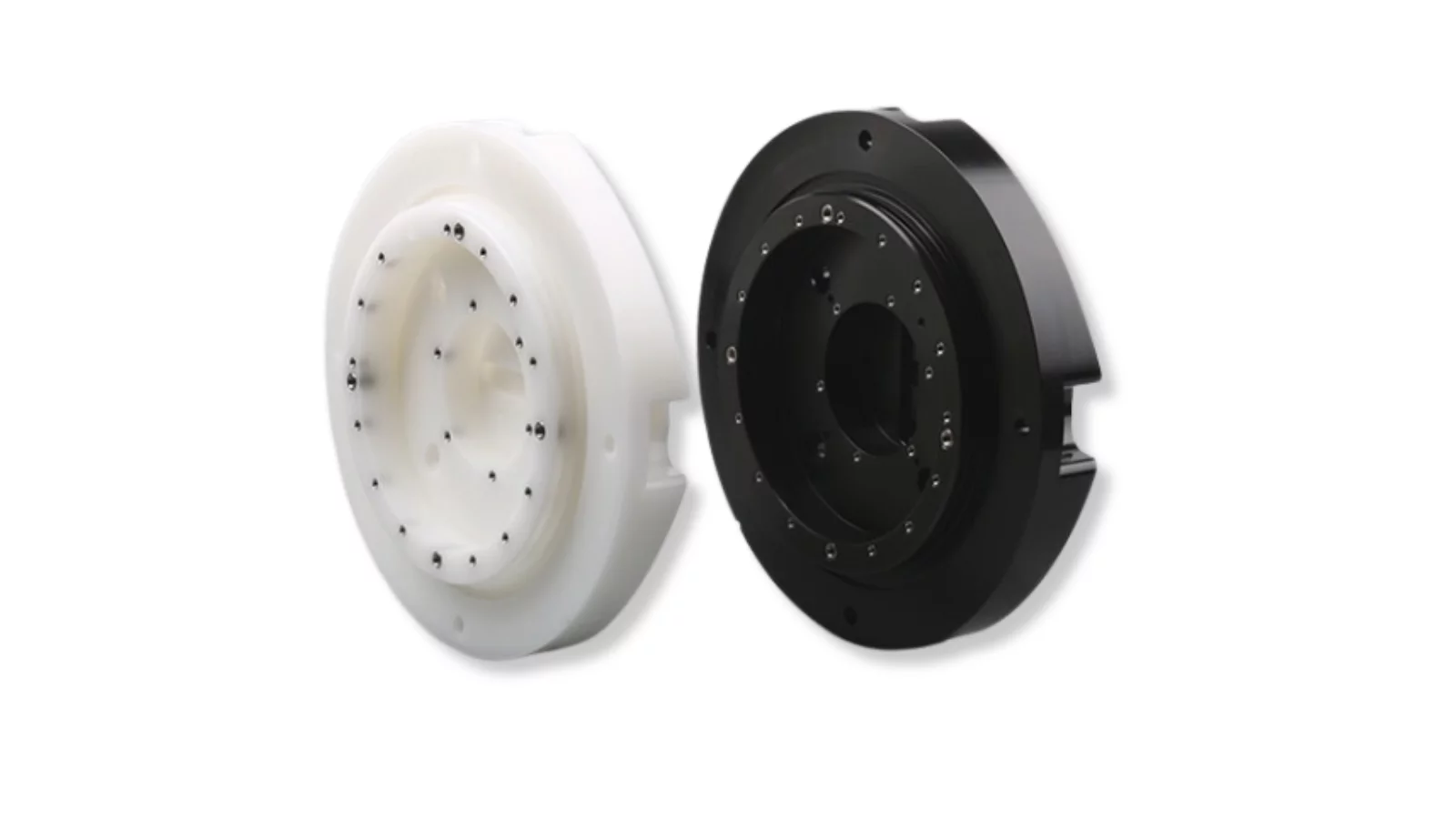
PETは強度が高く、湿気や化学物質に強く、食品 容器や繊維材料として広く利用されています。
PET ブラック
PETホワイト
PET+GF30 ブラック
PET+GF30 ホワイト

PPSは、優れた耐薬品性および耐熱性を備えており、自動車および 航空宇宙用部品に適しています。
PPS ブラック
PPS ホワイト
PPS+GF30 ブラック
PPS+GF30 ホワイト
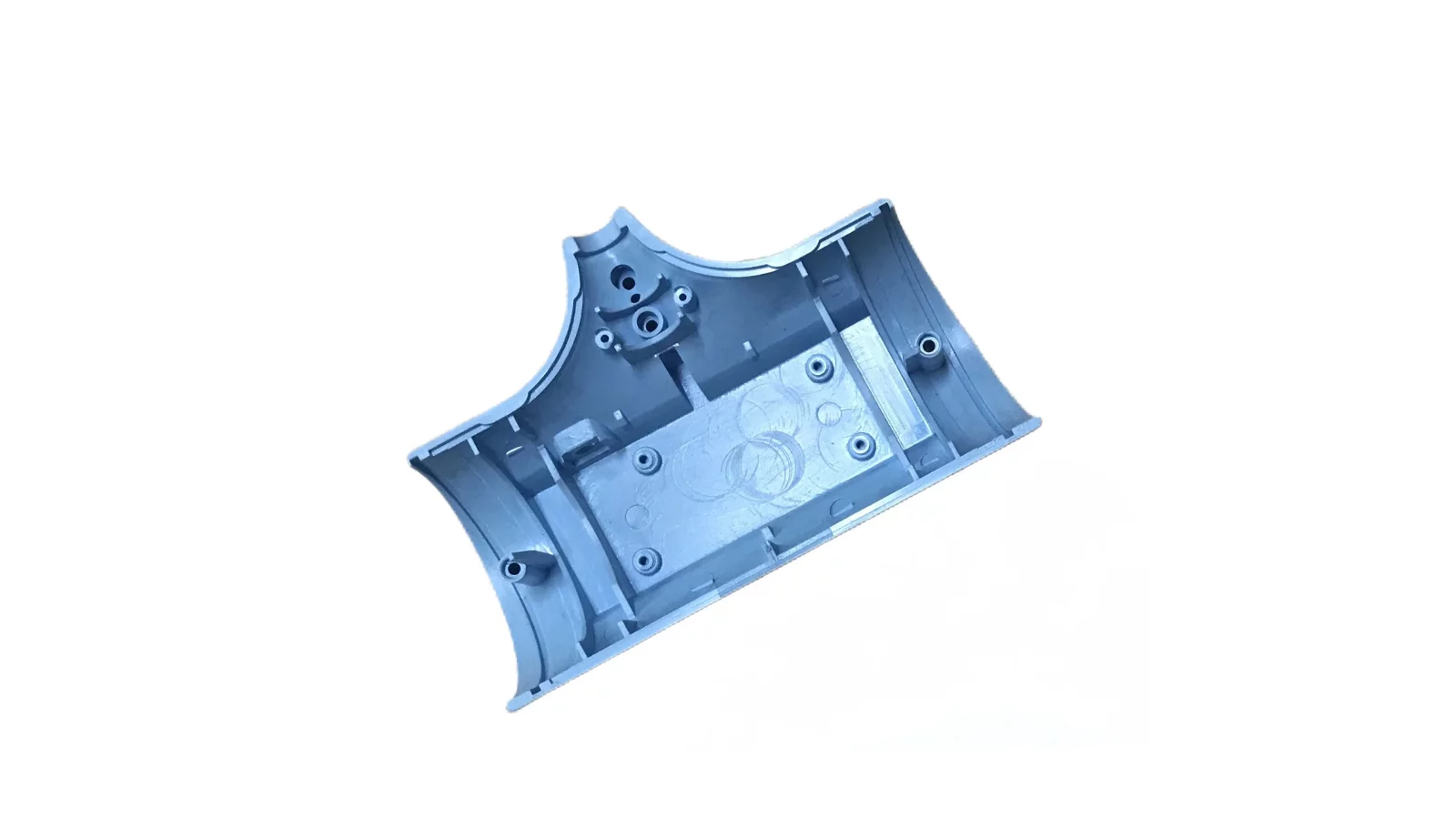
ポリスチレンは軽量で加工が容易であり、模型、試作品、および 強度がそれほど求められない用途に使用されます。
PS 透明
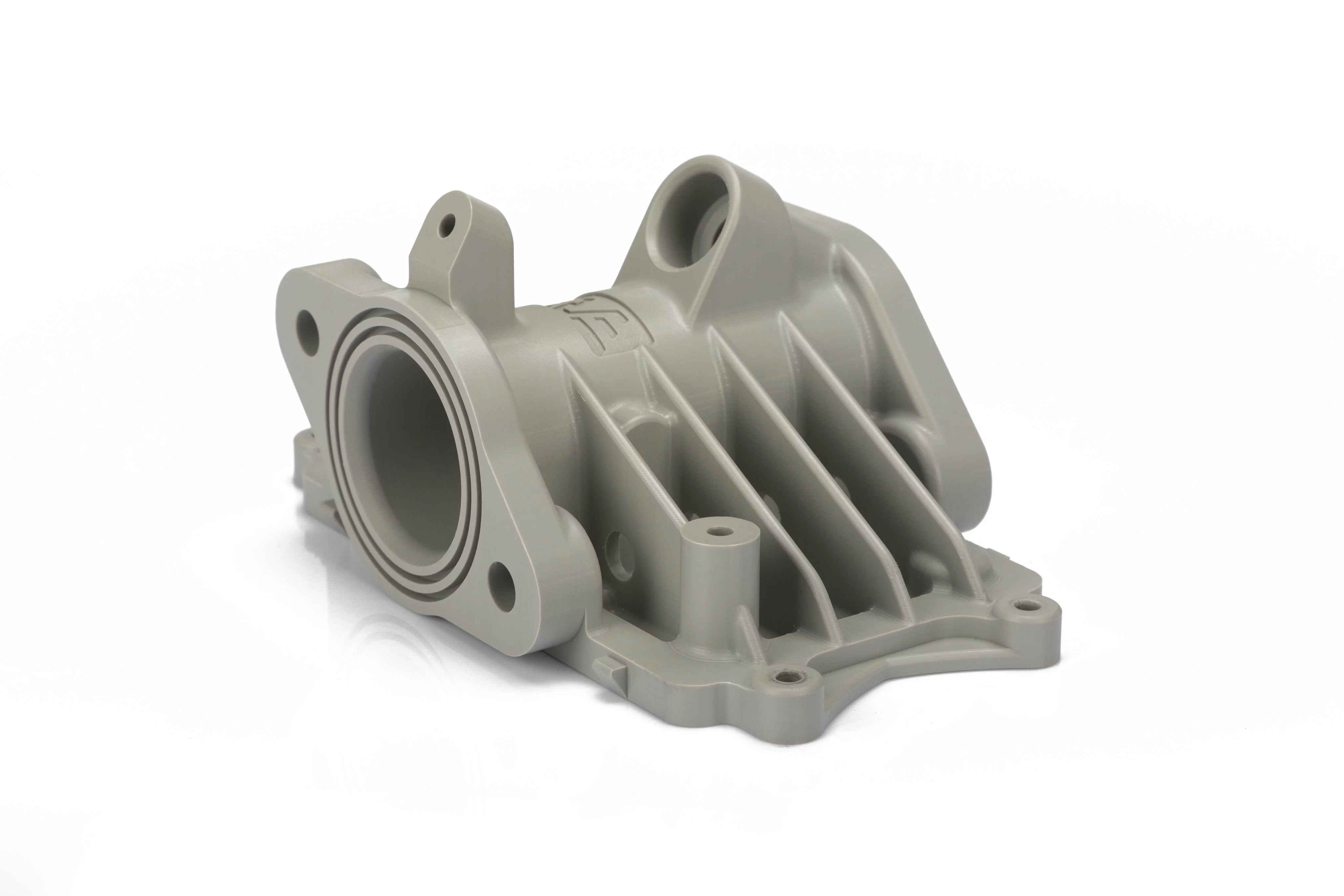
PVCは耐久性が高く、安価で、耐薬品性にも優れているため、配管、医療 機器、ケーブルなどに使用されています。
PVC グレー

PTFEは、その優れた耐薬品性と低摩擦性で知られており、 ノンスティックコーティングやガスケットに最適です。
テフロン(PTFE) ブラック
テフロン(PTFE) ホワイト

UPEは極めて長い鎖構造を持つため、非常に強靭な素材となっており、 シュートのライニングなど、摩耗の激しい用途に最適です。
UPE ブラック
UPE ホワイト

ベークライトは耐熱性があり、電気を通さないため、電気 絶縁体やラジオ・電話機の筐体として最適です。
ベークライト・ブラック
ベークライト・オレンジ

FR-4は難燃性材料であり、主にエレクトロニクス業界で 回路基板や絶縁体として使用されています。
FR-4 アクアグリーン
FR-4 イエロー
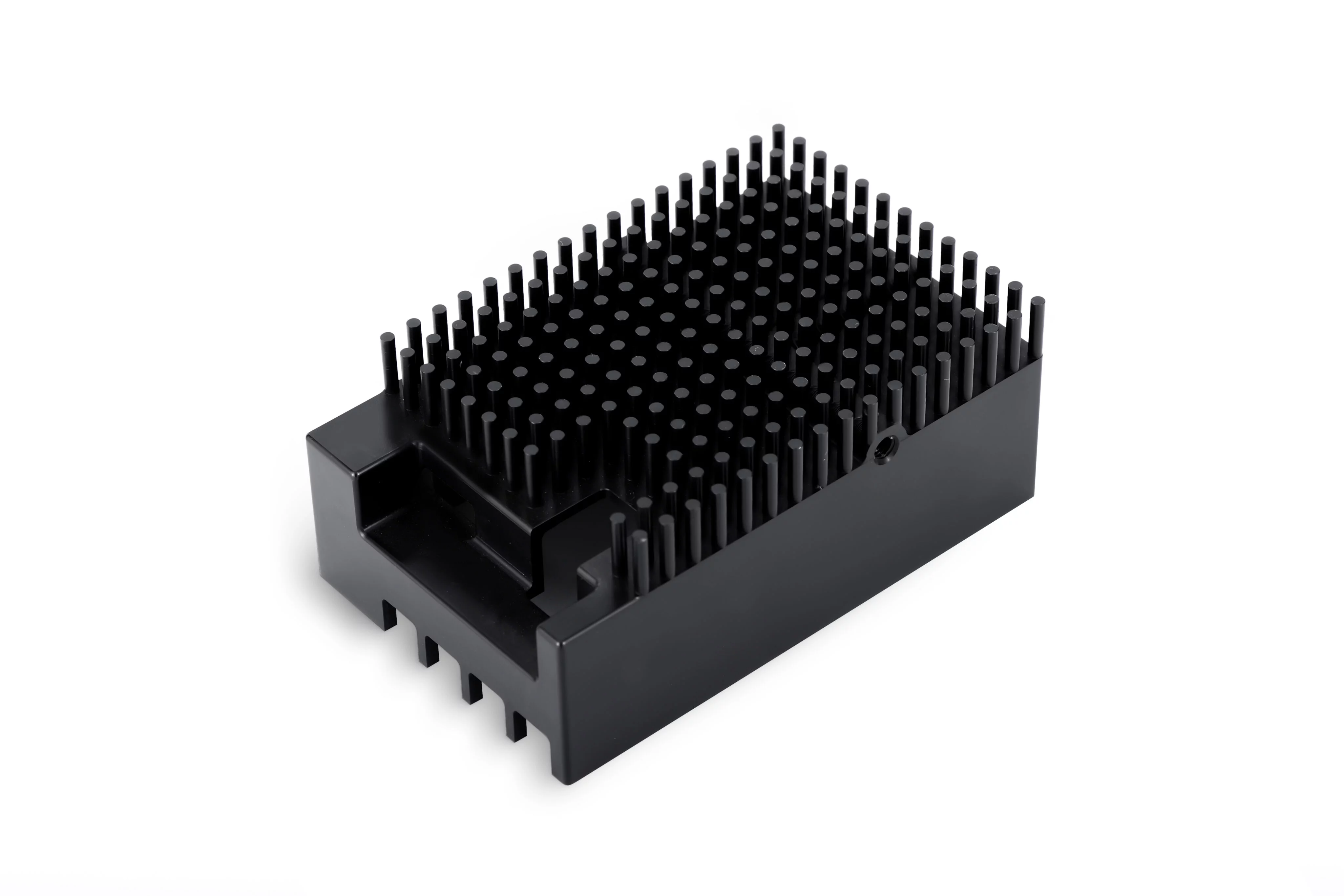
アルミニウムは軽量でありながら強度が高く、優れた加工性と耐食性を 備えています。航空宇宙や自動車部品に最適です。
合金
アルミニウム 6061、6061-T6
アルミニウム2024
アルミニウム 5052
アルミニウム 5083
アルミニウム 6063
アルミニウム 6082
アルミニウム 7075、7075-T6
アルミニウム ADC12 (A380)

銅は、その優れた電気伝導性と熱特性で知られており、 電気部品や熱交換器に最適です。
合金
銅 C101(T2)
銅 C103(T1)
銅 C103(TU2)
銅 C110(TU0)
ベリリウム銅

真鍮は耐久性が高く、摩擦係数が低いため、 精度が求められる継手、工具、楽器などに適しています。
合金
真鍮 C27400
真鍮 C28000
真鍮 C36000

青銅は耐食性および耐疲労性に優れており、軸受、 ブッシング、船舶用金具などに好んで用いられています。
合金
錫青銅
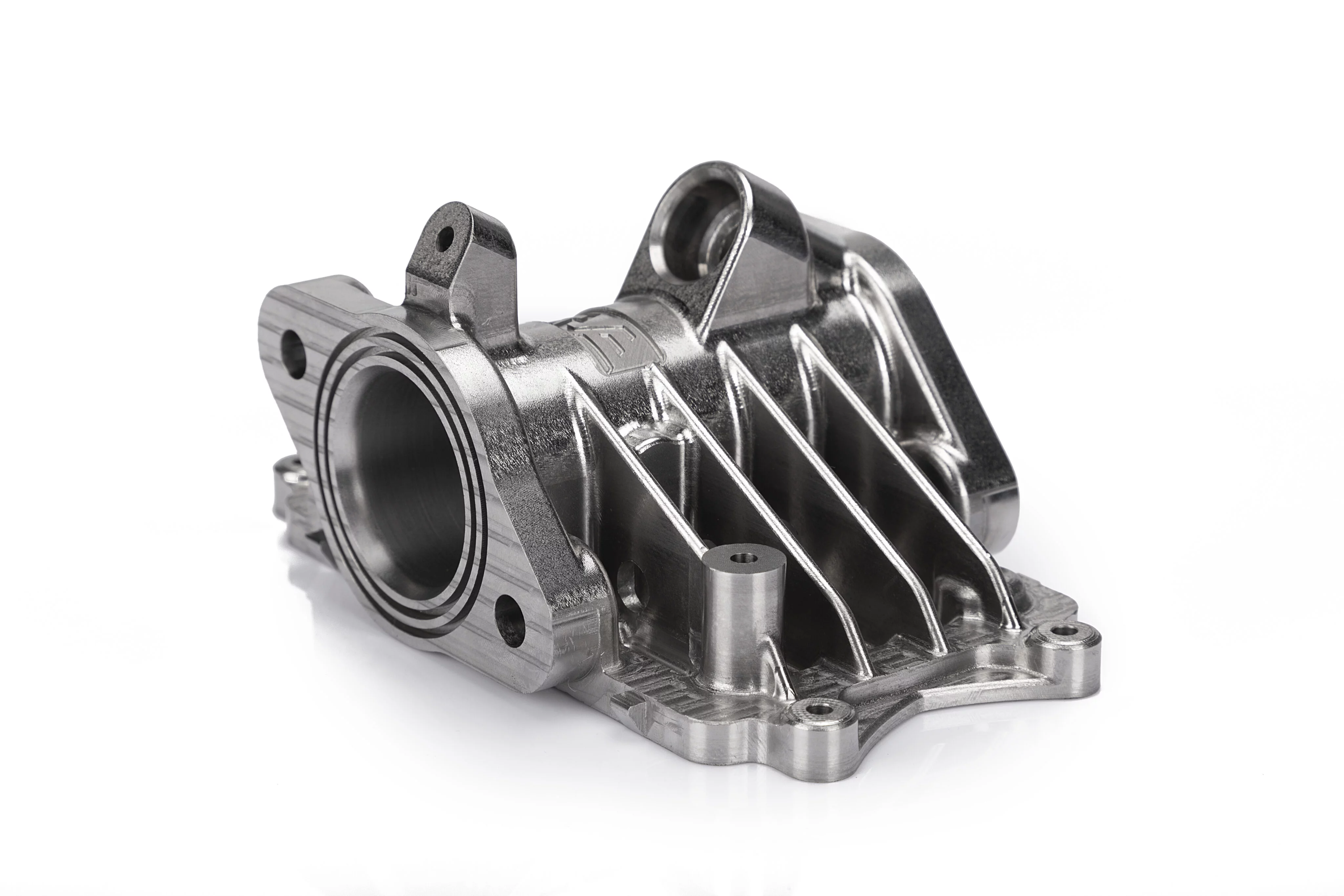
鋼は、高い引張強度と耐久性を備えた合金であり、その堅牢さから、 建設業界や自動車業界で広く使用されています。
合金
鋼材 1018、1020、1025、1045、1215、4130、4140、4340、5140、A36
ダイス鋼
合金鋼
チゼル用工具鋼
ばね鋼
高速度鋼
冷間圧延鋼板
軸受用鋼
SPCC

ステンレス鋼はその耐食性で知られており、 医療機器や食品加工機器の素材として最適とされています。
合金
ステンレス鋼 SUS201
ステンレス鋼 SUS303
ステンレス鋼 SUS 304
ステンレス鋼 SUS316
ステンレス鋼 SUS316L
ステンレス鋼 SUS420
ステンレス鋼 SUS430
ステンレス鋼 SUS431
ステンレス鋼 SUS440C
ステンレス鋼 SUS630/17-4PH
ステンレス鋼 AISI 304
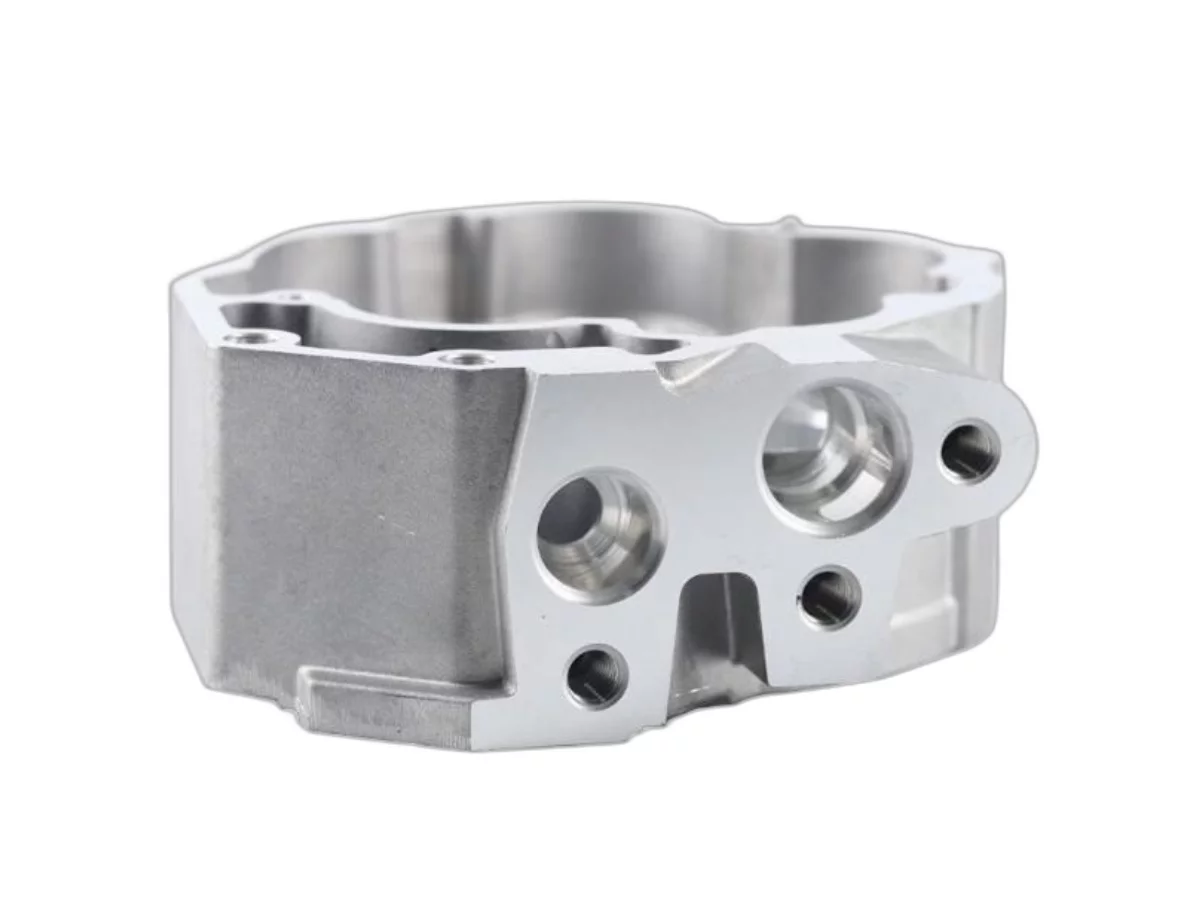
マグネシウムは最も軽量な構造用金属であり、高い強度対重量 比を備えているため、重量が重要な要素となる自動車や航空宇宙分野での用途に最適です。
合金
マグネシウム合金 AZ31B
マグネシウム合金 AZ91D
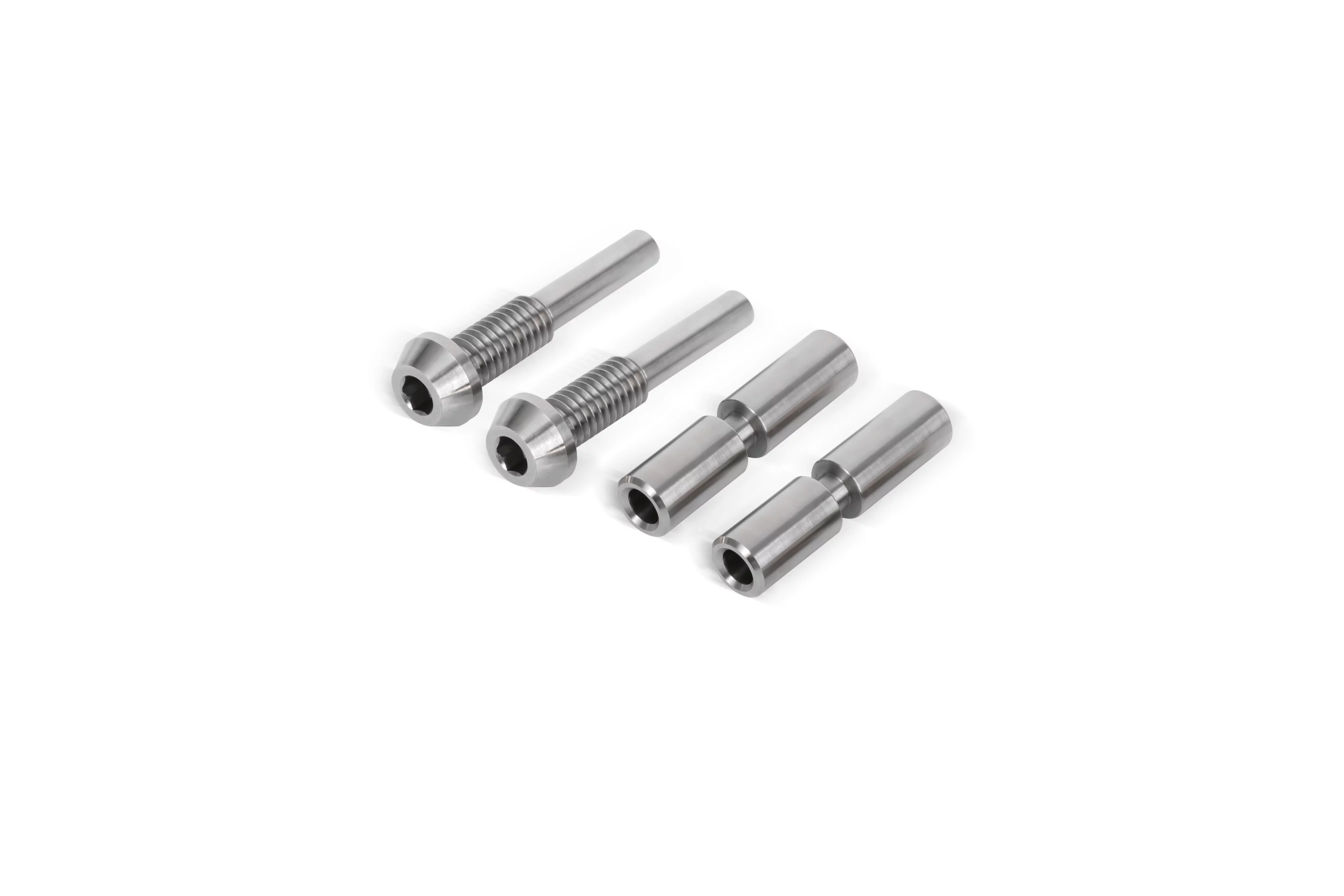
チタンは、金属の中で最も高い強度対密度比を誇り、 耐食性および耐疲労性に優れているため、航空宇宙、医療、 船舶分野での用途に最適です。
合金
チタン合金 TA1
チタン合金 TA2
チタン合金 TC4/Ti-6Al 4V
ABSは強度と耐久性に優れ、耐熱性や耐衝撃性にも優れています。そのため、 自動車部品や日用品の素材として好んで用いられています。
ABSベージュ(ナチュラル)
ABS ブラック
ABS ブラック 帯電防止
ABS ミルキーホワイト
ABS+PC ブラック
ABS+PC ホワイト
ポリカーボネートは極めて耐久性が高く、耐衝撃性に優れているほか、 透明度も極めて高いため、防弾ガラスや防護具などに使用されています。
PC ブラック
PC 透明
PC ホワイト
PC 黄色がかった白
PC+GF30 ブラック

PMMA(アクリル)は、その水晶のような透明感と耐候性で知られており、 屋外用器具やショーケースに最適です。
PMMA ブラック
PMMA 透明
PMMA ホワイト
POMは強度が高く、表面摩擦が小さく、寸法安定性に優れているため、 機械用途の精密部品に最適です。
ダークブラウン(コーヒー) POM 100AF
POM ブラック
POMブルー
POM ホワイト
ナイロンは汎用性が高く、強度があり、摩擦に対する耐摩耗性に優れているため、 歯車、ベアリング、その他の耐摩耗性が必要な部品に広く使用されています。
PA(ナイロン) ブルー
PA6(ナイロン)+GF15 ブラック
PA6(ナイロン)+GF30 ブラック
PA66(ナイロン) ベージュ(ナチュラル)
PA66(ナイロン) 黒
ポリエチレンは軽量で耐衝撃性に優れており、 包装材や容器に広く利用されています。
PE ブラック
PE ホワイト
PEEKは、その耐熱性と強度に定評があり、 航空宇宙分野や医療用インプラントの製造に広く用いられています。
PEEK ベージュ(ナチュラル)
PEEK ブラック
ポリプロピレンは強靭で、優れた耐薬品性を備えており、 自動車部品、容器、包装材などに使用されています。
PP ブラック
PP ホワイト
PP+GF30 ブラック
HDPEは、高い強度対密度比と耐衝撃性で知られており、 ボトルや耐食性配管の製造に使用されています。
HDPE 黒
HDPE 白色
HIPSは加工が容易で、優れた寸法安定性と耐衝撃性を備えており、 試作や造形に適しています。
HIPSボード(ホワイト)
LDPEは柔らかく柔軟性があり、ヒートシールが必要な用途、 例えばチューブやビニール袋などに使用されます。
LDPE 白色
PBTは、強度と剛性に優れ、耐熱性もあるプラスチックで、 電気部品や筐体に広く使用されています。
PBT ブラック
PBT ミルキーホワイト(ナチュラル)
PPAは高い耐熱性と剛性を備えており、高温下での耐久性が求められる自動車や電気 分野の用途に最適です。

PAIは、優れた熱的および化学的安定性を備えており、 航空宇宙および自動車分野の高性能部品に使用されています。
PAIブラウン
PETは強度が高く、湿気や化学物質に強く、食品 容器や繊維材料として広く利用されています。
PET ブラック
PETホワイト
PET+GF30 ブラック
PET+GF30 ホワイト
PPSは、優れた耐薬品性および耐熱性を備えており、自動車および 航空宇宙用部品に適しています。
PPS ブラック
PPS ホワイト
PPS+GF30 ブラック
PPS+GF30 ホワイト
ポリスチレンは軽量で加工が容易であり、模型、試作品、および 強度がそれほど求められない用途に使用されます。
PS 透明
PVCは耐久性が高く、安価で、耐薬品性にも優れているため、配管、医療 機器、ケーブルなどに使用されています。
PVC グレー
PTFEは、その優れた耐薬品性と低摩擦性で知られており、 ノンスティックコーティングやガスケットに最適です。
テフロン(PTFE) ブラック
テフロン(PTFE) ホワイト
UPEは極めて長い鎖構造を持つため、非常に強靭な素材となっており、 シュートのライニングなど、摩耗の激しい用途に最適です。
UPE ブラック
UPE ホワイト
ベークライトは耐熱性があり、電気を通さないため、電気 絶縁体やラジオ・電話機の筐体として最適です。
ベークライト・ブラック
ベークライト・オレンジ
FR-4は難燃性材料であり、主にエレクトロニクス業界で 回路基板や絶縁体として使用されています。
FR-4 アクアグリーン
FR-4 イエロー
アルミニウムは軽量でありながら強度が高く、優れた加工性と耐食性を 備えています。航空宇宙や自動車部品に最適です。
合金
アルミニウム 6061、6061-T6
アルミニウム2024
アルミニウム 5052
アルミニウム 5083
アルミニウム 6063
アルミニウム 6082
アルミニウム 7075、7075-T6
アルミニウム ADC12 (A380)
銅は、その優れた電気伝導性と熱特性で知られており、 電気部品や熱交換器に最適です。
合金
銅 C101(T2)
銅 C103(T1)
銅 C103(TU2)
銅 C110(TU0)
ベリリウム銅
真鍮は耐久性が高く、摩擦係数が低いため、 精度が求められる継手、工具、楽器などに適しています。
合金
真鍮 C27400
真鍮 C28000
真鍮 C36000
青銅は耐食性および耐疲労性に優れており、軸受、 ブッシング、船舶用金具などに好んで用いられています。
合金
錫青銅
鋼は、高い引張強度と耐久性を備えた合金であり、その堅牢さから、 建設業界や自動車業界で広く使用されています。
合金
鋼材 1018、1020、1025、1045、1215、4130、4140、4340、5140、A36
ダイス鋼
合金鋼
チゼル用工具鋼
ばね鋼
高速度鋼
冷間圧延鋼板
軸受用鋼
SPCC
ステンレス鋼はその耐食性で知られており、 医療機器や食品加工機器の素材として最適とされています。
合金
ステンレス鋼 SUS201
ステンレス鋼 SUS303
ステンレス鋼 SUS 304
ステンレス鋼 SUS316
ステンレス鋼 SUS316L
ステンレス鋼 SUS420
ステンレス鋼 SUS430
ステンレス鋼 SUS431
ステンレス鋼 SUS440C
ステンレス鋼 SUS630/17-4PH
ステンレス鋼 AISI 304
マグネシウムは最も軽量な構造用金属であり、高い強度対重量 比を備えているため、重量が重要な要素となる自動車や航空宇宙分野での用途に最適です。
合金
マグネシウム合金 AZ31B
マグネシウム合金 AZ91D
チタンは、金属の中で最も高い強度対密度比を誇り、 耐食性および耐疲労性に優れているため、航空宇宙、医療、 船舶分野での用途に最適です。
合金
チタン合金 TA1
チタン合金 TA2
チタン合金 TC4/Ti-6Al 4V
質の高いサービスをご利用いただけます 表面仕上げ 美観上の欠陥を取り除き、製品の見た目を向上させるための カスタムCNC加工部品をご提供いたします。 また、優れた表面仕上げにより、 部品に堅牢な保護機能とさらなる耐久性・強度をもたらします。
CNCフライス加工の公差は、加工中に部品の寸法が
どの程度正確に制御されるかを規定するものです。
当社の精密CNCフライス加工
サービスは、金属についてはISO 2768-m、プラスチックについてはISO 2768-cに準拠しており、3軸、4軸、5軸のCNCフライス加工において、安定した再現性の高い
寸法精度を実現しています。
| 3軸 | 4軸 | 5軸 | |
|---|---|---|---|
| 部品の最大サイズ | 3軸 1000 × 500 × 500 mm | 4軸 1000 × 500 × 500 mm | 5軸 4000×1500×600 mm |
| 最小部品サイズ | 3軸 5 × 5 × 5 mm | 4軸 5 × 5 × 5 mm | 5軸 5 × 5 × 5 mm |
| 一般的な公差 | 3軸 ±0.1 mm | 4軸 ±0.1 mm | 5軸 ±0.05 mm |
| リードタイム | 3軸 単純な部品の納期は最短で1 日です。 | 4軸 ほとんどのプロジェクトでは、 5営業日かかります。 | 5軸 ほとんどのプロジェクトでは、 5営業日かかります。 |
| 推奨サイズ | |
|---|---|
| 半径 | おすすめ サイズ 内側の半径は、 キャビティの深さの少なくとも1/3にする必要があります。可能な限り、 より大きな半径を使用してください。 |
| ねじとタップ穴 | おすすめ
サイズ 直径 Φ 1.5~5 mm、
深さ:直径の3倍。 直径Φ5 mm以上、深さ:直径の 4~6倍。 YP-MFGでは、お客様のご要望に応じて、 あらゆる仕様やサイズのねじを製造することができます。 |
| 壁の最小厚さ | おすすめ サイズ 金属の場合:0.8 mm; プラスチックの場合:1.5 mm。肉厚が厚いほど、構造的な 強度が向上します。 |
| テキスト | おすすめ
サイズ CNCフライス加工:最小
幅0.5 mm、最小深さ0.1 mm。 YP-MFGでは、お客様のご要望に応じて、 CNC彫刻またはレーザー彫刻により、標準的な文字を彫刻することができます。 |
| 穴 | おすすめ サイズ 最小直径は1 mmです。最良の 結果を得るためには、穴の深さは直径の4倍を超えないようにしてください。 |
Upload your CAD files and request a CNC milling quote, lead time estimate, and 製造可能性に関する無料のフィードバック 当社のエンジニアリングチームが、生産開始前に加工上の 潜在的な課題を特定し、コスト削減と部品の品質向上を支援いたします。
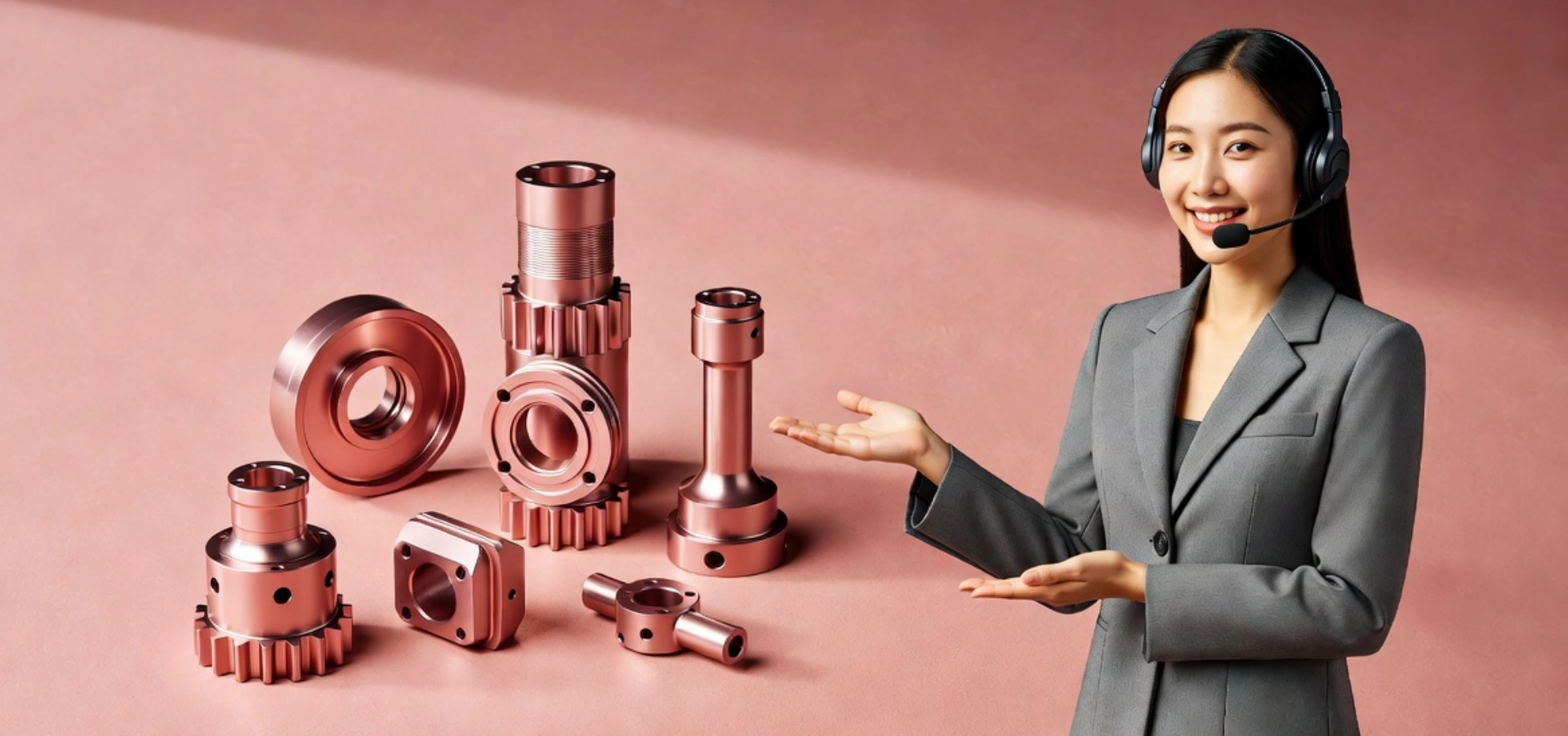
当社の精密CNCフライス加工サービスでは、
±0.01 mmという極めて厳しい公差を実現しています。
当社の
最先端のCNCフライス盤は、特注の金属およびプラスチック
部品において、一貫した精度を保証します。
工場直営のCNCフライス加工サービスプロバイダーとして、品質を損なうことなく
リードタイムを短縮しています。
単純なCNC加工部品であれば、最短1日で納品可能です。
CNCフライス加工の豊富な実績を持つ当社では、 エンジニアがDFMに関するフィードバックや加工に関するアドバイスを提供し、お客様向けのCNC フライス加工サービスに向けた設計を最適化することで、コスト削減と製造性の向上を支援いたします。
CNCフライス加工では、コンピュータ制御された回転する切削工具を用いて、 固定されたワークピースから材料を削り取ります。 切削工具またはワークピースを 複数の軸に沿って移動させることで、CNCフライス加工は平面、ポケット、スロット、穴、輪郭、および 複雑な3D形状を高精度で成形します。これは、さまざまな業界において、試作品、機能部品、 金型、治具、量産部品などに広く利用されています。
| ステップ | 何が起こるのか |
|---|---|
| 1 |
CADレビュー |
| 2 | 機械の
セットアップ ワークピースは機械テーブルにしっかりと固定され、切削 工具が取り付けられ、CNCプログラムが読み込まれ、確認されます。 |
| 3 | フライス加工
および検査 回転する切削工具は、 プログラムされたツールパスに従って材料を削り取ります。完成した部品は、出荷前に寸法、公差、および 表面品質を確認するために検査されます。 |
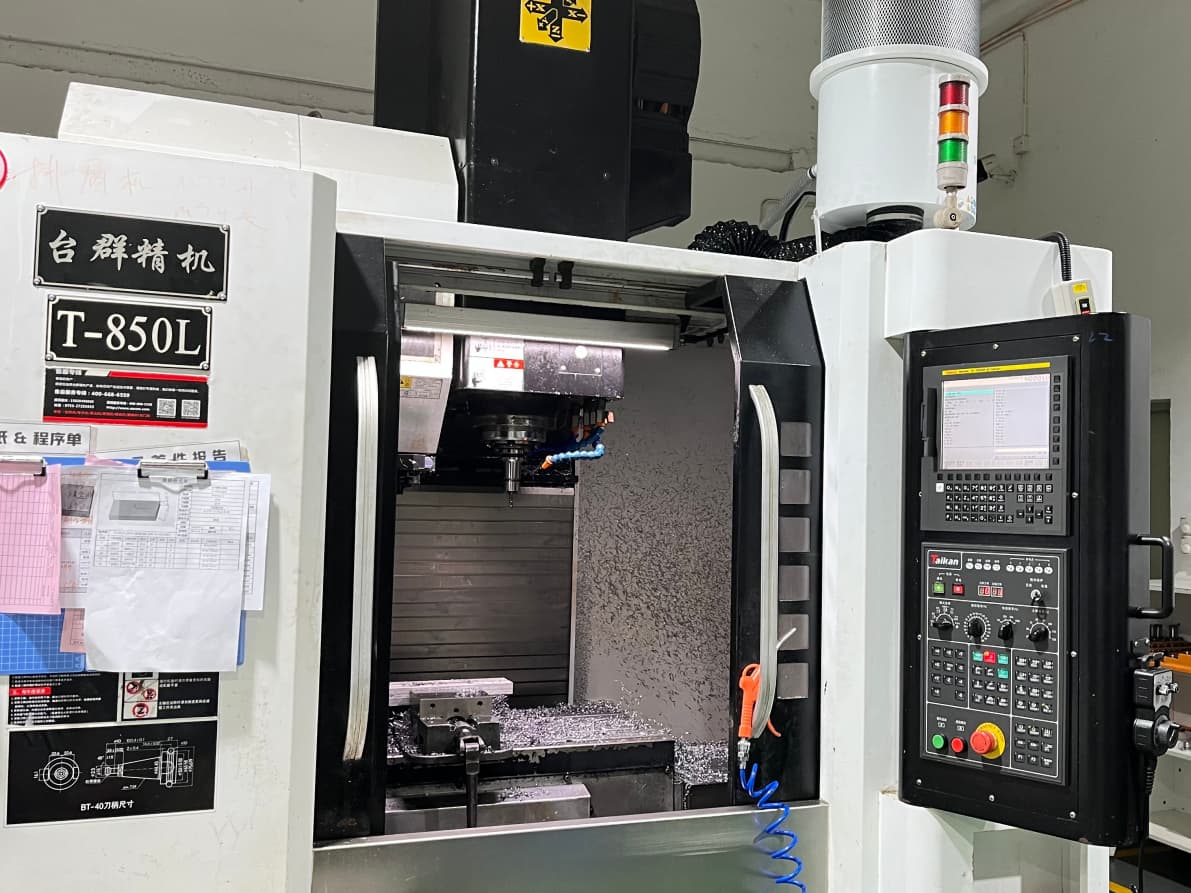
CNCフライス加工は、製造において数多くの利点をもたらします:
CNCフライス加工は、さまざまな精密部品や構成部品の製造に広く利用されています:
YP-MFGでは、多様な製造ニーズに対応するため、さまざまなCNCフライス盤を取り揃えております。 当社の保有機種には、3軸、4軸、5軸のCNCフライス盤が含まれています。
3軸加工機は、X軸、 Y軸、Z軸に沿った基本的な切削作業といった単純な加工に最適です。
当社の4軸加工機は、回転軸を1つ追加することで、より複雑な形状の加工が可能となり、 第4軸を中心に連続的な加工を必要とする形状を持つ部品の 生産効率を向上させます。
最後に、当社の最先端の5軸CNCフライス盤は、最高レベルの精度と 汎用性を備えており、複雑な形状や角度を持つ精巧な部品の製造を可能にします。
これらの機械は、5軸を同時に加工することが可能であり、これにより 度重なるセットアップの必要性を減らし、当社が製造するすべての部品において卓越した精度と品質を保証します。
当社のCNCフライス加工の公差は、機械の種類、材料、 および部品の形状によって異なります。
標準公差は以下の通りです ISO 2768-m(金属) そして ISO 2768-c(プラスチック)
一般的な公差の例: ±0.1 mm
高精度な5軸フライス加工により、 最大で ±0.01 mm 重要な機能について
より厳しい公差をご希望の場合は、図面に直接要件を明記していただくことをお勧めします。 そうすることで、当社のエンジニアが金型、検査、およびコストを最適化することができます。
3軸 フライス加工 単純な形状や平坦な部位に最適です
4軸 フライス加工 セットアップ回数を減らしながら、複数の側面を加工できるようになります
5軸 フライス加工 複雑な形状、厳しい公差、および 多角度加工を必要とする部品に最適です
適切な軸構成を選択することで、 リードタイムを大幅に短縮し、精度を向上させることができます。
リードタイムは、部品の複雑さと加工軸によって異なります:
単純な3軸加工部品なら納品可能です 最短1日で
CNCフライス加工プロジェクトのほとんどは、 5営業日
緊急の生産ニーズに対応するため、迅速な対応オプションをご用意しています。
CNCフライス加工は、複雑な形状、溝、ポケット、 および輪郭の加工に最適である一方、CNC旋盤加工は、シャフトやブッシュなどの円筒形部品の加工に最も適しています。
部品に回転形状と直方体形状の両方が含まれている場合、 フライス加工と旋盤加工を組み合わせることが、最も効率的な解決策となる可能性があります。
CNCフライス加工 これは、コンピュータプログラムによって制御される回転切削工具を用いて、 固体ブロックから材料を削り取る減法製造プロセスである。
CNCフライス加工は、 複雑な形状、厳しい公差、そして安定した品質を備えた精密部品の製造に広く利用されています。 多軸加工 (3軸、4軸、5軸)に対応しており、ポケット、スロット、穴、複雑な 輪郭などの形状を効率的に加工することができます。
YP-MFGでは、CNCフライス加工が、自動車、 航空宇宙、産業機器などの幅広い業界において、機能性 試作部品、小ロット生産、および最終用途部品の製造に広く活用されています。
CNCフライス盤は、 相互に連携して精密な加工結果を実現するいくつかの主要な構成要素から成り立っています。機械ベースは構造的な 安定性を確保し、スピンドルは切削工具を高速で回転させて材料を削り取ります。 作業台はワークピースをしっかりと固定し、X軸、Y軸、Z軸に沿って移動します。 その他の重要な 構成要素としては、加工プログラムを解釈するCNCコントローラ、工具ホルダー、 自動工具交換装置(ATC)、冷却液供給システム、およびワーク保持治具などが挙げられます。各構成要素は、 加工精度、表面品質、および生産 効率を維持する上で重要な役割を果たしています。
製造適性設計(DFM)は、 加工が容易で経済的な部品の設計に重点を置いています。内側の コーナー半径を大きくする、深いポケットを避ける、適切な肉厚を確保する、 標準的な穴径を指定するといった単純な設計変更により、加工時間や工具の要件を大幅に削減することができます。 また、 必要な箇所にのみ現実的な公差を設定することで、検査コストも削減できます。生産前に設計を 最適化することは、製造コストの削減につながるだけでなく、部品の品質向上や リードタイムの短縮にもつながります。
当ウェブサイトは、正常に機能させるために必須のクッキーを使用しています。また、お客様の許可を得た上で、訪問者が当サイトをどのように利用しているかを把握し、ユーザー体験を向上させるために、分析用クッキーも使用しています。クッキーをすべて受け入れる、必須のクッキーのみを使用する、または設定を管理することができます。