Sheet Metal Bending Services

Metal bending services for high-quality prototypes and production bends. Free sheet metal bending quote with DFM review within 1 day. Lead time as fast as 3-5 days.
CNC Press Brake Bending ±0.1mm tolerance NDA Protected
ply btn

Start A Sheet Metal Bending Quote

cnc-part-banner
plastic-part-banner
sheet-metal-parts-banner
STEP | STP | SLDPRT | IPT | PRT | SAT files
  All uploads are secure and confidential.

YP-MFG Metal Bending Workshop

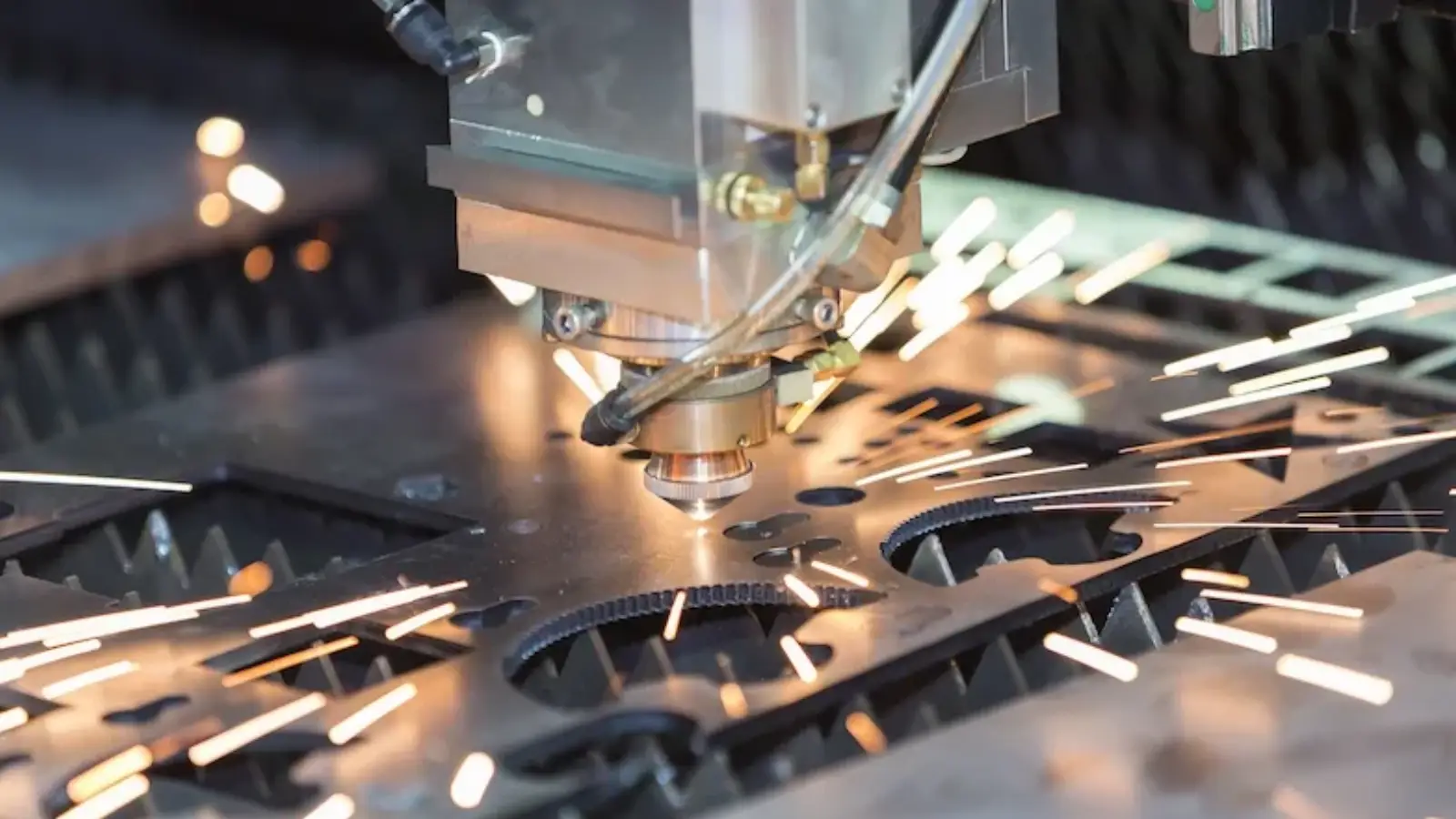
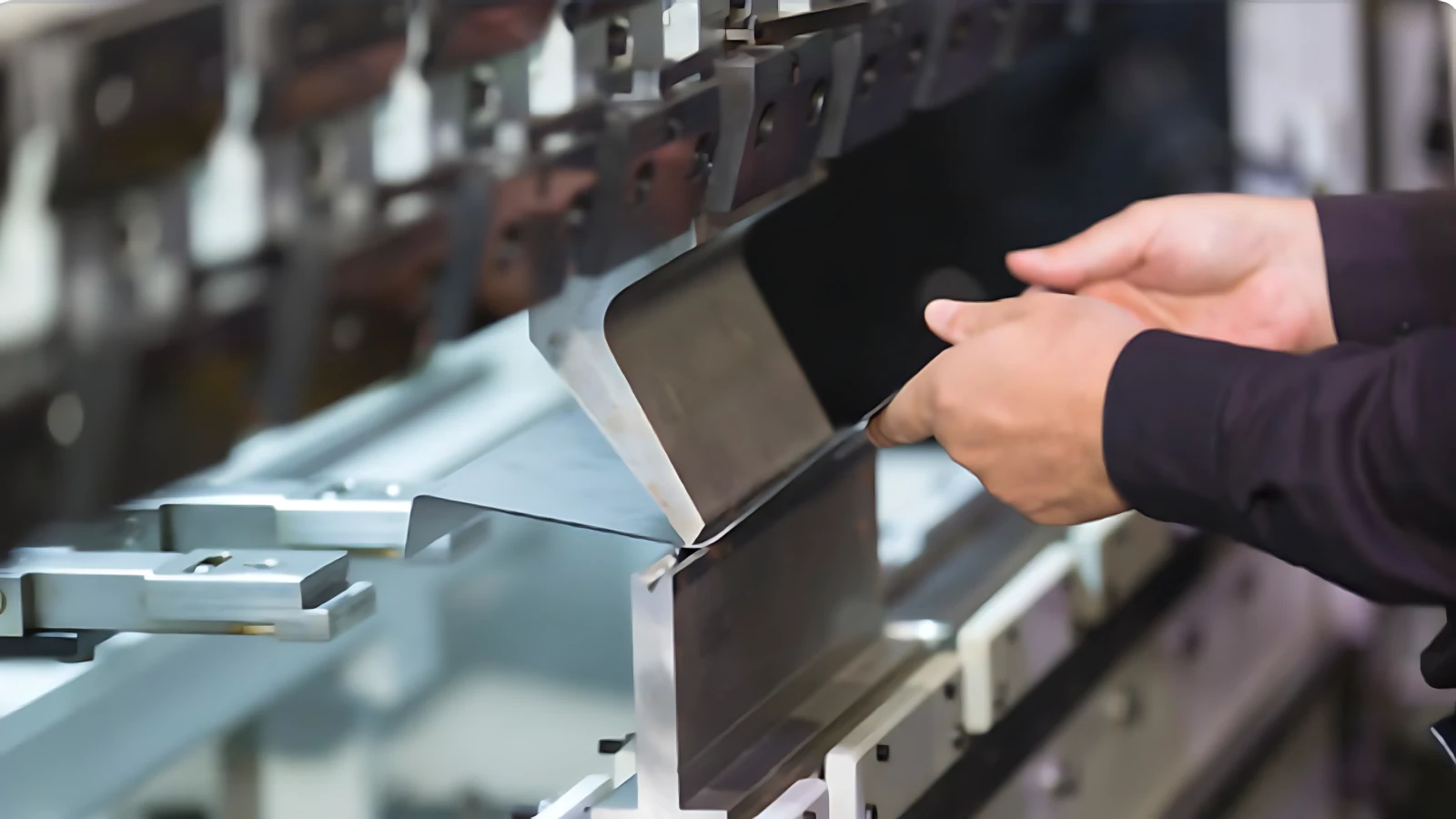
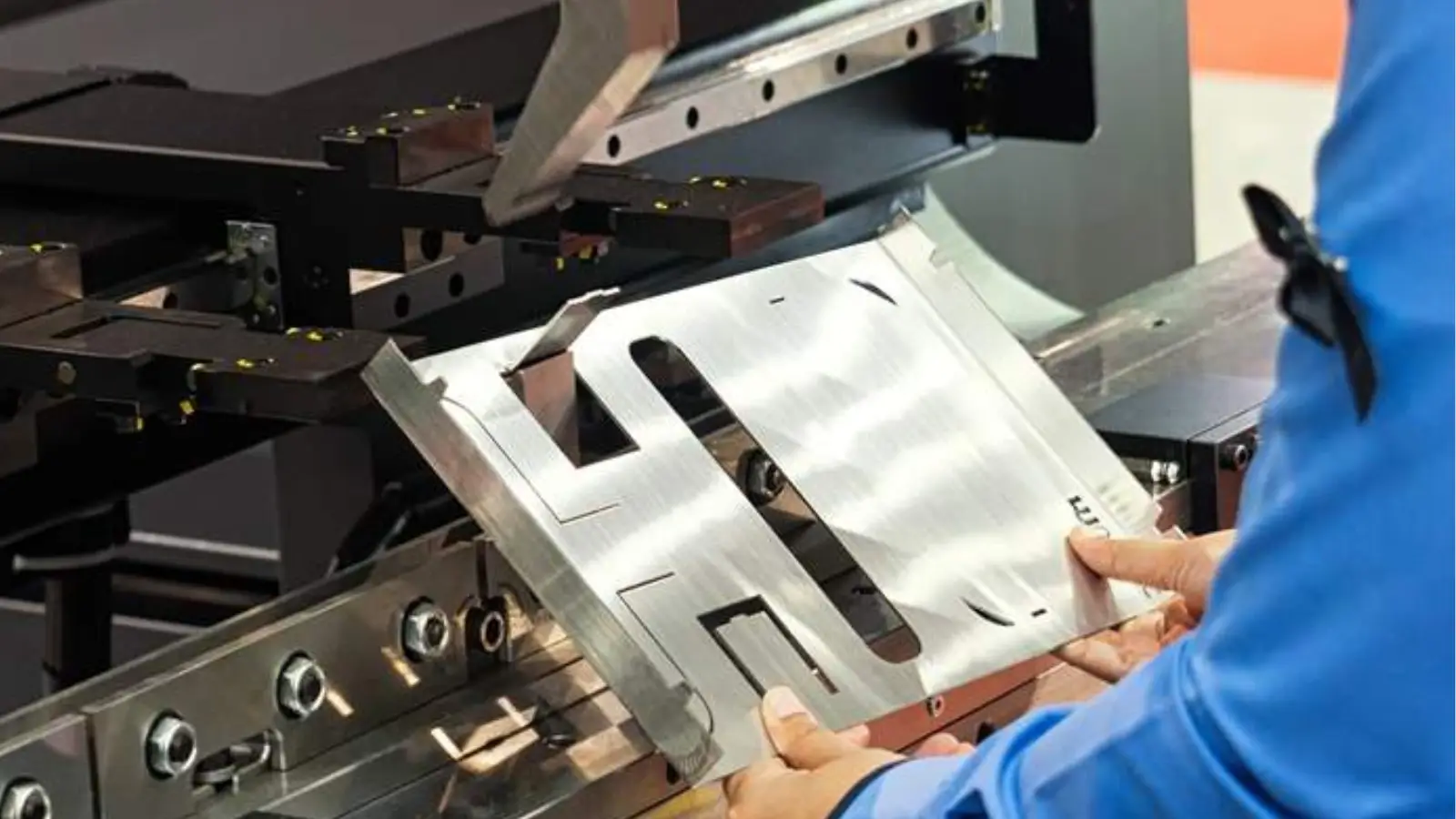
Metal bending transforms flat sheets into 3D shapes through precision force application, using advanced machinery to enforce bends at designated angles. Before bending, the flat sheet must be prepared using cutting methods like laser cutting, which ensures high precision. At YP-MFG, our process leverages high-tonnage equipment, capable of exerting up to 200 tons, to handle materials with a length of up to 3200mm. Each bend is executed with an exact mold ranging from R3 to R50, ensuring accuracy with a machining tolerance of ± 0.1mm. This precision sheet metal bending process is suitable for various applications, from machinery components to custom furniture. Additionally, our custom metal bending services enable us to offer tailored solutions with high precision and consistency.
 

To truly appreciate the sophistication of our operations, we invite you to watch a video tour of our facility.

180+

Sets of Machine

90+

Countries Shipped

20,000+

Customers Served

なぜ Choose YP-MFG Sheet Metal Bending service

/01
High Quality Parts​

Our team of experienced engineers utilizes the latest metal bending technology and rigorous quality control measures to ensure that every bent metal part meets the most exacting standards.

/02
短納期

Our CNC bending equipment, coupled with streamlined workflows, allows us to turn around your custom bent parts in record time.

/03
Engineering-Driven Support

Our experts guide you through the best choices for your project, from selecting materials to choosing bending methods, making sure you get optimal results every time.

Real Sheet Metal Bending Applications in Production

We manufacture precision bent metal parts for a wide range of industrial and commercial applications. Each part is produced using CNC press brake bending with strict tolerance control and consistent batch quality.

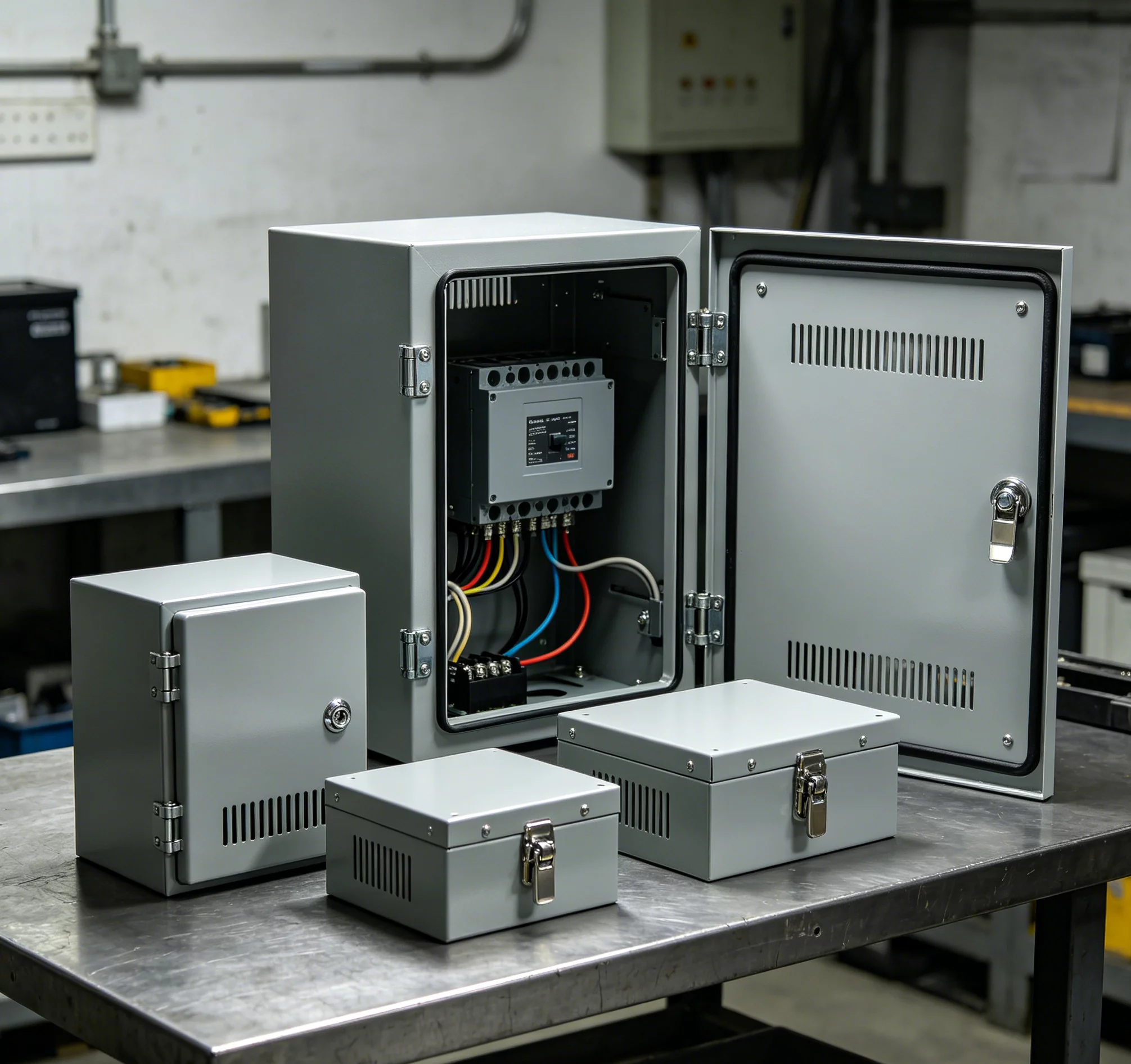
Electrical Enclosures - Sheet Metal Bending

Electrical Enclosures

Automotive Brackets - Sheet Metal Bending

Automotive Brackets

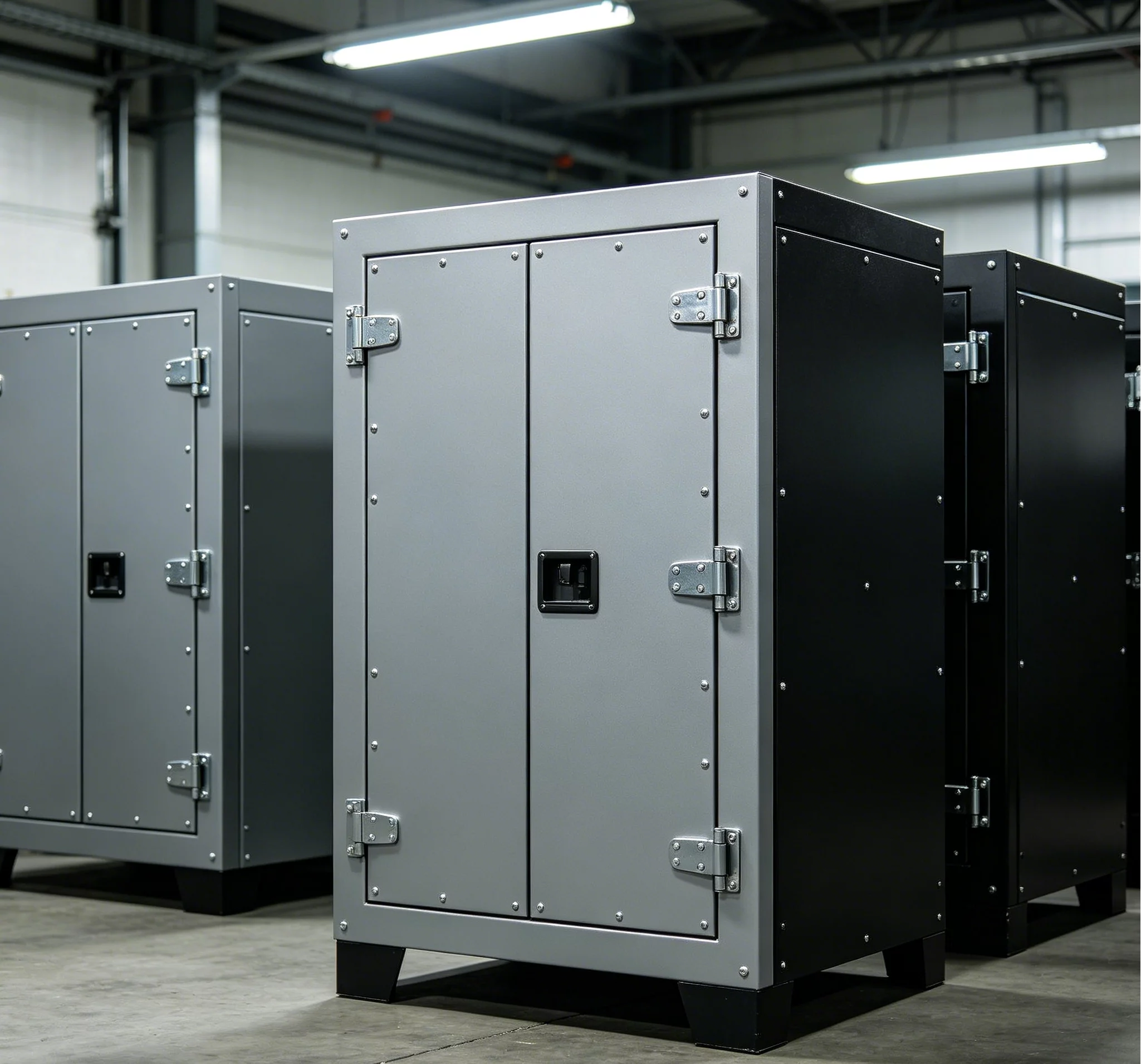
Industrial Cabinets - Sheet Metal Bending

Industrial Cabinets

Sheet Metal Bending
機能

説明
部品の最大サイズ 説明 1.5 m x 3 m
Metal Bending Forces 説明 Up to 1000 tons
Bending Line Length 説明 Up to 7200 mm
Bending Thickness 説明 Up to 60 mm
一般的な公差 説明 Our metal bending standards depend on ISO 2768.
Bend to edge/hole, single surface 説明 +/- 0.254 mm (+/- 0.010 in.)
Bend Radius 説明 Be equal to material thickness
Bend Angle 説明 +/- 1°
Bend Cutting Area 説明 Up to 4000 mm
リードタイム 説明 5 days or more
materials

Metal Bending Surface Finish

At YP-MFG, our surface finishes enhance the durability and appearance of bent metal components, meeting the high standards required by diverse industries.

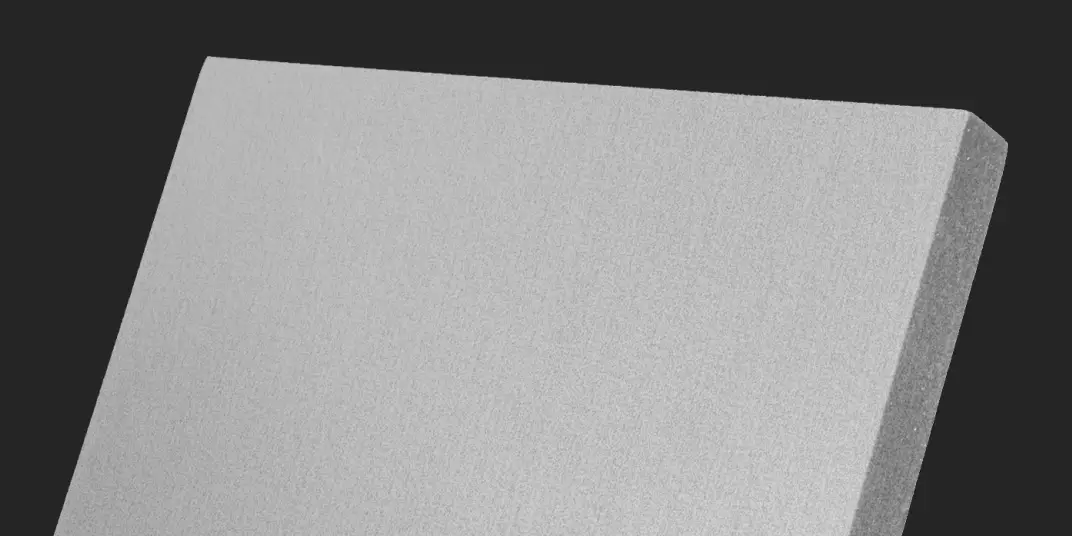
CNC加工機から直接取り出された状態の 表面仕上げであり、工具痕が残るものの、コストパフォーマンスに優れた選択肢となります。
陽極酸化処理は、耐食性 と耐摩耗性を高める一方で、着色も可能にするため、アルミニウム部品に最適です。
Hard anodizing increases surface hardness and wear resistance, while providing excellent corrosion protection, ideal for aluminum parts.
アロダインコーティングは、 腐食防止効果があり、塗料の密着性を向上させるもので、主にアルミニウム表面に使用されます。
サンドブラストは、加圧された砂や その他の研磨材を用いて表面を洗浄・加工し、均一でマットな仕上がりを実現します。

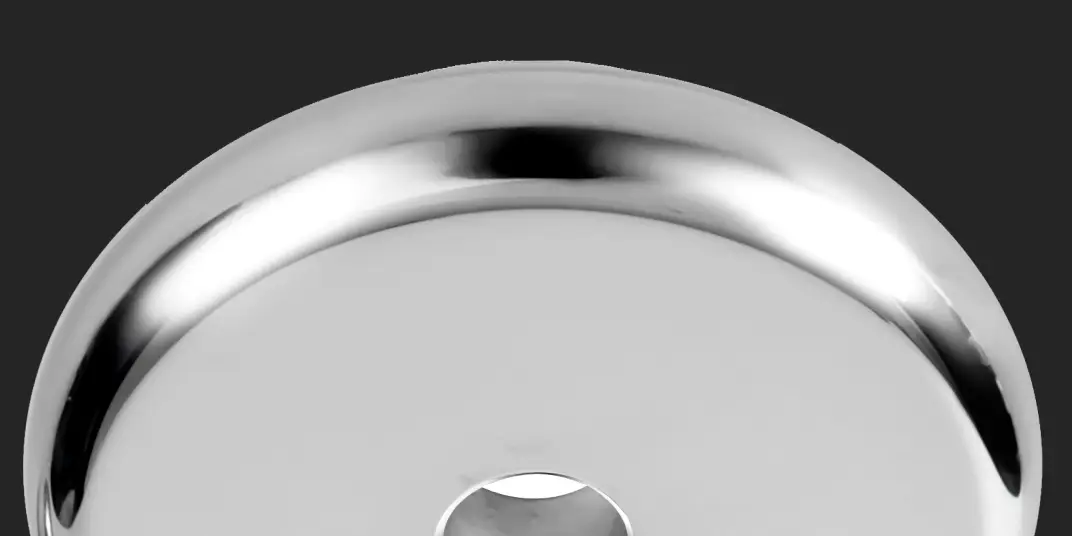
研磨

Ra0.2 (Mirror polish)
研磨を行うことで、高光沢の 仕上がりとなり、表面の粗さを低減し、金属の美観を高めます。
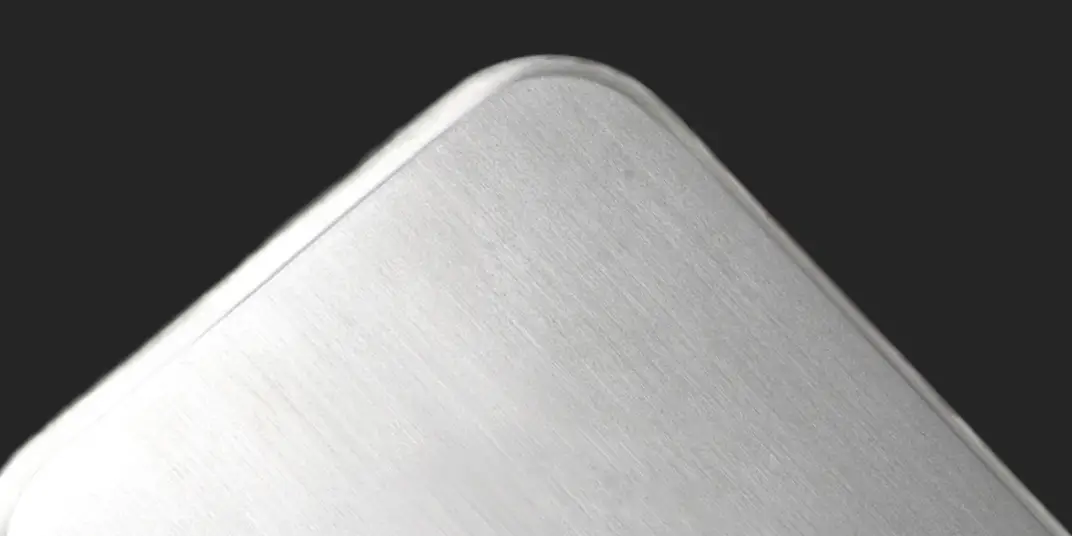
ブラッシュ仕上げにより、 一方向のサテン調の質感が生まれ、表面の汚れや傷が目立ちにくくなります。
電解研磨は、 表面を滑らかにし、光沢を出しながら、耐食性を高める化学的処理です。
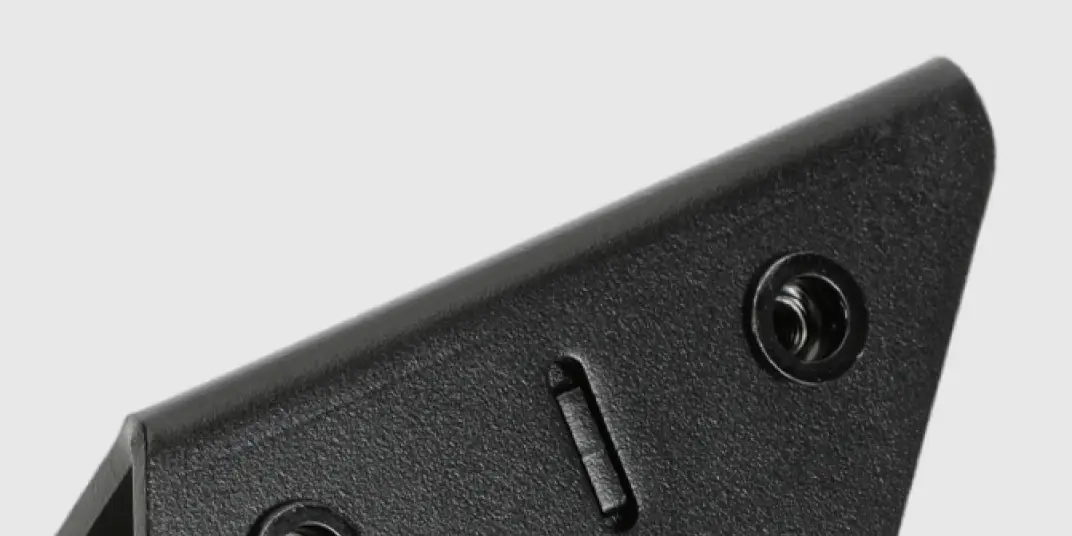
粉体塗装は、厚みのある 耐摩耗性に優れた層を形成し、豊富な色や質感の選択肢があり、さまざまな 表面に適しています。
電気めっきは、部品に薄い金属 層を付着させ、耐摩耗性、耐食性、および表面の導電性を向上させます。
タンブリングは、ドラム内で摩擦や摩耗させることで小さな 部品を滑らかにし、磨き上げる加工法であり、均一でありながらわずかに質感のある仕上がりを実現します。
熱処理は金属の機械的 特性を変化させ、その硬度、強度、あるいは延性を高める。

What is
Metal Bending?

metal-bending

Metal bending is a fabrication process that involves deforming metal into a specific angle or shape using mechanical force. This process is essential in manufacturing components with precise angles and curves, making it indispensable for creating durable and functional parts across various industries.

At YP-MFG, our sheet metal bending services meet the diverse needs of our clients, whether for simple or intricate designs. Our machinery includes advanced electric and hydraulic press brakes that ensure precision bending, even for parts with tight tolerances. Instantly accessible quotes are available through our user-friendly platform, where you can upload your 3D CAD files to receive an immediate estimation. This streamlined process saves you time and simplifies your journey from design to production efficiently.

Our capabilities go beyond just bending; we offer extensive post-processing options, ensuring that the parts you receive are not only perfectly bent but also ready for immediate application in either prototypes or final products.

How does Metal Bending Work?

The bending process is a fundamental method in metal fabrication that involves deforming metal into a desired shape by applying force, typically through a press brake or similar machine. This process allows for the precise forming of metal along a straight line to create V, U, or channel shapes in sheet metal. The metal bending process can vary from manual methods to advanced CNC (Computer Numerical Control) systems, which offer enhanced precision and repeatability.
 
During the metal bending process, a piece of sheet metal is placed between a punch and a die set. The punch forces the metal into the die cavity, bending it to conform to the die’s shape. Key parameters in this process include the bend angle, radius, and the bending force applied, which can be adjusted to manipulate the metal’s final form without altering its thickness significantly. Material properties such as ductility and thickness also play a critical role in determining the ideal bending conditions.
 
This metal bending fabrication technique is widely used due to its ability to produce strong, functional parts efficiently. Applications range from creating small components like brackets to large architectural features. With advancements in CNC technology, complex and highly accurate bending tasks are now more achievable than ever, allowing for greater design flexibility and faster production cycles. Additionally, CNC systems offer the capability to handle mass production with minimal variation, ensuring consistent quality across large batches.
sheet metal bending

Advantages of Bending Manufacturing

Metal bending manufacturing is integral across multiple sectors due to its distinct advantages:

  • Cost Efficiency: Metal bending reduces the need for multiple parts and welds, minimizing labor and material costs. By simplifying designs into single, continuous pieces, it helps reduce assembly time and overall project expenses.
  • Enhanced Strength: Bending metal increases its strength along the bend, making the finished parts more durable and capable of withstanding greater loads. This intrinsic reinforcement allows for lighter and thinner constructions without compromising structural integrity.
  • Precision and Flexibility: Advanced CNC bending technology provides high precision and repeatability, ensuring each part meets exact specifications. The versatility in bending various metals like aluminum, steel, and copper allows for broad application across different projects, from industrial machinery to custom automotive components.
  • Aesthetic Improvement: Metal bending techniques can produce clean, attractive lines and curves that enhance the aesthetic appeal of parts. This is particularly beneficial in visible components, such as fixtures and furniture, where appearance is as crucial as functionality.
  • Rapid Production: The speed of CNC bending processes significantly shortens production cycles, enabling faster turnaround times from design to completion. This rapid production capability is ideal for industries requiring quick responses to market demands.

Applications of Bent Metal Parts

Bent metal parts serve a multitude of purposes, transforming sheets into durable, functional components with a wide range of applications:

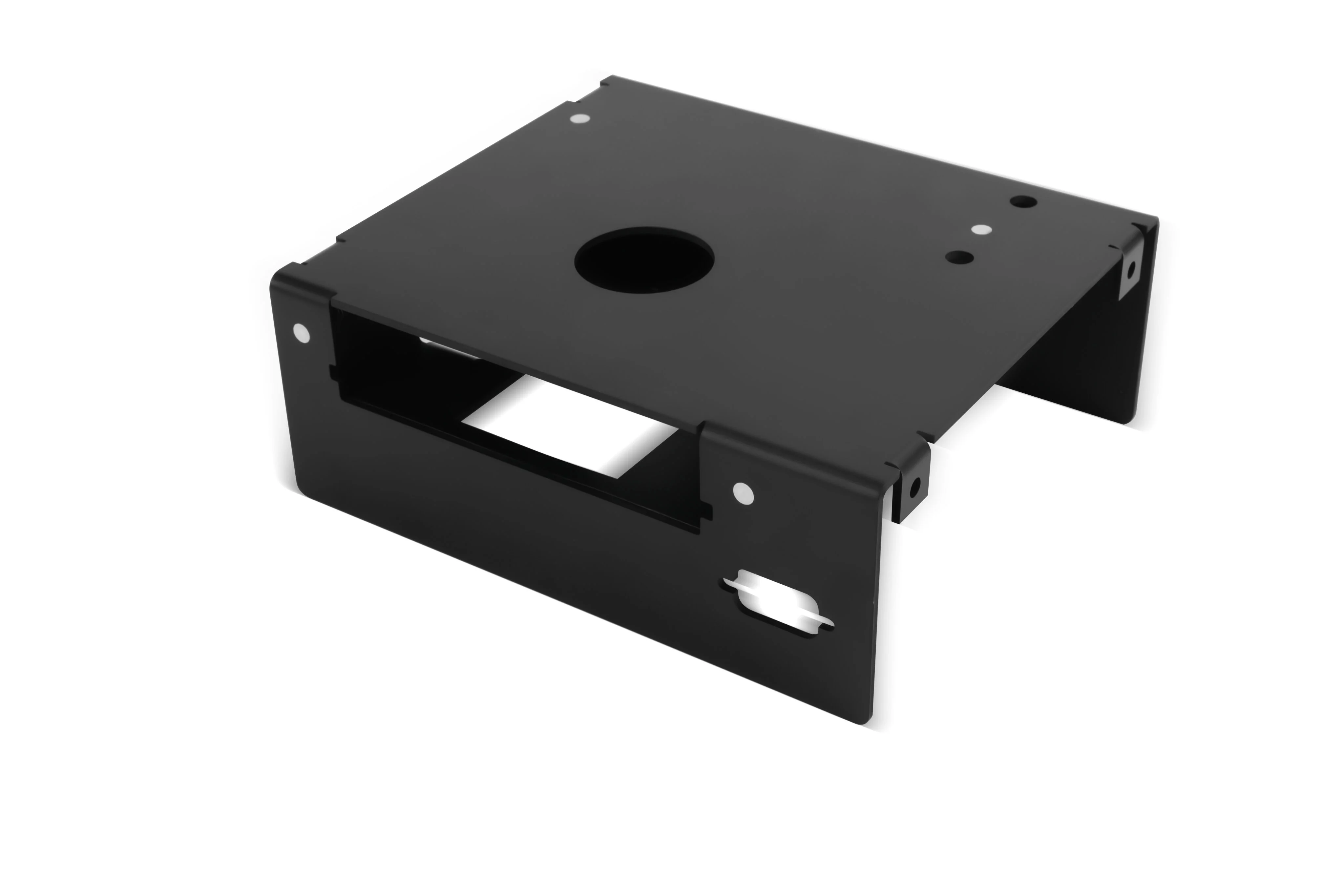
  • Enclosures and Casings:Custom bent enclosures house everything from electronics to industrial machinery, offering protection and support while maintaining accessibility and aesthetics.


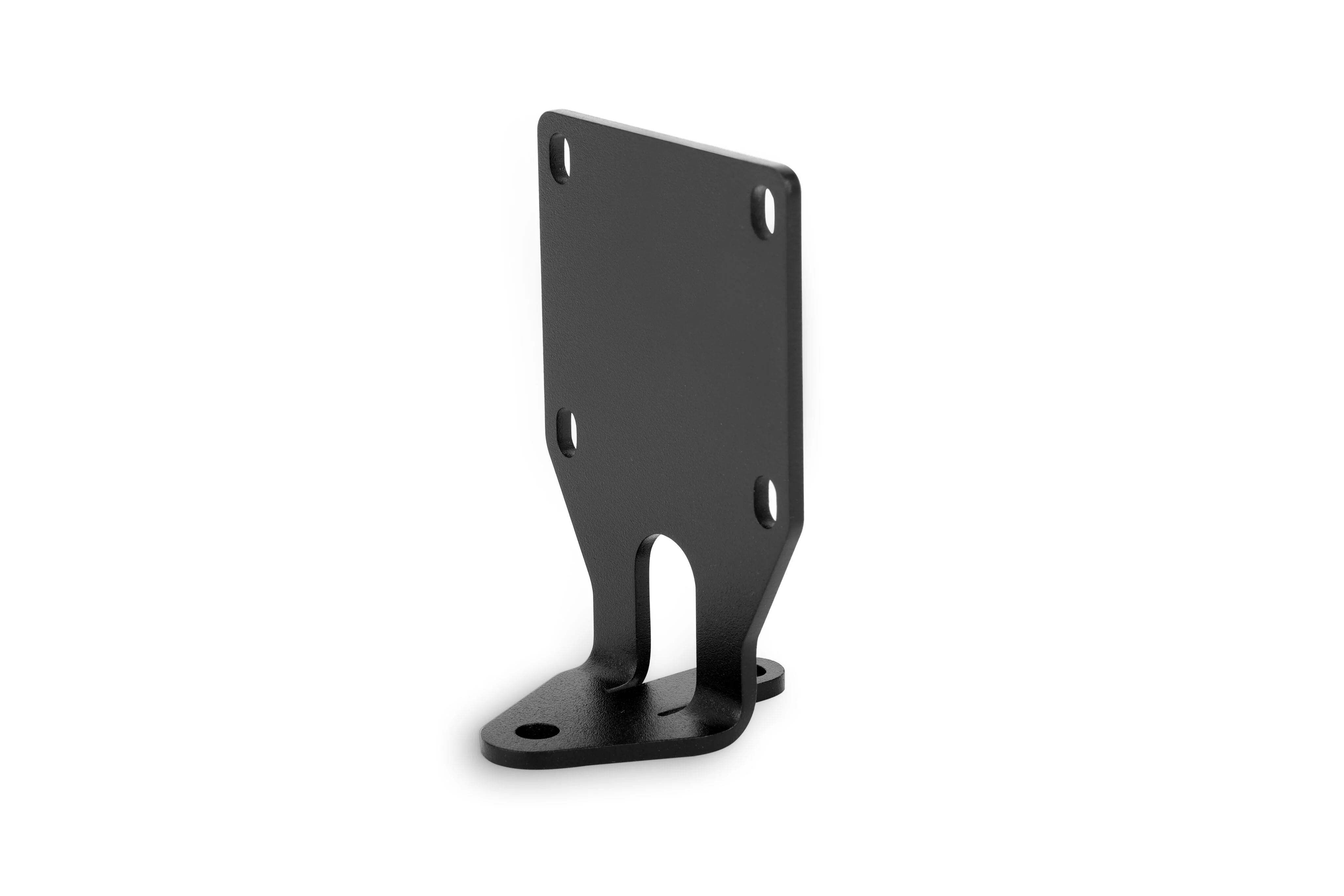
  • Brackets and Mounts:Precision bending creates sturdy brackets and mounts used in mounting systems, which are essential for securing components in both commercial and residential settings.


  • Panels and Doors:From aesthetic architectural panels to functional doors and barriers, bending metal provides the necessary customization to fit specific dimensions and designs.


  • Frames and Beams: Structural frames and beams benefit from the rigidity and strength that metal bending imparts, essential for supporting structures in construction and automotive frameworks.


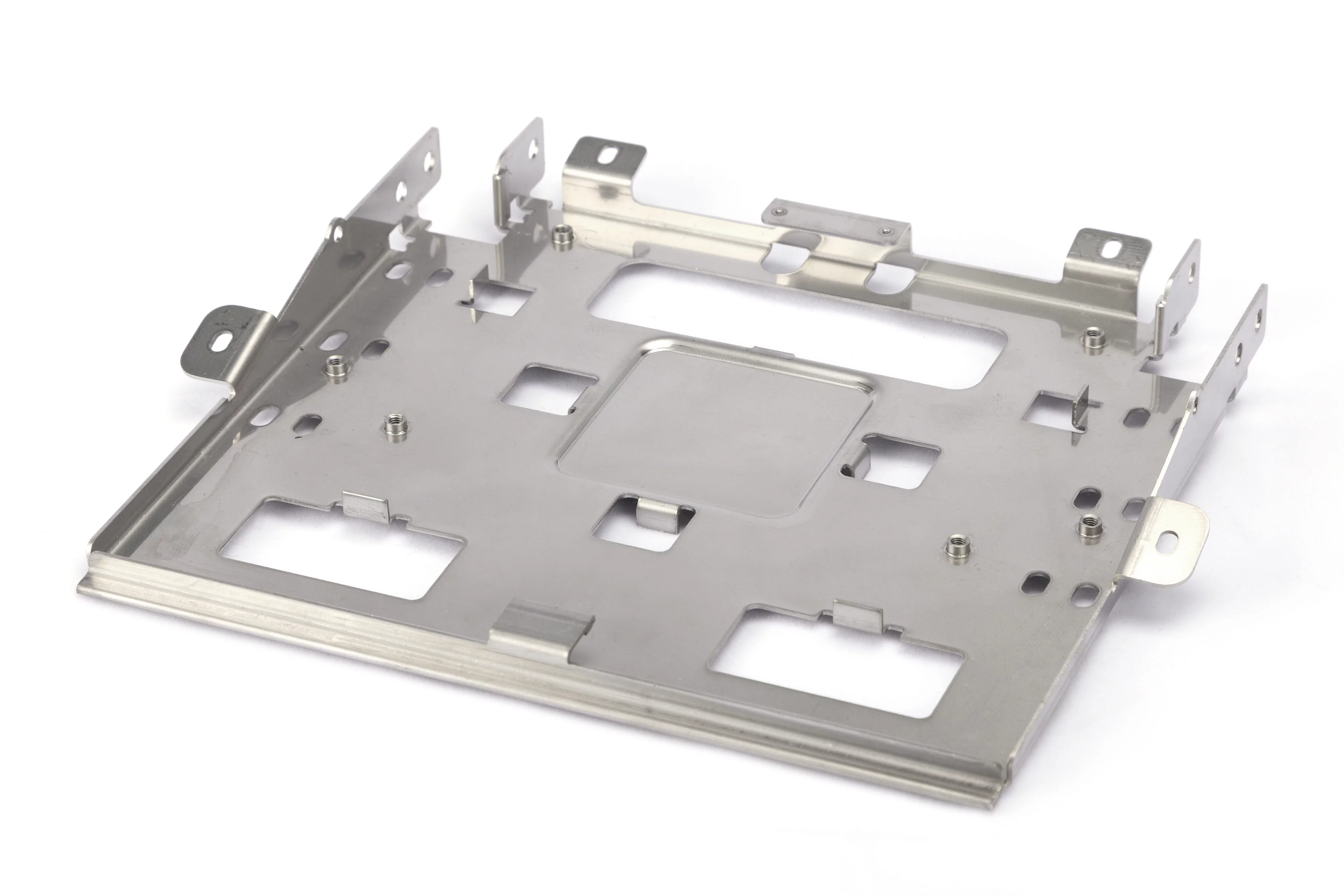
  • Complex Geometries:Advanced CNC bending technology allows for the creation of components with complex geometries, which are crucial for modern designs and applications requiring high precision and unique shapes.

よくある質問

The cost of sheet metal bending depends on several key engineering and production factors that influence setup time, tooling requirements, and manufacturing complexity:

  • Number of bends – More bends require additional machine setups and processing time.
  • Material type – Harder materials like stainless steel require higher force and slower processing.
  • Material thickness – Thicker sheets require higher tonnage equipment and more energy.
  • Part size – Larger parts may require specialized tooling and handling.
  • Batch quantity – Small batches typically have higher per-unit setup costs.
  • Tooling setup – Custom dies or complex bend sequences increase initial setup cost.

👉 In general, higher complexity = higher cost per part, while larger volumes reduce unit cost.

The bending process is a fundamental method in metal fabrication that involves deforming metal into a desired shape by applying force, typically through a press brake or similar machine. This process allows for the precise forming of metal along a straight line to create V, U, or channel shapes in sheet metal. The technology employed can vary from manual methods to advanced CNC (Computer Numerical Control) systems, which offer enhanced precision and repeatability.

During bending, a piece of sheet metal is placed between a punch and a die set. The punch forces the metal into the die cavity, bending it to conform to the die’s shape. Key parameters in this process include the bend angle, radius, and the bending force applied, which can be adjusted to manipulate the metal’s final form without altering its thickness significantly.

This manufacturing technique is widely used due to its ability to produce strong, functional parts efficiently. Applications range from creating small components like brackets to large architectural features. With advancements in CNC technology, complex and highly accurate bending tasks are now more achievable than ever, allowing for greater design flexibility and faster production cycles.

Choosing between bending and welding depends on the specific requirements of a project, including strength, aesthetics, production speed, and cost. Bending is often favored for its ability to create clean, continuous lines without seams or joints, which can enhance both the structural integrity and visual appeal of a part. This method is also typically faster and more cost-effective than welding, as it reduces the need for additional materials like fillers and does not require the energy costs associated with welding equipment.

On the other hand, welding is indispensable when complex shapes or sizes, which are beyond the capabilities of bending techniques, are required. It allows for the joining of different materials and the construction of frameworks that bending alone cannot achieve. Welding also provides the strength needed for demanding applications, such as in heavy industrial machinery and structural engineering.

The typical lead time for producing bent sheet metal parts can vary significantly depending on several factors including the complexity of the parts, the volume of the order, the type of metal being used, and the current workload of the manufacturing facility. Generally, simpler bending operations with standard materials can be completed relatively quickly, often within a few days. For standard orders with straightforward specifications, YP-MFG provides a turnaround time from 3 to 5 business days.

However, for more complex parts that require multiple bends, special materials, or finishes, the process can take longer. Projects that necessitate custom tooling or extensive pre-production design work can extend lead times further, potentially to several weeks. Additionally, the efficiency of the CNC bending equipment and the capacity of the manufacturing system play critical roles in determining the speed of production.

YP-MFG can offer expedited services at an additional cost for projects that require a faster turnaround. Communication with the service provider early in the design process can help ensure that timelines are met and that any potential delays are managed effectively.

The tolerance of bent parts refers to the acceptable deviation from the specified dimensions that can occur during the bending process. These tolerances are critical in ensuring that the parts fit properly in their intended assembly and perform their function as expected.

For standard sheet metal bending, tolerances typically range from ±0.1 mm to ±0.5 mm. However, the specific tolerances can vary based on several factors including the type of metal, the thickness of the sheet, and the complexity of the part design. Thinner metals may exhibit greater variability due to their increased flexibility and susceptibility to springback—a phenomenon where the metal tries to return to its original shape after bending.

Advanced CNC bending machines can achieve very precise tolerances by precisely controlling the angle and position of the bend. For critical applications requiring extremely high precision, such as in aerospace or medical devices, tolerances might be even tighter, often within the range of ±0.01 mm to ±0.1 mm.

YP-MFG will carefully consider the bending method and tooling to match the required tolerances for the application, ensuring optimal performance and fit of the bent parts.

Die marks on bent metal parts are often a concern in metal fabrication due to their potential impact on the appearance and integrity of the finished product. These marks are impressions or abrasions made by the die on the metal surface during the bending process. Whether die marks are visible on the finished parts depends on several factors, including the type of metal, the condition of the bending tools, and the bending techniques used.

Soft metals like aluminum are more susceptible to showing die marks because they are easier to indent or scratch. However, using well-maintained tools and applying protective films during bending can minimize these marks. Moreover, manufacturers can employ rubber or urethane pads that act as a buffer between the die and the metal, significantly reducing the likelihood of marking.

For applications where aesthetics are crucial, post-processing steps such as sanding, polishing, or painting can be used to eliminate any visible die marks. Thus, while die marks can be a concern, various strategies and techniques are available to manage and mitigate their appearance on bent metal parts.

Yes, there is a maximum thickness for sheet metal that can be bent, which largely depends on the type of bending machine used and the material properties of the metal. Generally, the capacity to bend metal sheets is determined by the tonnage of the press brake and the length of the bend. Higher tonnage machines can handle thicker materials, but there are practical limits based on the metal’s type and the desired bend angle.

For common materials like aluminum and mild steel, many standard press brakes can bend sheets up to about 0.5 inches (12.7 mm) thick. However, for tougher materials like stainless steel, the maximum thickness typically decreases due to the material’s higher tensile strength, which requires more force to bend. For these types of metals, thickness might be limited to around 0.375 inches (9.5 mm).

It’s also important to consider the bend radius; thicker metals require a larger radius to avoid cracking or breaking during the bending process. Manufacturers need to balance machine capabilities, material characteristics, and design requirements to determine the feasible maximum thickness for any given bending project.

Among commonly used metals in fabrication, stainless steel typically offers the highest resistance to bending. This resistance is primarily due to its high tensile strength and hardness, which make it more challenging to deform compared to metals like aluminum or mild steel. The composition of stainless steel, which includes significant amounts of chromium and nickel, not only provides excellent corrosion resistance but also contributes to its stiffness and durability.

The high resistance of stainless steel to bending requires more force to shape, often necessitating the use of press brakes with higher tonnage capabilities. Additionally, due to its tough nature, proper tooling and techniques must be employed to prevent damage to the machinery or the workpiece itself, such as cracking or brittleness at the bend.

This characteristic makes stainless steel ideal for applications where structural integrity and durability are paramount, such as in medical devices, food processing equipment, and marine applications. However, the increased difficulty in bending can also lead to higher manufacturing costs and more complex processing requirements.

The bend rule for sheet metal dictates that the minimum bend radius should equal the thickness of the sheet. For instance, if the sheet thickness is 1 mm, the smallest allowable bend radius should also be 1 mm. This ensures proper bending without compromising the material’s integrity.
Common types of sheet metal bending include air bending, bottoming, coining, roll bending, and V-bending. Air bending involves forming the metal with a punch that does not contact the bottom of the die, allowing for flexibility in bend angles. Bottoming provides more precise angles by forcing the material into the die, while coining compresses the metal for exact bends. Roll bending is used for creating curves or circular shapes, and V-bending utilizes a V-shaped die for efficient bending of various angles. Each method is selected based on the specific material properties, thickness, and desired bend angle for optimal results.
Aluminum is frequently considered the easiest sheet metal to bend due to its softness and ductility, which allows for more straightforward manipulation. Thin gauges of aluminum can be bent with minimal effort, making it ideal for various applications, including fabrication and prototyping. Additionally, aluminum’s resistance to cracking during bending enhances its workability, making it a popular choice among manufacturers and DIY enthusiasts alike.
Yes, you can request custom bend angles tailored to your specific project requirements. We provide flexible bending solutions that accommodate various angles and dimensions to suit your needs. Our team works closely with you to ensure the final product meets your exact specifications.
YP-MFG maintains quality by utilizing advanced CNC bending technology, which ensures precision and consistency in every part produced. Our process includes rigorous inspections at multiple stages, checking for accuracy in dimensions and alignment. Additionally, we adhere to strict industry standards, guaranteeing that each bent part is durable and reliable for its intended application.

レーザー切断
リソース

res1
YP-MFG x Rennteam Stuttgart: Innovation Collaboration of Racecar Engineering
Dec 20, 2023
res2
YP-MFG x Rennteam Stuttgart: Innovation Collaboration of Racecar Engineering
Dec 20, 2023
YPMFG x Rennteam Stuttgart
YP-MFG x Rennteam Stuttgart: Innovation Collaboration of Racecar Engineering
Dec 20, 2023
Try YP-MFG
now, for free