 Korean
  English
  German
  Russian
  Japanese
  Spanish
  French
  Italian
  Portuguese
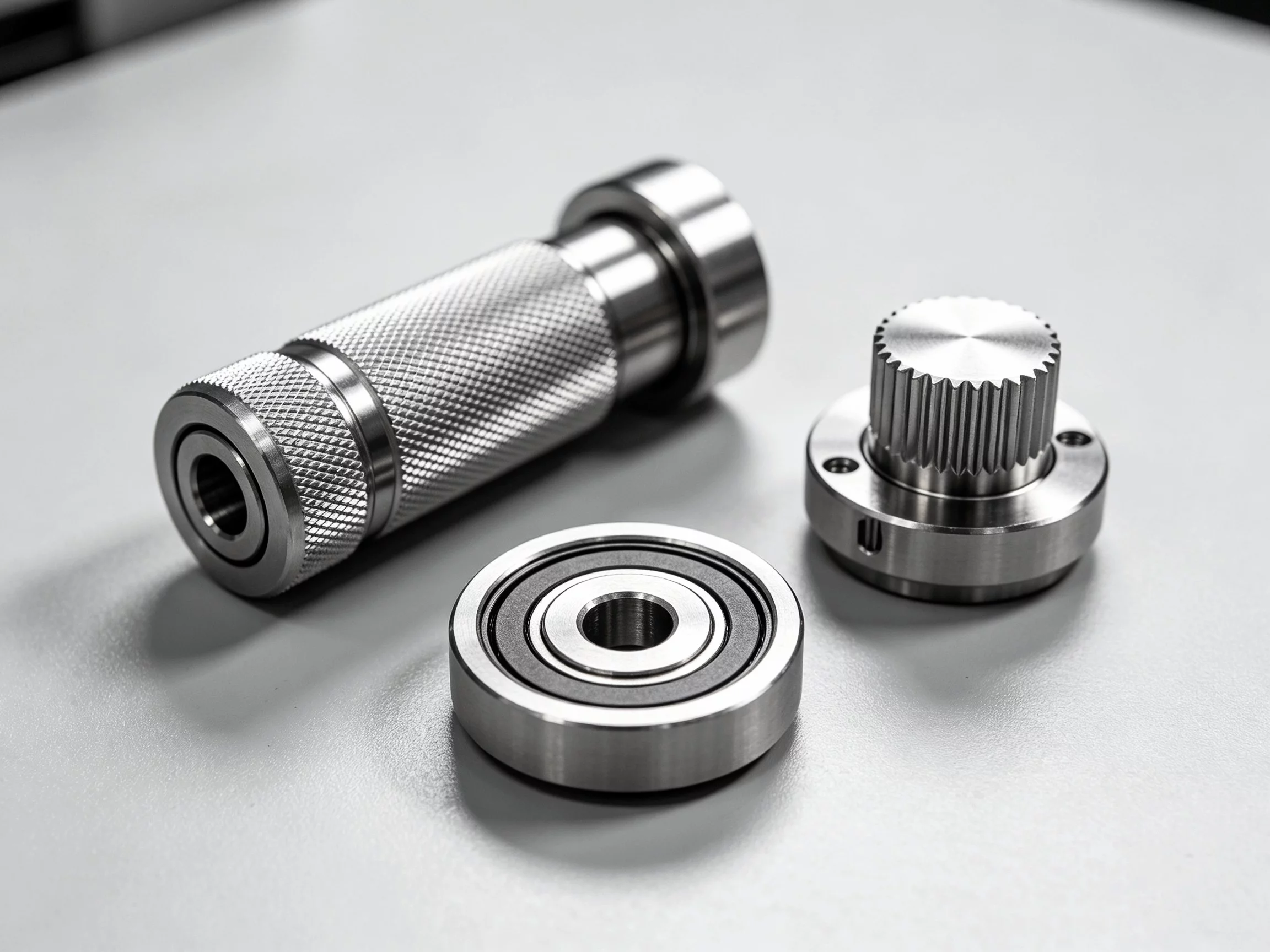
 간단한 답변: Aluminum CNC milling parts are machined components produced from aluminum alloy stock using computer-controlled cutting. They are the default choice in custom CNC machining for lightweight, corrosion-resistant parts in aerospace, electronics, and medical devices. The core decisions that affect quality and cost are 재료 선정, machinability parameters, and how tightly your 허용 오차 기준 그리고 표면 마감 are specified.
만약 조달을 하고 계신다면 aluminum CNC milling parts right now, the most common failure points are a mismatched alloy grade, ambiguous finish callouts, and tolerances set without checking assembly fit. YPMFG works with buyers who need a second engineering review before committing to production, so these issues get caught early.
How Aluminum CNC Milling Works in Practice
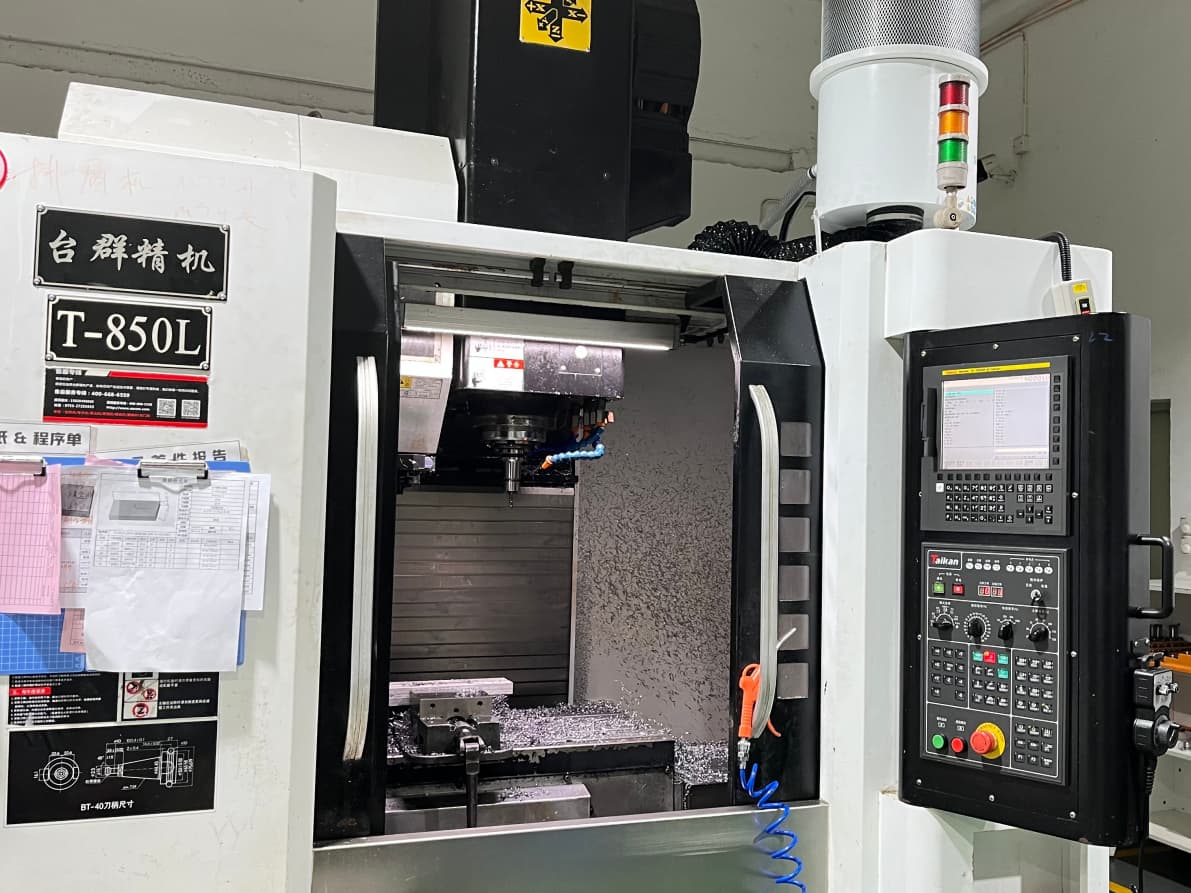
Aluminum CNC milling removes material from a solid block, plate, or bar using rotating end mills and face mills. Because the metal is soft, cutting speeds run high, which keeps cycle times short and lowers the per-part cost.
The softness is a double-edged sword. Aluminum work-hardens quickly, so the tool path, feed rate, and coolant flow must be tuned per alloy. Poor fixturing can also cause chatter marks that no post-machining polish can fully hide.
Common Aluminum Alloys at a Glance
Alloy 6061-T6 remains the go-to for most aluminum alloy CNC jobs because it is widely stocked, machines predictably, and anodizes consistently.
Choosing the Right Grade and Tolerance
Start with the load case and environment. A part that will sit in saltwater or a chemical bath needs 5052 or a marine-grade alloy, not the default 6061. If your design carries cyclic fatigue, 7075-T6 or 2024 may be the only workable option.
Tolerance requirements should reflect the actual assembly, not a blanket spec. General-purpose brackets and panels are fine at ±0.02 mm. Mating surfaces, bore fits, or concentric features may demand ±0.01 mm or tighter. Call out whether the drawing specifies positional, flatness, or run-out tolerance so the shop can price the inspection correctly.
Finishing, Pitfalls, and Risk Control
표면 마감 decisions affect appearance, assembly function, and long-term corrosion behavior. Bead blasting, anodizing, powder coating, or a raw machined surface each carry different cost and lead-time implications. Leaving the finish unspecified on the drawing is the single most frequent cause of a part arriving that does not look or perform as expected.
Other risks worth checking before release:
Anodizing color consistency varies by alloy; 6061 anodizes uniformly, but 7075 can produce uneven tint
가공성 differences between alloys change cycle time and tool wear; confirm with your shop before quoting
Request material certification (mill test report) for traceability, especially in regulated industries
Define draft angles and undercut radii early; missing these adds secondary operations and cost
YPMFG can flag finish, tolerance, and geometry issues during the pre-production review stage, reducing the chance of a rework cycle.
Questions Buyers Often Ask Before Ordering
What is the practical minimum order quantity?
It depends on part complexity and available stock material. Small plates or simple brackets can be run in single-digit quantities. Multi-feature housings may need a minimum of 10–25 pieces before the setup cost amortizes. Most shops, including YPMFG, will quote prototypes and production runs side by side.
How do I decide between 6061 and 7075?
Use 6061-T6 when general strength, cost, and availability matter. Move to 7075-T6 only when a specific fatigue or yield-strength requirement drives the design. 7075 is less forgiving to machine and costs more, so justify it with a documented engineering need.
Which file formats should I send for a quote?
A 3D CAD file in STEP or IGES format is essential. If you only have 2D prints, send those with all critical notes. Including 허용 오차 기준 그리고 표면 마감 callouts directly on the drawing speeds up the 인용 과정 and reduces back-and-forth.
Can I send just a concept or sketch?
Yes. A reference part, hand sketch, or even a short written description works as a starting point. An 엔지니어링 검토 will cover material choice, wall thickness, draft angles, and manufactability before you lock a final drawing.
Making a Better Decision on Your Aluminum Parts
오른쪽 aluminum CNC milling parts come from matching alloy, tolerance, and finish to the real load and environment, not from picking a default material out of habit. If your current specs are unclear or you want an independent check on manufacturability, send your drawings or parameters to YPMFG. The team will return a concise engineering assessment, confirm alloy availability, and provide a line-item quote with recommended finishing options.