 Korean
  English
  German
  Russian
  Japanese
  Spanish
  French
  Italian
  Portuguese
 간단한 답변: A galvanized CNC machining part is a precision-machined metal component that receives a protective zinc coating after all milling, turning, or drilling operations are complete. The coating resists corrosion in outdoor, marine, or humid environments. The critical constraint is that zinc layer thickness adds material to every surface, so mating tolerances must be adjusted before machining begins to prevent rework and field failures.
If you are specifying a CNC machined steel part for an application where rust or pitting is a known risk, galvanization is one of the most economical protection options. The catch is that the coating step interacts directly with your geometry, threads, and assembly clearances. A part that machined perfectly on the bench can fail after it passes through the zinc bath, so YPMFG works with buyers on the full handoff—machining, coating, and post-coating verification—to keep the final part on spec.
What is covered:
Why Galvanization Matters for CNC Parts
Key Specs to Verify Before Ordering
Common Failure Points and How to Avoid Them
구매자들이 자주 묻는 질문
Choosing the Right Coating Approach
Why Galvanization Matters for CNC Parts
Bare carbon or alloy steel corrodes within weeks in a coastal or industrial environment. Galvanized coating slows that degradation by forming a sacrificial zinc layer that oxidizes before the base metal does. Depending on method and thickness, this protection can extend service life by several years.
Hot-dip galvanization submerges the part in molten zinc at roughly 450 °C. The resulting coating typically falls between 55 and 125 µm, thicker on down-facing edges due to capillary pull. Electro-galvanizing applies a thinner, more uniform layer—usually 5 to 25 µm—suited to parts with tight dimensional needs.
For parts that will be painted over, the galvanization layer also acts as a primer, improving adhesion and reducing pinhole rust at the paint interface. The method you choose changes surface finish, cost per part, and how much tolerance you must add to mating features. Your supplier’s coating line capability also dictates which option is practical for your part size and batch volume.
Key Specs to Verify Before Ordering
Releasing a galvanized part for production without confirming coating parameters is the most common source of downstream rework. The table below lists the parameters that should appear on your drawing or purchase specification.
If your part includes both threaded and unthreaded regions, specify which zone each coating thickness applies to so the coater does not overbuild on critical surfaces. Once this table is locked, send it with your CAD files and material callout. YPMFG’s engineering team reviews the geometry against the coating zone and flags any internal features that will be inaccessible after the zinc deposit.
Common Failure Points and How to Avoid Them
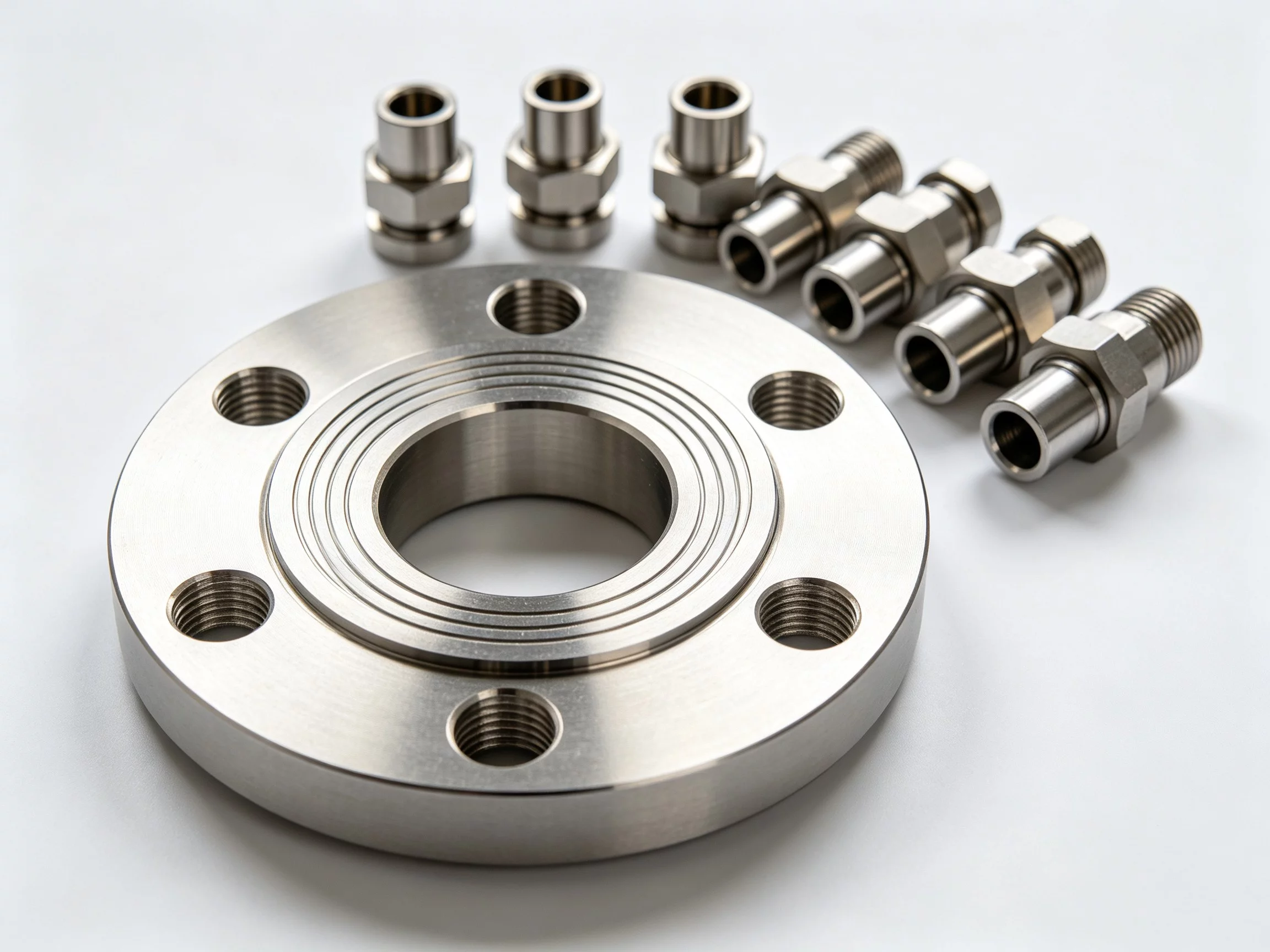
The top rejection reason for galvanized parts is internal thread blockage. Zinc spatter and oxide scale build up inside bores, holes, and threaded features that face downward during the dip. If the feature is deeper than the part can drain, the coating cannot be removed without re-machining.
Welded or cast sub-assemblies with sealed cavities trap hydrogen gas during the hot-dip process. On high-strength steels above 380 HV, that hydrogen can diffuse and cause delayed cracking hours or days after the part leaves the bath. Always disclose cavity geometry to the coater.
A secondary risk is inconsistent thickness on parts with mixed geometries. A flat plate and a threaded boss on the same part will not receive the same coating depth. Specify a coating thickness measurement zone on your drawing rather than a single nominal value for the whole part.
구매자들이 자주 묻는 질문
Can I machine a galvanized part further after coating?
Generally no. The zinc layer is brittle, and cutting, drilling, or grinding through it breaks the coating and exposes bare metal at the new surface. All CNC operations should be finished before the part enters the coating line.
How much extra clearance do I need for a hot-dip galvanized fitting?
Add the coating thickness per side. For an 85 µm hot-dip layer, budget roughly 0.17 mm of additional clearance across a bolt-and-hole or pin-and-bore pair.
Which standard covers hot-dip galvanized fasteners and small parts?
ASTM B633 governs zinc-coated fasteners and similar components. ASTM A123 covers larger steel products such as structural members. Confirm which standard your specification references before releasing the part.
Will galvanization affect the color of a visible part?
Hot-dip produces a spangled, metallic-cream surface. If the part is customer-visible, specify a post-dip paint or powder-coat step to achieve a uniform color. Electro-galvanized parts have a smoother, lighter-gray finish.
Choosing the Right Coating Approach for Your Part
Match the coating method to the service environment, not just the base material. A part cycling between dry and salt-laden air benefits from the thicker hot-dip layer. A part in a dry enclosure with occasional humidity is fine with a 10–15 µm electro-galvanized film.
YPMFG supports buyers who need CNC 가공 and post-process coating handled in a single sourcing chain. Send your drawings, material specification, and target service environment to the engineering team. The team will confirm coating feasibility,flag geometry conflicts, and provide a recommended coating thickness with a standard reference.
You can also request small-batch sample parts with your specified zinc coating thickness to validate fit, finish, and surface quality before releasing a production order. This keeps your prototype and production parts consistent and removes guesswork from the final surface specification.